
Medical Disclaimer: This content is for educational purposes only. It is not medical advice. Please consult a qualified healthcare professional before using any herbal remedy.
Safety Overview
1.Murva — Introduction & Highlights
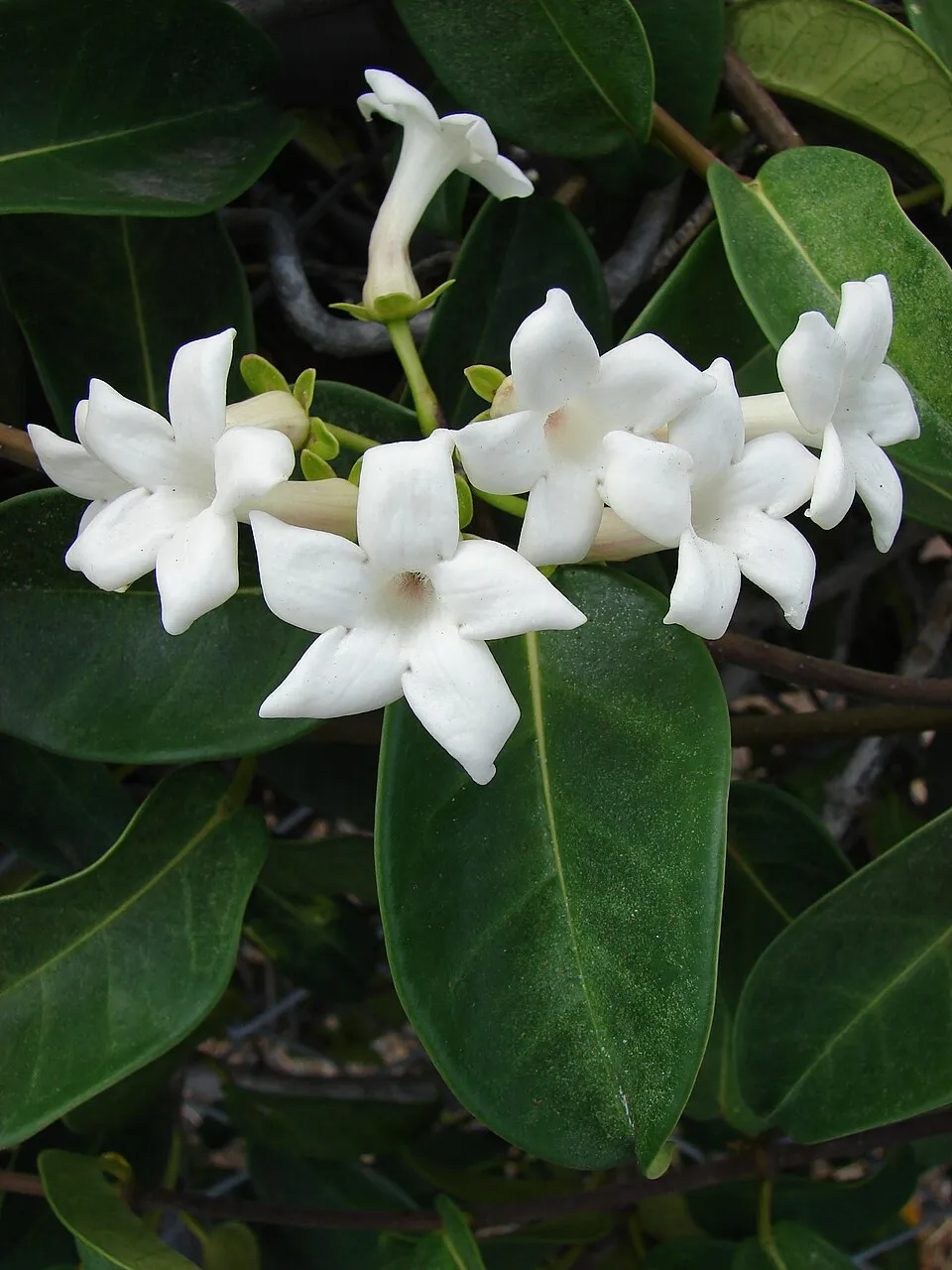
Marsdenia tenacissima, commonly known as Murva or Moorva, is a robust perennial climbing vine belonging to the Apocynaceae family. This vigorous plant can ascend to heights of 2 to 3 meters, showcasing its resilient growth pattern. Its leaves are distinctively elongated and lanceolate, typically measuring between 6 to 12 cm in length. They possess a smooth, glossy texture on their upper surface and a slightly paler, often velvety underside.
During the summer months, Murva produces small, star-shaped flowers that bloom in clusters, exhibiting delicate light yellow to cream hues, each flower approximately 1.5 cm across. The vine's stem is characteristically slender and striated, displaying a greenish-brown coloration that gradually toughens and becomes more woody with age. A notable feature is the milky exudate present in its tissues. The roots are cylindrical, yellow externally with dark brown patches, and have a distinctly bitter taste.
Murva is indigenous to diverse regions of Africa and Asia, thriving particularly well in open grasslands, scrublands, and forest edges across India. It prefers well-drained, fertile soil and requires abundant sunlight to flourish. Taxonomically, while historically placed in Asclepiadaceae, it is now firmly categorized within the Apocynaceae, known for its adaptability and unique morphology within the Marsdenia genus.
Trusted Scientific References
1. Authoritative external sources for Marsdenia tenacissima
1.1 Wikipedia — Marsdenia tenacissima
1.2 Kew POWO (Plants of the World Online)
1.3 PubMed — peer-reviewed research
1.4 NCBI Taxonomy Browser
1.5 GBIF — Global Biodiversity
1.6Murva should be interpreted through verified botanical identity, practical care, and responsible safety language. This recovery note adds the missing context needed for a complete profile: match light to the plant's habit, use well-drained soil, water according to season, and avoid unsupported medicinal or edible claims. For publishing, the plant can be presented as a source-backed medicinal plant with clear care guidance, common problem diagnosis, and conservative safety wording.
1.1.Murva — Key Features
- ✓Botanical Name — Marsdenia tenacissima (W. & A.)
- ✓Common Name — Murva, Moorva, White Nishoth, Maruvabel.
- ✓Family — Apocynaceae (formerly Asclepiadaceae).
- ✓Traditional Systems — Primarily Ayurveda and Unani medicine.
- ✓Key Actions — Blood purifier, digestive stimulant, antipyretic, hepatoprotective, anthelmintic, anti-inflammatory.
- ✓Primary Parts Used — Root, stem, and sometimes the whole plant for various medicinal preparations.
- ✓Habitat — Native to tropical and subtropical regions of Asia and Africa, thriving in open grasslands and scrublands.
- ✓Morphological Traits — A perennial climbing vine characterized by lanceolate leaves, star-shaped greenish-yellow flowers, and a milky exudate.
- ✓Chemical Markers — Rich in pregnane glycosides, cardenolides (tenacissoides), and steroidal glycosides like Marsdenin.
- ✓Cautions — Contraindicated in cases of diarrhea, existing cardiac conditions, and during pregnancy or breastfeeding due to limited safety data.
1.2.Murva — In Brief
- ✓Marsdenia tenacissima, or Murva, is a therapeutic climbing vine highly valued in traditional Ayurvedic and Unani medicine.
- ✓It is extensively utilized for its remarkable benefits in digestive support, blood purification, fever reduction, and managing various skin diseases.
- ✓The plant is rich in diverse bioactive compounds, including potent pregnane glycosides, cardenolides like tenacissoides, and steroidal glycosides.
- ✓Traditional preparations include decoctions, topical pastes, fresh juices, and powdered forms from its roots and stems.
- ✓Important safety precautions include avoiding use in individuals with diarrhea, heart conditions, and during pregnancy or lactation.
- ✓Murva is widely distributed and cultivated in the tropical and subtropical regions of Asia and Africa, particularly throughout India.
2.Murva — Systematic Position
3.Murva — Botanical Stats
4.Murva — Plant Morphology
5.Murva — Habitat & Distribution
6.Murva — Ethnobotanical Uses
7.Murva — Secondary Metabolites
- ✓Pregnane Glycosides — Found predominantly in the root and seeds, these compounds are a class of steroidal glycosides known for their diverse biological activities, including potential cardiotonic or cytotoxic effects.
- ✓Cardenolides (Tenacissoides A-E) — Specific to the stem and aerial parts, these potent cardiac glycosides are responsible for some of Murva's significant pharmacological actions, impacting cardiac function.
- ✓Alkaloids — A broad group of nitrogen-containing organic compounds distributed throughout the plant, contributing to various therapeutic effects such as hepatoprotection and antimicrobial activity.
- ✓Flavonoids — Present in the leaves and aerial parts, these plant pigments possess strong antioxidant and anti-inflammatory properties, supporting cellular health and reducing oxidative stress.
- ✓Saponins — Glycosides that form a soapy lather in water, contributing to expectorant, anti-inflammatory, and potentially cholesterol-lowering effects.
- ✓Tannins — Astringent compounds found in the plant, contributing to its traditional use in wound healing, digestive regulation, and anti-diarrheal properties.
- ✓Resins — Contribute to the plant's traditional applications, often associated with laxative or antimicrobial actions, and found in the root and stem.
- ✓Steroids — Including compounds like Cissogenin, often found as aglycones of pregnane glycosides, which can influence hormonal pathways or possess anti-inflammatory actions.
- ✓Sugars (D-Cymarose, Asclepobiose, D-Canarose) — Specific monosaccharides and disaccharides that are integral components of the various glycosidic structures found in Murva, influencing their absorption and biological activity.
- ✓Caoutchouc — A rubber-like substance present in the milky latex exudate of the bark and stem, contributing to the plant's physical properties.
8.Murva — What Research Suggests
- ✓Blood Purifier — Used traditionally to cleanse the blood (Asra) and manage various blood disorders, including abscesses and certain skin conditions, promoting overall dermal health.
- ✓Digestive Aid — Supports healthy gastrointestinal function, addresses issues like lack of appetite, hyperacidity, and can effectively manage constipation due to its mild laxative properties.
- ✓Antipyretic Properties — Traditionally employed to reduce fevers (Jwara) and alleviate body aches, particularly beneficial in chronic febrile conditions and pyrexia of unknown origin.
- ✓Hepatoprotective Effects — Active compounds such as specific alkaloids and glycosides are believed to protect the liver from damage, supporting its detoxification and metabolic functions.
- ✓Anthelmintic Action — Decoctions prepared from Murva are historically administered to effectively treat and expel various types of intestinal worm infestations (Krumi).
- ✓Respiratory Support — Valued for its efficacy in alleviating chronic coughs, senile coughs, and allergic respiratory tract infections, often administered with honey for soothing effects.
- ✓Diuretic and Cardiac Tonic — The root decoction is traditionally used to improve the strength of cardiac muscles (Hrudgada) and helps manage diabetes (Meha), suggesting potential diuretic and cardioprotective actions.
- ✓Skin Disease Management — A paste made from the Murva root or a whole plant decoction is applied topically or consumed for various skin ailments (Kushta), itching (Kandu), and conditions like syphilis.
- ✓Galactagogue Properties — Cold infusions or decoctions of the root are traditionally given to mothers to address and enhance breast milk production, especially in cases of deficiency.
- ✓Anti-inflammatory — Implied by its traditional use in Vata disorders such as muscular pain and neuritis, where it helps reduce pain and inflammation.
- ✓Anti-obesity and Cholesterol Management — Mentioned in Ayurvedic texts for its role in managing Meda (obesity) and supporting healthy cholesterol levels.
- ✓Anti-bleeding — Traditionally used to address various bleeding disorders (Raktapitta) such as menorrhagia (heavy periods) and epistaxis (nasal bleeding).
8.1.Murva — Therapeutic Indications
9.Murva — Adverse Effects
9.1.Murva — Reported Side Effects
- ✓Diarrhea Exacerbation — Individuals suffering from Irritable Bowel Syndrome (IBS) or pre-existing diarrhea should strictly avoid Murva root, as it may significantly worsen these conditions.
- ✓Gastrointestinal Discomfort — High dosages or sensitive individuals may experience symptoms such as stomach upset, nausea, vomiting, or abdominal cramping.
- ✓Cardiac Interactions — Due to the presence of potent cardenolides, caution is strongly advised for individuals with existing heart conditions or those currently on cardiac medications, requiring medical supervision.
- ✓Allergic Reactions — Sensitive individuals may develop allergic skin reactions, contact dermatitis, or respiratory symptoms upon direct contact or ingestion of Murva preparations.
- ✓Pregnancy and Lactation — There is insufficient scientific safety data; therefore, Murva's use is generally not recommended during pregnancy or while breastfeeding without explicit medical advice.
- ✓Drug Interactions — May potentially interact with certain pharmaceutical medications, particularly cardiac glycosides, blood thinners, or hypoglycemic agents, necessitating professional consultation.
- ✓Hypotension Risk — In some susceptible individuals, Murva may cause a reduction in blood pressure, so those with pre-existing hypotension should use it cautiously.
9.2.Murva — Clinical Safety Notes
- ✓Professional Guidance — Always consult a qualified healthcare professional, Ayurvedic practitioner, or medical herbalist before using Murva, especially for chronic conditions, during pregnancy, or alongside other medications.
- ✓Dosage Adherence — Strictly adhere to recommended dosages as provided by traditional texts or expert advice to minimize the risk of potential adverse effects and ensure therapeutic safety.
- ✓Avoid in IBS/Diarrhea — Due to its potential to exacerbate gastrointestinal issues, Murva is contraindicated in individuals with active diarrhea, dysentery, or Irritable Bowel Syndrome.
- ✓Cardiac Monitoring — Patients with pre-existing cardiovascular conditions or those taking heart medications must exercise extreme caution and seek immediate medical supervision before use.
- ✓Pregnancy/Breastfeeding Precaution — Lacking sufficient safety research, Murva is best avoided during pregnancy and lactation to prevent any potential risks to mother or infant.
- ✓Allergy Test — For topical applications, perform a small patch test on the skin to check for any sensitivity or allergic reactions before widespread use.
- ✓Quality Sourcing — Ensure that Murva plant material is sourced from reputable suppliers to guarantee its purity, authenticity, and to avoid contamination or misidentification with other species.
10.Murva — Preparation & Dosage
- ✓Root Decoction — Dried or fresh Murva roots are boiled in water to create a concentrated liquid, commonly used for internal conditions such as intestinal worms, jaundice, or cardiac support.
- ✓Root Paste — Fresh Murva roots are meticulously ground into a fine paste, which is then applied topically to address various skin diseases, promote wound healing, and treat infections.
- ✓Fresh Plant Juice — The juice extracted directly from the fresh plant is consumed as a potent blood purifier or for specific conditions like chronic cough when mixed with honey.
- ✓Cold Infusion — Roots are steeped in cold water for several hours, allowing for the extraction of compounds without heat, traditionally used to support and enhance lactation.
- ✓Hot Infusion/Stem Decoction — Stems are steeped in hot water or gently boiled to prepare an infusion, which is traditionally used for Vata disorders, muscular pain, and fevers.
- ✓Powdered Root — Dried Murva root is finely powdered and can be mixed with honey, buttermilk, or other suitable vehicles for internal consumption, particularly for diabetes or persistent coughs.
- ✓Whole Plant Decoction — In some traditional practices, the entire Murva plant is used to prepare a comprehensive decoction for treating conditions such as goiter, syphilis, and chronic skin diseases.
- ✓Topical Application — Extracts or prepared pastes are directly applied to affected skin areas for wound healing, alleviating skin infections, and reducing inflammatory conditions.
11.Murva — Propagation & Care
- ✓Climate Preference — Thrives in warm, tropical and subtropical climates, requiring consistently high temperatures and adequate humidity for optimal growth.
- ✓Soil Requirements — Prefers well-drained, fertile loamy soils that are rich in organic matter, with an ideal pH range from slightly acidic to neutral.
- ✓Sunlight Exposure — Requires ample direct sunlight, ideally receiving full sun for at least 6-8 hours daily to ensure robust growth, flowering, and fruit development.
- ✓Propagation — Primarily propagated by either viable seeds, which germinate well in warm, moist conditions, or more commonly by stem cuttings for faster establishment.
- ✓Watering — Needs consistent moisture, especially during its active growing season and dry periods, but it is crucial to avoid waterlogging to prevent root rot.
- ✓Support Structure — As a vigorous climbing vine, it necessitates a sturdy trellis, fence, or other support system for its tendrils to ascend and spread effectively.
- ✓Pest and Disease Management — Generally resilient, but regular monitoring for common vine pests like aphids and occasional fungal issues such as powdery mildew is advised, with organic treatments preferred.
- ✓Harvesting — Roots are typically harvested after 2-3 years of growth for optimal medicinal potency, while leaves and stems can be collected as needed throughout the growing season.
Reviewed by the Flora Medical Global Botanical Review Panel
Multi-disciplinary editorial group · Botany · Ethnobotany · Herbal-medicine literature
Who reviewed this: This page was checked by the Flora Medical Global Botanical Review Panel — an in-house editorial group of botany graduates, ethnobotany researchers, and horticulture practitioners who collectively maintain our 7,000+ plant encyclopedia. Meet the team.
Our 4-step verification process
1. Taxonomic verification
Scientific names and synonyms cross-checked against Kew POWO, World Flora Online, and The Plant List.
2. Phytochemical & medicinal cross-reference
Active compounds, traditional uses, and reported activities are cross-referenced with PubMed, USDA Dr. Duke's database, and peer-reviewed ethnobotanical literature.
3. Conservation & distribution check
Distribution, ecology, and conservation status confirmed against GBIF occurrence records and the IUCN Red List.
4. Editorial & safety review
Every entry passes an editorial pass for clarity, originality, and safety notices (toxicity, contraindications, dosage caveats) before publication.
Last reviewed:
Important medical disclaimer: This content is for educational and research purposes only. It is not medical advice and is not a substitute for consultation with a licensed healthcare provider. Do not use any herb to self-treat a medical condition without professional guidance.
Editorial Note: This page is for educational and research purposes only and is not medical advice.
Written by: Flora Medical Global Editorial Team
Reviewed by: Flora Medical Global Botanical Review Panel
Last Updated: June 15, 2026





Murva — Comments & Community Reviews
Rate this plant