
Medical Disclaimer: This content is for educational purposes only. It is not medical advice. Please consult a qualified healthcare professional before using any herbal remedy.
Safety Overview
1.Musli Black — Botanical Snapshot
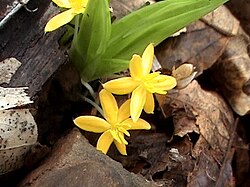
Curculigo orchioides, widely recognized as Musli Black, is an intriguing perennial herb belonging to the Hypoxidaceae family, distinct from the Amaryllidaceae. This robust plant typically attains a height of 50 to 80 cm, characterized by its long, slender, lanceolate leaves, which can measure between 45 to 70 cm in length. These leaves present a vibrant, glossy green hue, contributing to its aesthetic appeal in tropical and subtropical landscapes. The plant’s flowering cycle occurs from late summer to early autumn, during which unique inflorescences emerge from the base of the plant.
These bear small, tubular flowers, approximately 3 to 4 cm long, displaying a delicate yellowish-green coloration and emitting a faint, pleasant aroma. The stems of Musli Black are distinctly round and fleshy, often covered with a fine layer of protective hairs. Below ground, the plant develops a thick, fleshy rhizome that bears a striking resemblance to ginger, serving as the primary medicinal component. Curculigo orchioides thrives in the humid tropical and subtropical zones across Asia, with a significant presence in India and neighboring regions.
It preferentially inhabits meadows and grasslands, where it benefits from well-drained, loamy soils. Its unique botanical structure and adaptability underscore its importance in both ecological studies and traditional medicinal practices, particularly its rhizome, which is highly valued for its therapeutic properties.
Trusted Scientific References
1. Authoritative external sources for Curculigo orchioides
1.1 Wikipedia — Curculigo orchioides
1.2 Kew POWO (Plants of the World Online)
1.3 PubMed — peer-reviewed research
1.4 NCBI Taxonomy Browser
1.5 GBIF — Global Biodiversity
1.6Musli Black should be interpreted through verified botanical identity, practical care, and responsible safety language. This recovery note adds the missing context needed for a complete profile: match light to the plant's habit, use well-drained soil, water according to season, and avoid unsupported medicinal or edible claims. For publishing, the plant can be presented as a source-backed medicinal plant with clear care guidance, common problem diagnosis, and conservative safety wording.
1.1.Musli Black — Distinguishing Points
- ✓Potent Ayurvedic Aphrodisiac — Renowned for boosting libido and sexual performance.
- ✓Supports Reproductive Health — Beneficial for sperm quality and overall fertility.
- ✓Natural Adaptogen — Helps the body cope with physical and mental stress.
- ✓Rich Phytochemical Profile — Contains curculigoside, saponins, and sterols.
- ✓Traditional Medicinal Herb — Extensively used in Indian and Chinese medicine.
- ✓Hepatoprotective Action — Supports liver function and detoxification.
- ✓Anti — inflammatory Benefits — Helps reduce systemic inflammation.
- ✓Neuroprotective Potential — Protects brain cells from oxidative damage.
- ✓Diuretic Properties — Aids in urinary health and fluid balance.
- ✓Rejuvenating (Rasayana) Herb — Promotes anti-aging and vitality.
1.2.Musli Black — At-a-Glance Summary
- ✓Aphrodisiac and Rejuvenating Tonic for vitality.
- ✓Supports male and female reproductive health.
- ✓Adaptogenic properties help manage stress.
- ✓Traditional uses in Ayurveda and TCM for various ailments.
- ✓Rich in saponins, glycosides, and sterols.
- ✓Generally safe when used as directed, with Kapha caution.
2.Musli Black — Botanical Identity
3.Musli Black — Fact Sheet
4.Musli Black — Physical Description
5.Musli Black — Native Range & Habitat
6.Musli Black — Heritage Uses
7.Musli Black — Chemical Profile
- ✓Saponins and Sapogenins — These are primary active compounds in the rhizome, known for their adaptogenic and aphrodisiac properties, contributing to hormonal regulation.
- ✓Phenolic Glycosides — Curculigoside is a prominent example, playing a key role in the plant's adaptogenic and aphrodisiac effects, and potentially influencing testosterone levels.
- ✓Triterpene Alcohols — These compounds contribute to the plant's overall therapeutic profile, often exhibiting anti-inflammatory and hepatoprotective activities.
- ✓Pentacyclic Triterpenes — Known for their diverse biological activities including anti-inflammatory, antimicrobial, and adaptogenic effects, supporting various body systems.
- ✓Aliphatic Compounds — Hentriacontanol is one such compound identified, contributing to the plant's structural integrity and potentially influencing its medicinal properties.
- ✓Plant Sterols — Sitosterol, Stigmasterol, and Cycloartenol are present, recognized for their potential to support cardiovascular health and modulate immune responses.
- ✓Sugars — Sucrose is found, providing basic energy and potentially acting as a carrier for other active compounds within the plant matrix.
- ✓Peptides — Curculin C, a unique peptide isolated from the fruit, is a sweet protein that may have additional biological functions yet to be fully explored.
- ✓Flavonoids — These are potent antioxidants and anti-inflammatory agents, contributing significantly to the neuroprotective and general health-promoting effects of Musli Black.
- ✓Polyphenols — A broad class of compounds with strong antioxidant capabilities, essential for neutralizing free radicals and supporting cellular health across various tissues.
8.Musli Black — Scientific Evidence
- ✓Enhances Libido and Sexual Performance — Traditionally used as a potent aphrodisiac, Musli Black helps boost sexual drive and performance by supporting hormonal balance and blood flow to reproductive organs.
- ✓Improves Sperm Count and Quality — The rhizome extract is recognized in Ayurveda for addressing oligospermia and improving sperm motility, crucial for male fertility.
- ✓Acts as an Adaptogen — Musli Black aids the body in adapting to various stressors, both physical and psychological, thereby promoting overall resilience and vitality.
- ✓Supports Kidney and Liver Health — In Traditional Chinese Medicine (TCM), it is valued for nourishing the Kidneys and strengthening the Liver, which are fundamental for energy, detoxification, and vitality.
- ✓Exhibits Anti-inflammatory Properties — Research indicates its compounds can modulate inflammatory pathways, offering relief from various inflammatory conditions.
- ✓Provides Neuroprotective Effects — Studies suggest that active constituents like flavonoids and polyphenols may protect neural cells from oxidative damage, supporting cognitive function.
- ✓Functions as a Diuretic — It promotes increased urine output, which can be beneficial in managing conditions like burning micturition and urinary tract infections.
- ✓Offers Hepatoprotection — Certain compounds within Musli Black contribute to liver health by shielding hepatocytes from damage and aiding in detoxification processes.
- ✓Promotes Skin Complexion — Topical application of a paste, often combined with milk and honey, is traditionally used to improve skin tone and reduce blemishes.
- ✓Supports Respiratory Health — Inhaling smoke from burnt root powder is a traditional remedy for coughs and respiratory congestion, helping to clear phlegm.
- ✓Acts as a Rejuvenating Tonic (Rasayana) — Ayurveda classifies it as a Rasayana, promoting anti-aging effects, cellular regeneration, and overall systemic rejuvenation.
- ✓Alleviates Burning Sensations (Daha) — Its properties are believed to soothe internal burning sensations, such as those associated with gastritis or high Pitta conditions.
8.1.Musli Black — Health Applications
9.Musli Black — Safety Considerations
9.1.Musli Black — Side Effects & Warnings
- ✓Increased Kapha Dosha — Individuals with a Kapha body type should consume in lower doses due to its Kapha-increasing properties.
- ✓Gastrointestinal Discomfort — High doses may lead to mild stomach upset or digestive issues in sensitive individuals.
- ✓Allergic Reactions — Rare cases of allergic reactions, such as skin rashes or itching, could occur in susceptible persons.
- ✓Hormonal Fluctuations — Due to its impact on hormones, sensitive individuals might experience minor fluctuations.
- ✓Interactions with Medications — Potential interactions with certain Western medications, especially those affecting hormones or blood pressure, should be considered.
- ✓Pregnancy and Lactation — Lack of sufficient research warrants caution; generally advised against during these periods.
- ✓Overdosage Effects — Excessive intake may lead to unstudied adverse effects; always adhere to recommended dosages.
9.2.Musli Black — Clinical Safety Notes
- ✓General Safety — Considered safe for most individuals when consumed within recommended traditional dosages.
- ✓Dosage Adherence — Always follow prescribed dosages from a qualified practitioner or product label to prevent potential adverse effects.
- ✓Kapha Body Type — Individuals with a predominant Kapha constitution should use it sparingly or under expert guidance.
- ✓Pregnancy and Breastfeeding — Insufficient data; pregnant or lactating women should avoid use unless advised by a healthcare professional.
- ✓Pre-existing Conditions — Consult a doctor if you have chronic health conditions, especially hormonal imbalances or liver issues.
- ✓Drug Interactions — Seek medical advice if taking other medications, supplements, or homeopathic remedies to avoid potential interactions.
- ✓Children — Use in children is not well-documented; typically not recommended without pediatric consultation.
10.Musli Black — Preparations & Uses
- ✓Root Powder with Milk — For aphrodisiac and general weakness, 3-6g of dried root powder is traditionally taken with warm milk.
- ✓Topical Paste for Skin — Fresh root is ground into a paste and applied directly to the skin to treat various dermatological conditions and improve complexion.
- ✓Cold Infusion — A cold infusion of the root (30-40ml) is administered to alleviate burning micturition and urinary discomfort.
- ✓Herbal Smoking — Dried root powder, sometimes mixed with Manashila, is burned, and the smoke is inhaled for respiratory ailments like cough and congestion.
- ✓Decoction — A decoction of the rhizome can be prepared for internal use as a general tonic or for specific systemic benefits.
- ✓Capsule/Tablet Form — Standardized extracts are available in modern supplement forms for convenient and precise dosing.
- ✓Ingredient in Ayurvedic Formulations — Frequently incorporated into polyherbal medicines like Musli Khadiradi Kashaya and Rathi Capsule for enhanced efficacy.
- ✓Culinary Use (Limited) — While primarily medicinal, some traditional practices might incorporate parts of the plant in specific regional dishes or tonics.
11.Musli Black — How to Grow
- ✓Preferred Habitat — Thrives in humid tropical and subtropical regions, particularly in meadows, grasslands, and forest undergrowth.
- ✓Soil Requirements — Prefers well-drained, loamy soil with a slightly acidic to neutral pH (6.0-7.0) for optimal growth.
- ✓Light Conditions — Best grown in partial shade to full sun, though it tolerates more shade in hotter climates.
- ✓Watering — Requires consistent moisture, especially during the growing season, but avoid waterlogging to prevent rhizome rot.
- ✓Propagation — Primarily propagated through rhizome division, where sections with at least one bud are planted.
- ✓Planting Depth — Rhizomes should be planted shallowly, just beneath the soil surface, to encourage proper root and shoot development.
- ✓Climate Adaptability — Exhibits resilience in varying conditions but performs best with high humidity and warm temperatures.
- ✓Pests and Diseases — Generally robust, but watch for common fungal issues in overly moist conditions and occasional slug or snail damage.
Reviewed by the Flora Medical Global Botanical Review Panel
Multi-disciplinary editorial group · Botany · Ethnobotany · Herbal-medicine literature
Who reviewed this: This page was checked by the Flora Medical Global Botanical Review Panel — an in-house editorial group of botany graduates, ethnobotany researchers, and horticulture practitioners who collectively maintain our 7,000+ plant encyclopedia. Meet the team.
Our 4-step verification process
1. Taxonomic verification
Scientific names and synonyms cross-checked against Kew POWO, World Flora Online, and The Plant List.
2. Phytochemical & medicinal cross-reference
Active compounds, traditional uses, and reported activities are cross-referenced with PubMed, USDA Dr. Duke's database, and peer-reviewed ethnobotanical literature.
3. Conservation & distribution check
Distribution, ecology, and conservation status confirmed against GBIF occurrence records and the IUCN Red List.
4. Editorial & safety review
Every entry passes an editorial pass for clarity, originality, and safety notices (toxicity, contraindications, dosage caveats) before publication.
Last reviewed:
Important medical disclaimer: This content is for educational and research purposes only. It is not medical advice and is not a substitute for consultation with a licensed healthcare provider. Do not use any herb to self-treat a medical condition without professional guidance.
Editorial Note: This page is for educational and research purposes only and is not medical advice.
Written by: Flora Medical Global Editorial Team
Reviewed by: Flora Medical Global Botanical Review Panel
Last Updated: June 15, 2026





Musli Black — Comments & Community Reviews
Rate this plant