


Medical Disclaimer: This content is for educational purposes only. It is not medical advice. Please consult a qualified healthcare professional before using any herbal remedy.
Safety Overview
1.Nagarmoth (Nut Sedge) — Plant Snapshot
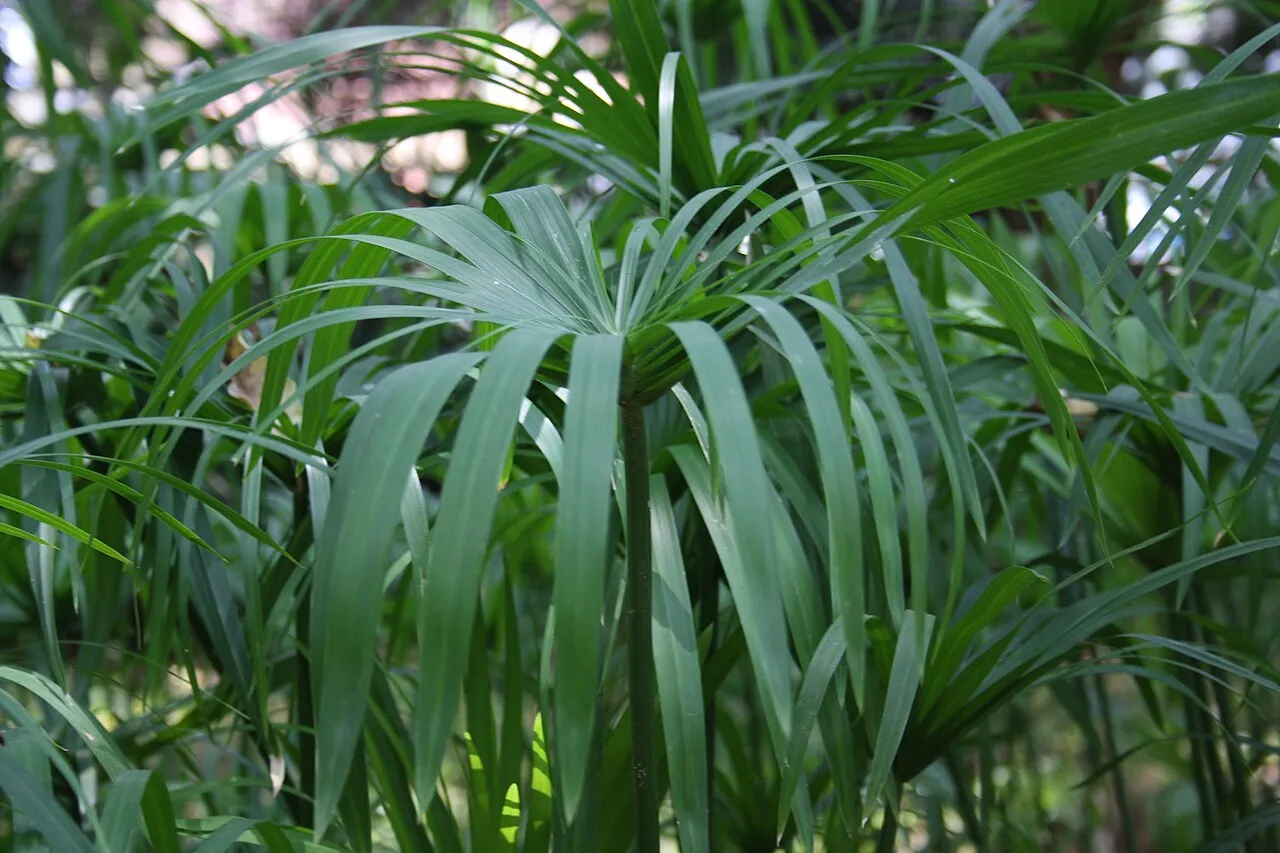
Nagarmoth, scientifically known as Cyperus scariosus, is a resilient perennial herb belonging to the diverse Cyperaceae family, commonly recognized as the sedge family. This species is predominantly found flourishing in tropical and subtropical climates, with a significant presence across India, where it is highly esteemed in traditional medicine. The plant typically reaches heights of 30 to 90 centimeters and is characterized by its distinctive morphology. Its root system is comprised of extensive, creeping rhizomes that are notably tuberous and highly aromatic.
These rhizomes serve as the primary storage organs and are the most medicinally valued part of the plant due to their concentration of bioactive compounds. Above ground, Cyperus scariosus produces slender, triangular stems, a characteristic feature of many sedges, along with narrow, linear leaves that emanate from the base and along the stem. The plant flowers in dense, spike-like inflorescences, typically greenish-brown, producing small, inconspicuous florets. It thrives in moist, well-drained loamy soils and is often found in marshy areas, riverbanks, and open grasslands.
Its robust nature allows it to colonize various disturbed habitats, making it a widespread and accessible botanical resource in its native regions. The rich, earthy fragrance of its tubers is a key identifier and contributes to its use in perfumery and aromatherapy, in addition to its profound medicinal applications.
Trusted Scientific References
1. Authoritative external sources for Cyperus scariosus
1.1 Wikipedia — Cyperus scariosus
1.2 Kew POWO (Plants of the World Online)
1.3 PubMed — peer-reviewed research
1.4 NCBI Taxonomy Browser
1.5 GBIF — Global Biodiversity
1.6Nagarmoth (Nut Sedge) should be interpreted through verified botanical identity, practical care, and responsible safety language. This recovery note adds the missing context needed for a complete profile: match light to the plant's habit, use well-drained soil, water according to season, and avoid unsupported medicinal or edible claims. For publishing, the plant can be presented as a source-backed medicinal plant with clear care guidance, common problem diagnosis, and conservative safety wording.
1.1.Nagarmoth (Nut Sedge) — Defining Traits
- ✓Aromatic Rhizomes — The primary medicinal part, highly fragrant and rich in essential oils.
- ✓Perennial Herb — Resilient and long-lived, typical of the Cyperaceae family.
- ✓Traditional Medicine Staple — Deeply integrated into Ayurvedic, Unani, and Siddha systems.
- ✓Versatile Therapeutic Actions — Known for anti-inflammatory, digestive, and antimicrobial properties.
- ✓Rich Phytochemistry — Contains a complex array of essential oils, flavonoids, and terpenoids.
- ✓Global Distribution — Primarily found in tropical and subtropical regions, especially India.
- ✓Sustainable Cultivation Potential — Can be propagated easily from rhizomes.
- ✓Distinctive Fragrance — Valued in perfumery and aromatherapy for its earthy, woody scent.
- ✓Supports Digestive Health — A prominent carminative and digestive stimulant.
- ✓Skin and Respiratory Aid — Applied topically for skin issues and used internally for breathing comfort.
1.2.Nagarmoth (Nut Sedge) — Snapshot Summary
- ✓Nagarmoth (Cyperus scariosus) is a revered Ayurvedic herb known for its aromatic rhizomes.
- ✓It offers significant digestive, anti-inflammatory, and antimicrobial benefits.
- ✓Key chemical constituents include cyperene, cyperol, and various flavonoids.
- ✓Used traditionally for digestive disorders, skin issues, and as a general tonic.
- ✓Available in powder, decoction, essential oil, and topical paste forms.
- ✓Requires careful dosage and professional consultation, especially for pregnant women.
2.Nagarmoth (Nut Sedge) — Taxonomic Classification
3.Nagarmoth (Nut Sedge) — Botanical Stats
4.Nagarmoth (Nut Sedge) — Plant Morphology
5.Nagarmoth (Nut Sedge) — Geographic Distribution
6.Nagarmoth (Nut Sedge) — Ethnobotanical Uses
7.Nagarmoth (Nut Sedge) — Bioactive Constituents
- ✓Essential Oils — The tuberous rhizomes are exceptionally rich in volatile essential oils, with key compounds including cyperene, alpha-copaene, cyperol, cyperolone, isocyperol, and patchoulenone, which are responsible for its distinctive aroma and many therapeutic actions like anti-inflammatory and antimicrobial effects.
- ✓Flavonoids — A diverse group of polyphenolic compounds such as quercetin and kaempferol are present, offering potent antioxidant and anti-inflammatory benefits, protecting cells from oxidative stress.
- ✓Terpenoids — Beyond the essential oil components, other terpenoids contribute to its pharmacological profile, including triterpenes, which often possess anti-inflammatory and hepatoprotective activities.
- ✓Alkaloids — Although typically in smaller concentrations, various alkaloids may contribute to the plant's overall medicinal effects, often influencing neurological or physiological pathways.
- ✓Tannins — These astringent compounds are known for their antioxidant properties and ability to precipitate proteins, which can contribute to antimicrobial and wound-healing actions.
- ✓Saponins — Nagarmoth contains saponins, which are glycosides that can have various effects including anti-inflammatory, cholesterol-lowering, and immune-modulating properties.
- ✓Glycosides — Various glycosides, including cardiac glycosides and phenolic glycosides, are present, contributing to a range of biological activities, from cardioprotection to anti-inflammatory effects.
- ✓Sesquiterpenes — Cyperene and alpha-copaene are prominent sesquiterpenes, known for their significant anti-inflammatory, antimicrobial, and insecticidal properties.
- ✓Phytosterols — Compounds like beta-sitosterol are found, which are known for their cholesterol-lowering and anti-inflammatory effects, supporting cardiovascular health.
- ✓Fatty Acids — The rhizomes contain various fatty acids, which are important for cell membrane integrity and can have anti-inflammatory and emollient properties.
8.Nagarmoth (Nut Sedge) — Research Insights
- ✓Anti-inflammatory — Nagarmoth rhizomes contain compounds like cyperene and cyperol that exhibit significant anti-inflammatory properties, potentially mitigating swelling and pain associated with various conditions.
- ✓Digestive Aid — Traditionally used to alleviate indigestion, bloating, and flatulence, Cyperus scariosus acts as a carminative and digestive stimulant, promoting healthy gastrointestinal function.
- ✓Diuretic Action — The plant possesses diuretic properties, aiding in increased urine output, which can support kidney health and help flush out toxins from the body.
- ✓Anthelmintic — Nagarmoth is traditionally employed to combat intestinal worms and parasitic infections, owing to its potential to create an unfavorable environment for parasites.
- ✓Analgesic Effects — Certain constituents contribute to its pain-relieving capabilities, making it useful in managing various forms of bodily discomfort and aches.
- ✓Antioxidant Activity — Rich in flavonoids and terpenoids, Nagarmoth helps neutralize harmful free radicals, protecting cells from oxidative damage and supporting overall cellular health.
- ✓Antimicrobial Properties — Extracts from Cyperus scariosus have demonstrated inhibitory effects against various bacteria and fungi, suggesting its role in combating infections.
- ✓Hepatoprotective — Traditional uses and preliminary research indicate that Nagarmoth may support liver health by protecting against damage and promoting detoxification processes.
- ✓Skin Health Support — Its anti-inflammatory and antimicrobial actions make it beneficial for addressing various skin ailments, including rashes, itching, and minor infections.
- ✓Respiratory Support — In traditional systems, Nagarmoth is utilized to ease respiratory discomforts, potentially by reducing inflammation and acting as an expectorant.
- ✓Menstrual Health — It is traditionally used to help regulate menstrual cycles and alleviate associated discomforts, such as pain and heavy bleeding, due to its balancing effects.
8.1.Nagarmoth (Nut Sedge) — Conditions Traditionally Used For
9.Nagarmoth (Nut Sedge) — Risk Profile
9.1.Nagarmoth (Nut Sedge) — Caution Notes
- ✓Gastrointestinal Upset — Some individuals may experience mild digestive discomfort, such as nausea or stomach upset, especially with high doses.
- ✓Allergic Reactions — Rare instances of allergic reactions, including skin rashes or itching, may occur in sensitive individuals upon topical or internal use.
- ✓Constipation — While generally a digestive aid, excessive consumption might, in some cases, lead to constipation due to its astringent properties.
- ✓Interaction with Medications — Potential interactions with certain medications, particularly blood thinners or diabetes drugs, warrant caution.
- ✓Hypotension — Very high doses could theoretically contribute to a temporary drop in blood pressure, especially in sensitive individuals.
- ✓Pregnancy and Lactation — Lack of sufficient safety data advises against its use by pregnant or breastfeeding women.
9.2.Nagarmoth (Nut Sedge) — Toxicity Assessment
- ✓Consultation Required — Always consult a qualified healthcare professional or medical herbalist before using Nagarmoth, especially if you have pre-existing conditions or are on medication.
- ✓Dosage Adherence — Adhere strictly to recommended dosages to minimize the risk of adverse effects; higher doses do not necessarily equate to greater efficacy.
- ✓Quality Sourcing — Ensure that Nagarmoth products are sourced from reputable suppliers to guarantee purity and prevent contamination or adulteration.
- ✓Patch Test — For topical applications, perform a patch test on a small skin area to check for any allergic reactions before widespread use.
- ✓Avoid During Pregnancy/Lactation — Due to insufficient safety data, pregnant and breastfeeding women should avoid Nagarmoth preparations.
- ✓Pediatric Use — Not recommended for infants or young children without explicit medical guidance.
- ✓Long-Term Use — Exercise caution with prolonged, continuous use; periodic breaks are often advisable with potent herbal remedies.
10.Nagarmoth (Nut Sedge) — Application Forms
- ✓Powder — Dried Nagarmoth rhizomes are ground into a fine powder, which can be consumed with water, honey, or mixed into herbal formulations for internal use.
- ✓Decoction — A decoction is prepared by boiling crushed rhizomes in water, then straining, used for internal consumption to address digestive issues or as a general tonic.
- ✓Essential Oil — The volatile oil extracted from the rhizomes is used in aromatherapy, topical applications (diluted), or as an ingredient in cosmetic and perfumery products.
- ✓Paste — A paste made from fresh or powdered rhizomes mixed with water or other carriers is applied topically to skin ailments, wounds, or inflammatory areas.
- ✓Herbal Infusion — For milder effects, finely chopped rhizomes can be steeped in hot water to create a soothing herbal tea, often combined with other digestive herbs.
- ✓Medicated Oil — Nagarmoth is infused into carrier oils (like sesame or coconut oil) to create medicated oils used for massage, particularly for pain relief and skin conditions.
- ✓Incense — The dried rhizomes are sometimes burned as incense, particularly in traditional settings, for their aromatic and purifying properties.
11.Nagarmoth (Nut Sedge) — Propagation & Care
- ✓Propagation — Nagarmoth is primarily propagated through its rhizomes, which can be divided and replanted, ensuring genetic consistency and faster establishment.
- ✓Soil Requirements — It thrives best in well-drained, fertile loamy soil with a pH ranging from slightly acidic to neutral (6.0-7.5), ensuring optimal nutrient uptake.
- ✓Climate Preference — This plant requires a warm, tropical to subtropical climate, with ample sunlight and consistent moisture for robust growth.
- ✓Water Management — Regular watering is crucial, especially during dry periods, to maintain consistently moist soil, but without waterlogging, which can lead to rhizome rot.
- ✓Nutrient Supply — Incorporating organic matter, such as compost or well-rotted manure, enriches the soil and provides essential nutrients for healthy development.
- ✓Pest and Disease Control — While generally hardy, monitoring for common sedge pests and fungal issues is important; organic pest control methods are preferred for medicinal crops.
- ✓Harvesting — The aromatic tuberous rhizomes are typically harvested after 6-8 months of growth, usually when the foliage begins to yellow, indicating maturity.
- ✓Post-Harvest — After harvesting, rhizomes are cleaned, dried in shade, and stored in airtight containers to preserve their essential oil content and medicinal potency.
Reviewed by the Flora Medical Global Botanical Review Panel
Multi-disciplinary editorial group · Botany · Ethnobotany · Herbal-medicine literature
Who reviewed this: This page was checked by the Flora Medical Global Botanical Review Panel — an in-house editorial group of botany graduates, ethnobotany researchers, and horticulture practitioners who collectively maintain our 7,000+ plant encyclopedia. Meet the team.
Our 4-step verification process
1. Taxonomic verification
Scientific names and synonyms cross-checked against Kew POWO, World Flora Online, and The Plant List.
2. Phytochemical & medicinal cross-reference
Active compounds, traditional uses, and reported activities are cross-referenced with PubMed, USDA Dr. Duke's database, and peer-reviewed ethnobotanical literature.
3. Conservation & distribution check
Distribution, ecology, and conservation status confirmed against GBIF occurrence records and the IUCN Red List.
4. Editorial & safety review
Every entry passes an editorial pass for clarity, originality, and safety notices (toxicity, contraindications, dosage caveats) before publication.
Last reviewed:
Important medical disclaimer: This content is for educational and research purposes only. It is not medical advice and is not a substitute for consultation with a licensed healthcare provider. Do not use any herb to self-treat a medical condition without professional guidance.
Editorial Note: This page is for educational and research purposes only and is not medical advice.
Written by: Flora Medical Global Editorial Team
Reviewed by: Flora Medical Global Botanical Review Panel
Last Updated: June 15, 2026





Nagarmoth (Nut Sedge) — Comments & Community Reviews
Rate this plant