


Medical Disclaimer: This content is for educational purposes only. It is not medical advice. Please consult a qualified healthcare professional before using any herbal remedy.
Safety Overview
1.Nagbala (Snake Mallow) — Botanical Snapshot
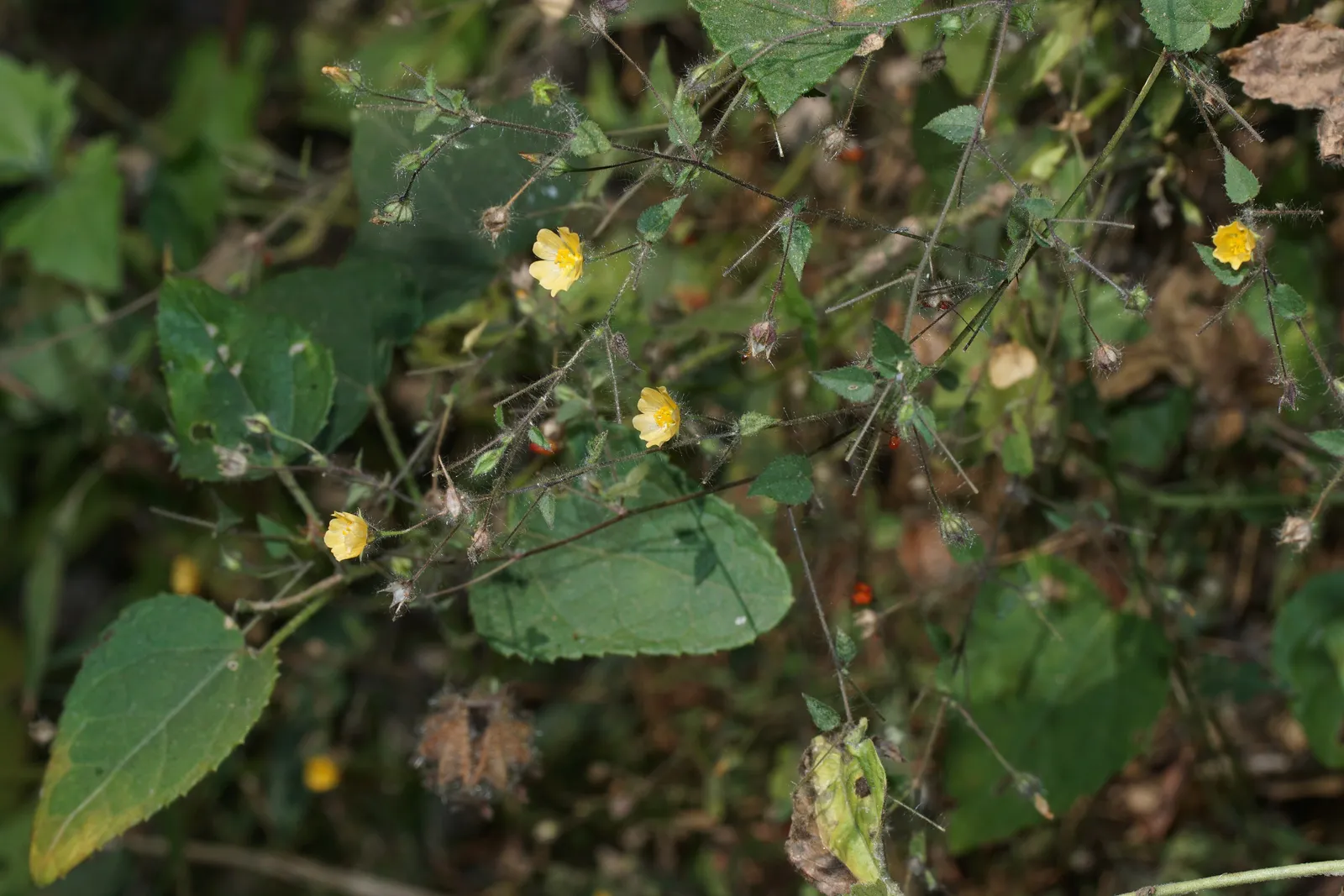
Nagbala, scientifically known as Sida veronicifolia, is a small, perennial herbaceous plant belonging to the Malvaceae family, commonly referred to as the mallow family. This resilient herb thrives in diverse tropical and subtropical climates across the globe, with a notable presence in regions like India, Sri Lanka, Thailand, and Vietnam. It is characterized by its slender, often hairy stems that can sprawl or grow erect, typically reaching modest heights.
The leaves are a distinctive feature, generally cordate (heart-shaped) to ovate, with finely toothed margins and a somewhat rough texture due to sparse hairiness. Nagbala produces solitary, axillary flowers that are usually small and delicate, exhibiting hues of yellow or orange, which gradually fade to brown upon maturity. These flowers give way to small, yellow, disc-shaped fruits containing brown seeds.
Often found growing as a tenacious weed in cultivated fields, along roadsides, and in other disturbed waste places, Sida veronicifolia demonstrates a remarkable adaptability to various soil types, from rich loamy soils to stony and hilly terrains. Its widespread distribution and hardiness contribute to its accessibility and long-standing use in traditional medicine systems, particularly Ayurveda, where it is revered for its multifaceted therapeutic properties.
Trusted Scientific References
1. Authoritative external sources for Sida veronicifolia
1.1 Wikipedia — Sida veronicifolia
1.2 Kew POWO (Plants of the World Online)
1.3 PubMed — peer-reviewed research
1.4 NCBI Taxonomy Browser
1.5 GBIF — Global Biodiversity
1.6Nagbala (Snake Mallow) should be interpreted through verified botanical identity, practical care, and responsible safety language. This recovery note adds the missing context needed for a complete profile: match light to the plant's habit, use well-drained soil, water according to season, and avoid unsupported medicinal or edible claims. For publishing, the plant can be presented as a source-backed medicinal plant with clear care guidance, common problem diagnosis, and conservative safety wording.
1.1.Nagbala (Snake Mallow) — Highlights
- ✓Rasayana Herb — Recognized in Ayurveda for its rejuvenating and anti-aging properties.
- ✓Nervine Tonic — Supports brain health, calms nerves, and helps manage stress.
- ✓Aphrodisiac Action — Enhances sexual desire and addresses male and female fertility concerns.
- ✓Anti — inflammatory — Reduces pain and inflammation, beneficial for rheumatic conditions.
- ✓Digestive Aid — Soothes gastrointestinal issues and improves digestive function.
- ✓Respiratory Support — Helps clear congestion and eases breathing difficulties.
- ✓Cardiac Health — Strengthens heart muscles and promotes healthy blood circulation.
- ✓Immune Modulator — Boosts overall immunity and provides strength against debility.
- ✓Vata & Pitta Balancer — Effectively pacifies imbalances of these crucial Ayurvedic doshas.
- ✓Adaptable Growth — Thrives in diverse tropical and subtropical environments.
1.2.Nagbala (Snake Mallow) — In Brief
- ✓Nagbala (Sida veronicifolia) is a revered Ayurvedic herb known for its Rasayana properties.
- ✓It acts as a powerful nervine tonic, aphrodisiac, and anti-inflammatory agent.
- ✓Widely used for neurological, respiratory, digestive, and reproductive health.
- ✓Rich in alkaloids, flavonoids, and fatty acids, contributing to its diverse benefits.
- ✓Balances Vata and Pitta doshas, promoting overall well-being and immunity.
- ✓Requires cautious use during pregnancy and with certain medications.
2.Nagbala (Snake Mallow) — Nomenclature & Classification
3.Nagbala (Snake Mallow) — Vital Statistics
4.Nagbala (Snake Mallow) — Physical Description
5.Nagbala (Snake Mallow) — Ecological Habitat
6.Nagbala (Snake Mallow) — Folk Medicine Applications
7.Nagbala (Snake Mallow) — Chemical Profile
- ✓Alkaloids — Key compounds like ephedrine, pseudoephedrine, cryptolepine, and quinazoline alkaloids are present, contributing to its nervine tonic, stimulant, and anti-inflammatory actions.
- ✓Flavonoids — A diverse group of polyphenolic compounds, including gossypol, which exhibit significant antioxidant, anti-inflammatory, and cardioprotective activities.
- ✓Steroids — Phyto-steroids are found, which may contribute to the plant's adaptogenic, anti-inflammatory, and hormonal balancing effects.
- ✓Fatty Acids — Essential fatty acids such as linoleic acid and sterculic acid are present, playing roles in cellular health, inflammation modulation, and overall metabolic function.
- ✓Mucilage — Polysaccharide compounds that provide demulcent and soothing properties, beneficial for digestive and respiratory tract irritation.
- ✓Β-Phenethylamines — These compounds are structurally related to neurotransmitters and can contribute to the plant's nervine and stimulating effects.
- ✓Saponins — Natural glycosides that may possess expectorant, anti-inflammatory, and immune-modulating properties.
- ✓Tannins — Astringent compounds that contribute to wound healing and anti-diarrheal effects through their protein-binding capabilities.
8.Nagbala (Snake Mallow) — Pharmacological Findings
- ✓Nervine Tonic — Nagbala is traditionally valued for its neuroprotective properties, helping to strengthen, calm, and stimulate the nervous system, which may aid in managing stress, anxiety, and improving cognitive functions.
- ✓Digestive Health Support — With its cooling and demulcent effects, Sida veronicifolia assists in pacifying Vata and Pitta doshas, offering relief from peptic disorders, gastritis, indigestion, constipation, bloating, and heartburn.
- ✓Respiratory System Aid — This herb is beneficial in addressing respiratory complications such as cough, dyspnea, and hoarseness, by facilitating the clearance of mucus and phlegm from air passages and easing breathing difficulties.
- ✓Aphrodisiac & Reproductive Enhancer — Known for its aphrodisiac qualities, Nagbala can enhance libido and sexual desire, making it useful in traditional approaches to infertility and general sexual debility.
- ✓Urinary Tract Health — Its diuretic and antimicrobial properties support urinary tract health by promoting the expulsion of microorganisms and alleviating symptoms like burning sensation, painful urination, and pelvic discomfort.
- ✓General Debility & Immunity — Nagbala acts as a potent Rasayana (rejuvenator), providing strength to the body, combating general debility, and significantly boosting the body's natural immune response.
- ✓Fetus Stabilizing Properties — In traditional medicine, this herb is recognized for its ability to nourish and stabilize the fetus, contributing to its proper growth and development during pregnancy.
- ✓Wound Healing — The roots and leaves of Nagbala possess properties that aid in the healing of wounds and are traditionally applied to manage bleeding disorders.
- ✓Female Reproductive Wellness — It offers benefits for uterine fibroids, ovarian cysts, and Polycystic Ovarian Syndrome (PCOS) by potentially reducing the size of growths and mitigating associated pain through its anti-inflammatory action.
- ✓Cardiovascular Support — Nagbala helps strengthen heart muscles, dilate blood vessels to ensure good blood flow, and contributes to maintaining healthy cholesterol levels (reducing LDL and increasing HDL) and stable blood pressure.
8.1.Nagbala (Snake Mallow) — Conditions Traditionally Used For
9.Nagbala (Snake Mallow) — Safety & Side Effects
9.1.Nagbala (Snake Mallow) — Possible Adverse Reactions
- ✓Digestive Discomfort — High doses may lead to mild gastrointestinal upset, including constipation or loose stools, due to its varied effects on digestion.
- ✓Hypotension Risk — Compounds that dilate blood vessels could potentially lower blood pressure, especially in individuals prone to hypotension or on antihypertensive medication.
- ✓Sedation — As a nervine tonic, excessive intake might lead to mild sedative effects in some sensitive individuals.
- ✓Allergic Reactions — Though rare, individuals sensitive to plants in the Malvaceae family may experience allergic reactions such as skin rash or itching.
- ✓Interaction with Medications — Potential interactions with blood pressure medications, sedatives, or other drugs due to its active constituents are possible.
- ✓Hormonal Imbalance — Given its traditional use in reproductive health, it might influence hormonal pathways, requiring caution in those with pre-existing hormonal conditions.
9.2.Nagbala (Snake Mallow) — Risk Assessment
- ✓Pregnancy & Lactation — Due to its fetus-stabilizing properties and lack of extensive safety data, use during pregnancy and lactation should be under strict medical supervision.
- ✓Children — The safety of Nagbala in young children has not been thoroughly established; consultation with a pediatrician is advised before use.
- ✓Pre-existing Conditions — Individuals with chronic health conditions, especially cardiovascular issues, hypertension, or neurological disorders, should consult a healthcare professional.
- ✓Drug Interactions — Caution is advised when co-administering with prescription medications, particularly those affecting blood pressure, heart rate, or the central nervous system.
- ✓Dosage Adherence — Adhere strictly to recommended dosages, as excessive intake may lead to adverse effects or potentiate drug interactions.
- ✓Allergic Sensitivity — Individuals with known allergies to Sida species or other Malvaceae family plants should exercise caution.
- ✓Long-term Use — For prolonged use, periodic medical review is recommended to monitor for any subtle long-term effects.
10.Nagbala (Snake Mallow) — Preparations & Uses
- ✓Root Powder (Mula Churna) — The dried and powdered roots are commonly consumed, with a typical dosage ranging from 5-10 grams, often mixed with honey or warm water.
- ✓Decoction (Kwatha) — A decoction prepared from the whole plant or specific parts like roots can be taken in doses of 40-80 ml, usually twice daily.
- ✓Fruit Consumption (Phala) — The fruits, when processed, can be used in formulations, with a recommended intake of 3-6 grams.
- ✓Flower Preparations (Puspa) — Flowers are occasionally used, typically in powdered form, at a dosage of 3-6 grams for specific therapeutic applications.
- ✓Whole Plant Powder (Pancanga Churna) — A powder made from all five parts of the plant (root, stem, leaf, flower, fruit) is used in a dosage of 3-6 grams.
- ✓External Application — Pastes made from fresh leaves or roots are applied topically for wound healing, pain relief, and inflammatory conditions.
- ✓Herbal Formulations — Nagbala is a component in various Ayurvedic polyherbal formulations, where its properties are synergized with other herbs to address complex conditions.
11.Nagbala (Snake Mallow) — Cultivation & Care
- ✓Propagation — Nagbala can be effectively propagated through both seeds and stem cuttings, offering flexibility for cultivation.
- ✓Climate Preference — This plant thrives best in warm, tropical, and subtropical climates, requiring ample sunlight for optimal growth.
- ✓Soil Requirements — It prefers well-drained loamy soil but demonstrates remarkable adaptability, capable of growing in stony and hilly regions.
- ✓PH Level — A slightly acidic to neutral soil pH (6.0-7.0) is generally conducive for its healthy development and nutrient uptake.
- ✓Water Needs — While somewhat drought-tolerant once established, consistent moderate watering is essential during its initial growth phases to ensure robust development.
- ✓Sunlight Exposure — Full sun exposure is ideal for Nagbala, promoting vigorous growth and higher concentrations of active medicinal compounds.
- ✓Pest and Disease Management — Generally a hardy plant, minimal pest and disease issues are observed; however, good agricultural practices help maintain plant health.
Reviewed by the Flora Medical Global Botanical Review Panel
Multi-disciplinary editorial group · Botany · Ethnobotany · Herbal-medicine literature
Who reviewed this: This page was checked by the Flora Medical Global Botanical Review Panel — an in-house editorial group of botany graduates, ethnobotany researchers, and horticulture practitioners who collectively maintain our 7,000+ plant encyclopedia. Meet the team.
Our 4-step verification process
1. Taxonomic verification
Scientific names and synonyms cross-checked against Kew POWO, World Flora Online, and The Plant List.
2. Phytochemical & medicinal cross-reference
Active compounds, traditional uses, and reported activities are cross-referenced with PubMed, USDA Dr. Duke's database, and peer-reviewed ethnobotanical literature.
3. Conservation & distribution check
Distribution, ecology, and conservation status confirmed against GBIF occurrence records and the IUCN Red List.
4. Editorial & safety review
Every entry passes an editorial pass for clarity, originality, and safety notices (toxicity, contraindications, dosage caveats) before publication.
Last reviewed:
Important medical disclaimer: This content is for educational and research purposes only. It is not medical advice and is not a substitute for consultation with a licensed healthcare provider. Do not use any herb to self-treat a medical condition without professional guidance.
Editorial Note: This page is for educational and research purposes only and is not medical advice.
Written by: Flora Medical Global Editorial Team
Reviewed by: Flora Medical Global Botanical Review Panel
Last Updated: June 15, 2026





Nagbala (Snake Mallow) — Comments & Community Reviews
Rate this plant