

Medical Disclaimer: This content is for educational purposes only. It is not medical advice. Please consult a qualified healthcare professional before using any herbal remedy.
Safety Overview
1.Nemophila Menziesii — Essential Profile
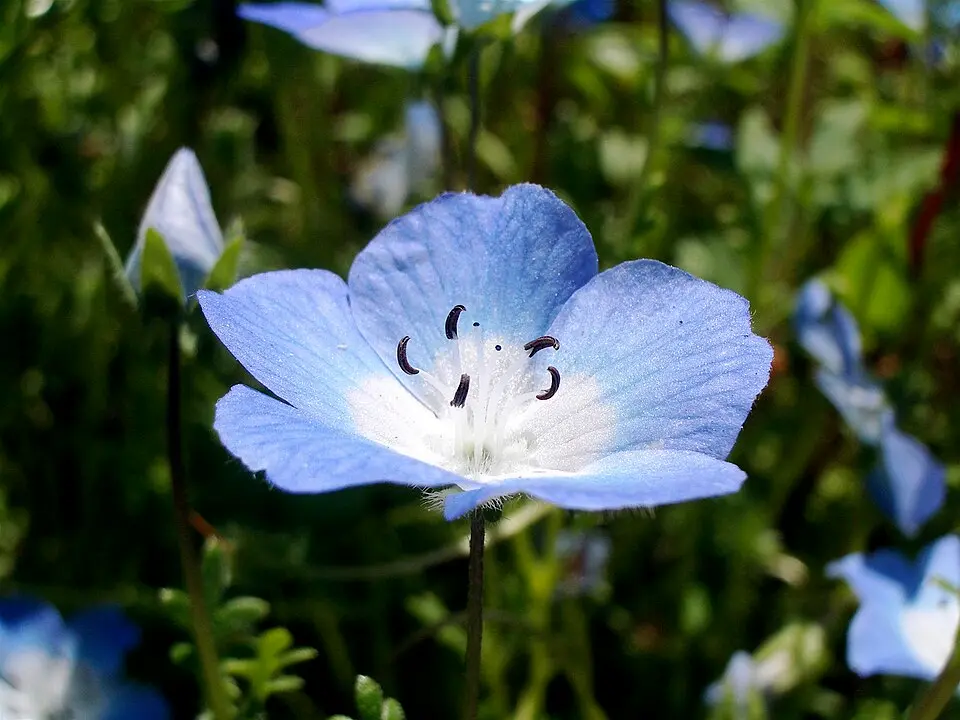
Nemophila Menziesii, universally cherished as Baby Blue Eyes, is a captivating annual wildflower indigenous to the sun-drenched landscapes of California and the coastal regions of Oregon. This low-growing herbaceous plant is renowned for its delicate, cup-shaped blossoms, which typically unfurl in a brilliant sky-blue hue, often accentuated by a contrasting pristine white center. Floral variations include speckling or deeper shades of blue, adding to its visual diversity.
The plant forms a dense, verdant mat of finely dissected, fern-like leaves that are deeply lobed, making it an exceptional choice for naturalistic ground cover, intricate rock gardens, and soft garden borders. Blooming profusely throughout the spring season, Nemophila Menziesii creates a breathtaking carpet of blue that serves as a vital magnet for a myriad of pollinators, including various species of native bees and butterflies. Its characteristic rapid growth cycle and relatively short annual lifespan contribute to its popularity as a source of vibrant seasonal color in temperate climates.
Taxonomically, it belongs to the genus Nemophila, a member of the Hydrophyllaceae family, sometimes now grouped within Boraginaceae, reflecting its botanical relationships. The species also encompasses notable varieties such as Nemophila Menziesii var. atomaria, which presents white corollas dotted with distinct black or dark blue spots.
Trusted Scientific References
1. Authoritative external sources for Nemophila Menziesii
1.1 Wikipedia — Nemophila Menziesii
1.2 Kew POWO (Plants of the World Online)
1.3 PubMed — peer-reviewed research
1.4 NCBI Taxonomy Browser
1.5 GBIF — Global Biodiversity
1.6Nemophila Menziesii should be interpreted through verified botanical identity, practical care, and responsible safety language. This recovery note adds the missing context needed for a complete profile: match light to the plant's habit, use well-drained soil, water according to season, and avoid unsupported medicinal or edible claims. For publishing, the plant can be presented as a source-backed garden plant with clear care guidance, common problem diagnosis, and conservative safety wording.
1.1.Nemophila Menziesii — Highlights
- ✓Common Name — Baby Blue Eyes
- ✓Scientific Name — Nemophila Menziesii
- ✓Plant Type — Annual Wildflower
- ✓Native Range — California and Oregon
- ✓Flower Color — Sky-blue with white center (variations exist)
- ✓Growth Habit — Low-growing, mat-forming ground cover
- ✓Bloom Time — Profuse spring bloomer
- ✓Pollinator Attractor — Attracts bees and butterflies
- ✓Cultivation — Easy to grow from seed, readily self-seeds
- ✓Primary Use — Ornamental, ecological, and horticultural therapy
1.2.Nemophila Menziesii — At-a-Glance Summary
- ✓Native California Wildflower — Celebrated for its delicate, sky-blue flowers and fern-like foliage, originating from Western North America.
- ✓Ornamental Value — Primarily cultivated for its exceptional aesthetic appeal in gardens, containers, and as vibrant ground cover.
- ✓Pollinator Magnet — Highly effective in attracting native bees and butterflies, playing a crucial role in supporting local biodiversity.
- ✓Easy to Grow — Thrives readily from seed in cool weather with full sun to partial shade and well-draining soil, often self-seeding.
- ✓Minimal Medicinal Documentation — Lacks traditional or scientific evidence for direct medicinal use; valued predominantly for aesthetic and ecological benefits.
- ✓Mood Enhancer — Its inherent beauty is often associated with evoking feelings of joy and tranquility, offering psychological well-being through visual engagement.
2.Nemophila Menziesii — Scientific Identity
3.Nemophila Menziesii — Key Data
4.Nemophila Menziesii — Botanical Features
5.Nemophila Menziesii — Native Range & Habitat
6.Nemophila Menziesii — Traditional Uses
7.Nemophila Menziesii — Chemical Profile
- ✓Anthocyanins — Water-soluble flavonoid pigments, primarily delphinidin derivatives, responsible for the plant's characteristic blue coloration; in other plants, they are known for potent antioxidant and anti-inflammatory potential.
- ✓Flavonoids — A diverse group of polyphenolic compounds such as quercetin and luteolin, universally present in flowering plants, often associated with antioxidant, anti-inflammatory, and potentially neuroprotective activities.
- ✓Organic Acids — Various carboxylic acids including malic acid and citric acid, common in plant metabolism, contributing to cellular respiration, pH regulation, and potentially offering mild astringent properties.
- ✓Polysaccharides — Complex carbohydrates involved in cellular structural support and energy storage, which can sometimes exhibit immunomodulatory or prebiotic effects in other botanical contexts, though not studied here.
- ✓Terpenoids — A broad class of organic compounds, including trace amounts of monoterpenes and sesquiterpenes, which contribute to subtle plant aroma and defense mechanisms, potentially holding diverse biological activities.
- ✓Phenolic Acids — Derivatives of benzoic and cinnamic acids, such as caffeic acid, common plant defense compounds with documented antioxidant and antimicrobial properties in many plant species.
- ✓Fatty Acids — Essential components of cell membranes and energy storage, present in seeds, which contribute to overall plant health and, in other botanical oils, to nutritional value.
- ✓Alkaloids (Trace) — While not a primary constituent, trace amounts of nitrogen-containing compounds may be present, which in other plants can possess potent pharmacological effects requiring further investigation for Nemophila Menziesii.
- ✓Carotenoids — Pigments like lutein and beta-carotene, often co-occurring with anthocyanins, contributing to subtle yellow or orange undertones and acting as antioxidants within the plant.
8.Nemophila Menziesii — Pharmacological Findings
- ✓Mood Upliftment — The vibrant blue hues and delicate form of Baby Blue Eyes are widely observed to evoke feelings of joy, tranquility, and aesthetic pleasure, potentially supporting emotional well-being and reducing mild stress through a positive sensory experience.
- ✓Environmental Enhancement — As a significant pollinator attractor, Nemophila Menziesii supports local biodiversity and ecosystem health by providing abundant nectar and pollen, indirectly contributing to human well-being through a healthy environment.
- ✓Potential Antioxidant Activity — While not extensively studied, the presence of anthocyanins and flavonoids suggests a hypothetical capacity for neutralizing free radicals, a common property across many flowering plants and a basis for numerous health benefits.
- ✓Mild Aesthetic Therapy — Engaging with the beauty of Baby Blue Eyes in a garden setting can serve as a form of aesthetic therapy, promoting relaxation and mindfulness, which are beneficial for mental health.
- ✓Horticultural Engagement Support — Cultivating Nemophila Menziesii offers an accessible and rewarding gardening experience, known to improve mood, reduce anxiety, and foster a sense of accomplishment and connection with nature.
- ✓Calming Visual Stimulus — The gentle, swaying movement of its flowers in a breeze, coupled with their soft coloration, provides a calming visual stimulus that can aid in reducing environmental and psychological tension.
- ✓Support for Outdoor Activity — Its undeniable charm encourages individuals to spend more time outdoors, which is associated with numerous health benefits, including improved cardiovascular health and enhanced vitamin D synthesis.
- ✓Hypothetical Anti-inflammatory Properties — Based on the general presence of flavonoids and other phenolic compounds, there is a theoretical potential for mild anti-inflammatory effects, though specific research on this species is lacking.
- ✓Minor Skin Soothing (Speculative) — Some plants with similar leaf chemistry can offer mild astringency; hypothetically, a gentle infusion might offer soothing for minor skin irritations, but this is entirely speculative for Nemophila Menziesii.
- ✓Connection to Nature — Fosters a deeper connection to natural cycles and local flora, which is increasingly recognized for its positive impact on psychological and spiritual well-being.
8.1.Nemophila Menziesii — Reported Uses
9.Nemophila Menziesii — Cautions & Contraindications
9.1.Nemophila Menziesii — Reported Side Effects
- ✓Allergic Reactions — As with any plant, individuals sensitive to pollen or plant sap might experience mild allergic contact dermatitis or respiratory irritation from airborne pollen, though this is rare.
- ✓Horticultural Irritation — Minor skin irritation may occur in individuals with very sensitive skin upon prolonged direct contact with plant foliage, though it is not known to be a significant irritant.
- ✓Ingestion (Unknown Safety) — The safety profile of Nemophila Menziesii upon internal ingestion has not been studied, and it is not recommended for human or animal consumption.
- ✓Wildlife Interaction — While beneficial for pollinators, excessive planting outside its native range could potentially alter local plant dynamics, though this is a general ecological consideration.
- ✓Overgrowth Potential — In exceptionally favorable conditions, its vigorous self-seeding nature might lead to prolific spread, potentially outcompeting less robust plants in a garden setting.
9.2.Nemophila Menziesii — Clinical Safety Notes
- ✓External Contact — Generally considered safe for external contact; however, sensitive individuals should exercise caution to avoid potential mild skin irritation from foliage.
- ✓Ingestion Precaution — Nemophila Menziesii is not intended for internal consumption; there are no scientific studies on its safety when ingested by humans or animals, so avoid consumption.
- ✓Pollinator Friendly — Highly beneficial for local ecosystems, providing abundant nectar and pollen without known adverse effects on native bees, butterflies, and other beneficial insects.
- ✓Non-Toxic (Ornamental Use) — Widely regarded as non-toxic when used ornamentally in gardens, posing no significant threat to children or common household pets through casual contact.
- ✓Environmental Safety — Poses low risk to the environment when grown within its native range or in controlled garden settings, actively supporting local biodiversity rather than harming it.
- ✓Handling Practices — Standard gardening practices, such as wearing gloves if skin sensitivity is a concern, are recommended when handling the plant during cultivation or maintenance.
10.Nemophila Menziesii — Preparation Methods
- ✓Ornamental Display — Primarily cultivated for its exceptional aesthetic appeal, Nemophila Menziesii is used to create stunning blue carpets in garden beds, borders, and rockeries.
- ✓Ground Cover — Its low-growing, mat-forming habit makes it an excellent choice for naturalizing areas or providing vibrant seasonal ground cover, suppressing weeds.
- ✓Pollinator Garden Enhancement — Intentionally planted to attract native bees, butterflies, and other beneficial insects, thereby supporting local ecosystem health and biodiversity.
- ✓Horticultural Therapy — Engaging in the cultivation and care of Baby Blue Eyes provides a therapeutic activity, known to promote mental well-being, stress reduction, and mindfulness.
- ✓Aesthetic Landscaping — Utilized in various landscape designs to add a harmonious splash of cheerful blue color, particularly effective in mass plantings for visual impact.
- ✓Container Gardening — Grown in pots, hanging baskets, and window boxes to bring its delicate beauty to patios, balconies, and other confined urban spaces.
- ✓Educational Tool — Employed in educational settings to teach about native wildflowers, plant life cycles, the importance of pollinators, and ecological interactions.
- ✓Cut Flower (Small Scale) — Though delicate, its charming blooms can be sparingly used in small, informal floral arrangements to bring garden beauty indoors.
11.Nemophila Menziesii — How to Grow
- ✓Seed Sowing — Direct sow Nemophila Menziesii seeds outdoors in early spring after the last frost or in late fall in mild climates for optimal spring bloom.
- ✓Site Selection — Choose a location with full sun to partial shade, ensuring the soil is well-draining to prevent waterlogging and promote healthy root development.
- ✓Soil Preparation — Prepare a moderately fertile, loamy soil, which can be improved with organic matter for optimal growth, although the plant tolerates leaner, less rich soils.
- ✓Planting Depth — Lightly cover the small seeds with approximately 1/8 inch of fine soil, as they require some light for successful germination.
- ✓Watering Regime — Maintain consistent moisture until germination, typically occurring within 7-14 days, and continue regular watering during dry periods, especially in warmer climates.
- ✓Spacing and Thinning — Thin emergent seedlings to a final spacing of 6-8 inches apart to allow for proper air circulation, robust mat formation, and abundant flowering.
- ✓Container Cultivation — Ideal for wide, shallow containers (no deeper than one foot) where their lax stems can intermingle, creating a dense, attractive display.
- ✓Self-Seeding — This annual wildflower readily self-seeds in favorable conditions, ensuring a continuous display in subsequent seasons without significant intervention, returning year after year.
Reviewed by the Flora Medical Global Botanical Review Panel
Multi-disciplinary editorial group · Botany · Ethnobotany · Herbal-medicine literature
Who reviewed this: This page was checked by the Flora Medical Global Botanical Review Panel — an in-house editorial group of botany graduates, ethnobotany researchers, and horticulture practitioners who collectively maintain our 7,000+ plant encyclopedia. Meet the team.
Our 4-step verification process
1. Taxonomic verification
Scientific names and synonyms cross-checked against Kew POWO, World Flora Online, and The Plant List.
2. Phytochemical & medicinal cross-reference
Active compounds, traditional uses, and reported activities are cross-referenced with PubMed, USDA Dr. Duke's database, and peer-reviewed ethnobotanical literature.
3. Conservation & distribution check
Distribution, ecology, and conservation status confirmed against GBIF occurrence records and the IUCN Red List.
4. Editorial & safety review
Every entry passes an editorial pass for clarity, originality, and safety notices (toxicity, contraindications, dosage caveats) before publication.
Last reviewed:
Important medical disclaimer: This content is for educational and research purposes only. It is not medical advice and is not a substitute for consultation with a licensed healthcare provider. Do not use any herb to self-treat a medical condition without professional guidance.
Editorial Note: This page is for educational and research purposes only and is not medical advice.
Written by: Flora Medical Global Editorial Team
Reviewed by: Flora Medical Global Botanical Review Panel
Last Updated: June 15, 2026





Nemophila Menziesii — Comments & Community Reviews
Rate this plant