

Medical Disclaimer: This content is for educational purposes only. It is not medical advice. Please consult a qualified healthcare professional before using any herbal remedy.
Safety Overview
1.Neon Prayer Plant — Botanical Snapshot
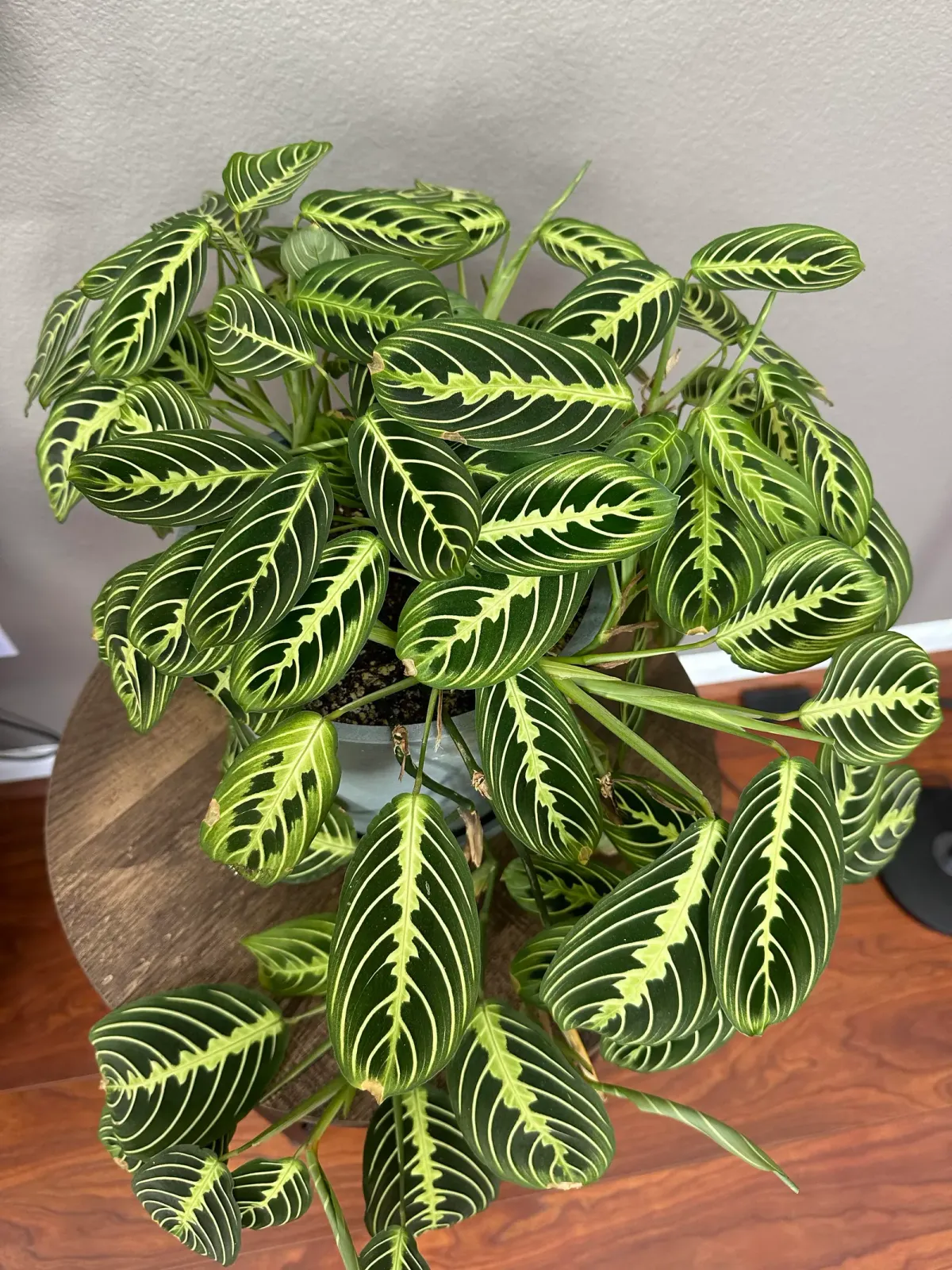
The Neon Prayer Plant, scientifically designated as Maranta leuconeura 'Neon', is a captivating herbaceous perennial cherished for its spectacularly variegated foliage. This cultivar typically maintains a compact, spreading growth habit, reaching a modest height of 30 to 45 centimeters (12 to 18 inches) and a similar spread, making it an ideal specimen for indoor cultivation. Its broadly oval-shaped leaves, measuring approximately 12 to 20 centimeters (5 to 8 inches) in length, present a vibrant, almost iridescent lime-green background, dramatically contrasted by an intricate network of brilliant neon-pink veins that radiate from the central midrib.
The undersides of the leaves often display a muted purple or red hue, adding another layer of visual interest. While primarily grown for its ornamental leaves, the Neon Prayer Plant does produce small, inconspicuous white flowers on slender spikes, usually in late summer, though these are not its main aesthetic draw. The stems are soft, succulent, and slightly pubescent, distinguishing it from woody species.
Native to the humid understory of tropical rainforests in Central and South America, particularly Brazil, Maranta leuconeura 'Neon' thrives in consistently moist, warm, and highly humid conditions, replicating its natural environment. As a member of the Marantaceae family, it exhibits characteristic nyctinastic movement, where its leaves fold upwards at dusk, resembling hands clasped in prayer, and unfurl again at dawn, a phenomenon that contributes to its common nomenclature and unique charm. Beyond its striking beauty, this plant is also valued for its potential contribution to indoor air quality and general well-being.
Trusted Scientific References
1. Authoritative external sources for Maranta leuconeura Neon
1.1 Wikipedia — Maranta leuconeura Neon
1.2 Kew POWO (Plants of the World Online)
1.3 PubMed — peer-reviewed research
1.4 NCBI Taxonomy Browser
1.5 GBIF — Global Biodiversity
1.6Neon Prayer Plant should be interpreted through verified botanical identity, practical care, and responsible safety language. This recovery note adds the missing context needed for a complete profile: match light to the plant's habit, use well-drained soil, water according to season, and avoid unsupported medicinal or edible claims. For publishing, the plant can be presented as a source-backed indoor plant with clear care guidance, common problem diagnosis, and conservative safety wording.
1.1.Neon Prayer Plant — Notable Characteristics
- ✓Striking Neon Pink and Green Foliage — Distinctive vibrant coloration for high aesthetic impact.
- ✓Nyctinastic Leaf Movement — Leaves fold upwards at night, resembling praying hands.
- ✓Pet and Child — Friendly — Non-toxic classification ensures safety in family homes.
- ✓Air Purifying Qualities — Helps filter indoor air and increase oxygen levels.
- ✓Tropical Origin — Thrives in warm, humid indoor environments.
- ✓Compact Growth Habit — Ideal for tabletops, shelves, and small spaces.
- ✓Low Maintenance — Relatively easy to care for with consistent attention to humidity and watering.
- ✓Enhances Mental Well — being — Contributes to a calming and visually appealing atmosphere.
- ✓Herbaceous Perennial — A long-lived plant if provided with suitable conditions.
- ✓Unique Genetic Cultivar — A specialized variety of Maranta leuconeura with enhanced ornamental traits.
1.2.Neon Prayer Plant — Quick Summary
- ✓Vibrant, low-maintenance indoor plant known for neon-pink variegated foliage.
- ✓Exhibits unique nyctinastic 'prayer' leaf movement, folding at night.
- ✓Considered non-toxic to pets and humans, making it a safe household choice.
- ✓Contributes to improved indoor air quality and enhances mental well-being.
- ✓Requires bright, indirect light and high humidity to thrive.
- ✓Ideal for adding a splash of tropical color and dynamic life to any interior space.
2.Neon Prayer Plant — Nomenclature & Classification
3.Neon Prayer Plant — Vital Statistics
4.Neon Prayer Plant — Physical Description
5.Neon Prayer Plant — Native Range & Habitat
6.Neon Prayer Plant — Traditional Uses
7.Neon Prayer Plant — Chemical Profile
- ✓Flavonoids — Compounds like quercetin and kaempferol derivatives are present, acting as natural antioxidants and potentially offering anti-inflammatory properties within the plant's system.
- ✓Triterpenoids — Includes compounds such as lupeol and beta-sitosterol, which contribute to plant defense mechanisms and may possess anti-inflammatory and adaptogenic qualities in botanical extracts.
- ✓Phenolic Acids — Derivatives of caffeic acid and ferulic acid are found, exhibiting antioxidant activity crucial for protecting plant cells from oxidative stress and potentially supporting cellular health.
- ✓Alkaloids — While generally in trace amounts in Maranta species, certain alkaloids may be present, contributing to the plant's chemical defense against herbivores.
- ✓Saponins — These glycosides are common in many plant families, including Marantaceae, playing a role in the plant's immune response and exhibiting surfactant properties.
- ✓Carotenoids — Pigments like beta-carotene are responsible for some of the vibrant coloration in the leaves, functioning as antioxidants and light-harvesting compounds within the plant.
- ✓Chlorophylls — The primary photosynthetic pigments, chlorophyll a and b, are abundant in the green areas of the leaves, essential for energy production and providing the plant's base coloration.
- ✓Essential Fatty Acids — Lipids within the plant tissues contain various fatty acids, important for cell membrane integrity and overall plant health.
8.Neon Prayer Plant — Pharmacological Findings
- ✓Enhanced Mental Well-being — The presence of the Neon Prayer Plant contributes to a calming indoor environment, reducing stress and anxiety through biophilic interaction, fostering a sense of peace and connection to nature.
- ✓Improved Indoor Air Quality — Like many houseplants, Maranta leuconeura 'Neon' can help filter common indoor air pollutants, absorbing volatile organic compounds (VOCs) and releasing oxygen, promoting healthier breathing.
- ✓Humidity Regulation — Through transpiration, this tropical plant naturally releases moisture into the air, helping to increase ambient humidity levels, which can be beneficial for respiratory health and skin hydration, especially in dry indoor climates.
- ✓Aesthetic Therapy — The vibrant colors and unique 'prayer' movement of the leaves provide visual stimulation and a dynamic element to indoor spaces, acting as a natural focal point that can uplift mood and reduce mental fatigue.
- ✓Non-Toxic Nature — Maranta leuconeura 'Neon' is widely recognized as non-toxic to pets and humans, making it a safe choice for households with children and animals, reducing concerns about accidental ingestion.
- ✓Fostering Mindfulness — The ritualistic care required for this plant, such as watering and observing its daily leaf movements, can encourage mindfulness practices and provide a structured, calming activity.
- ✓Supports Biophilic Design — Integrating the Neon Prayer Plant into living or working spaces aligns with biophilic design principles, which aim to connect humans with nature to improve health, productivity, and overall well-being.
- ✓Gentle Energy Flow — In some traditional beliefs, the presence of vibrant, living plants is thought to positively influence the energetic flow of a space, promoting vitality and balance.
8.1.Neon Prayer Plant — Conditions Traditionally Used For
9.Neon Prayer Plant — Safety Considerations
9.1.Neon Prayer Plant — Warnings
- ✓Allergic Contact Dermatitis — While rare, sensitive individuals may experience mild skin irritation or allergic reactions upon direct contact with the sap.
- ✓Mild Gastrointestinal Upset — Ingesting large quantities of plant material, though non-toxic, may lead to temporary stomach discomfort or nausea.
- ✓Fungal Growth from Overwatering — Excessive moisture in soil can promote mold or fungal growth, potentially exacerbating respiratory issues in susceptible individuals.
- ✓Pest Infestations — Poor plant care can lead to common houseplant pests like spider mites, which can spread to other plants and require intervention.
- ✓Leaf Scorch — Direct sun exposure can cause leaves to burn and develop unsightly brown patches, diminishing the plant's ornamental value.
- ✓Root Rot — Overwatering, especially in poorly draining soil, can lead to root rot, causing plant decline and a characteristic foul odor from the soil.
- ✓Crispy Leaf Edges — Insufficient humidity or inconsistent watering can result in dry, crispy leaf margins, detracting from the plant's vibrant appearance.
9.2.Neon Prayer Plant — Safety Profile
- ✓Non-Toxic to Humans — Maranta leuconeura 'Neon' is classified as non-toxic for human consumption, making it safe for indoor environments.
- ✓Pet-Friendly Plant — This species is generally considered safe for cats and dogs, posing no significant risk if ingested in small amounts.
- ✓Minimal Allergic Potential — Allergic reactions are uncommon, but individuals with extreme plant sensitivities should exercise caution during handling.
- ✓Avoid Ingestion — Although non-toxic, it is advisable to prevent children and pets from consuming large quantities of any houseplant material.
- ✓Proper Hygiene — Wash hands after handling the plant or soil to prevent minor irritations, especially for those with sensitive skin.
- ✓Indoor Use Only — This tropical plant is not suited for outdoor cultivation in non-tropical climates and should be kept indoors.
- ✓Environmental Safety — Ensure proper disposal of plant waste; do not introduce non-native species into local ecosystems.
10.Neon Prayer Plant — Preparations & Uses
- ✓Indoor Ornamental Display — Position the Neon Prayer Plant in prominent indoor locations to leverage its vibrant foliage and unique leaf movement for aesthetic enhancement and biophilic appeal.
- ✓Air Purification Enhancement — Integrate multiple Maranta leuconeura 'Neon' plants into living or office spaces to contribute to the natural filtration of indoor air pollutants and increase oxygen levels.
- ✓Stress Reduction Environment — Place the plant in areas dedicated to relaxation, such as bedrooms or meditation corners, to benefit from its calming presence and visual appeal for stress relief.
- ✓Humidity Boost — Utilize the plant, especially in groups, to naturally increase ambient humidity in drier indoor environments, benefiting both human comfort and other humidity-loving plants.
- ✓Mindfulness Practice Aid — Engage in regular observation of its nyctinastic leaf movements as a subtle reminder for mindfulness and connection to natural rhythms.
- ✓Home Decor Accent — Employ its striking colors and compact size as a decorative accent in various interior design schemes, adding a touch of tropical vibrancy.
- ✓Pet and Child-Safe Greenery — Display the plant confidently in homes with pets and young children, given its non-toxic classification, allowing for worry-free enjoyment of its beauty.
- ✓Propagation for Gifting — Propagate new plants from stem cuttings to share with friends and family, extending its beauty and benefits to others.
11.Neon Prayer Plant — Garden Cultivation
- ✓Light — Provide bright, indirect light; direct sunlight will scorch the delicate leaves and fade their vibrant colors.
- ✓Soil — Use a well-draining, slightly acidic potting mix, ideally composed of sphagnum peat moss, perlite, and a loamy component.
- ✓Watering — Keep soil consistently moist but not waterlogged; water once the top layer of soil feels dry, preferably with filtered or distilled water.
- ✓Humidity — Maintain high humidity (above 60%) around the plant, using a humidifier, pebble tray, or regular misting to prevent crispy leaf edges.
- ✓Temperature — Thrive in warm conditions, with optimal temperatures ranging between 18-27°C (65-80°F); avoid cold drafts and sudden temperature drops.
- ✓Fertilization — Feed every 2-4 weeks during the growing season (spring through fall) with a balanced liquid houseplant fertilizer diluted to half strength.
- ✓Pruning — Trim leggy stems or yellowing leaves to encourage bushier growth and maintain the plant's aesthetic appeal.
- ✓Repotting — Repot every 1-2 years in spring, moving to a slightly larger pot only when the plant becomes root-bound.
Reviewed by the Flora Medical Global Botanical Review Panel
Multi-disciplinary editorial group · Botany · Ethnobotany · Herbal-medicine literature
Who reviewed this: This page was checked by the Flora Medical Global Botanical Review Panel — an in-house editorial group of botany graduates, ethnobotany researchers, and horticulture practitioners who collectively maintain our 7,000+ plant encyclopedia. Meet the team.
Our 4-step verification process
1. Taxonomic verification
Scientific names and synonyms cross-checked against Kew POWO, World Flora Online, and The Plant List.
2. Phytochemical & medicinal cross-reference
Active compounds, traditional uses, and reported activities are cross-referenced with PubMed, USDA Dr. Duke's database, and peer-reviewed ethnobotanical literature.
3. Conservation & distribution check
Distribution, ecology, and conservation status confirmed against GBIF occurrence records and the IUCN Red List.
4. Editorial & safety review
Every entry passes an editorial pass for clarity, originality, and safety notices (toxicity, contraindications, dosage caveats) before publication.
Last reviewed:
Important medical disclaimer: This content is for educational and research purposes only. It is not medical advice and is not a substitute for consultation with a licensed healthcare provider. Do not use any herb to self-treat a medical condition without professional guidance.
Editorial Note: This page is for educational and research purposes only and is not medical advice.
Written by: Flora Medical Global Editorial Team
Reviewed by: Flora Medical Global Botanical Review Panel
Last Updated: June 15, 2026





Neon Prayer Plant — Comments & Community Reviews
Rate this plant