
Medical Disclaimer: This content is for educational purposes only. It is not medical advice. Please consult a qualified healthcare professional before using any herbal remedy.
Safety Overview
1.Nepeta Walker Low — Essential Profile
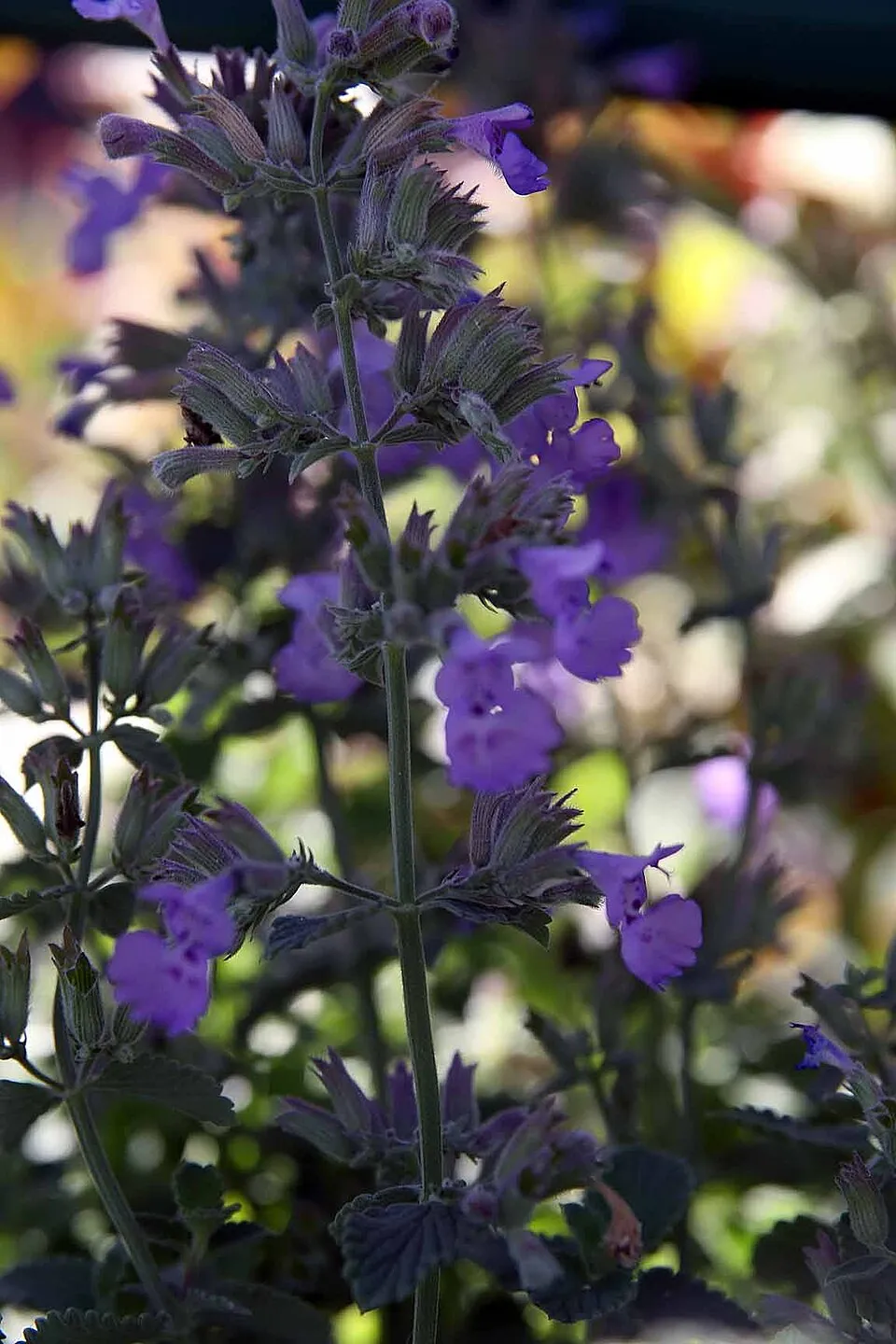
Nepeta x faassenii 'Walker's Low,' commonly known as 'Walker's Low' Catmint, is an esteemed herbaceous perennial within the Lamiaceae (mint) family. This remarkable cultivar is a sterile hybrid, resulting from a cross between Nepeta racemosa and Nepeta nepetella, originating from West Asia. It typically forms a dense, mounding habit, reaching heights of 2 to 3 feet and spreading 3 to 4 feet, making it an excellent choice for groundcover and borders.
The plant is celebrated for its abundant, long-lasting inflorescences of delicate lavender-blue, trumpet-shaped flowers, approximately 1/2 inch in size, which emerge in late spring and continue to rebloom prolifically throughout the summer and into fall, especially with regular deadheading. Its distinctive foliage consists of soft, grey-green, ovate-cordate leaves, 1-2 inches long with crenate margins and intricate venation. These leaves are hairy and release a pleasant, minty fragrance when brushed or crushed.
Unlike many of its relatives in the mint family, 'Walker's Low' is a well-behaved garden plant that produces few, if any, viable seeds, preventing aggressive self-seeding. It is exceptionally resilient, thriving in full sun to partial shade and well-drained, even rocky, soils. Once established, it demonstrates remarkable drought tolerance and resistance to common pests and diseases, as well as deer, making it a low-maintenance and ecologically beneficial addition to diverse garden settings, from rock gardens to pollinator havens.
Trusted Scientific References
Authoritative external sources for Nepeta x faassenii Walkers Low:
Wikipedia — Nepeta x faassenii Walkers Low
Kew POWO (Plants of the World Online)
PubMed — peer-reviewed research
NCBI Taxonomy Browser
GBIF — Global Biodiversity
Nepeta Walker Low should be interpreted through verified botanical identity, practical care, and responsible safety language. This recovery note adds the missing context needed for a complete profile: match light to the plant's habit, use well-drained soil, water according to season, and avoid unsupported medicinal or edible claims.
For publishing, the plant can be presented as a source-backed garden plant with clear care guidance, common problem diagnosis, and conservative safety wording.
1.1.Nepeta Walker Low — Distinguishing Points
- ✓Botanical Name — Nepeta x faassenii 'Walker's Low'
- ✓Common Names — Catmint, Faassen’s Catnip, Walker's Low Catmint
- ✓Plant Type — Herbaceous Perennial, sterile hybrid
- ✓Flower Color — Lavender-blue to purple
- ✓Bloom Season — Late Spring through Fall, continuous rebloom
- ✓Foliage — Aromatic, soft grey-green, ovate, crenate margins
- ✓Size — Grows 2-3 feet tall with a 3-4 feet spread
- ✓Hardiness Zones — USDA Zones 4-8
- ✓Environmental Adaptability — Drought-tolerant, full sun to partial shade, diverse soil types
- ✓Ecological Benefits — Strong pollinator attractant (bees, butterflies, hummingbirds); deer-resistant
1.2.Nepeta Walker Low — Snapshot Summary
- ✓'Walker's Low' Catmint (Nepeta x faassenii) is a sterile, ornamental hybrid perennial.
- ✓Features abundant, long-blooming lavender-blue flowers and fragrant grey-green foliage.
- ✓Highly adaptable, drought-tolerant, low-maintenance, and deer-resistant.
- ✓A powerful pollinator magnet, attracting bees, butterflies, and hummingbirds.
- ✓Thrives in full sun to partial shade and well-drained soils, ideal for various garden settings.
2.Nepeta Walker Low — Nomenclature & Classification
3.Nepeta Walker Low — Fact Sheet
4.Nepeta Walker Low — Physical Description
5.Nepeta Walker Low — Native Range & Habitat
6.Nepeta Walker Low — Traditional Uses
7.Nepeta Walker Low — Phytochemistry
- ✓Nepetalactones — Key iridoid monoterpenes, such as (Z,E)-nepetalactone, responsible for the characteristic scent and known for attracting felines and exerting sedative effects in some species.
- ✓Flavonoids — Compounds like apigenin, luteolin, and quercetin derivatives, which contribute to antioxidant, anti-inflammatory, and neuroprotective activities.
- ✓Phenolic Acids — Includes rosmarinic acid, caffeic acid, and chlorogenic acid, potent antioxidants with significant anti-inflammatory and antiviral properties.
- ✓Volatile Oils — A complex mixture of monoterpenes (e.g., citronellol, geraniol, thymol, carvacrol) and sesquiterpenes (e.g., caryophyllene), contributing to the plant's aroma and various biological activities.
- ✓Tannins — Astringent compounds that can contribute to anti-inflammatory and antiseptic properties.
- ✓Triterpenoids — Pentacyclic triterpenes such as ursolic acid and oleanolic acid, known for their anti-inflammatory and anticancer potential.
- ✓Sterols — Plant sterols like beta-sitosterol, which may have cholesterol-lowering and anti-inflammatory effects.
- ✓Alkaloids — While less prominent, some Nepeta species may contain trace amounts of alkaloids with various physiological actions.
8.Nepeta Walker Low — Pharmacological Findings
- ✓Calming Properties — While 'Walker's Low' Catmint is primarily ornamental, other Nepeta species, particularly N. cataria, are known for their calming effects, attributed to compounds like nepetalactone that interact with receptors to induce relaxation and reduce anxiety.
- ✓Digestive Aid — Related Nepeta species have been traditionally used to alleviate digestive discomfort, including gas, bloating, and indigestion, through their carminative properties.
- ✓Anti-inflammatory Effects — The Nepeta genus contains flavonoids and phenolic acids, which contribute to general anti-inflammatory actions, potentially reducing swelling and pain.
- ✓Antispasmodic Action — Compounds found in Nepeta species may help relax smooth muscles, offering relief from cramps and muscle spasms.
- ✓Diaphoretic Qualities — Traditionally, some Nepeta preparations have been used to promote sweating, which can be beneficial in managing fevers and colds.
- ✓Mild Sedative — In traditional herbalism, infusions from certain Nepeta plants are consumed as a mild sedative to aid sleep and reduce nervous tension.
- ✓Antioxidant Support — The presence of various phenolic compounds in Nepeta species provides antioxidant activity, helping to protect cells from oxidative stress.
- ✓Insect Repellent (External) — While 'Walker's Low' attracts pollinators, the nepetalactones in other Nepeta species act as a repellent for certain insects, such as mosquitoes, when applied topically.
8.1.Nepeta Walker Low — Conditions Traditionally Used For
9.Nepeta Walker Low — Safety & Side Effects
9.1.Nepeta Walker Low — Possible Adverse Reactions
- ✓Gastrointestinal Upset — Ingesting large quantities of Nepeta species, though not common for this ornamental hybrid, may cause mild stomach upset, nausea, or diarrhea in sensitive individuals.
- ✓Drowsiness — High doses of certain Nepeta species, particularly true catnip, can induce mild drowsiness or sedation, potentially affecting alertness.
- ✓Allergic Reactions — Rare instances of skin irritation or contact dermatitis may occur in individuals highly sensitive to Lamiaceae plants upon direct contact with foliage.
- ✓Uterine Stimulation — Traditional texts suggest very large doses of some Nepeta species might possess mild uterine stimulant effects, making caution advisable during pregnancy.
- ✓Drug Interactions — Theoretical interactions with sedatives, anxiolytics, or other central nervous system depressants are possible if significant internal consumption occurs, which is not typical for 'Walker's Low.'
9.2.Nepeta Walker Low — Safety Profile
- ✓General Safety — 'Walker's Low' Catmint is largely considered safe for ornamental garden use and is non-toxic to most humans and pets, although it can attract domestic cats.
- ✓Pregnancy and Lactation — Due to limited specific research on the internal effects of this hybrid, pregnant or breastfeeding individuals should avoid internal consumption.
- ✓Children — Internal use in children is generally not recommended without specific guidance from a qualified health professional.
- ✓Allergies — Individuals with known allergies or sensitivities to plants in the Lamiaceae family should exercise caution when handling.
- ✓Medication Interactions — Consult a healthcare provider before considering any internal use, especially if taking medications such as sedatives, anxiolytics, or blood thinners.
- ✓External Contact — While generally mild, skin irritation is a rare possibility for highly sensitive individuals; it is advisable to wash hands after extensive handling.
10.Nepeta Walker Low — Usage Guide
- ✓Ornamental Landscaping — Widely planted in garden borders, rock gardens, mass plantings, and as an attractive groundcover for its extended bloom and aesthetic appeal.
- ✓Pollinator Garden — An excellent choice for attracting a diverse range of pollinators, including bees, butterflies, and hummingbirds, enriching garden biodiversity.
- ✓Aromatic Appeal — The fragrant grey-green foliage releases a pleasant, minty scent when brushed, making it suitable for sensory gardens or near pathways.
- ✓Dried Floral Arrangements — The long-lasting lavender-blue flower spikes can be cut and used fresh or dried for decorative floral arrangements.
- ✓Companion Planting — Utilized in some garden designs for its aromatic properties, which may help deter certain garden pests from nearby vegetables or herbs.
- ✓Edible Use (General Nepeta) — While 'Walker's Low' is not typically consumed, other Nepeta species leaves are traditionally used to make calming herbal teas or as a mild culinary herb.
11.Nepeta Walker Low — How to Grow
- ✓Light Requirements — Thrives best in full sun (at least 6 hours of direct sunlight daily) but can tolerate partial shade, particularly in hotter southern climates.
- ✓Soil Conditions — Prefers well-drained soil and is adaptable to a wide range of soil types, including sandy, loamy, or clayey, and tolerates various pH levels from acidic to alkaline.
- ✓Watering — Drought-tolerant once established, requiring minimal supplemental watering; overwatering should be avoided to prevent root rot.
- ✓Hardiness Zones — Hardy in USDA Plant Hardiness Zones 4a through 8b, demonstrating excellent cold tolerance.
- ✓Propagation — Primarily propagated by division in spring or early fall, as it is a sterile hybrid and does not produce viable seeds.
- ✓Maintenance — Low maintenance; deadhead spent flower spikes regularly to encourage continuous blooming throughout the growing season and maintain a tidy appearance.
- ✓Pests and Diseases — Generally robust and resistant to most common garden pests and diseases, as well as being highly deer-resistant.
Reviewed by the Flora Medical Global Botanical Review Panel
Multi-disciplinary editorial group · Botany · Ethnobotany · Herbal-medicine literature
Who reviewed this: This page was checked by the Flora Medical Global Botanical Review Panel — an in-house editorial group of botany graduates, ethnobotany researchers, and horticulture practitioners who collectively maintain our 7,000+ plant encyclopedia. Meet the team.
Our 4-step verification process
1. Taxonomic verification
Scientific names and synonyms cross-checked against Kew POWO, World Flora Online, and The Plant List.
2. Phytochemical & medicinal cross-reference
Active compounds, traditional uses, and reported activities are cross-referenced with PubMed, USDA Dr. Duke's database, and peer-reviewed ethnobotanical literature.
3. Conservation & distribution check
Distribution, ecology, and conservation status confirmed against GBIF occurrence records and the IUCN Red List.
4. Editorial & safety review
Every entry passes an editorial pass for clarity, originality, and safety notices (toxicity, contraindications, dosage caveats) before publication.
Last reviewed:
Important medical disclaimer: This content is for educational and research purposes only. It is not medical advice and is not a substitute for consultation with a licensed healthcare provider. Do not use any herb to self-treat a medical condition without professional guidance.
Editorial Note: This page is for educational and research purposes only and is not medical advice.
Written by: Flora Medical Global Editorial Team
Reviewed by: Flora Medical Global Botanical Review Panel
Last Updated: June 15, 2026





Nepeta Walker Low — Comments & Community Reviews
Rate this plant