
Medical Disclaimer: This content is for educational purposes only. It is not medical advice. Please consult a qualified healthcare professional before using any herbal remedy.
Safety Overview
1.Nephrolepis Green Lady — Botanical Snapshot
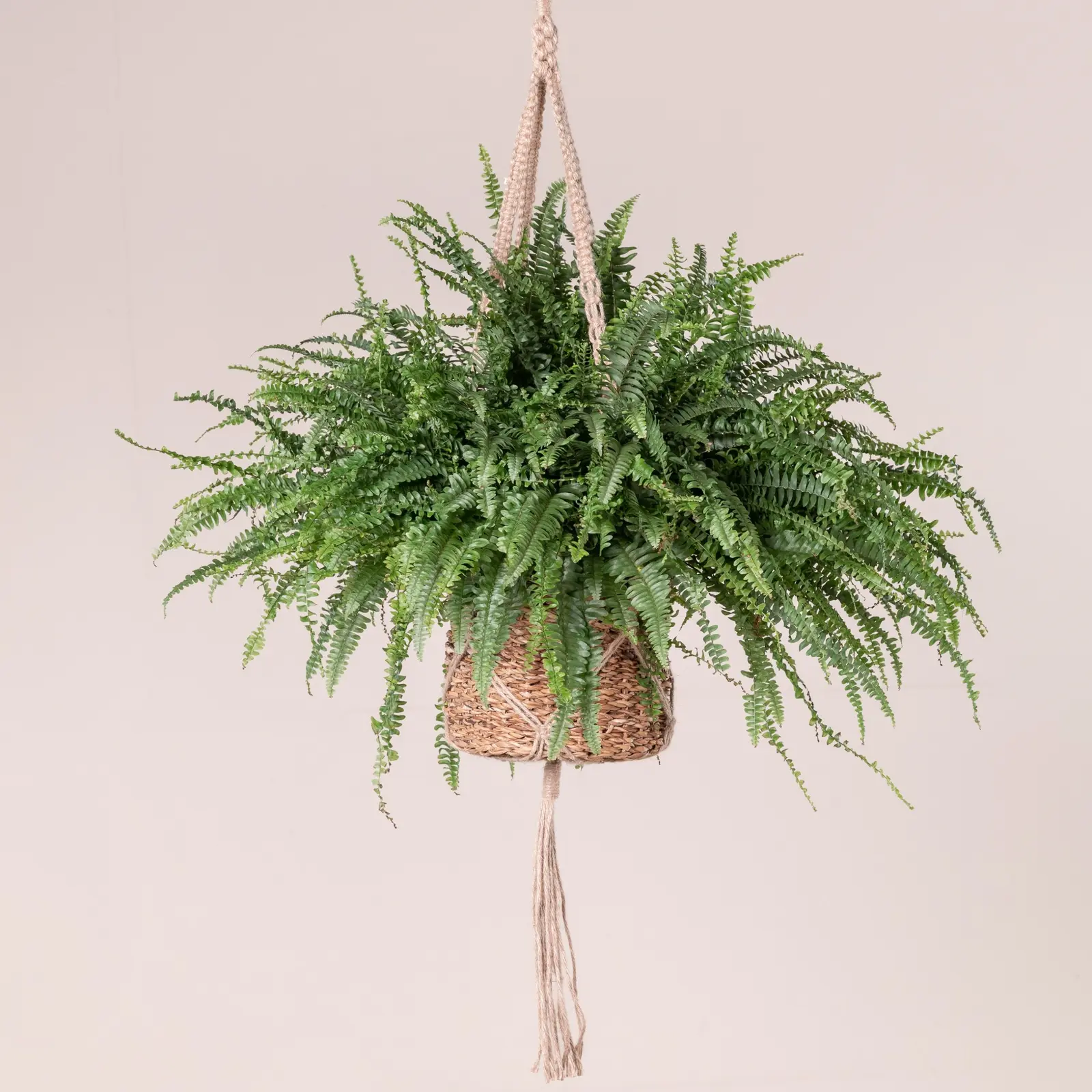
Nephrolepis exaltata 'Green Lady', commonly known as the Green Lady Fern, is a popular cultivar of the Boston fern, a tropical perennial renowned for its ornamental value. This herbaceous plant forms a dense, clumping mound of foliage, typically reaching heights of 1 to 3 feet and spreading similarly, making it ideal for both tabletops and hanging baskets. Its morphology is characterized by lush, arching fronds, which can extend up to 24 inches in length.
Each frond is finely dissected, composed of numerous narrow, elongated leaflets (pinnae) arranged alternately along a central rachis, presenting a vibrant, uniform green hue. The texture is delicate yet robust, contributing to its graceful appearance. While Nephrolepis exaltata itself is native to tropical and subtropical regions across Central and South America, Africa, and the Pacific Islands, thriving in warm, humid environments like rainforest understories, the 'Green Lady' cultivar has been specifically bred for enhanced aesthetic qualities and adaptability to indoor conditions.
It propagates through rhizomes, which can produce new plantlets, contributing to its bushy growth habit. Like all ferns, it reproduces via spores produced in sori on the underside of its fronds, rather than flowers. The plant's upright yet gracefully arching stems and finely textured foliage provide an exotic and refreshing feel to any indoor space, solidifying its status as a favored choice for home and office decor, and a key member of the Lomariopsidaceae family.
Trusted Scientific References
1. Authoritative external sources for Nephrolepis exaltata green lady
1.1 Wikipedia — Nephrolepis exaltata green lady
1.2 Kew POWO (Plants of the World Online)
1.3 PubMed — peer-reviewed research
1.4 NCBI Taxonomy Browser
1.5 GBIF — Global Biodiversity
1.6Nephrolepis Green Lady should be interpreted through verified botanical identity, practical care, and responsible safety language. This recovery note adds the missing context needed for a complete profile: match light to the plant's habit, use well-drained soil, water according to season, and avoid unsupported medicinal or edible claims. For publishing, the plant can be presented as a source-backed indoor plant with clear care guidance, common problem diagnosis, and conservative safety wording.
1.1.Nephrolepis Green Lady — Notable Characteristics
- ✓Lush, Feathery Fronds — Characterized by vibrant green, finely dissected, arching foliage.
- ✓Excellent Air Purifier — Highly effective at removing common indoor air pollutants.
- ✓Humidity Enhancer — Naturally increases ambient moisture levels, benefiting dry environments.
- ✓Non — Toxic Houseplant — Safe for households with children and pets.
- ✓Clumping Growth Habit — Forms a bushy mound, suitable for various display options.
- ✓Adaptable to Indoor Conditions — Thrives in typical home and office environments with proper care.
- ✓Low Light Tolerance — Can tolerate lower light levels, though optimal growth occurs in bright, indirect light.
- ✓Fast — Growing — With ideal conditions, it can grow quite rapidly, quickly filling its space.
- ✓Tropical Aesthetic — Adds an exotic, refreshing touch to any interior design.
- ✓Resilience — Known for being a relatively hardy and forgiving fern species.
1.2.Nephrolepis Green Lady — In Brief
- ✓Ornamental and Air-Purifying Fern — A popular houseplant known for its lush green fronds and ability to cleanse indoor air.
- ✓Low Maintenance — Relatively easy to care for, thriving in bright, indirect light and high humidity.
- ✓Non-Toxic — Generally safe for homes with children and pets, though ingestion is discouraged.
- ✓Improves Indoor Environment — Enhances air quality by filtering toxins like formaldehyde and xylene.
- ✓Boosts Well-being — Contributes to stress reduction and a more pleasant indoor ambiance.
- ✓Tropical Perennial — Native to warm, humid regions, ideally suited for indoor cultivation.
2.Nephrolepis Green Lady — Scientific Identity
3.Nephrolepis Green Lady — Vital Statistics
4.Nephrolepis Green Lady — Botanical Features
5.Nephrolepis Green Lady — Native Range & Habitat
6.Nephrolepis Green Lady — Folk Medicine Applications
7.Nephrolepis Green Lady — Key Phytochemicals
- ✓Hopane-type Triterpenoids — These complex organic compounds, such as hopanoids, are characteristic of ferns and possess potential biological activities, including anti-inflammatory and antimicrobial properties.
- ✓Flavonoids — A diverse group of polyphenolic compounds, including quercetin and kaempferol derivatives, known for their strong antioxidant, anti-inflammatory, and free-radical scavenging capabilities.
- ✓Phenolic Acids — Compounds like caffeic acid and ferulic acid contribute to the plant's antioxidant defense mechanisms and may offer protective health benefits.
- ✓Phytosterols — Plant sterols such as beta-sitosterol are present, which are structurally similar to cholesterol and may have implications for cell membrane stability and signaling.
- ✓Polysaccharides — Complex carbohydrates that can contribute to the plant's structural integrity and potentially possess immunostimulatory properties, though less studied in this context.
- ✓Tannins — Astringent compounds that can provide antioxidant effects and may contribute to the plant's defense against pathogens.
- ✓Volatile Organic Compounds (VOCs) — While the fern absorbs indoor VOCs, it also releases trace amounts of its own, contributing to the natural indoor air profile.
- ✓Mineral Nutrients — Contains essential macro and micronutrients absorbed from the soil, crucial for its metabolic processes and overall plant health.
8.Nephrolepis Green Lady — Pharmacological Findings
- ✓Air Purification — Nephrolepis exaltata 'Green Lady' is recognized for its ability to filter common indoor air toxins, such as formaldehyde and xylene, contributing to a healthier breathing environment.
- ✓Humidity Enhancement — As a plant that thrives in high humidity, it naturally releases moisture into the air, which can help alleviate dry air symptoms like irritated skin or respiratory discomfort.
- ✓Stress Reduction — The presence of lush green plants like the Green Lady Fern in living or working spaces has been anecdotally linked to reduced stress levels and a calming effect on the mind.
- ✓Mood Improvement — Interacting with nature, even indoors, is known to positively influence mood and psychological well-being, fostering a sense of tranquility and connection.
- ✓Aesthetic Therapy — Its vibrant green foliage and graceful form provide visual appeal, which can serve as a form of passive aesthetic therapy, promoting relaxation and visual comfort.
- ✓Enhanced Focus — Studies suggest that indoor plants can improve concentration and productivity by creating a more pleasant and less distracting environment.
- ✓Natural Decor — Integrating this fern into interior design provides a natural, vibrant element that can enhance the overall ambiance and perceived healthiness of a space.
- ✓Non-Toxic Presence — Being non-toxic to humans and most pets (though ingestion is not advised), it offers a safe way to introduce greenery into homes, promoting a sense of security and well-being.
8.1.Nephrolepis Green Lady — Indications & Uses
9.Nephrolepis Green Lady — Safety Considerations
9.1.Nephrolepis Green Lady — Warnings
- ✓Mild Gastrointestinal Upset — Ingestion of any part of the plant may cause mild stomach discomfort, vomiting, or diarrhea.
- ✓Allergic Reactions — Rare instances of skin irritation or allergic contact dermatitis may occur in sensitive individuals upon prolonged contact with fronds or spores.
- ✓Pet Toxicity (Mild) — While generally considered non-toxic, ingestion by pets can lead to mild digestive upset; best kept out of reach.
- ✓Spore Release — Mature plants release spores, which can be an allergen for some individuals, potentially causing respiratory irritation.
- ✓Pest Infestation — Susceptible to common houseplant pests like spider mites or mealybugs, which, if untreated, can negatively impact plant health and indoor environment.
- ✓Overwatering Issues — Root rot can occur from excessive watering, leading to plant decline and potential fungal growth in the soil.
9.2.Nephrolepis Green Lady — Risk Assessment
- ✓Non-Toxic Classification — Nephrolepis exaltata 'Green Lady' is generally considered non-toxic to humans and most common household pets.
- ✓Not for Internal Consumption — Despite its non-toxic nature, ingestion of any plant part is not recommended due to potential mild gastrointestinal upset.
- ✓Keep Out of Reach of Children and Pets — To prevent accidental ingestion and associated mild discomfort, position the plant where it is inaccessible.
- ✓Handle with Care — While uncommon, individuals with sensitive skin should handle fronds gently to avoid potential minor irritation.
- ✓Air Filtration Benefits — Its primary safety benefit is its ability to improve indoor air quality by removing common airborne pollutants.
- ✓Allergen Awareness — Be mindful that spores released by mature ferns can be an irritant or allergen for highly sensitive individuals.
- ✓Proper Plant Hygiene — Maintain good cultural practices to prevent pest infestations, which can otherwise compromise indoor air quality.
10.Nephrolepis Green Lady — Preparations & Uses
- ✓Indoor Air Purification — Place the Nephrolepis Green Lady in rooms to passively filter airborne toxins and improve overall air quality.
- ✓Aesthetic Enhancement — Use as a decorative element in homes, offices, or public spaces to add natural beauty and a calming green presence.
- ✓Humidity Regulation — Position in dry indoor environments to naturally increase ambient humidity, benefiting respiratory comfort.
- ✓Stress Reduction Decor — Integrate into relaxation zones or workspaces to leverage its reported calming effects and contribute to mental well-being.
- ✓Display in Hanging Baskets — Its arching fronds make it an excellent choice for hanging displays, allowing its lush foliage to cascade gracefully.
- ✓Group Planting — Combine with other humidity-loving plants to create a microclimate that benefits all plants and enhances the tropical aesthetic.
- ✓Terrarium Inclusion — Suitable for larger, open terrariums where consistent humidity can be maintained, offering a miniature ecosystem.
- ✓Gifting — A popular and thoughtful gift, offering beauty and practical benefits for indoor environments.
11.Nephrolepis Green Lady — Cultivation & Care
- ✓Light — Provide bright, indirect light; direct sunlight can scorch fronds.
- ✓Soil — Use an organically rich, well-draining, peat-based potting mix with added perlite or compost.
- ✓Water — Keep soil consistently moist but not waterlogged; water when the top inch of soil feels slightly dry.
- ✓Humidity — Prefers high humidity (above 80%); mist daily or use a pebble tray/humidifier.
- ✓Temperature — Maintain stable temperatures between 65-75°F (18-24°C); avoid drafts and extreme fluctuations.
- ✓Fertilizer — Feed monthly during spring and summer with a balanced liquid houseplant fertilizer at half strength; cease in fall and winter.
- ✓Pruning — Trim off browning or leggy fronds at the base to encourage bushy growth and maintain shape.
- ✓Repotting — Repot in spring when roots emerge from drainage holes, typically every 1-2 years, into a pot only slightly larger.
Reviewed by the Flora Medical Global Botanical Review Panel
Multi-disciplinary editorial group · Botany · Ethnobotany · Herbal-medicine literature
Who reviewed this: This page was checked by the Flora Medical Global Botanical Review Panel — an in-house editorial group of botany graduates, ethnobotany researchers, and horticulture practitioners who collectively maintain our 7,000+ plant encyclopedia. Meet the team.
Our 4-step verification process
1. Taxonomic verification
Scientific names and synonyms cross-checked against Kew POWO, World Flora Online, and The Plant List.
2. Phytochemical & medicinal cross-reference
Active compounds, traditional uses, and reported activities are cross-referenced with PubMed, USDA Dr. Duke's database, and peer-reviewed ethnobotanical literature.
3. Conservation & distribution check
Distribution, ecology, and conservation status confirmed against GBIF occurrence records and the IUCN Red List.
4. Editorial & safety review
Every entry passes an editorial pass for clarity, originality, and safety notices (toxicity, contraindications, dosage caveats) before publication.
Last reviewed:
Important medical disclaimer: This content is for educational and research purposes only. It is not medical advice and is not a substitute for consultation with a licensed healthcare provider. Do not use any herb to self-treat a medical condition without professional guidance.
Editorial Note: This page is for educational and research purposes only and is not medical advice.
Written by: Flora Medical Global Editorial Team
Reviewed by: Flora Medical Global Botanical Review Panel
Last Updated: June 15, 2026





Nephrolepis Green Lady — Comments & Community Reviews
Rate this plant