
Medical Disclaimer: This content is for educational purposes only. It is not medical advice. Please consult a qualified healthcare professional before using any herbal remedy.
Safety Overview
1.Nertera Granadensis — Plant Snapshot
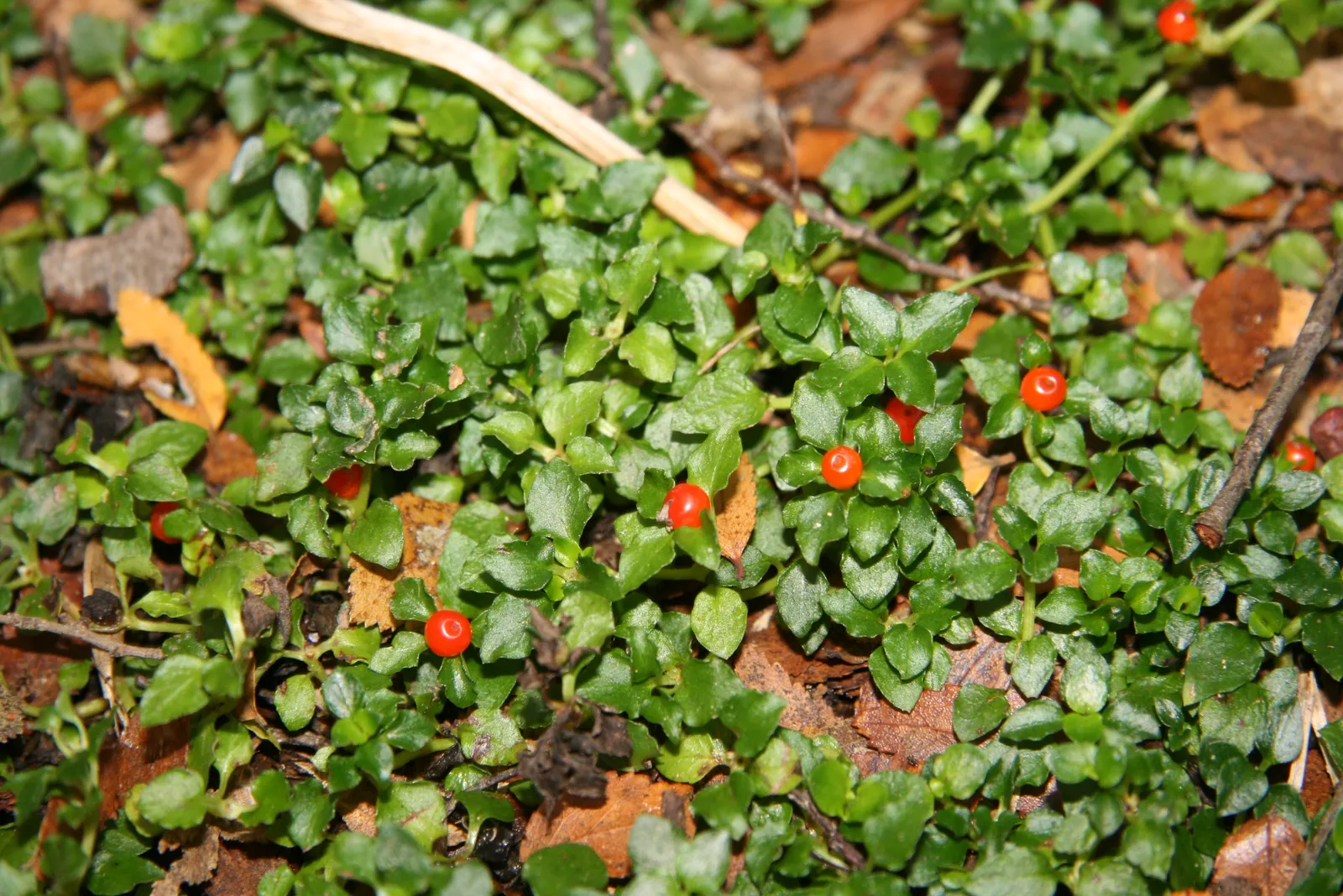
Nertera granadensis, commonly known as the coral bead plant or bead plant, is a captivating, low-growing perennial herb belonging to the expansive Rubiaceae family, which also includes coffee and gardenias. Native to a wide range of humid, tropical to subtropical regions across Central and South America, as well as parts of Australasia and the Pacific Islands, its transcontinental distribution is notably extensive. This compact plant forms a dense, verdant mat of minute, glossy, rounded succulent leaves, typically reaching only a few centimeters in height but spreading laterally.
Its most distinctive feature emerges in late summer through autumn: an abundance of small, spherical, intensely vibrant orange, red, or sometimes yellow berries that completely cover the foliage, creating a striking visual display. These 'beads' are the primary reason for its popularity as an ornamental specimen. The plant thrives in consistently moist, well-draining soil and prefers cool, humid environments with indirect light, making it an ideal choice for terrariums, vivariums, and as a unique indoor potted plant.
Its creeping habit makes it an excellent groundcover in suitable climates, though it is often cultivated as an annual indoors in less favorable conditions due to its specific environmental requirements.
Trusted Scientific References
1. Authoritative external sources for Nertera granadensis
1.1 Wikipedia — Nertera granadensis
1.2 Kew POWO (Plants of the World Online)
1.3 PubMed — peer-reviewed research
1.4 NCBI Taxonomy Browser
1.5 GBIF — Global Biodiversity
1.6Nertera Granadensis should be interpreted through verified botanical identity, practical care, and responsible safety language. This recovery note adds the missing context needed for a complete profile: match light to the plant's habit, use well-drained soil, water according to season, and avoid unsupported medicinal or edible claims. For publishing, the plant can be presented as a source-backed indoor plant with clear care guidance, common problem diagnosis, and conservative safety wording.
1.1.Nertera Granadensis — Standout Qualities
- ✓Striking Berry Display — Produces abundant, bright orange to red, bead-like berries in autumn and winter.
- ✓Dense Groundcover Habit — Forms a compact, low-spreading mat of foliage, ideal for tight spaces.
- ✓Succulent — like Leaves — Features tiny, rounded, glossy green leaves that give it a lush appearance.
- ✓Terrarium Favorite — Perfectly suited for humid, enclosed environments due to its specific care requirements.
- ✓Perennial in Ideal Climates — Can be a perennial in consistently cool, moist, frost-free conditions.
- ✓Member of Rubiaceae Family — Part of a large and diverse plant family, alongside coffee and gardenias.
- ✓Non — Medicinal Plant — Primarily cultivated for its aesthetic value, with no known therapeutic uses.
- ✓Toxic if Ingested — Berries and foliage are poisonous, posing a risk to children and pets.
- ✓Cool Temperature Preference — Thrives in cooler indoor temperatures, avoiding excessive heat.
- ✓High Humidity Requirement — Needs consistent atmospheric moisture to flourish and produce berries.
1.2.Nertera Granadensis — Concise Overview
- ✓Ornamental Houseplant — Prized for its vibrant red-orange berries and dense, mat-forming foliage.
- ✓Toxic Berries — All parts of the plant, especially the berries, are toxic if ingested by humans or pets.
- ✓High Humidity Lover — Thrives in cool, humid environments, making it ideal for terrariums.
- ✓No Medicinal Use — Lacks traditional or modern medicinal applications due to its toxicity.
- ✓Low-Growing Groundcover — Forms a compact, spreading mat, perfect for decorative containers.
- ✓Easy Propagation — Can be readily grown from seeds or stem cuttings.
2.Nertera Granadensis — Taxonomic Classification
3.Nertera Granadensis — Botanical Stats
4.Nertera Granadensis — Morphological Account
5.Nertera Granadensis — Where It Grows
6.Nertera Granadensis — Ethnobotanical Uses
7.Nertera Granadensis — Secondary Metabolites
- ✓Flavonoids — Expected to contain various flavonoids, such as anthocyanins responsible for the vibrant red-orange coloration of the berries, and potentially flavones and flavonols, which often exhibit antioxidant properties in other plants.
- ✓Phenolic Acids — Likely present are phenolic acids, including caffeic acid and ferulic acid derivatives, which are common plant defense compounds and contribute to plant pigmentation.
- ✓Alkaloids — Some species within the Rubiaceae family are known to produce alkaloids; specific alkaloids in Nertera granadensis, if present, have not been extensively characterized but could contribute to its toxicity.
- ✓Saponins — Triterpenoid saponins are common in many plant families and may be present in Nertera granadensis, potentially contributing to the berries' emetic and gastrointestinal irritant effects upon ingestion.
- ✓Glycosides — Various types of glycosides, including cardiac glycosides or cyanogenic glycosides, could theoretically be present, though specific identification in Nertera granadensis is not widely reported in medicinal phytochemistry literature.
- ✓Carotenoids — Beyond anthocyanins, carotenoids may also contribute to the orange and red hues of the berries, playing roles in photosynthesis and antioxidant defense within the plant itself.
- ✓Triterpenes — These compounds are widely distributed in plants and can have various biological activities; their presence in Nertera granadensis would likely be for plant defense rather than human medicinal benefit.
- ✓Organic Acids — Malic acid, citric acid, and other organic acids are commonly found in fruits and contribute to their flavor profile; their presence in Nertera granadensis berries is probable, but irrelevant for medicinal use due to toxicity.
- ✓Volatile Organic Compounds — While not typically a fragrant plant, trace amounts of volatile organic compounds may be present, contributing to its overall plant chemistry but not for medicinal application.
- ✓Polysaccharides — Structural polysaccharides are fundamental components of all plant cell walls, contributing to the plant's physical structure but without direct medicinal relevance in this context.
8.Nertera Granadensis — What Research Suggests
- ✓Not Recommended for Medicinal Use — Nertera granadensis is primarily an ornamental plant, and its berries are known to be toxic if ingested, precluding any safe internal medicinal applications.
- ✓Absence of Traditional Medicinal Record — There is no documented history of Nertera granadensis being utilized in traditional medicine systems such as Ayurveda, TCM, Unani, or Siddha, reinforcing its non-medicinal status.
- ✓Potential (but Unsafe) Antioxidant Activity — Like many fruiting plants, the vibrant coloration of Nertera granadensis berries suggests the presence of anthocyanins and other flavonoids, which are known antioxidants; however, these compounds cannot be safely consumed from this plant.
- ✓Hypothetical Anti-inflammatory Properties — General phytochemical analyses of plants often reveal phenolic compounds with anti-inflammatory potential, but this remains purely theoretical for Nertera granadensis given its toxicity.
- ✓Speculative Antimicrobial Constituents — Some plants in the Rubiaceae family contain compounds with antimicrobial properties; however, specific research on Nertera granadensis for this purpose is lacking, and its toxic nature makes any such application unsafe.
- ✓No Documented Therapeutic Efficacy — Despite its botanical classification, there is no scientific evidence or traditional use supporting any therapeutic efficacy of Nertera granadensis for human health conditions.
- ✓Ornamental Value as Primary 'Benefit' — The primary 'benefit' derived from Nertera granadensis is its aesthetic contribution to indoor spaces and terrariums, offering a splash of color and unique texture.
- ✓Educational Value Regarding Plant Toxicity — The plant serves as an important educational example of ornamental species that are beautiful but pose a significant health risk if ingested, particularly by children or pets.
- ✓Air Purification Potential (Unstudied) — While not specifically studied, some indoor plants contribute to minor air purification; however, this potential in Nertera granadensis would be negligible and not a reason for its cultivation given its toxicity.
- ✓Soil Stabilization (Limited) — In its natural groundcover habitat, Nertera granadensis can contribute to minor soil stabilization, but this ecological role is not a medicinal benefit and is limited to specific outdoor environments.
9.Nertera Granadensis — Risk Profile
9.1.Nertera Granadensis — Caution Notes
- ✓Gastrointestinal Upset — Ingestion of the berries of Nertera granadensis can cause nausea, vomiting, stomach pain, and diarrhea.
- ✓Oral Irritation — Contact with the berries or plant sap may lead to irritation of the mouth and throat upon ingestion.
- ✓Potential for Systemic Toxicity — While generally considered low toxicity in small amounts, larger ingestions could potentially lead to more severe systemic effects.
- ✓Allergic Reactions — Sensitive individuals may experience skin irritation or allergic reactions from handling the plant, though this is rare.
- ✓Pet Poisoning Risk — The berries are toxic to pets, including cats and dogs, and can cause similar gastrointestinal symptoms if consumed.
- ✓Choking Hazard — The small, round berries can pose a choking hazard, especially for young children.
- ✓No Known Antidote — There is no specific antidote for Nertera granadensis poisoning; treatment is generally supportive, focusing on symptom management.
9.2.Nertera Granadensis — Safety Overview
- ✓Ingestion Hazard — Nertera granadensis berries are toxic and should never be consumed by humans or pets.
- ✓Keep Out of Reach — Place plants in locations inaccessible to children and curious animals to prevent accidental ingestion.
- ✓Hand Washing Recommended — Always wash hands thoroughly after handling the plant, especially before eating or touching the face.
- ✓Avoid Contact with Mucous Membranes — Prevent plant sap or berry residue from coming into contact with eyes, nose, or mouth.
- ✓Not for Medicinal or Culinary Use — Explicitly warn against any attempt to use any part of the plant for medicinal or culinary purposes.
- ✓Educate on Toxicity — Inform anyone who comes into contact with the plant about its toxic nature and the risks associated with ingestion.
- ✓Consult Poison Control — In case of accidental ingestion, immediately contact a poison control center or seek medical attention.
10.Nertera Granadensis — Preparation & Dosage
- ✓Ornamental Display — Primarily used as a decorative houseplant, especially cherished for its vibrant berries in terrariums and as a groundcover in miniature gardens.
- ✓Terrarium Inclusion — Its compact size and preference for high humidity make it an ideal candidate for enclosed terrarium ecosystems, where it creates a naturalistic, colorful accent.
- ✓Potted Plant Accent — Cultivated in small pots or shallow dishes to highlight its unique groundcover habit and striking berry display on windowsills or tabletops.
- ✓Seasonal Decoration — Often grown as a temporary decorative plant during autumn and winter holidays, given its festive red-orange berries.
- ✓Propagation for Hobbyists — Used by plant enthusiasts for propagation through seed collection or stem cuttings to expand their ornamental plant collections.
- ✓Botanical Gardens and Displays — Featured in botanical gardens for its unique morphology and ornamental appeal, often in temperate or tropical house exhibits.
- ✓Photography Subject — Valued by photographers for its aesthetically pleasing berries and dense foliage, particularly in macro photography.
- ✓Educational Specimen — Utilized in educational settings to demonstrate plant morphology, life cycles, and the concept of plant toxicity in ornamental species.
11.Nertera Granadensis — Growing Guide
- ✓Propagation — Primarily propagated by seed or stem cuttings, with cuttings rooting well in a moist, sandy medium.
- ✓Light Requirements — Prefers bright, indirect light; direct sunlight can scorch its delicate leaves, while too little light can reduce berry production.
- ✓Soil and Potting — Requires a well-draining, humus-rich, acidic soil mix, often with added peat or sphagnum moss to retain moisture.
- ✓Watering — Needs consistent moisture; the soil should be kept evenly damp but never waterlogged to prevent root rot.
- ✓Humidity — Thrives in high humidity, making it an excellent choice for terrariums or requiring regular misting in drier indoor environments.
- ✓Temperature — Prefers cool temperatures, ideally between 50-65°F (10-18°C); it struggles in excessive heat.
- ✓Fertilization — Feed sparingly with a balanced liquid fertilizer diluted to half strength during the growing season (spring and summer).
- ✓Pruning — Minimal pruning is needed, mainly to remove spent foliage or to shape the plant and encourage denser growth.
Reviewed by the Flora Medical Global Botanical Review Panel
Multi-disciplinary editorial group · Botany · Ethnobotany · Herbal-medicine literature
Who reviewed this: This page was checked by the Flora Medical Global Botanical Review Panel — an in-house editorial group of botany graduates, ethnobotany researchers, and horticulture practitioners who collectively maintain our 7,000+ plant encyclopedia. Meet the team.
Our 4-step verification process
1. Taxonomic verification
Scientific names and synonyms cross-checked against Kew POWO, World Flora Online, and The Plant List.
2. Phytochemical & medicinal cross-reference
Active compounds, traditional uses, and reported activities are cross-referenced with PubMed, USDA Dr. Duke's database, and peer-reviewed ethnobotanical literature.
3. Conservation & distribution check
Distribution, ecology, and conservation status confirmed against GBIF occurrence records and the IUCN Red List.
4. Editorial & safety review
Every entry passes an editorial pass for clarity, originality, and safety notices (toxicity, contraindications, dosage caveats) before publication.
Last reviewed:
Important medical disclaimer: This content is for educational and research purposes only. It is not medical advice and is not a substitute for consultation with a licensed healthcare provider. Do not use any herb to self-treat a medical condition without professional guidance.
Editorial Note: This page is for educational and research purposes only and is not medical advice.
Written by: Flora Medical Global Editorial Team
Reviewed by: Flora Medical Global Botanical Review Panel
Last Updated: June 15, 2026





Nertera Granadensis — Comments & Community Reviews
Rate this plant