


Medical Disclaimer: This content is for educational purposes only. It is not medical advice. Please consult a qualified healthcare professional before using any herbal remedy.
Safety Overview
1.Nimba Patra — Essential Profile
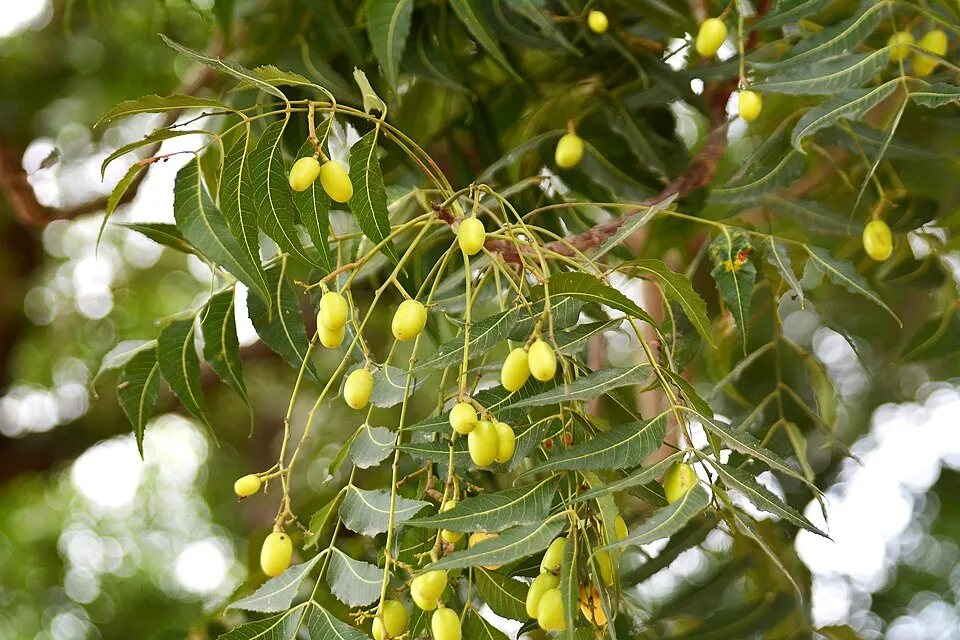
Nimba Patra, derived from the esteemed Azadirachta indica tree, is a prominent member of the Meliaceae family, widely recognized for its profound medicinal properties. This large evergreen tree typically reaches heights of 15-20 meters, occasionally even more, forming a dense, spreading canopy. Its distinctive pinnate leaves are the primary focus of herbal medicine, measuring between 20 to 40 cm in length. Each leaf is comprised of 5 to 9 leaflets, which are elliptical to lanceolate in shape, typically 5-10 cm long and 2-4 cm wide, exhibiting a vibrant deep green hue.
The tree produces small, exquisitely fragrant white flowers arranged in delicate axillary panicles, characterized by their five petals and prominent yellow anthers. The bark of Azadirachta indica is grayish-brown, rough, and deeply fissured, adding to its robust appearance. Nimba Patra thrives in tropical and subtropical climates, demonstrating remarkable adaptability to various soil types, though it prefers well-drained, sandy loam. It is indigenous to the Indian subcontinent, where it has been revered for millennia, and has since spread across much of Africa, the Middle East, and Southeast Asia, becoming an iconic and invaluable presence in both cultivated and wild landscapes.
Taxonomically, its classification within the Meliaceae family places it among other significant tropical hardwood species, highlighting its botanical lineage and ecological importance. The leaves of Azadirachta indica are particularly esteemed for their rich phytochemistry, making them a cornerstone in various traditional healing systems and modern ethnobotanical research.
Trusted Scientific References
1. Authoritative external sources for Azadirachta indica Leaf
1.1 Wikipedia — Azadirachta indica Leaf
1.2 Kew POWO (Plants of the World Online)
1.3 PubMed — peer-reviewed research
1.4 NCBI Taxonomy Browser
1.5 GBIF — Global Biodiversity
1.6Nimba Patra should be interpreted through verified botanical identity, practical care, and responsible safety language. This recovery note adds the missing context needed for a complete profile: match light to the plant's habit, use well-drained soil, water according to season, and avoid unsupported medicinal or edible claims. For publishing, the plant can be presented as a source-backed medicinal plant with clear care guidance, common problem diagnosis, and conservative safety wording.
1.1.Nimba Patra — Notable Characteristics
- ✓Ancient Healing Herb — Revered in traditional medicine systems like Ayurveda for millennia.
- ✓Broad — Spectrum Antimicrobial — Effective against bacteria, fungi, and viruses.
- ✓Potent Anti — inflammatory — Helps alleviate various inflammatory conditions.
- ✓Natural Insect Repellent — Contains azadirachtin, a powerful natural pesticide.
- ✓Comprehensive Skin Remedy — Widely used for acne, eczema, psoriasis, and wound healing.
- ✓Oral Health Enhancer — Reduces plaque and gingivitis, promotes gum health.
- ✓Blood Purifier and Detoxifier — Traditional use for internal cleansing.
- ✓Drought — Tolerant Tree — Thrives in harsh tropical and subtropical environments.
- ✓Rich Phytochemistry — Packed with diverse bioactive compounds like limonoids and flavonoids.
- ✓Versatile Applications — Used in teas, pastes, oils, powders, and extracts for internal and external use.
1.2.Nimba Patra — Snapshot Summary
- ✓Nimba Patra (Azadirachta indica) is a revered evergreen tree native to the Indian subcontinent, known for its medicinal leaves.
- ✓Traditionally used in Ayurveda and TCM for a wide array of ailments, from skin conditions to blood sugar regulation.
- ✓Rich in bioactive compounds like limonoids and flavonoids, contributing to its antimicrobial, anti-inflammatory, and antioxidant properties.
- ✓Effective for dental health, skin care, and as a natural insect repellent, with some evidence for antidiabetic and immunomodulatory effects.
- ✓Caution is advised for pregnant/breastfeeding individuals, children (oral intake), those with autoimmune diseases, or on certain medications.
- ✓Can be consumed orally as a tea or powder, or applied topically as a paste, oil, or mouthwash.
2.Nimba Patra — Botanical Identity
3.Nimba Patra — Key Data
4.Nimba Patra — Botanical Description
5.Nimba Patra — Origin & Spread
6.Nimba Patra — Traditional Uses
7.Nimba Patra — Phytochemistry
- ✓Limonoids — Azadirachtin is the most well-known, acting as a potent insect antifeedant and growth disruptor. Other notable limonoids include nimbin, nimbidin, salannin, and gedunin, which contribute to the plant's anti-inflammatory, antimicrobial, and antimalarial activities.
- ✓Flavonoids — Quercetin, kaempferol, and rutin are present, offering significant antioxidant, anti-inflammatory, and anticarcinogenic properties, protecting cells from oxidative damage.
- ✓Triterpenoids — Meliantriol and nimbolide are examples, contributing to the insecticidal, anti-inflammatory, and potential anticancer effects observed in Azadirachta indica.
- ✓Phenolic Compounds — These include various phenolic acids and catechins, which collectively contribute to the plant's strong antioxidant capacity and antimicrobial defense mechanisms.
- ✓Carotenoids — Beta-carotene and other carotenoids are found in the leaves, acting as precursors to Vitamin A and providing additional antioxidant benefits.
- ✓Sterols — Beta-sitosterol and campesterol are plant sterols present, known for their anti-inflammatory and cholesterol-lowering potential.
- ✓Tannins — Condensed tannins contribute to the astringent properties of Nimba Patra, useful in wound healing and as an antimicrobial agent.
- ✓Polysaccharides — Certain complex carbohydrates may contribute to the immunomodulatory effects and overall health benefits of the leaves.
- ✓Sulphur Compounds — These compounds contribute to the distinctive aroma and some of the antimicrobial properties of neem.
- ✓Amino Acids — Essential and non-essential amino acids are present, supporting the nutritional profile of the leaves, especially when consumed as a supplement.
8.Nimba Patra — Scientific Evidence
- ✓Antimicrobial Action — Nimba Patra leaves contain compounds like nimbin and nimbidin that exhibit broad-spectrum activity against bacteria, viruses, and fungi, making them effective for treating various infections.
- ✓Anti-inflammatory Properties — Flavonoids and triterpenoids in Azadirachta indica leaves help reduce inflammation, offering relief from conditions such as arthritis, eczema, and other inflammatory skin disorders.
- ✓Dental Health Support — Applying Nimba Patra leaf extracts or using a neem-based mouthwash significantly reduces dental plaque and helps manage gingivitis due to its antiseptic and anti-inflammatory effects.
- ✓Skin Ailment Treatment — The powerful antiseptic and healing properties of Azadirachta indica leaves are traditionally used to treat acne, psoriasis, eczema, and other skin irritations, promoting clearer and healthier skin.
- ✓Blood Sugar Regulation — Traditional medicine systems, including Ayurveda, utilize Nimba Patra to help regulate blood glucose levels, suggesting a potential role in managing type 2 diabetes through its hypoglycemic effects.
- ✓Anthelmintic Activity — Nimba Patra is effective against intestinal worms and parasites, historically used as a natural dewormer to promote digestive health and alleviate parasitic infections.
- ✓Insect Repellent and Pesticidal Use — Azadirachtin, a key compound in neem leaves, acts as a natural insect repellent and larvicide, protecting crops and deterring pests from the human body.
- ✓Immunomodulatory Effects — Studies suggest that Azadirachta indica leaves can modulate the immune system, potentially enhancing immune responses against pathogens or balancing overactive immune functions.
- ✓Wound Healing Acceleration — Topical application of Nimba Patra leaf paste or extracts aids in faster wound healing by reducing infection risk, inflammation, and promoting tissue regeneration.
- ✓Antioxidant Protection — The presence of various antioxidants in neem leaves helps combat oxidative stress and neutralize free radicals, contributing to cellular protection and overall health.
- ✓Antimalarial Potential — Certain compounds in Nimba Patra have demonstrated antimalarial activity in preliminary studies, suggesting its traditional use in endemic regions for fever management.
- ✓Detoxification Support — In Ayurvedic practices, Nimba Patra is revered for its bitter taste and detoxifying qualities, aiding the body in cleansing and purifying blood.
8.1.Nimba Patra — Indications & Uses
9.Nimba Patra — Cautions & Contraindications
9.1.Nimba Patra — Caution Notes
- ✓Gastrointestinal Upset — Oral consumption, especially of large doses or seed oil, can cause nausea, vomiting, and diarrhea.
- ✓Liver and Kidney Harm — Long-term or high-dose oral use of neem, particularly seed oil, may potentially lead to liver and kidney damage.
- ✓Allergic Reactions — Topical application or oral intake can sometimes cause skin rashes, irritation, or other allergic responses in sensitive individuals.
- ✓Hypoglycemia — Neem may lower blood sugar levels, which can be a risk for individuals already on antidiabetic medications, leading to hypoglycemia.
- ✓Reproductive Effects — There is evidence suggesting neem can harm sperm and potentially reduce fertility, making it a concern for those trying to conceive.
- ✓Immune System Activation — Neem can stimulate the immune system, potentially worsening symptoms in individuals with autoimmune diseases.
- ✓Drug Interactions — Neem may interact with medications metabolized by the liver (CYP450 enzymes) or transported by P-glycoprotein, altering their effects.
9.2.Nimba Patra — Risk Assessment
- ✓Pregnancy — Nimba Patra oil and bark are considered unsafe when taken orally during pregnancy, as they may induce miscarriage.
- ✓Breast-feeding — Insufficient reliable information exists regarding the safety of neem during breast-feeding; therefore, it is best to avoid its use.
- ✓Children — Oral intake of neem seeds and seed oil is likely unsafe for infants and young children, potentially causing severe side effects including vomiting, seizures, and coma. Neem extract shampoo for lice is possibly safe for single or double use.
- ✓Autoimmune Diseases — Individuals with conditions like MS, lupus, or rheumatoid arthritis should avoid neem due to its potential to increase immune system activity and worsen symptoms.
- ✓Infertility Concerns — Those attempting to conceive should avoid neem due to evidence suggesting potential negative effects on sperm and overall fertility.
- ✓Organ Transplant Recipients — Neem might interfere with immunosuppressant medications, reducing their effectiveness and increasing the risk of organ rejection; avoid use.
- ✓Surgery — Discontinue Nimba Patra use at least two weeks before any scheduled surgery due to its potential to lower blood sugar and interfere with blood sugar control.
10.Nimba Patra — Preparations & Uses
- ✓Oral Consumption (Decoction/Tea) — Fresh or dried Nimba Patra leaves are boiled in water to create a bitter tea, traditionally consumed for detoxification, blood purification, and internal infections.
- ✓Topical Paste Application — Crushed fresh leaves are made into a paste with water and applied directly to skin ailments like acne, eczema, psoriasis, wounds, and insect bites for soothing and antiseptic effects.
- ✓Mouthwash/Dental Gel — A decoction of leaves or an extract formulated into a gel is used to rinse the mouth or applied to gums to reduce plaque, gingivitis, and maintain oral hygiene.
- ✓Powdered Form — Dried leaves are ground into a fine powder, which can be mixed with water or honey for oral intake, or combined with other herbs for various formulations.
- ✓Oil Infusion — Leaves can be infused into carrier oils (e.g., coconut oil) to create a topical oil for skin and hair health, addressing issues like dandruff, lice, and scalp infections.
- ✓Bath Additive — A strong decoction of Nimba Patra leaves can be added to bathwater to alleviate widespread skin conditions or to promote overall skin health.
- ✓Insect Repellent Spray — Aqueous extracts of neem leaves can be used as a natural spray to repel mosquitoes and other insects from skin or plants.
- ✓Chewing Fresh Leaves — In some traditions, a few fresh Nimba Patra leaves are chewed daily for blood purification and general health, though their bitterness is quite pronounced.
11.Nimba Patra — How to Grow
- ✓Climate and Soil — Azadirachta indica thrives in tropical and subtropical regions, preferring well-drained, sandy to clayey loam soils, and tolerates drought conditions.
- ✓Propagation — Primarily propagated by seeds, which have a short viability period, or vegetatively through stem cuttings or tissue culture for genetic consistency.
- ✓Planting — Seeds are sown directly or seedlings transplanted after 2-3 months, typically spaced 5-10 meters apart to allow for full canopy development.
- ✓Water Requirements — Young trees require regular watering; mature trees are highly drought-tolerant and need minimal irrigation once established.
- ✓Sunlight — Nimba Patra requires full sun exposure for optimal growth and development of its medicinal compounds.
- ✓Harvesting Leaves — Leaves can be harvested throughout the year, with optimal potency often noted during the dry season; young, tender leaves are preferred for some medicinal uses.
- ✓Pest and Disease Management — The tree is naturally resistant to most pests and diseases due to its own bioactive compounds, requiring minimal intervention.
- ✓Fertilization — Generally low-maintenance, but young trees may benefit from organic fertilizers to support initial growth.
Reviewed by the Flora Medical Global Botanical Review Panel
Multi-disciplinary editorial group · Botany · Ethnobotany · Herbal-medicine literature
Who reviewed this: This page was checked by the Flora Medical Global Botanical Review Panel — an in-house editorial group of botany graduates, ethnobotany researchers, and horticulture practitioners who collectively maintain our 7,000+ plant encyclopedia. Meet the team.
Our 4-step verification process
1. Taxonomic verification
Scientific names and synonyms cross-checked against Kew POWO, World Flora Online, and The Plant List.
2. Phytochemical & medicinal cross-reference
Active compounds, traditional uses, and reported activities are cross-referenced with PubMed, USDA Dr. Duke's database, and peer-reviewed ethnobotanical literature.
3. Conservation & distribution check
Distribution, ecology, and conservation status confirmed against GBIF occurrence records and the IUCN Red List.
4. Editorial & safety review
Every entry passes an editorial pass for clarity, originality, and safety notices (toxicity, contraindications, dosage caveats) before publication.
Last reviewed:
Important medical disclaimer: This content is for educational and research purposes only. It is not medical advice and is not a substitute for consultation with a licensed healthcare provider. Do not use any herb to self-treat a medical condition without professional guidance.
Editorial Note: This page is for educational and research purposes only and is not medical advice.
Written by: Flora Medical Global Editorial Team
Reviewed by: Flora Medical Global Botanical Review Panel
Last Updated: June 15, 2026





Nimba Patra — Comments & Community Reviews
Rate this plant