
Medical Disclaimer: This content is for educational purposes only. It is not medical advice. Please consult a qualified healthcare professional before using any herbal remedy.
Safety Overview
1.Nymphaea Garden — Overview
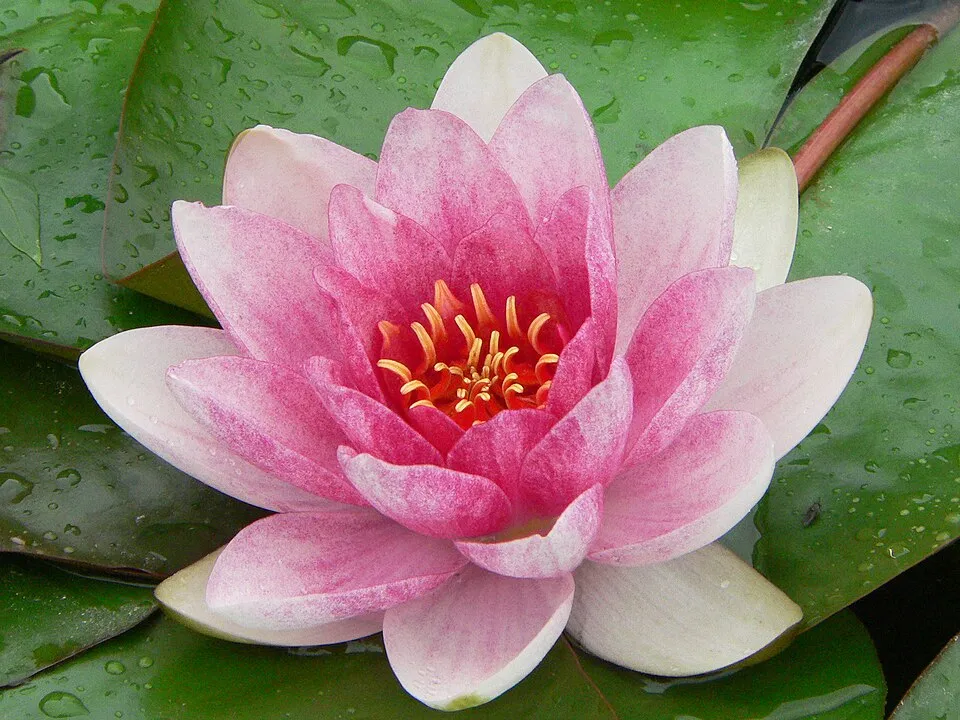
The Nymphaea Garden, a captivating hybrid within the Nymphaea genus, is widely cherished as a water lily, renowned for its striking aesthetic and historical significance in both horticulture and ethnobotanical practices. These meticulously developed hybrids boast an impressive spectrum of colors, encompassing pure whites, bright yellows, soft pinks, deep reds, and vivid blues, frequently displaying multi-toned petals and varied forms. The leaves, characteristically round or heart-shaped with a distinct notch, elegantly rest on the water's surface, creating a verdant tableau for the emerging blooms. Each exquisite flower ascends from the water on a robust stem, unfurling its intricate and often fragrant petals to reveal its full splendor.
Nymphaea hybrids are perennial aquatic plants, firmly anchored by their rhizomatous root systems in the muddy substrate of ponds, lakes, or specialized water gardens, with the rhizomes also serving as vital storage organs. The life cycle of the Nymphaea Garden is a marvel of natural engineering: it begins as a dormant rhizome, which then sends forth submersed roots and leaves. Eventually, submerged stems elongate, reaching the surface to unfurl their foliage and subsequently produce flower buds. These buds, encased by protective sepals, rise to the water's surface and open, typically in the morning, to display their vibrant glory and attract pollinators through their color and scent.
As the day progresses, the flowers may gently close, sometimes submerging, only to reopen the next day or to begin the process of developing seeds within a fleshy fruit. The resilience and longevity of Nymphaea hybrids make them a favored selection for creating serene and visually opulent aquatic landscapes, adapting well to various water depths given sufficient sunlight. Taxonomically, Nymphaea belongs to the Nymphaeaceae family, one of the most ancient lineages of flowering plants, with approximately 50 wild species predominantly found in tropical regions of the Northern Hemisphere. Historically, Nymphaea species have been cultivated since at least 2000 B.C., with modern varieties categorized into hardy hybrids, tropical day-blooming, and tropical night-blooming types.
Trusted Scientific References
1. Authoritative external sources for Nymphaea hybrid
1.1 Wikipedia — Nymphaea hybrid
1.2 Kew POWO (Plants of the World Online)
1.3 PubMed — peer-reviewed research
1.4 NCBI Taxonomy Browser
1.5 GBIF — Global Biodiversity
1.1.Nymphaea Garden — Defining Traits
- ✓Stunning Ornamental Aquatic Plant — Prized for its beauty in water gardens and ponds.
- ✓Rhizomatous Perennial — Grows from an underground stem, returning year after year.
- ✓Diverse Flower Colors and Shapes — Bred for a wide array of vibrant hues and petal forms.
- ✓Floating, Notched Leaves — Distinctive round or heart-shaped foliage resting on the water surface.
- ✓Traditional Calming Agent — Historically used for its anxiolytic and sedative effects.
- ✓Rich in Antioxidants — Contains flavonoids and phenolics that combat oxidative stress.
- ✓Requires Full Sun Exposure — Thrives in environments with ample direct sunlight.
- ✓Pollinator Attractor — Its fragrant and colorful blooms draw bees and other pollinators.
- ✓Hardy in Zones 5 — 10 — Adaptable to a broad range of temperate climates for hardy varieties.
- ✓Anchored in Substrate — Requires rooting in mud or heavy soil, not free-floating.
1.2.Nymphaea Garden — Snapshot Summary
- ✓Nymphaea Garden is an ornamental aquatic hybrid with traditional medicinal uses.
- ✓Valued for its calming, anti-inflammatory, and astringent properties.
- ✓Rich in bioactive compounds like flavonoids, tannins, and specific alkaloids.
- ✓Requires full sun and proper aquatic substrate for successful cultivation.
- ✓Should be used with caution, particularly by pregnant women, children, and those on certain medications.
- ✓Offers potential benefits for anxiety, inflammation, and digestive health.
2.Nymphaea Garden — Systematic Position
3.Nymphaea Garden — Botanical Stats
4.Nymphaea Garden — Plant Morphology
5.Nymphaea Garden — Where It Grows
6.Nymphaea Garden — Ethnobotanical Uses
7.Nymphaea Garden — Bioactive Constituents
- ✓Alkaloids — Key compounds like nupharine, nymphaeine, and deoxynupharidine are found in Nymphaea species, often contributing to sedative, anxiolytic, and analgesic effects.
- ✓Flavonoids — Abundant flavonoids such as quercetin, kaempferol, and their glycosides are present, conferring strong antioxidant, anti-inflammatory, and cardioprotective actions.
- ✓Tannins — High concentrations of hydrolyzable and condensed tannins provide significant astringent, antiseptic, and anti-diarrheal properties, particularly in rhizomes and leaves.
- ✓Phenolic Acids — Compounds like gallic acid, ellagic acid, and chlorogenic acid contribute to the plant's overall antioxidant capacity and possess anti-inflammatory and anticarcinogenic potential.
- ✓Saponins — These glycosides are found in various Nymphaea parts and may offer anti-inflammatory, immunomodulatory, and expectorant activities, though their specific roles are still under investigation.
- ✓Glycosides — Beyond flavonoids, various other glycosides, including cardiac glycosides in some species, contribute to diverse pharmacological activities, requiring careful study.
- ✓Steroids and Triterpenes — Phytosterols and triterpenoid compounds are present, known for their anti-inflammatory, adaptogenic, and hormone-modulating effects.
- ✓Polysaccharides — Water-soluble polysaccharides contribute to the plant's immunomodulatory properties and may play a role in its wound-healing and soothing applications.
- ✓Volatile Compounds — Essential oils and other volatile components, particularly from the flowers, impart characteristic fragrances and may possess mild anxiolytic and antimicrobial properties.
- ✓Fatty Acids — Lipids, including unsaturated fatty acids, are found in seeds and rhizomes, providing nutritional value and potentially contributing to overall health benefits.
- ✓Vitamins and Minerals — The plant contains various essential vitamins (e.g., Vitamin C, B vitamins) and minerals (e.g., calcium, iron), supporting general physiological functions.
8.Nymphaea Garden — What Research Suggests
- ✓Anxiolytic Properties — Certain Nymphaea species are traditionally utilized for their calming effects, potentially reducing anxiety and promoting a sense of tranquility through their alkaloid content.
- ✓Sedative Effects — Extracts from some water lily varieties have been historically employed to induce sleep and alleviate insomnia, attributed to compounds that interact with the central nervous system.
- ✓Anti-inflammatory Action — Flavonoids and other phenolic compounds present in Nymphaea species contribute to their ability to mitigate inflammation, offering relief for various inflammatory conditions.
- ✓Antioxidant Protection — Rich in polyphenols and flavonoids, the Nymphaea Garden exhibits significant antioxidant activity, safeguarding cells from oxidative stress and free radical damage.
- ✓Astringent Qualities — The presence of tannins provides potent astringent properties, making certain water lily parts useful for tightening tissues, aiding in wound healing, and treating diarrhea.
- ✓Antipyretic Support — Traditionally, some Nymphaea species have been used to help reduce fever, possibly by modulating thermoregulatory pathways or through their anti-inflammatory effects.
- ✓Digestive Aid — Due to their astringent nature, water lilies have been applied in traditional medicine to soothe gastrointestinal discomfort and help manage conditions like dysentery.
- ✓Skin Soothing — Topically, preparations from Nymphaea can be used to calm irritated skin, reduce redness, and promote healing of minor abrasions or inflammatory skin conditions.
- ✓Cardioprotective Potential — Emerging research suggests that some Nymphaea constituents may offer benefits for cardiovascular health, possibly through antioxidant and anti-inflammatory mechanisms.
- ✓Antidiabetic Insights — Certain Nymphaea species are being investigated for their potential to help regulate blood glucose levels, offering a traditional perspective on managing diabetes.
- ✓Diuretic Activity — Traditional uses indicate that some water lily preparations can act as mild diuretics, aiding in the elimination of excess fluids and supporting urinary tract health.
- ✓Antimicrobial Properties — Preliminary studies on various Nymphaea extracts have shown mild antimicrobial activity against certain pathogens, contributing to their traditional use in infection management.
8.1.Nymphaea Garden — Therapeutic Indications
9.Nymphaea Garden — Precautions & Warnings
9.1.Nymphaea Garden — Caution Notes
- ✓Allergic Reactions — Sensitive individuals may experience skin rashes, itching, or respiratory issues upon contact or ingestion.
- ✓Gastrointestinal Upset — High doses may lead to nausea, vomiting, or diarrhea due to potent compounds.
- ✓Sedation/Drowsiness — Preparations with sedative properties might cause excessive drowsiness, impairing concentration and motor skills.
- ✓Hypotension — In rare cases, some constituents could potentially lower blood pressure, especially in individuals on hypotensive medication.
- ✓Drug Interactions — May interact with central nervous system depressants, sedatives, or blood-thinning medications, increasing their effects.
- ✓Photosensitivity — Very rarely, some Nymphaea species may induce photosensitivity, making skin more susceptible to sunburn.
- ✓Toxicity from Misidentification — Incorrect identification of species or hybrids can lead to consumption of toxic Nymphaea varieties.
9.2.Nymphaea Garden — Toxicity Assessment
- ✓Professional Consultation — Always consult a qualified healthcare practitioner or medical herbalist before using Nymphaea Garden for medicinal purposes.
- ✓Pregnancy and Lactation — Avoid use during pregnancy and breastfeeding due to insufficient safety data and potential effects on uterine contractions or infant development.
- ✓Pediatric Use — Not recommended for infants and young children without explicit medical supervision due to lack of specific dosage guidelines and safety studies.
- ✓Allergic History — Individuals with known allergies to plants in the Nymphaeaceae family or other aquatic plants should exercise caution.
- ✓Pre-existing Conditions — Patients with heart conditions, liver disease, kidney impairment, or low blood pressure should use with extreme caution.
- ✓Operating Machinery — Due to potential sedative effects, avoid driving or operating heavy machinery after consuming Nymphaea preparations.
- ✓Dosage Adherence — Strictly adhere to recommended dosages; excessive intake can amplify side effects and potential risks.
10.Nymphaea Garden — Application Forms
- ✓Herbal Infusion (Tea) — Dried flowers or leaves can be steeped in hot water to create a calming tea, often consumed for stress relief or to aid sleep.
- ✓Decoction — Rhizomes, which are harder, can be boiled in water to extract their compounds, used traditionally for their astringent properties in treating digestive issues.
- ✓Topical Poultice — Crushed fresh leaves or rhizomes can be applied directly to the skin as a poultice to soothe inflammation, minor wounds, or skin irritations.
- ✓Tincture — An alcoholic extract can be prepared from dried plant parts, allowing for concentrated internal use, typically administered in drops under the tongue or in water.
- ✓Powdered Form — Dried Nymphaea plant material, particularly rhizomes, can be ground into a fine powder and encapsulated for convenient internal consumption or mixed into beverages.
- ✓Culinary Use (Specific Species) — In some traditional cultures, the rhizomes and seeds of certain Nymphaea species are cooked and consumed as a food source.
- ✓Aromatic Oil — Essential oils, if safely extracted from the flowers of specific Nymphaea varieties, can be used in aromatherapy for their calming and pleasant fragrance.
- ✓Herbal Bath — Dried flowers or a strong decoction can be added to bathwater to create a relaxing and skin-soothing herbal bath.
11.Nymphaea Garden — Growth Requirements
- ✓Full Sun Exposure — Nymphaea Garden hybrids require at least 5-6 hours of direct sunlight daily for optimal growth and prolific flowering.
- ✓Substrate Anchoring — Plant rhizomes firmly in heavy clay soil or a specialized aquatic planting mix at the bottom of a pond or in a submerged container.
- ✓Appropriate Water Depth — Ensure the water depth is suitable for the specific cultivar, typically ranging from 1 to 3 feet above the rhizome, allowing leaves and flowers to reach the surface.
- ✓Regular Fertilization — Fertilize with slow-release aquatic plant fertilizer tablets pushed into the soil around the rhizome, following package directions, especially during the growing season.
- ✓Spring Division — Divide crowded rhizomes every 2-3 years in the spring before new growth begins to maintain plant vigor and encourage blooming.
- ✓Deadheading — Remove spent flowers and yellowing leaves regularly to encourage continuous blooming and maintain the aesthetic appeal of the water garden.
- ✓Winter Protection — For hardy varieties, ensure rhizomes are planted deep enough to prevent freezing in winter; tropical varieties may need to be brought indoors in colder climates.
- ✓Pest and Disease Monitoring — Regularly inspect for common issues like waterlily aphids, beetles, midges, and fungal leaf spots, treating promptly with appropriate aquatic-safe methods.
Reviewed by the Flora Medical Global Botanical Review Panel
Multi-disciplinary editorial group · Botany · Ethnobotany · Herbal-medicine literature
Who reviewed this: This page was checked by the Flora Medical Global Botanical Review Panel — an in-house editorial group of botany graduates, ethnobotany researchers, and horticulture practitioners who collectively maintain our 7,000+ plant encyclopedia. Meet the team.
Our 4-step verification process
1. Taxonomic verification
Scientific names and synonyms cross-checked against Kew POWO, World Flora Online, and The Plant List.
2. Phytochemical & medicinal cross-reference
Active compounds, traditional uses, and reported activities are cross-referenced with PubMed, USDA Dr. Duke's database, and peer-reviewed ethnobotanical literature.
3. Conservation & distribution check
Distribution, ecology, and conservation status confirmed against GBIF occurrence records and the IUCN Red List.
4. Editorial & safety review
Every entry passes an editorial pass for clarity, originality, and safety notices (toxicity, contraindications, dosage caveats) before publication.
Last reviewed:
Important medical disclaimer: This content is for educational and research purposes only. It is not medical advice and is not a substitute for consultation with a licensed healthcare provider. Do not use any herb to self-treat a medical condition without professional guidance.
Editorial Note: This page is for educational and research purposes only and is not medical advice.
Written by: Flora Medical Global Editorial Team
Reviewed by: Flora Medical Global Botanical Review Panel
Last Updated: June 15, 2026





Nymphaea Garden — Comments & Community Reviews
Rate this plant