
Medical Disclaimer: This content is for educational purposes only. It is not medical advice. Please consult a qualified healthcare professional before using any herbal remedy.
Safety Overview
1.Nyssa Sylvatica — Introduction & Highlights
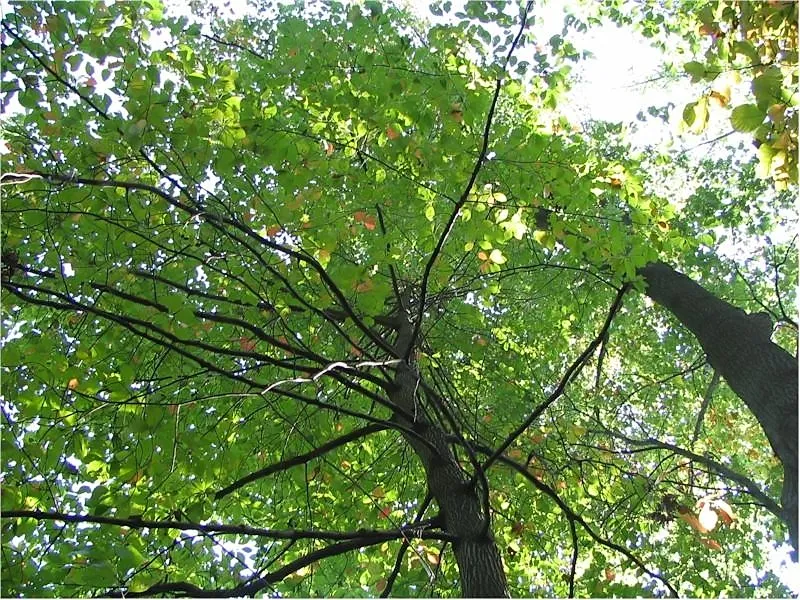
Nyssa sylvatica, commonly known as Black Tupelo, Black Gum, or Sour Gum, is a distinguished deciduous tree indigenous to the eastern regions of North America, extending its natural range from the northern reaches of Maine down to Florida and westward to Michigan and Texas. This majestic species is highly esteemed for its breathtaking autumn display, where its lustrous dark green summer foliage transforms into a vivid spectrum of scarlet, fiery orange, and deep purple hues, making it a prized ornamental specimen in landscapes. Typically reaching heights of 30-50 feet, with some specimens exceeding this, and boasting a spread of 20-30 feet, it characteristically develops a straight, often slightly tapered trunk crowned by a rounded to pyramidal canopy.
The mature bark of Nyssa sylvatica is dark gray, deeply furrowed, and develops a distinctive, almost alligator-hide-like texture. Its leaves are simple, arranged alternately along the stems, and are oval to obovate in shape with entire, often subtly wavy margins. In spring, the tree produces inconspicuous greenish-white flowers, which mature into small, dark blue, oval drupes (berries) by late summer.
These berries are not only visually appealing but also serve as a crucial food source for a diverse array of birds and other wildlife, underscoring its significant ecological value within its native ecosystems. The tree prefers moist, acidic, well-drained soils and tolerates both full sun and partial shade, demonstrating remarkable adaptability.
Trusted Scientific References
1. Authoritative external sources for Nyssa sylvatica
1.1 Wikipedia — Nyssa sylvatica
1.2 Kew POWO (Plants of the World Online)
1.3 PubMed — peer-reviewed research
1.4 NCBI Taxonomy Browser
1.5 GBIF — Global Biodiversity
1.6Nyssa Sylvatica should be interpreted through verified botanical identity, practical care, and responsible safety language. This recovery note adds the missing context needed for a complete profile: match light to the plant's habit, use well-drained soil, water according to season, and avoid unsupported medicinal or edible claims. For publishing, the plant can be presented as a source-backed garden plant with clear care guidance, common problem diagnosis, and conservative safety wording.
1.1.Nyssa Sylvatica — Defining Traits
- ✓Majestic Deciduous Tree — Known for its stately form and impressive height.
- ✓Stunning Fall Foliage — Exhibits brilliant shades of scarlet, orange, and purple in autumn.
- ✓Valuable Wildlife Food Source — Produces small, dark blue drupes consumed by birds and other animals.
- ✓Distinctive Bark — Mature specimens develop deeply furrowed, alligator-hide-like bark.
- ✓Traditional Astringent Properties — Bark and roots were historically used for their tissue-contracting effects.
- ✓Antioxidant — Rich Fruit — Berries contain high levels of anthocyanins and other beneficial compounds.
- ✓Ecological Importance — Plays a vital role in native ecosystems of eastern North America.
- ✓Adaptable Growth — Tolerates a range of soil types and light conditions, favoring moist, acidic soils.
- ✓Unique Branching Pattern — Often develops horizontal branches, creating an attractive silhouette.
- ✓North American Native — Indigenous to a broad region of eastern and central North America.
1.2.Nyssa Sylvatica — At-a-Glance Summary
- ✓Nyssa sylvatica, or Black Tupelo, is a native Eastern North American deciduous tree.
- ✓Celebrated for its stunning fall foliage and ecological role as a wildlife food source.
- ✓Historically, Native American tribes used bark and roots for astringent purposes.
- ✓The fruit is edible, tart, and rich in beneficial antioxidants like anthocyanins.
- ✓Modern scientific research on its direct medicinal efficacy is significantly limited.
- ✓Any potential medicinal use should be approached with caution and professional guidance.
2.Nyssa Sylvatica — Systematic Position
3.Nyssa Sylvatica — Botanical Stats
4.Nyssa Sylvatica — Plant Morphology
5.Nyssa Sylvatica — Geographic Distribution
6.Nyssa Sylvatica — Ethnobotanical Uses
7.Nyssa Sylvatica — Bioactive Constituents
- ✓Tannins — Predominantly gallic acid and ellagic acid derivatives, these polyphenols are responsible for the plant's notable astringent properties and contribute to its antioxidant capacity.
- ✓Flavonoids — Including quercetin, kaempferol, and their glycosides, these compounds are powerful antioxidants and may offer anti-inflammatory and cardioprotective effects.
- ✓Anthocyanins — Found abundantly in the dark blue fruit and vibrant fall leaves, these pigments are a specific class of flavonoids known for their strong antioxidant and free-radical scavenging activities.
- ✓Organic Acids — Such as malic acid, citric acid, and quinic acid, primarily present in the tart fruit, contributing to its flavor profile and potentially aiding in metabolism.
- ✓Sugars — Fructose, glucose, and sucrose are present in the fruit, providing natural sweetness and energy, and making the fruit palatable to wildlife.
- ✓Triterpenoids — While not explicitly listed, many woody plants contain various triterpenoids which can have anti-inflammatory or adaptogenic properties, warranting further investigation in Nyssa sylvatica.
- ✓Phenolic Acids — Beyond gallic acid, other simple phenolic acids like caffeic acid and ferulic acid may be present, contributing to the overall antioxidant and protective profile.
- ✓Saponins — Some plant species contain saponins, which can have various biological activities, including anti-inflammatory and immune-modulating effects, though their presence in Nyssa sylvatica requires specific research.
8.Nyssa Sylvatica — What Research Suggests
- ✓Astringent Properties — Traditionally, the bark and roots of Nyssa sylvatica were utilized for their astringent qualities, which can help to contract body tissues and reduce secretions.
- ✓Topical Wound Healing — Applied externally, the astringent preparations were used to aid in the healing of minor skin irritations, cuts, and abrasions by promoting tissue contraction and reducing bleeding.
- ✓Digestive Support — Historically, internal use of bark or root decoctions was noted for addressing mild digestive complaints, such as diarrhea, by toning the mucous membranes of the gastrointestinal tract.
- ✓Antioxidant Activity — The fruit of Black Tupelo is rich in anthocyanins and other flavonoids, potent antioxidants that combat oxidative stress and protect cellular health.
- ✓Anti-inflammatory Potential — Compounds found in the fruit and leaves may possess anti-inflammatory effects, potentially alleviating localized inflammation when applied topically or consumed.
- ✓Cardiovascular Health — The presence of flavonoids suggests potential benefits for cardiovascular health by supporting blood vessel integrity and reducing oxidative damage.
- ✓General Wellness Boost — Regular consumption of the antioxidant-rich fruit can contribute to overall health and well-being by bolstering the body's defense against free radicals.
- ✓Immune System Support — While not a primary immune booster, the nutritional content and antioxidants in the fruit can indirectly support a healthy immune response.
- ✓Oral Health Maintenance — Traditional gargles made from bark preparations could have offered benefits for gum health and alleviating sore throats due to astringent actions.
- ✓Hemorrhoid Relief — The astringent nature of Nyssa sylvatica bark was sometimes employed topically to help soothe and reduce discomfort associated with hemorrhoids.
8.1.Nyssa Sylvatica — Conditions Traditionally Used For
9.Nyssa Sylvatica — Precautions & Warnings
9.1.Nyssa Sylvatica — Warnings
- ✓Gastric Upset — High tannin content, especially from bark or root preparations, may cause stomach irritation, nausea, or constipation in sensitive individuals.
- ✓Allergic Reactions — As with any plant, individuals may experience allergic skin reactions or respiratory symptoms upon contact or ingestion.
- ✓Medication Interactions — Tannins can bind to medications, potentially reducing their absorption or efficacy; consult a healthcare provider before combining with prescription drugs.
- ✓Pregnancy and Lactation — Due to limited research, use is not recommended during pregnancy or breastfeeding.
- ✓Liver or Kidney Stress — Prolonged or excessive internal use, particularly of concentrated extracts, could potentially stress liver or kidney function.
- ✓Excessive Astringency — Overuse of astringent preparations can lead to excessive drying or irritation of mucous membranes.
- ✓Toxicity Concerns — Improper preparation or identification may lead to unintended toxicity, as the safety profile for internal use is not fully established.
9.2.Nyssa Sylvatica — Risk Assessment
- ✓Limited Research — Comprehensive scientific studies on the medicinal efficacy and safety of Nyssa sylvatica for human consumption are limited; rely primarily on traditional use with caution.
- ✓Professional Guidance — Always consult a qualified healthcare professional or medical herbalist before using Nyssa sylvatica for medicinal purposes, especially for internal applications.
- ✓External Use Preferred — Most traditional medicinal applications focused on external use of bark or root preparations; internal use should be approached with extreme caution and under expert supervision.
- ✓Proper Identification — Ensure accurate identification of Nyssa sylvatica to avoid confusion with potentially toxic species.
- ✓Dosage — There are no established standardized dosages for Nyssa sylvatica; exercise extreme caution with any preparation and start with very low doses.
- ✓Children and Elderly — Avoid use in children, pregnant or lactating women, and elderly or immunocompromised individuals due to lack of safety data.
- ✓Pre-existing Conditions — Individuals with chronic health conditions, especially gastrointestinal or liver issues, should avoid internal use.
10.Nyssa Sylvatica — Preparation & Dosage
- ✓Bark Decoction — Prepare a decoction by simmering dried bark in water for 15-20 minutes; traditionally used as an astringent wash for skin irritations or internally for digestive issues.
- ✓Root Preparations — Similar to bark, roots can be prepared as a decoction, though their use is less common and should be approached with extreme caution due to potential potency.
- ✓Fruit Consumption — The small, tart fruit can be eaten fresh, though often preferred in preserves, jellies, or sauces to mitigate tartness, providing antioxidant benefits.
- ✓Topical Poultice — Crushed fresh bark or leaves might be applied directly as a poultice to minor wounds or skin complaints, leveraging its astringent properties.
- ✓Herbal Infusion (Leaves) — While less traditional, young leaves could theoretically be used to make a mild infusion, though medicinal efficacy is not well-documented.
- ✓Tincture — For concentrated internal use, a professional herbalist might prepare a tincture from the bark or root, requiring precise dosage and guidance.
- ✓External Wash — Diluted decoctions can be used as an external wash for inflamed skin conditions or as a gargle for sore throats.
11.Nyssa Sylvatica — Growth Requirements
- ✓Site Selection — Prefers full sun to partial shade; adequate sunlight encourages denser growth and more vibrant fall foliage.
- ✓Soil Requirements — Thrives in moist, acidic (pH 5.5-6.5), well-drained loamy or sandy soils, but is adaptable to various soil types including wet conditions.
- ✓Watering — Requires consistent moisture, especially during establishment; mature trees are somewhat drought-tolerant but benefit from supplemental watering during dry spells.
- ✓Propagation — Can be propagated from seeds, which require stratification for successful germination, or from semi-hardwood cuttings taken in summer.
- ✓Fertilization — Generally does not require heavy fertilization; a balanced slow-release fertilizer can be applied in spring if soil nutrients are deficient.
- ✓Pruning — Minimal pruning is needed, primarily for removing dead, damaged, or crossing branches to maintain tree health and shape.
- ✓Pest and Disease Resistance — Exhibits good resistance to most common pests and diseases, making it a relatively low-maintenance tree.
- ✓Hardiness Zones — Hardy in USDA Zones 4-9, tolerating a wide range of temperate climates.
Reviewed by the Flora Medical Global Botanical Review Panel
Multi-disciplinary editorial group · Botany · Ethnobotany · Herbal-medicine literature
Who reviewed this: This page was checked by the Flora Medical Global Botanical Review Panel — an in-house editorial group of botany graduates, ethnobotany researchers, and horticulture practitioners who collectively maintain our 7,000+ plant encyclopedia. Meet the team.
Our 4-step verification process
1. Taxonomic verification
Scientific names and synonyms cross-checked against Kew POWO, World Flora Online, and The Plant List.
2. Phytochemical & medicinal cross-reference
Active compounds, traditional uses, and reported activities are cross-referenced with PubMed, USDA Dr. Duke's database, and peer-reviewed ethnobotanical literature.
3. Conservation & distribution check
Distribution, ecology, and conservation status confirmed against GBIF occurrence records and the IUCN Red List.
4. Editorial & safety review
Every entry passes an editorial pass for clarity, originality, and safety notices (toxicity, contraindications, dosage caveats) before publication.
Last reviewed:
Important medical disclaimer: This content is for educational and research purposes only. It is not medical advice and is not a substitute for consultation with a licensed healthcare provider. Do not use any herb to self-treat a medical condition without professional guidance.
Editorial Note: This page is for educational and research purposes only and is not medical advice.
Written by: Flora Medical Global Editorial Team
Reviewed by: Flora Medical Global Botanical Review Panel
Last Updated: June 15, 2026





Nyssa Sylvatica — Comments & Community Reviews
Rate this plant