
Medical Disclaimer: This content is for educational purposes only. It is not medical advice. Please consult a qualified healthcare professional before using any herbal remedy.
Safety Overview
1.Oenothera Fireworks — At a Glance
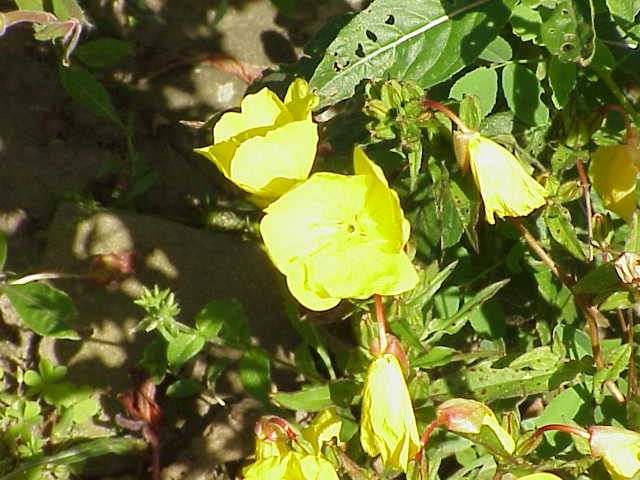
Oenothera 'Fireworks', a captivating cultivar of Oenothera fruticosa, is a vibrant perennial celebrated for its profusion of brilliant yellow-orange, cup-shaped flowers. These striking blooms emerge from distinctively reddish buds and are held atop equally red-tinged stems, creating a dazzling display reminiscent of exploding fireworks in the garden. This compact and bushy plant typically grows to about 18 to 36 inches (45-90 cm) tall, forming a neat clump that adds a burst of long-lasting color from late spring through summer, generally from April to July.
Its lance-shaped leaves, about 2-3 inches long, provide a lush green backdrop. Native to a wide range across Eastern North America, from Southern New England to New York, Tennessee, and Missouri, extending south to Florida and Oklahoma, Oenothera fruticosa thrives in diverse habitats including dry woods, roadsides, and open meadows. It is a vital component of local ecosystems, attracting a variety of pollinators such as bees, butterflies, and hummingbirds with its cheerful blossoms.
In warmer southern regions, the plant often forms an evergreen basal rosette that may take on a reddish-purple hue during colder months, adding interest even when not in bloom. Its taxonomic classification places it within the Onagraceae, commonly known as the Evening Primrose family, and it is also known by common names such as Narrowleaf Evening-primrose and Sundrops.
Trusted Scientific References
1. Authoritative external sources for Oenothera fruticosa
1.1 Wikipedia — Oenothera fruticosa
1.2 Kew POWO (Plants of the World Online)
1.3 PubMed — peer-reviewed research
1.4 NCBI Taxonomy Browser
1.5 GBIF — Global Biodiversity
1.6Oenothera Fireworks should be interpreted through verified botanical identity, practical care, and responsible safety language. This recovery note adds the missing context needed for a complete profile: match light to the plant's habit, use well-drained soil, water according to season, and avoid unsupported medicinal or edible claims. For publishing, the plant can be presented as a source-backed garden plant with clear care guidance, common problem diagnosis, and conservative safety wording.
1.1.Oenothera Fireworks — Highlights
- ✓Scientific Name — Oenothera fruticosa (cultivar 'Fireworks').
- ✓Family — Onagraceae (Evening Primrose family).
- ✓Bloom Time — Late spring through summer (April-July).
- ✓Flower Color — Brilliant yellow-orange, cup-shaped, emerging from reddish buds.
- ✓Height — Typically 18-36 inches (0.45-0.9 meters) tall.
- ✓Medicinal Value — Contains Gamma-Linolenic Acid (GLA) in seeds (genus-wide), along with flavonoids and tannins.
- ✓Primary Uses — Anti-inflammatory, skin health support, hormonal balance (derived from Oenothera genus research).
- ✓Habitat — Native to eastern North America; thrives in dry woods, roadsides, and meadows.
- ✓Pollinator Attractor — Highly attractive to bees, butterflies, and hummingbirds.
- ✓Cultivation — Prefers full sun and well-drained soil; drought-tolerant once established.
1.2.Oenothera Fireworks — Snapshot Summary
- ✓Oenothera 'Fireworks' is a stunning cultivar of Oenothera fruticosa, celebrated for its vibrant yellow-orange blooms and reddish stems.
- ✓While primarily ornamental, its genus Oenothera is renowned in herbal medicine, especially for the benefits of O. biennis.
- ✓Key chemical constituents include Gamma-Linolenic Acid (GLA), flavonoids, and tannins, contributing to anti-inflammatory and antioxidant properties.
- ✓Traditionally utilized for supporting skin health, hormonal balance, and joint comfort, primarily through Oenothera seed oil.
- ✓Cultivation is straightforward, requiring full sun and well-drained soil, and it acts as an excellent pollinator attractor.
- ✓Important safety considerations include potential gastrointestinal upset, interactions with blood thinners, and caution for pregnant individuals or those with seizure disorders.
2.Oenothera Fireworks — Nomenclature & Classification
3.Oenothera Fireworks — Key Data
4.Oenothera Fireworks — Botanical Description
5.Oenothera Fireworks — Native Range & Habitat
6.Oenothera Fireworks — Heritage Uses
7.Oenothera Fireworks — Phytochemistry
- ✓Gamma-Linolenic Acid (GLA) — A vital omega-6 essential fatty acid, primarily found in the seeds, acting as a precursor to anti-inflammatory prostaglandins and crucial for skin barrier function and hormonal regulation.
- ✓Linoleic Acid (LA) — Another predominant omega-6 fatty acid in the seeds, serving as a precursor to GLA and essential for maintaining cell membrane integrity and overall physiological health.
- ✓Other Fatty Acids — Including oleic acid (omega-9) and palmitic acid (saturated), which contribute to the nutritional profile and emollient properties, especially in the seed oil.
- ✓Flavonoids — Such as quercetin, kaempferol, and their glycosides, present in leaves and flowers, offering significant antioxidant, anti-inflammatory, and potentially cardioprotective activities.
- ✓Tannins — Astringent polyphenolic compounds found in various plant parts, contributing to antioxidant properties, wound healing, and potential antimicrobial effects.
- ✓Triterpenes — A diverse group of secondary metabolites, including compounds like ursolic acid, which may possess anti-inflammatory, antimicrobial, and hepatoprotective properties.
- ✓Phenolic Acids — Examples include gallic acid and ellagic acid, potent antioxidants that help protect against cellular damage caused by oxidative stress.
- ✓Phytosterols — Plant sterols like beta-sitosterol, which can help manage cholesterol levels and exhibit anti-inflammatory effects.
- ✓Saponins — Glycosides that can have expectorant, anti-inflammatory, and immune-modulating effects, though their presence in O. fruticosa is typically in lower concentrations.
- ✓Polysaccharides — Complex carbohydrates that may support immune function and contribute to demulcent properties, potentially soothing mucous membranes.
8.Oenothera Fireworks — Evidence-Based Benefits
- ✓Anti-inflammatory Support — The Oenothera genus, particularly its seeds, is a rich source of Gamma-Linolenic Acid (GLA), an omega-6 fatty acid known for its potent anti-inflammatory properties that can help mitigate systemic inflammation.
- ✓Skin Health Enhancement — GLA in Oenothera species supports the epidermal barrier function, potentially alleviating symptoms of various skin conditions, including eczema, by promoting moisture retention and reducing redness.
- ✓Hormonal Balance — Oenothera seed oil is traditionally used to help regulate prostaglandin synthesis, which may contribute to easing discomforts associated with premenstrual syndrome (PMS) and menopausal symptoms.
- ✓Joint Comfort — The anti-inflammatory actions of GLA can help reduce pain, swelling, and stiffness in joints, offering symptomatic relief for conditions like rheumatoid arthritis.
- ✓Cardiovascular Health — Essential fatty acids such as Linoleic Acid (LA) and GLA present in Oenothera may support healthy cholesterol levels and contribute to overall cardiovascular well-being.
- ✓Antioxidant Protection — Flavonoids and tannins found in various Oenothera species act as potent antioxidants, helping to neutralize free radicals and protect cellular structures from oxidative damage.
- ✓Digestive Support — While less studied for O. fruticosa specifically, some Oenothera species have traditional uses for soothing mild digestive upsets due to their demulcent and anti-inflammatory compounds.
- ✓Immune System Modulation — Certain compounds within the Oenothera genus may help modulate immune responses, supporting a balanced and healthy immune system.
- ✓Neurological Support — Omega-6 fatty acids are crucial for nerve function and the integrity of myelin sheaths, potentially offering support for neurological health.
- ✓Hair and Nail Health — The nourishing essential fatty acids provided by Oenothera can contribute to stronger, healthier hair and nails, addressing nutritional deficiencies that might impact their condition.
8.1.Oenothera Fireworks — Reported Uses
9.Oenothera Fireworks — Cautions & Contraindications
9.1.Oenothera Fireworks — Possible Adverse Reactions
- ✓Gastrointestinal Upset — Some individuals may experience mild side effects such as nausea, stomach discomfort, or diarrhea, particularly with higher doses of Oenothera seed oil.
- ✓Headache — Occasional reports of headaches or migraines have been associated with Oenothera seed oil supplementation in sensitive individuals.
- ✓Allergic Reactions — Rare instances of allergic reactions, including skin rashes, itching, or difficulty breathing, can occur, especially in individuals with known plant allergies.
- ✓Increased Bleeding Risk — Due to potential antiplatelet effects, Oenothera oil might theoretically increase the risk of bleeding, particularly when combined with anticoagulant or antiplatelet medications.
- ✓Seizure Threshold Lowering — Historical concerns exist, though largely unsubstantiated and rare, that Oenothera oil could lower the seizure threshold in susceptible individuals, especially those on phenothiazine drugs.
- ✓Drug Interactions — May interact with certain medications, including blood thinners (anticoagulants), non-steroidal anti-inflammatory drugs (NSAIDs), and some medications for psychiatric conditions.
9.2.Oenothera Fireworks — Toxicity Assessment
- ✓Pregnancy and Lactation — Avoid use during pregnancy and lactation due as insufficient safety data is available; always consult a healthcare professional before use.
- ✓Surgery — Discontinue Oenothera products at least two weeks prior to any scheduled surgery due to their potential to increase bleeding risk.
- ✓Bleeding Disorders — Individuals with diagnosed bleeding disorders or those currently taking anticoagulant or antiplatelet medications should use Oenothera with extreme caution and under strict medical supervision.
- ✓Epilepsy/Seizure Disorders — Patients with epilepsy or seizure disorders, especially those on phenothiazine medications, should avoid Oenothera oil unless specifically recommended and monitored by a physician.
- ✓Children — Consult a pediatrician before administering Oenothera products to children, as specific dosing recommendations and comprehensive safety data for pediatric use are limited.
- ✓Dosage Adherence — Always adhere strictly to recommended dosages provided by manufacturers or healthcare professionals, as excessive intake may increase the likelihood of adverse effects.
- ✓Quality Sourcing — Ensure that any Oenothera products are sourced from reputable suppliers to guarantee purity, potency, and absence of contaminants, aligning with good manufacturing practices.
10.Oenothera Fireworks — Usage Guide
- ✓Seed Oil Extraction — Seeds from Oenothera species, particularly O. biennis, are pressed to yield a valuable oil rich in Gamma-Linolenic Acid (GLA), the primary medicinal component.
- ✓Encapsulated Supplements — Oenothera seed oil is widely available in softgel capsules for convenient oral administration, targeting systemic benefits such as skin health and hormonal balance.
- ✓Topical Application — The extracted oil can be applied directly to the skin as a moisturizer and emollient, helping to soothe irritation, reduce dryness, and support the skin barrier.
- ✓Herbal Infusions — Leaves and flowers of some Oenothera species can be used to prepare mild herbal teas, traditionally consumed for their gentle calming or digestive properties.
- ✓Tinctures — Alcoholic extracts can be prepared from the aerial parts or roots of Oenothera species to create concentrated liquid remedies for internal use.
- ✓Culinary Use — Young leaves and roots of certain Oenothera species are edible and can be incorporated into salads or cooked as vegetables, offering a mild, earthy flavor.
- ✓Decoctions — For tougher plant parts like roots (if used), a decoction is prepared by simmering the material in water to extract water-soluble beneficial compounds.
11.Oenothera Fireworks — Garden Cultivation
- ✓Light Requirement — Oenothera 'Fireworks' thrives in full sun, needing at least 6 hours of direct sunlight daily for optimal flowering and robust growth.
- ✓Soil Preference — Prefers well-drained soil but is highly adaptable, tolerating a range of soil types including poor, sandy, brackish, or lime soils; it dislikes heavy, wet clay.
- ✓Planting Guidelines — Plant in spring or fall, ensuring plants are spaced 12-18 inches (30-45 cm) apart to allow for adequate air circulation and mature spread.
- ✓Watering Regimen — Water regularly during dry spells, particularly crucial during the first growing season to establish a strong, healthy root system; it becomes drought-tolerant once established.
- ✓Propagation Techniques — Easily propagated by seed, stem cuttings taken in spring or early summer, or by division of mature clumps during spring or fall.
- ✓Maintenance Practices — Deadhead spent flowers to encourage continuous blooming throughout the season and to prevent excessive self-seeding, though some naturalization can be desirable.
- ✓Hardiness Zone — Generally hardy in USDA Zones 4-8, forming a persistent basal rosette in milder climates that may exhibit reddish-purple coloration in winter.
- ✓Pest and Disease Control — Relatively resistant to most pests and diseases; however, monitor for powdery mildew in humid conditions or root rot if planted in poorly drained soil.
Reviewed by the Flora Medical Global Botanical Review Panel
Multi-disciplinary editorial group · Botany · Ethnobotany · Herbal-medicine literature
Who reviewed this: This page was checked by the Flora Medical Global Botanical Review Panel — an in-house editorial group of botany graduates, ethnobotany researchers, and horticulture practitioners who collectively maintain our 7,000+ plant encyclopedia. Meet the team.
Our 4-step verification process
1. Taxonomic verification
Scientific names and synonyms cross-checked against Kew POWO, World Flora Online, and The Plant List.
2. Phytochemical & medicinal cross-reference
Active compounds, traditional uses, and reported activities are cross-referenced with PubMed, USDA Dr. Duke's database, and peer-reviewed ethnobotanical literature.
3. Conservation & distribution check
Distribution, ecology, and conservation status confirmed against GBIF occurrence records and the IUCN Red List.
4. Editorial & safety review
Every entry passes an editorial pass for clarity, originality, and safety notices (toxicity, contraindications, dosage caveats) before publication.
Last reviewed:
Important medical disclaimer: This content is for educational and research purposes only. It is not medical advice and is not a substitute for consultation with a licensed healthcare provider. Do not use any herb to self-treat a medical condition without professional guidance.
Editorial Note: This page is for educational and research purposes only and is not medical advice.
Written by: Flora Medical Global Editorial Team
Reviewed by: Flora Medical Global Botanical Review Panel
Last Updated: June 15, 2026





Oenothera Fireworks — Comments & Community Reviews
Rate this plant