


Medical Disclaimer: This content is for educational purposes only. It is not medical advice. Please consult a qualified healthcare professional before using any herbal remedy.
Safety Overview
1.Olive Oil Plant — Introduction & Highlights
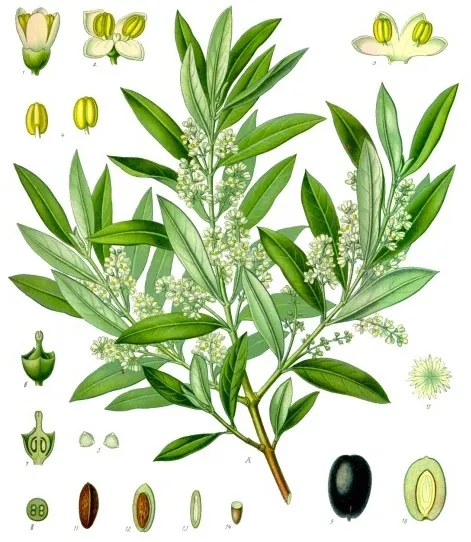
The Olive Oil Plant, scientifically known as Olea europaea, is an iconic evergreen tree belonging to the Oleaceae family, revered for its fruit and the precious oil extracted from it. Typically growing to a height of 8-15 meters, some ancient specimens can reach much greater sizes. It features a gnarled trunk, often twisted with age, and a dense, rounded crown.
Its distinctive leaves are lanceolate, oppositely arranged, and exhibit a characteristic silvery-green color on the upper surface, with a paler, often scaly or stellate-hairy underside, an adaptation to reduce water loss in arid environments. Small, fragrant white flowers bloom in clusters during spring, giving way to the drupe fruit, which ripens from green to a deep purple or black. Native to the Mediterranean basin, the Middle East, and North Africa, Olea europaea thrives in dry, rocky, calcareous soils and a climate characterized by long, hot, dry summers and mild, wet winters.
Its distribution has expanded globally due to extensive cultivation, making it a cornerstone of Mediterranean agriculture and culture for millennia, deeply rooted in history, economy, and traditional healing practices.
Trusted Scientific References
1. Authoritative external sources for Olea europaea
1.1 Wikipedia — Olea europaea
1.2 Kew POWO (Plants of the World Online)
1.3 PubMed — peer-reviewed research
1.4 NCBI Taxonomy Browser
1.5 GBIF — Global Biodiversity
1.6Olive Oil Plant should be interpreted through verified botanical identity, practical care, and responsible safety language. This recovery note adds the missing context needed for a complete profile: match light to the plant's habit, use well-drained soil, water according to season, and avoid unsupported medicinal or edible claims. For publishing, the plant can be presented as a source-backed medicinal plant with clear care guidance, common problem diagnosis, and conservative safety wording.
1.7Olive Oil Plant (Olea europaea) is maintained in this recovery file as a complete medicinal profile with practical care, safety, and identification context. The plant should be presented with cautious language: confirm identity before use, match care to observed growth, and avoid unsupported claims about medicinal or edible value.
1.1.Olive Oil Plant — Standout Qualities
- ✓Evergreen tree native — Evergreen tree native to the Mediterranean basin.
- ✓Source of the — Source of the highly prized extra virgin olive oil.
- ✓Leaves are exceptionally — Leaves are exceptionally rich in phenolic compounds.
- ✓Known for its strong antioxidant and anti — inflammatory capacity.
- ✓Exhibits significant cardiovascular — Exhibits significant cardiovascular protective actions.
- ✓Possesses broad — spectrum antimicrobial properties.
- ✓Used in traditional — Used in traditional medicine for thousands of years.
- ✓Adaptable and resilient in arid and semi — arid conditions.
- ✓Culturally, economically, and — Culturally, economically, and religiously important worldwide.
- ✓Contributes significantly to — Contributes significantly to the health benefits of the Mediterranean diet.
1.2.Olive Oil Plant — Concise Overview
- ✓Ancient Mediterranean tree, revered for its fruit and oil.
- ✓Rich in powerful antioxidants like oleuropein and hydroxytyrosol.
- ✓Supports cardiovascular, immune, and anti-inflammatory health.
- ✓Traditionally used in various global medicine systems for holistic wellness.
- ✓Available as oil, leaf extract, and culinary fruit for diverse applications.
2.Olive Oil Plant — Scientific Profile
3.Olive Oil Plant — Botanical Stats
4.Olive Oil Plant — Morphological Account
5.Olive Oil Plant — Where It Grows
6.Olive Oil Plant — Historical Applications
7.Olive Oil Plant — Secondary Metabolites
- ✓Secoiridoids — Oleuropein, ligstroside, demethyloleuropein; these are primary phenolic compounds, notable for their potent antioxidant, anti-inflammatory, antimicrobial, and antihypertensive activities.
- ✓Phenolic Alcohols — Hydroxytyrosol and tyrosol; powerful antioxidants, contributing significantly to the cardioprotective effects and free radical scavenging capabilities of the plant.
- ✓Flavonoids — Luteolin, apigenin, rutin, chrysoeriol; these compounds exhibit antioxidant, anti-inflammatory, and neuroprotective properties, supporting cellular health.
- ✓Triterpenes — Oleanolic acid, ursolic acid, maslinic acid; found in leaves and fruit, known for their anti-inflammatory, hepatoprotective, and potential anticancer activities.
- ✓Lignans — Pinoresinol, acetoxypinoresinol; possess antioxidant and anti-inflammatory effects, contributing to cardiovascular health.
- ✓Fatty Acids — Oleic acid (monounsaturated), linoleic acid (polyunsaturated), palmitic acid (saturated); the predominant components of olive oil, crucial for cardiovascular health and energy.
- ✓Tocopherols — Alpha-tocopherol (Vitamin E); a fat-soluble antioxidant that protects cell membranes from oxidative damage.
- ✓Saponins — Contribute to the plant's anti-inflammatory and cholesterol-lowering properties, found in various plant parts.
- ✓Benzoic Acid Derivatives — Vanillic acid, gallic acid; contribute to the overall antioxidant capacity and flavor profile of olive products.
8.Olive Oil Plant — What Research Suggests
- ✓Antioxidant Support — Olea europaea is exceptionally rich in phenolic compounds like oleuropein and hydroxytyrosol, which effectively neutralize free radicals and mitigate oxidative stress throughout the body, protecting cellular integrity.
- ✓Anti-inflammatory Action — Its bioactive constituents, particularly secoiridoids and flavonoids, modulate inflammatory pathways, helping to alleviate pain and swelling associated with various inflammatory conditions.
- ✓Cardiovascular Health — Regular consumption of olive oil and olive leaf extracts can help lower LDL (bad) cholesterol, increase HDL (good) cholesterol, and regulate blood pressure, significantly supporting overall heart health.
- ✓Antimicrobial Properties — Extracts from the Olive Oil Plant demonstrate broad-spectrum activity against bacteria, viruses, and fungi, making it a valuable agent for fighting infections.
- ✓Blood Sugar Regulation — Research suggests that compounds in olive leaves may improve insulin sensitivity and help manage blood glucose levels, offering potential benefits for individuals with type 2 diabetes.
- ✓Digestive Wellness — The plant has gastroprotective effects, aiding in the prevention of gastric ulcers and supporting a healthy gut microbiome, contributing to overall digestive comfort.
- ✓Immune System Modulation — Its immunomodulatory properties help to strengthen the body's natural defenses, enhancing resistance to illness and promoting general wellness.
- ✓Neuroprotective Effects — Phenolic compounds like hydroxytyrosol have shown promise in protecting brain cells from oxidative damage, potentially reducing the risk of neurodegenerative diseases.
- ✓Bone Health Support — Emerging research indicates that certain compounds in Olea europaea may contribute to maintaining bone density and reducing bone loss.
- ✓Wound Healing — Topically applied olive oil or leaf extracts can accelerate the healing process of minor wounds, burns, and skin irritations due to their anti-inflammatory and antimicrobial actions.
8.1.Olive Oil Plant — Health Applications
9.Olive Oil Plant — Adverse Effects
9.1.Olive Oil Plant — Side Effects & Warnings
- ✓Allergic Reactions — Rare, but individuals sensitive to pollen from other Oleaceae family members may experience allergic responses, including contact dermatitis or respiratory symptoms.
- ✓Gastrointestinal Upset — High doses of olive leaf extract or excessive consumption of olive oil can lead to mild stomach discomfort, nausea, or diarrhea.
- ✓Hypoglycemia Risk — Olive leaf extract may lower blood sugar levels, which could be problematic for individuals with diabetes already taking hypoglycemic medications.
- ✓Hypotension Risk — The blood pressure-lowering effects of olive leaf extract could lead to hypotension in individuals already on antihypertensive medication or with naturally low blood pressure.
- ✓Drug Interactions — Potential to interfere with anticoagulant medications (blood thinners) due to its own mild antiplatelet effects, increasing the risk of bleeding.
- ✓Caloric Intake — While healthy, olive oil is calorie-dense; excessive consumption can contribute to weight gain if not balanced with overall caloric intake.
9.2.Olive Oil Plant — Toxicity Assessment
- ✓Pregnancy and Lactation — Limited research exists on the safety of concentrated olive leaf extracts during pregnancy and breastfeeding; use should be under medical supervision.
- ✓Diabetes Management — Individuals with diabetes should monitor blood glucose levels closely when using olive leaf extract, as it may potentiate the effects of antidiabetic drugs.
- ✓Blood Pressure Monitoring — Caution is advised for individuals with low blood pressure or those taking antihypertensive medications due to potential additive hypotensive effects.
- ✓Pre-Surgical Discontinuation — Due to potential blood-thinning properties, discontinue use of olive leaf extracts at least two weeks before scheduled surgery.
- ✓Dosage Adherence — Always follow recommended dosages for olive leaf supplements; olive oil is generally safe when consumed in food amounts.
- ✓Quality Assurance — Ensure the purchase of high-quality, authentic extra virgin olive oil and standardized olive leaf extracts from reputable sources to avoid adulteration and ensure potency.
- ✓Allergy Awareness — Individuals with known allergies to olive pollen or other Oleaceae plants should exercise caution.
10.Olive Oil Plant — Preparation & Dosage
- ✓Extra Virgin Olive Oil — Extracted from the fruit, consumed raw in salads, as a dipping oil, or used in low-heat cooking to preserve its beneficial compounds.
- ✓Olive Leaf Extract (OLE) — Available in capsule, liquid tincture, or powder forms, standardized for oleuropein content, taken orally for immune support, blood pressure, and antioxidant benefits.
- ✓Olive Leaf Tea — Prepared by steeping dried olive leaves in hot water; a traditional infusion consumed for general wellness, particularly for its anti-inflammatory and antimicrobial properties.
- ✓Table Olives — Cured fruits, either green or black, consumed whole as a snack, appetizer, or ingredient in various culinary dishes.
- ✓Topical Applications — Olive oil is used directly on the skin as a moisturizer, for massage, in balms, or as a base for herbal infusions for wound healing and skin conditions.
- ✓Traditional Decoctions — Leaves and sometimes bark are boiled to create stronger decoctions for specific traditional remedies, including gargles for oral health.
- ✓Culinary Ingredient — Fresh or dried olive leaves can be incorporated into certain dishes for their unique flavor and health benefits.
11.Olive Oil Plant — Growing Guide
- ✓Climate Requirements — Thrives in Mediterranean climates with hot, dry summers and mild, wet winters; requires sufficient chill hours for fruit production.
- ✓Soil Preferences — Prefers well-drained, sandy loam to clay loam soils with a pH range of 6.0 to 8.0; tolerant of poor and rocky soils.
- ✓Sunlight Exposure — Requires full sun exposure, ideally 6-8 hours per day, for optimal growth and fruit development.
- ✓Water Management — Drought-tolerant once established, but consistent irrigation is crucial during flowering and fruit development for commercial yields.
- ✓Propagation Techniques — Primarily propagated by semi-hardwood cuttings for genetic consistency; grafting is also common for specific rootstock benefits, while seed propagation is less common.
- ✓Pruning Practices — Regular pruning is essential for shaping the tree, promoting light penetration, improving air circulation, and enhancing fruit productivity and quality.
- ✓Pest and Disease Control — Common issues include the olive fruit fly, scale insects, and fungal diseases like peacock spot, requiring integrated pest management strategies.
- ✓Harvesting — Fruits are typically harvested in autumn and early winter, either by hand for table olives or mechanically for oil production, depending on ripeness and intended use.
Reviewed by the Flora Medical Global Botanical Review Panel
Multi-disciplinary editorial group · Botany · Ethnobotany · Herbal-medicine literature
Who reviewed this: This page was checked by the Flora Medical Global Botanical Review Panel — an in-house editorial group of botany graduates, ethnobotany researchers, and horticulture practitioners who collectively maintain our 7,000+ plant encyclopedia. Meet the team.
Our 4-step verification process
1. Taxonomic verification
Scientific names and synonyms cross-checked against Kew POWO, World Flora Online, and The Plant List.
2. Phytochemical & medicinal cross-reference
Active compounds, traditional uses, and reported activities are cross-referenced with PubMed, USDA Dr. Duke's database, and peer-reviewed ethnobotanical literature.
3. Conservation & distribution check
Distribution, ecology, and conservation status confirmed against GBIF occurrence records and the IUCN Red List.
4. Editorial & safety review
Every entry passes an editorial pass for clarity, originality, and safety notices (toxicity, contraindications, dosage caveats) before publication.
Last reviewed:
Important medical disclaimer: This content is for educational and research purposes only. It is not medical advice and is not a substitute for consultation with a licensed healthcare provider. Do not use any herb to self-treat a medical condition without professional guidance.
Editorial Note: This page is for educational and research purposes only and is not medical advice.
Written by: Flora Medical Global Editorial Team
Reviewed by: Flora Medical Global Botanical Review Panel
Last Updated: June 15, 2026





Olive Oil Plant — Comments & Community Reviews
Rate this plant