
Medical Disclaimer: This content is for educational purposes only. It is not medical advice. Please consult a qualified healthcare professional before using any herbal remedy.
Safety Overview
1.Orchid Ludisia — Plant Snapshot
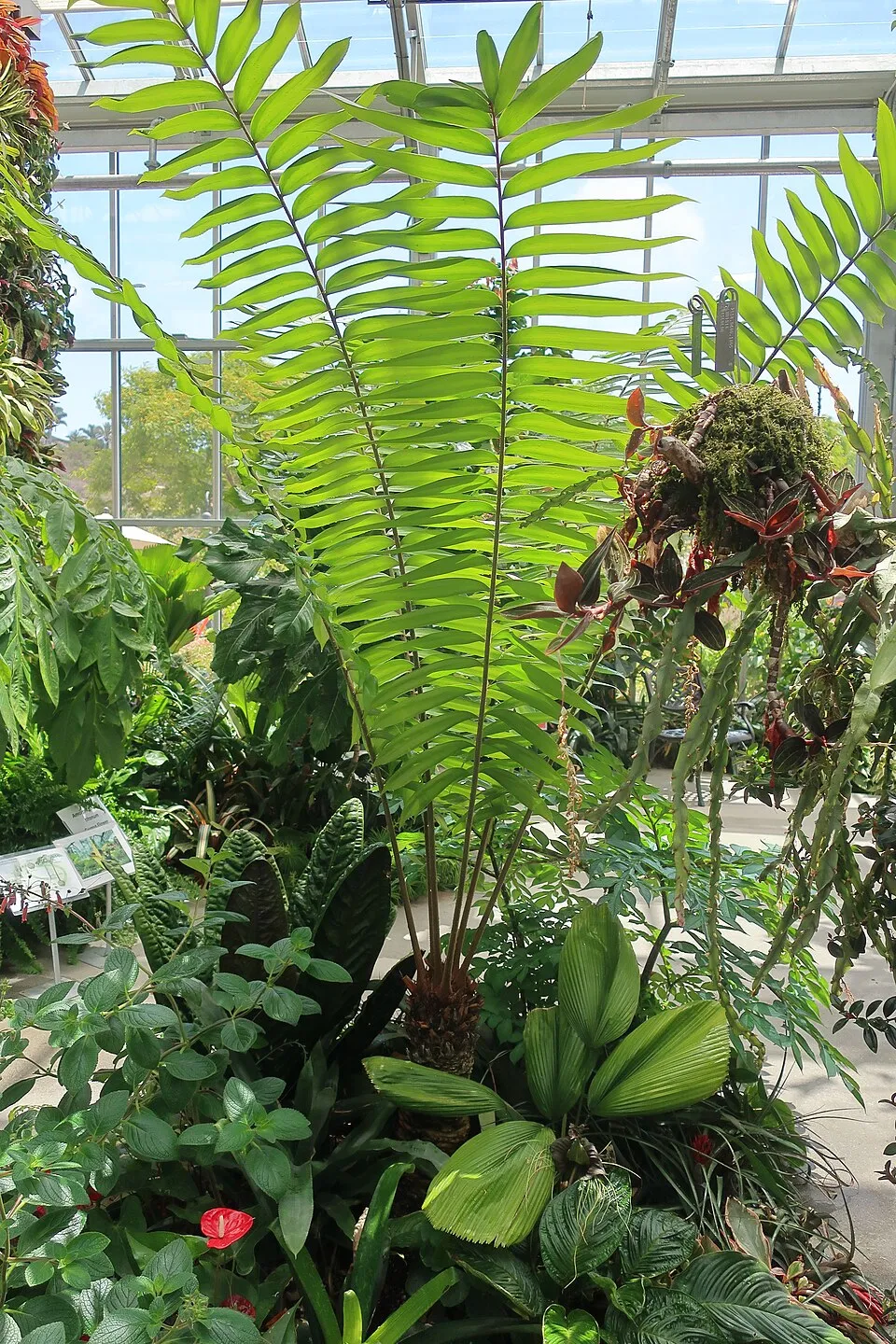
Orchid Ludisia, scientifically known as Ludisia discolor, is a striking terrestrial orchid species revered more for its exceptionally ornamental foliage than its modest flowers, earning it the common name Jewel Orchid. This herbaceous perennial typically grows as a compact clump, reaching a height of 30 to 50 centimeters (approximately 12 to 20 inches) in cultivation, though it can attain slightly greater stature in its natural habitat. Its most captivating feature is undoubtedly its leaves, which are lanceolate to ovate in shape, measuring between 8 to 15 centimeters (3 to 6 inches) in length. These leaves possess a luxurious, velvety texture and a deep, often near-black, green coloration, dramatically contrasted by prominent white, silver, or light green longitudinal stripes that elegantly trace the veins, creating a distinctive tessellated or marbled pattern.
The stems are semi-erect to creeping, characteristically hairy with a somewhat rough texture, and often root at the nodes where they contact the substrate, effectively supporting the vibrant foliage. During its blooming season, typically in late autumn to winter, Ludisia discolor produces delicate, small flowers arranged in terminal racemes that rise gracefully above the leaf cluster. Each individual flower is approximately 2.5 centimeters (1 inch) across, typically displaying hues of white, pink, or pale lavender, often with a contrasting yellow or white lip, providing an elegant counterpoint to the dark, striped leaves. The root system is fibrous and relatively shallow, well-adapted to spreading across the forest floor.
Native to the tropical and subtropical forests of Southeast Asia, including southern China, Vietnam, Thailand, Laos, Myanmar, Malaysia, Indonesia, and the Philippines, Ludisia discolor thrives as a lithophyte or terrestrial plant. It prefers the moist, shaded understory environments of these dense forests, benefiting from dappled sunlight and consistent humidity.
Trusted Scientific References
1. Authoritative external sources for Ludisia discolor
1.1 Wikipedia — Ludisia discolor
1.2 Kew POWO (Plants of the World Online)
1.3 PubMed — peer-reviewed research
1.4 NCBI Taxonomy Browser
1.5 GBIF — Global Biodiversity
1.1.Orchid Ludisia — Defining Traits
- ✓Jewel Orchid — Renowned for its stunning, ornamental foliage rather than its flowers.
- ✓Velvety Leaves — Features a unique velvety texture on its dark green leaves.
- ✓Striking Venation — Displays prominent white, silver, or light green longitudinal stripes along the leaf veins.
- ✓Terrestrial Orchid — Grows on the forest floor or as a lithophyte in its native habitat.
- ✓Compact Growth — Forms a relatively small, clump-forming herbaceous perennial.
- ✓Delicate Winter Blooms — Produces small, white to pink flowers on terminal racemes in late autumn to winter.
- ✓Southeast Asian Native — Indigenous to tropical and subtropical regions of Southeast Asia.
- ✓Relatively Easy Care — Considered one of the easier Jewel Orchids to cultivate indoors, tolerating varied humidity.
- ✓Rooting Stems — Stems are semi-erect to creeping and readily root at the nodes, aiding in propagation.
- ✓Adaptable to Shade — Thrives in dappled light conditions, making it suitable for indoor environments.
1.2.Orchid Ludisia — Concise Overview
- ✓Ludisia discolor is a Jewel Orchid, prized for its velvet, striped foliage.
- ✓Native to Southeast Asian tropical forests, it thrives in shaded, moist conditions.
- ✓Traditionally, related orchids are used for anti-inflammatory, antioxidant, and wound-healing properties.
- ✓Cultivation requires consistent moisture, bright indirect light, and good airflow.
- ✓Potential benefits include antioxidant, anti-inflammatory, and skin-soothing effects.
- ✓Limited scientific research on specific medicinal uses for Ludisia discolor requires caution.
2.Orchid Ludisia — Taxonomic Classification
3.Orchid Ludisia — Reference Facts
4.Orchid Ludisia — Morphological Account
5.Orchid Ludisia — Where It Grows
6.Orchid Ludisia — Historical Applications
7.Orchid Ludisia — Active Compounds
- ✓Flavonoids — These are potent antioxidants, including compounds like quercetin and kaempferol derivatives, which contribute to the plant's vibrant colors and offer anti-inflammatory and free-radical scavenging activities.
- ✓Phenolic Acids — Such as caffeic acid and ferulic acid, these compounds exhibit strong antioxidant properties and play a role in plant defense mechanisms, potentially contributing to human health benefits.
- ✓Alkaloids — While typically found in lower concentrations in orchids, certain alkaloidal structures might be present, known for diverse pharmacological actions, though specific types in Ludisia discolor are not widely documented.
- ✓Terpenoids — Including monoterpenes and sesquiterpenes, these contribute to plant aroma and defense, and some exhibit anti-inflammatory, antimicrobial, and even anticarcinogenic properties.
- ✓Polysaccharides — Complex carbohydrates found in plant tissues, which can have immunomodulatory effects and contribute to the plant's structural integrity and energy storage.
- ✓Anthocyanins — These water-soluble pigments, a type of flavonoid, are responsible for red, purple, and blue hues in plants, acting as powerful antioxidants and potentially offering vasoprotective benefits.
- ✓Steroids/Phytosterols — Plant-derived steroids like beta-sitosterol are known for their anti-inflammatory and cholesterol-lowering properties, supporting cellular health.
- ✓Saponins — These glycosides can have a foaming property and are sometimes associated with expectorant, anti-inflammatory, and immune-stimulating effects.
- ✓Glycosides — Various types of glycosides, where a sugar molecule is attached to a non-sugar compound, often influence the bioavailability and activity of other phytochemicals, contributing to diverse biological effects.
8.Orchid Ludisia — Research Insights
- ✓Anti-inflammatory Properties — Traditionally, some orchid species, including potentially Ludisia discolor, have been used to reduce inflammation, likely due to the presence of flavonoids and other phenolic compounds that modulate inflammatory pathways.
- ✓Antioxidant Activity — The plant's rich pigmentation and secondary metabolites suggest significant antioxidant capacity, helping to neutralize free radicals and protect cells from oxidative stress.
- ✓Wound Healing Support — In traditional medicine systems, certain terrestrial orchids were applied topically to aid in the healing of minor cuts and abrasions, possibly through antimicrobial and tissue-regenerating effects.
- ✓Respiratory Aid — Anecdotal evidence from some regional folk practices points to the use of related orchid extracts for soothing coughs or mild respiratory discomfort.
- ✓Digestive Comfort — Certain plant compounds found in orchids may possess mild antispasmodic or carminative properties, traditionally used to alleviate minor digestive upsets.
- ✓Skin Health — The plant's extracts might offer benefits for skin, such as soothing irritation or promoting a healthy complexion, attributed to its anti-inflammatory and antioxidant constituents.
- ✓Immunomodulatory Effects — Some phytochemicals in orchids have been investigated for their ability to subtly influence the immune system, potentially enhancing the body's natural defenses.
- ✓Analgesic Potential — Though not extensively studied for Ludisia discolor specifically, other orchids have been traditionally employed for their mild pain-relieving qualities in localized applications.
- ✓Antimicrobial Action — Preliminary research on various orchid species indicates potential antimicrobial activity against certain bacteria and fungi, which could contribute to traditional wound care.
- ✓Detoxification Support — The presence of various phenolic compounds might support the body's natural detoxification processes, though this requires further scientific validation.
8.1.Orchid Ludisia — Conditions Traditionally Used For
9.Orchid Ludisia — Adverse Effects
9.1.Orchid Ludisia — Reported Side Effects
- ✓Allergic Reactions — Individuals sensitive to orchids or other plants may experience skin irritation, itching, or mild respiratory symptoms upon contact or ingestion.
- ✓Gastrointestinal Upset — Oral consumption of Ludisia discolor in large quantities may potentially lead to mild digestive issues such as nausea, stomach discomfort, or diarrhea.
- ✓Skin Sensitivity — Direct topical application of fresh plant material might cause temporary redness or irritation in individuals with sensitive skin.
- ✓Drug Interactions — As with many botanicals, potential interactions with prescription medications are possible, though not specifically documented for Ludisia discolor. Caution is advised.
- ✓Overconsumption Risks — Lack of extensive research means the effects of prolonged or excessive intake are unknown and should be avoided.
- ✓Photosensitivity — While rare, some plant compounds can increase skin sensitivity to sunlight, though this is not a known primary effect of Ludisia discolor.
9.2.Orchid Ludisia — Safety Profile
- ✓Pregnancy and Lactation — Due to insufficient scientific data, Ludisia discolor should be avoided by pregnant and breastfeeding individuals.
- ✓Children — Use in children is not recommended without expert medical advice, as safety and appropriate dosages have not been established.
- ✓Pre-existing Conditions — Individuals with chronic health conditions, especially liver or kidney issues, should consult a healthcare professional before using Ludisia discolor.
- ✓Medication Interactions — Exercise caution if taking any prescription medications, as potential interactions, though undocumented, cannot be ruled out. Consult a physician.
- ✓Allergic History — Those with known allergies to plants, particularly within the Orchidaceae family, should avoid use.
- ✓Dosage — Adhere to traditionally recommended dosages, if available, and avoid excessive consumption due to lack of comprehensive safety data.
- ✓External Use — Perform a patch test on a small skin area before widespread topical application to check for any adverse reactions.
10.Orchid Ludisia — Application Forms
- ✓Decoction — For traditional internal uses, prepare a decoction by simmering 1-2 teaspoons of dried, crushed leaves or rhizomes in 250ml of water for 10-15 minutes, then strain and consume.
- ✓Poultice — For topical applications, crush fresh Ludisia discolor leaves to form a paste and apply directly to minor skin irritations or small wounds, covering with a clean cloth for a short duration.
- ✓Tincture — A tincture can be made by steeping fresh or dried plant material in high-proof alcohol for several weeks, then straining. This concentrated extract can be taken orally in small doses or applied topically.
- ✓Infusion (Tea) — For a milder preparation, steep fresh or dried leaves in hot water for 5-10 minutes. This can be consumed as a soothing herbal tea.
- ✓Topical Oil Infusion — Infuse dried Ludisia discolor leaves in a carrier oil (like olive or jojoba) over low heat or in a sunny spot for several weeks to create a botanical oil for skin application.
- ✓Ointment/Salve — Incorporate a concentrated extract or finely powdered plant material into a beeswax and oil base to create an ointment for localized skin support.
- ✓Herbal Compress — Soak a cloth in a warm decoction of Ludisia discolor and apply it to affected areas for localized anti-inflammatory or soothing effects.
- ✓Powdered Form — Dried leaves or rhizomes can be finely ground into a powder, which can then be encapsulated for internal use or mixed into topical preparations.
11.Orchid Ludisia — Growing Guide
- ✓Humidity Management — Ludisia discolor is more tolerant of lower ambient humidity than many other Jewel Orchid species; focus on consistent root hydration rather than enclosed high-humidity environments.
- ✓Consistent Hydration — Do not allow the roots to go bone dry; maintain evenly moist conditions in the potting media, watering as the top layer begins to dry.
- ✓Appropriate Potting Media — Utilize a well-draining yet moisture-retentive mix, such as a blend of sphagnum moss, perlite, and fine bark, or a peat-based mix with extra perlite for aeration.
- ✓Optimal Light Conditions — Provide bright, indirect light; an east or west-facing window with filtered light or a sheer curtain is ideal to prevent leaf scorching while ensuring sufficient photosynthesis.
- ✓Regular Fertilization — Feed weakly, weekly, using a balanced, soluble orchid fertilizer (e.g., 1/8-1/4 tsp per gallon of water), applying to both leaves and potting mix, and flush monthly with plain water.
- ✓Air Circulation — Ensure good airflow around the plant to prevent fungal issues, especially if humidity levels are naturally higher.
- ✓Temperature Range — Maintain typical indoor room temperatures, ideally between 18-24°C (65-75°F), avoiding extreme fluctuations.
- ✓Repotting — Repot when the plant outgrows its container or the potting media begins to break down, typically every 1-2 years, to refresh the substrate and provide space for growth.
Reviewed by the Flora Medical Global Botanical Review Panel
Multi-disciplinary editorial group · Botany · Ethnobotany · Herbal-medicine literature
Who reviewed this: This page was checked by the Flora Medical Global Botanical Review Panel — an in-house editorial group of botany graduates, ethnobotany researchers, and horticulture practitioners who collectively maintain our 7,000+ plant encyclopedia. Meet the team.
Our 4-step verification process
1. Taxonomic verification
Scientific names and synonyms cross-checked against Kew POWO, World Flora Online, and The Plant List.
2. Phytochemical & medicinal cross-reference
Active compounds, traditional uses, and reported activities are cross-referenced with PubMed, USDA Dr. Duke's database, and peer-reviewed ethnobotanical literature.
3. Conservation & distribution check
Distribution, ecology, and conservation status confirmed against GBIF occurrence records and the IUCN Red List.
4. Editorial & safety review
Every entry passes an editorial pass for clarity, originality, and safety notices (toxicity, contraindications, dosage caveats) before publication.
Last reviewed:
Important medical disclaimer: This content is for educational and research purposes only. It is not medical advice and is not a substitute for consultation with a licensed healthcare provider. Do not use any herb to self-treat a medical condition without professional guidance.
Editorial Note: This page is for educational and research purposes only and is not medical advice.
Written by: Flora Medical Global Editorial Team
Reviewed by: Flora Medical Global Botanical Review Panel
Last Updated: June 15, 2026





Orchid Ludisia — Comments & Community Reviews
Rate this plant