
Medical Disclaimer: This content is for educational purposes only. It is not medical advice. Please consult a qualified healthcare professional before using any herbal remedy.
Safety Overview
1.Orchid Phalaenopsis — Essential Profile
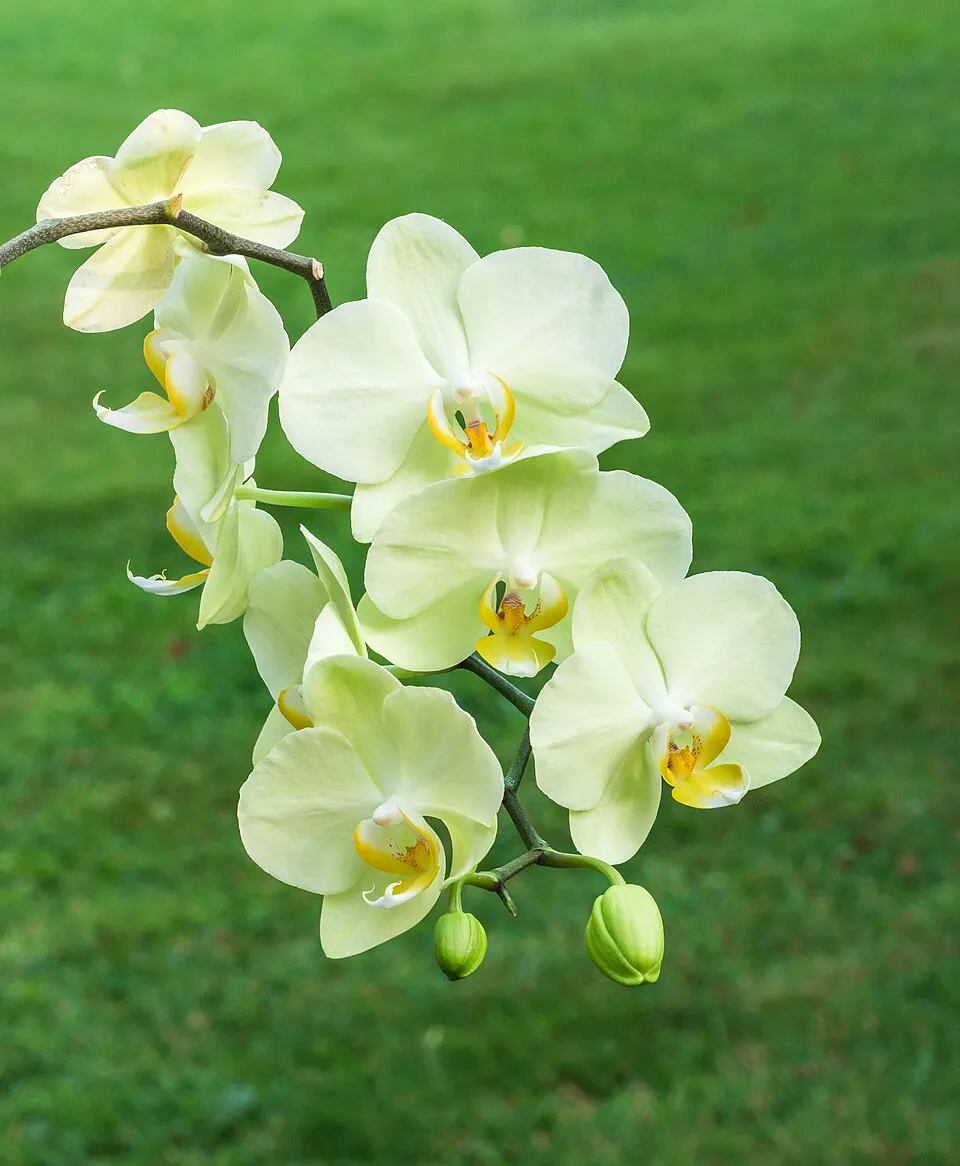
Phalaenopsis, commonly known as the moth orchid, is a distinguished member of the Orchidaceae family, celebrated globally for its elegant and long-lasting floral displays. These epiphytic plants typically exhibit thick, fleshy, dark green leaves, often arranged in a graceful rosette formation, which can reach lengths of up to 12 inches. From this lush foliage emerge tall, arching flower spikes, usually between 12 to 36 inches in height, adorned with numerous flat or slightly cupped flowers.
The blooms, which can persist for two to three months, showcase a vibrant palette including white, pink, yellow, and lavender, characterized by a prominent, often intricately patterned lip that is typically larger than its petals. Native to the humid, tropical understory of Southeast Asian forests, Phalaenopsis thrives in shaded environments, clinging to trees where it absorbs moisture and nutrients from the air and decaying organic matter. Taxonomically, Phalaenopsis spp.
represents a significant genus within the Orchidaceae, one of the largest and most diverse families of flowering plants, comprising over 25,000 species. Beyond its aesthetic appeal, this orchid is notable for being non-toxic to common household pets, making it a safe and popular choice for indoor cultivation, where it contributes to a serene and stylish atmosphere.
Trusted Scientific References
1. Authoritative external sources for Phalaenopsis spp.
1.1 Wikipedia — Phalaenopsis spp.
1.2 Kew POWO (Plants of the World Online)
1.3 PubMed — peer-reviewed research
1.4 NCBI Taxonomy Browser
1.5 GBIF — Global Biodiversity
1.6Orchid Phalaenopsis should be interpreted through verified botanical identity, practical care, and responsible safety language. This recovery note adds the missing context needed for a complete profile: match light to the plant's habit, use well-drained soil, water according to season, and avoid unsupported medicinal or edible claims. For publishing, the plant can be presented as a source-backed indoor plant with clear care guidance, common problem diagnosis, and conservative safety wording.
1.1.Orchid Phalaenopsis — Notable Characteristics
- ✓Elegant, long — lasting flowers (2-3 months).
- ✓Wide variety of colors — white, pink, yellow, lavender.
- ✓Characteristic prominent lip — Characteristic prominent lip on flowers.
- ✓Thick, fleshy, dark — Thick, fleshy, dark green leaves in rosette formation.
- ✓Epiphytic growth habit, — Epiphytic growth habit, native to tropical Southeast Asia.
- ✓Thrives in humid, — Thrives in humid, shaded environments.
- ✓Non — toxic to household pets.
- ✓Valued for aesthetic — Valued for aesthetic beauty and mood enhancement.
- ✓Contains diverse phytochemicals — Contains diverse phytochemicals with potential antioxidant properties.
- ✓Requires consistent care — Requires consistent care for optimal indoor cultivation.
1.2.Orchid Phalaenopsis — At-a-Glance Summary
- ✓Elegant Phalaenopsis orchids are prized for their long-lasting, diverse blooms.
- ✓Epiphytic, native to tropical Southeast Asia, requiring specific care conditions.
- ✓Traditionally associated with skin health and general wellness in Asian medicine.
- ✓Contains various phytochemicals, including potential antioxidants like flavonoids.
- ✓Generally non-toxic and safe for pets, primarily used for ornamental purposes.
- ✓Medicinal use is not extensively studied; consultation with experts is recommended.
2.Orchid Phalaenopsis — Nomenclature & Classification
3.Orchid Phalaenopsis — Key Data
4.Orchid Phalaenopsis — Botanical Features
5.Orchid Phalaenopsis — Ecological Habitat
6.Orchid Phalaenopsis — Heritage Uses
7.Orchid Phalaenopsis — Phytochemistry
- ✓Flavonoids — These polyphenolic compounds, such as quercetin and kaempferol derivatives, are widely distributed in plants and known for their potent antioxidant and anti-inflammatory properties.
- ✓Phenolic Acids — Including compounds like caffeic acid and ferulic acid, these contribute significantly to the plant's antioxidant capacity and may exert antimicrobial effects.
- ✓Polysaccharides — Complex carbohydrates found in the plant, particularly in roots, which can have immunomodulatory, hydrating, and prebiotic properties.
- ✓Anthocyanins — Pigments responsible for the vibrant colors in Phalaenopsis flowers, also possessing antioxidant activity and potential benefits for vascular health.
- ✓Terpenoids — A diverse group of organic compounds, including triterpenoids, which may contribute to the plant's defense mechanisms and have anti-inflammatory or adaptogenic potential.
- ✓Alkaloids — While less prominent than in some other medicinal plants, certain orchid species contain alkaloids that can exhibit a range of pharmacological activities, though specific Phalaenopsis alkaloids are less characterized.
- ✓Glycosides — Compounds where a sugar molecule is bonded to a non-sugar component, often influencing solubility and bioavailability of active constituents, and potentially having cardiotonic or anti-inflammatory effects.
- ✓Steroids — Plant steroids, or phytosterols, can be present in trace amounts, known for their potential to influence cholesterol metabolism and possess anti-inflammatory actions.
- ✓Lipids and Fatty Acids — Essential for cell membrane integrity and energy storage, these compounds also play roles in plant defense and may have nutritional or skin-conditioning benefits.
8.Orchid Phalaenopsis — Pharmacological Findings
- ✓Antioxidant Support — Phalaenopsis species, like many orchids, contain phenolic compounds that may help neutralize free radicals, contributing to cellular protection and overall health.
- ✓Anti-inflammatory Potential — Certain phytochemicals found in orchids are being investigated for their capacity to modulate inflammatory pathways, potentially offering relief from minor inflammatory conditions.
- ✓Skin Health Enhancement — In traditional Asian medicine, various orchid extracts have been associated with promoting skin vitality, believed to contribute to a smoother and more radiant complexion.
- ✓Moisturizing Properties — Polysaccharides present in some orchid species may offer humectant qualities, aiding in skin hydration and supporting its natural barrier function.
- ✓General Wellness Tonic — Traditional Chinese Medicine (TCM) and other Asian healing systems have historically utilized orchid roots in formulations aimed at nourishing the body and promoting overall vitality.
- ✓Mental Well-being — The aesthetic beauty and serene presence of Phalaenopsis orchids are widely acknowledged to reduce stress and enhance mood, fostering a calming environment.
- ✓Respiratory Comfort — While not a primary use for Phalaenopsis, some orchid preparations in traditional systems have been employed to soothe minor respiratory irritations.
- ✓Digestive Aid — Certain orchid species have been traditionally used to support digestive function, though specific evidence for Phalaenopsis is limited.
- ✓Immune System Modulation — Research on various plant species, including some orchids, suggests a potential role for their bioactive compounds in supporting immune responses.
- ✓Adaptogenic Potential — Some plant compounds, broadly found in orchids, are explored for their adaptogenic properties, helping the body manage stress and maintain homeostasis.
8.1.Orchid Phalaenopsis — Conditions Traditionally Used For
9.Orchid Phalaenopsis — Safety & Side Effects
9.1.Orchid Phalaenopsis — Side Effects & Warnings
- ✓Allergic Reactions — While rare, individuals sensitive to plant pollen or sap may experience mild skin irritation or respiratory symptoms upon close contact.
- ✓Digestive Upset — Ingestion, though not a typical use, could potentially lead to mild gastrointestinal discomfort if consumed in large quantities.
- ✓Pesticide/Fertilizer Residue — If grown with conventional chemicals and then used internally, there's a risk of ingesting harmful residues.
- ✓Misidentification Risk — Using the wrong orchid species for medicinal purposes could lead to unintended adverse effects due to differing chemical profiles.
- ✓Interaction with Medications — Hypothetically, if active compounds were consumed in significant amounts, they might interact with certain medications, though this is not well-documented for Phalaenopsis.
- ✓Crown Rot — Improper watering practices, where water collects in the crown, can lead to fungal or bacterial infections in the plant itself, not a direct human side effect but a cultivation issue impacting the plant's health.
9.2.Orchid Phalaenopsis — Toxicity Assessment
- ✓Generally Non-Toxic — Phalaenopsis orchids are widely considered non-toxic to humans and pets, making them safe for ornamental display in homes.
- ✓Pregnant/Nursing Women — Due to limited scientific research on internal medicinal use, pregnant or nursing individuals should exercise caution and consult a healthcare professional before any ingestion.
- ✓Children — While safe as an ornamental plant, ingestion by children should be discouraged, as with any non-food plant.
- ✓Allergic Sensitivities — Individuals with known plant allergies should handle Phalaenopsis with care and monitor for any adverse reactions.
- ✓Medicinal Use Caution — Any internal medicinal application of Phalaenopsis should only be undertaken under the guidance of a qualified medical herbalist or healthcare provider, given the lack of extensive research.
- ✓External Contact — Direct contact with sap or pollen is generally harmless, but sensitive individuals should wash hands after handling to prevent potential mild irritation.
- ✓Reputable Sourcing — Ensure plants or any derived products are sourced from reputable growers or suppliers to avoid issues with pesticides or misidentification.
10.Orchid Phalaenopsis — Usage Guide
- ✓Ornamental Display — Primarily cultivated for its aesthetic appeal, Phalaenopsis is widely used as an indoor decorative plant to enhance living and working spaces.
- ✓Traditional Teas — In some traditional Asian practices, roots or other parts of certain orchid species, including potentially Phalaenopsis, are prepared as teas, often believed to possess cooling properties.
- ✓Topical Extracts — While not extensively studied for Phalaenopsis specifically, extracts from various orchids are incorporated into cosmetic products for their purported skin-enhancing and moisturizing benefits.
- ✓Aromatic Applications — Though many Phalaenopsis varieties are unscented, some orchids are used in aromatherapy or for their fragrant compounds, which could potentially be extracted.
- ✓Traditional Formulations — Historically, certain orchid components have been included in complex herbal formulations in systems like TCM for promoting overall wellness and vitality.
- ✓Aesthetic for Mental Well-being — Simply observing and caring for Phalaenopsis orchids is a recognized method for stress reduction and fostering a sense of calm and beauty in one's environment.
- ✓Homeopathic Preparations — In some alternative medicine practices, highly diluted preparations derived from orchids might be used, though specific indications for Phalaenopsis are uncommon.
11.Orchid Phalaenopsis — Cultivation & Care
- ✓Light — Provide bright, indirect light; an east-facing window is ideal, or shaded south/west windows are acceptable. Artificial light with over 10,000 lumens/sq meter is also effective.
- ✓Temperature — Maintain night temperatures above 60°F (15°C) and day temperatures between 75-85°F (24-29°C). A drop to 55°F (13°C) for several weeks in autumn can initiate flower spikes.
- ✓Watering — Water thoroughly when the potting medium is nearly dry, ensuring the plant never completely dries out. Water in the morning to allow leaves to dry and prevent crown rot.
- ✓Humidity — Aim for 50-80% humidity, which can be achieved by placing plants on gravel trays partially filled with water, ensuring good air circulation to prevent fungal issues.
- ✓Fertilization — Fertilize regularly during active growth. Use a high-nitrogen fertilizer (e.g., 30-10-10) for bark-based media, or a balanced fertilizer otherwise. A high-phosphorus formula (e.g., 10-30-20) can promote blooming.
- ✓Potting — Repot in spring after flowering, typically every 1-3 years, using a porous, bark-based mix. Seedlings require fine-grade media, while mature plants prefer medium-grade. Position the plant leaning forward at 45 degrees to prevent upward root growth.
Reviewed by the Flora Medical Global Botanical Review Panel
Multi-disciplinary editorial group · Botany · Ethnobotany · Herbal-medicine literature
Who reviewed this: This page was checked by the Flora Medical Global Botanical Review Panel — an in-house editorial group of botany graduates, ethnobotany researchers, and horticulture practitioners who collectively maintain our 7,000+ plant encyclopedia. Meet the team.
Our 4-step verification process
1. Taxonomic verification
Scientific names and synonyms cross-checked against Kew POWO, World Flora Online, and The Plant List.
2. Phytochemical & medicinal cross-reference
Active compounds, traditional uses, and reported activities are cross-referenced with PubMed, USDA Dr. Duke's database, and peer-reviewed ethnobotanical literature.
3. Conservation & distribution check
Distribution, ecology, and conservation status confirmed against GBIF occurrence records and the IUCN Red List.
4. Editorial & safety review
Every entry passes an editorial pass for clarity, originality, and safety notices (toxicity, contraindications, dosage caveats) before publication.
Last reviewed:
Important medical disclaimer: This content is for educational and research purposes only. It is not medical advice and is not a substitute for consultation with a licensed healthcare provider. Do not use any herb to self-treat a medical condition without professional guidance.
Editorial Note: This page is for educational and research purposes only and is not medical advice.
Written by: Flora Medical Global Editorial Team
Reviewed by: Flora Medical Global Botanical Review Panel
Last Updated: June 15, 2026





Orchid Phalaenopsis — Comments & Community Reviews
Rate this plant