
Medical Disclaimer: This content is for educational purposes only. It is not medical advice. Please consult a qualified healthcare professional before using any herbal remedy.
Safety Overview
1.Ornamental Grass Miscanthus — Introduction & Highlights
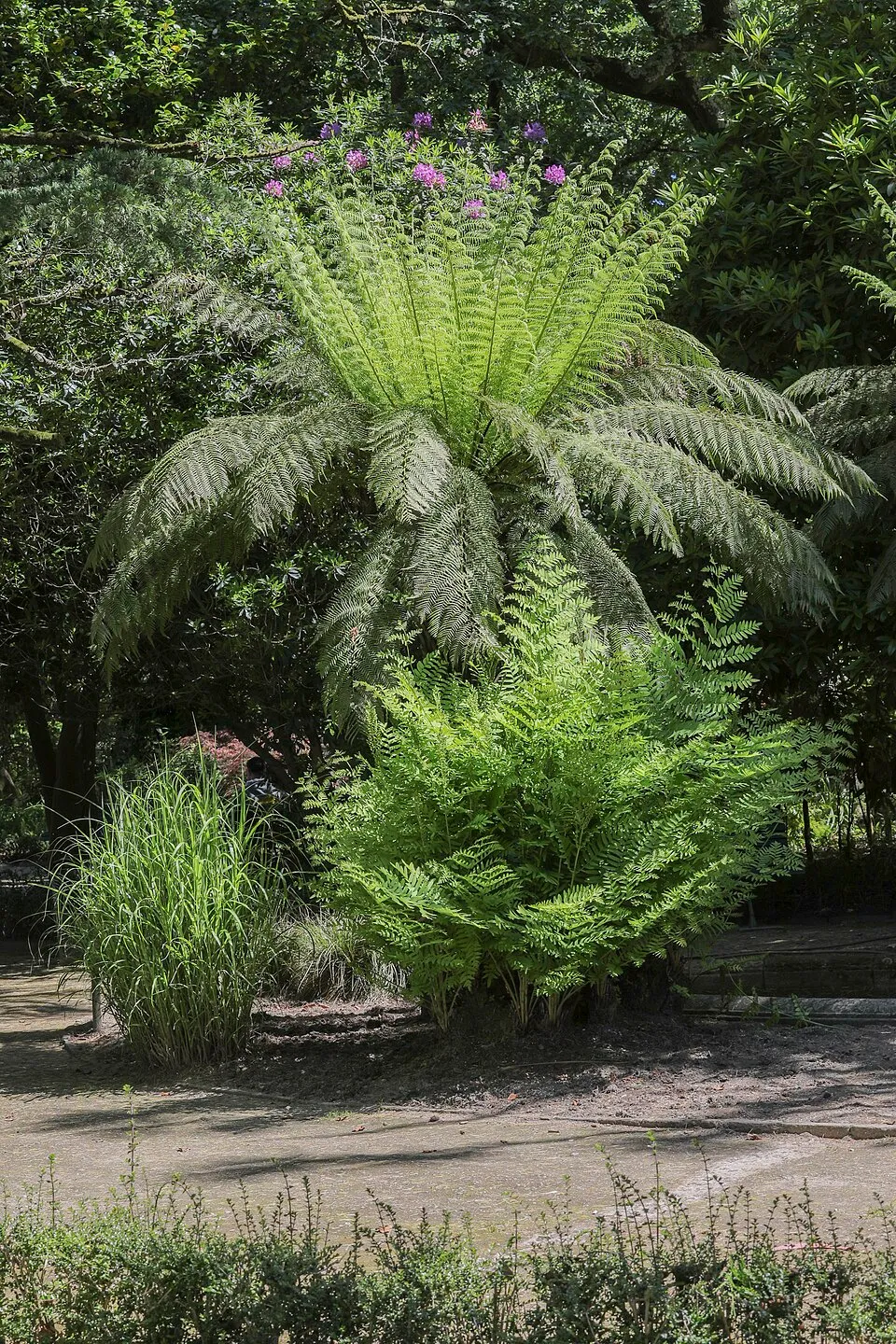
Miscanthus sinensis, commonly known as Chinese silver grass, eulalia, or maiden grass, is a striking, vigorous, and clump-forming herbaceous perennial grass belonging to the Poaceae family. Native to a broad expanse of eastern Asia, including China, Japan, Korea, and Taiwan, it thrives in a range of habitats from open grasslands and hillsides to disturbed areas and roadsides. This species is taxonomically characterized by its robust growth habit, typically reaching heights of 1 to 2 meters (3 to 6 feet), though some cultivars can exceed 3.5 meters (12 feet).
Its dense clumps are composed of arching, linear leaves, often featuring distinctive white or creamy variegation, which contribute to its graceful, fountain-like appearance. The leaves, typically 0.5 to 1.5 cm wide, provide significant aesthetic appeal from spring through autumn. In late summer to early autumn, Miscanthus sinensis produces showy, fan-shaped flower panicles that emerge upright before gracefully arching outwards.
These feathery plumes, which can range in color from silvery-white to pinkish or reddish-bronze, persist remarkably well into winter, providing crucial visual interest against dormant landscapes. Highly adaptable, this ornamental grass tolerates diverse soil types but flourishes best in well-drained, moist soil and full sun exposure. While celebrated globally for its aesthetic value, drought tolerance, and low maintenance, it is also recognized as an invasive species in certain regions, notably North Carolina, due to its prolific seed dispersal and vigorous rhizomatous root system.
Trusted Scientific References
1. Authoritative external sources for Miscanthus sinensis
1.1 Wikipedia — Miscanthus sinensis
1.2 Kew POWO (Plants of the World Online)
1.3 PubMed — peer-reviewed research
1.4 NCBI Taxonomy Browser
1.5 GBIF — Global Biodiversity
1.6Ornamental Grass Miscanthus should be interpreted through verified botanical identity, practical care, and responsible safety language. This recovery note adds the missing context needed for a complete profile: match light to the plant's habit, use well-drained soil, water according to season, and avoid unsupported medicinal or edible claims. For publishing, the plant can be presented as a source-backed garden plant with clear care guidance, common problem diagnosis, and conservative safety wording.
1.1.Ornamental Grass Miscanthus — Key Features
- ✓Clump — forming perennial ornamental grass.
- ✓Native to Eastern — Native to Eastern Asia, widely cultivated globally.
- ✓Distinctive arching foliage — Distinctive arching foliage and feathery plumes.
- ✓High drought tolerance — High drought tolerance once established.
- ✓Adaptable to a — Adaptable to a wide range of soil conditions and full sun.
- ✓Contains beneficial phenolic — Contains beneficial phenolic compounds and flavonoids.
- ✓Demonstrated antioxidant and anti — inflammatory potential in research.
- ✓Noted for its — Noted for its significant biomass yield.
- ✓Classified as an — Classified as an invasive species in certain geographic areas.
- ✓Available in numerous — Available in numerous cultivars offering diverse characteristics.
1.2.Ornamental Grass Miscanthus — At-a-Glance Summary
- ✓Ornamental grass native to Asia with significant aesthetic appeal.
- ✓Rich in bioactive compounds like flavonoids and phenolic acids.
- ✓Exhibits potential anti-inflammatory and antioxidant properties.
- ✓Recognized for its high biomass potential for bioenergy.
- ✓Considered an invasive species in several regions due to aggressive spread.
- ✓Requires careful management to prevent ecological disruption.
2.Ornamental Grass Miscanthus — Systematic Position
3.Ornamental Grass Miscanthus — Reference Facts
4.Ornamental Grass Miscanthus — Plant Morphology
5.Ornamental Grass Miscanthus — Habitat & Distribution
6.Ornamental Grass Miscanthus — Ethnobotanical Uses
7.Ornamental Grass Miscanthus — Bioactive Constituents
- ✓Flavonoids — Key compounds include luteolin, apigenin, and their glycosides, known for potent antioxidant, anti-inflammatory, and neuroprotective activities.
- ✓Phenolic Acids — Contains chlorogenic acid, ferulic acid, p-coumaric acid, and caffeic acid, which are significant contributors to its antioxidant and free radical scavenging properties.
- ✓Saponins — Triterpenoid saponins have been identified, potentially contributing to immunomodulatory, anti-inflammatory, and cholesterol-lowering effects.
- ✓Polysaccharides — Comprising a significant portion of its biomass, these complex carbohydrates offer dietary fiber benefits and may possess immunomodulatory properties.
- ✓Lignans — Compounds like secoisolariciresinol have been detected, which are known for their antioxidant and potential hormone-modulating effects.
- ✓Terpenoids — Various monoterpenes and sesquiterpenes may be present, contributing to the plant's aroma and potentially exhibiting antimicrobial or insect-repellent properties.
- ✓Phytosterols — Beta-sitosterol and related compounds are found, known for their role in cholesterol management and anti-inflammatory actions.
- ✓Waxes — Cuticular waxes on the leaves provide protection and contain various long-chain hydrocarbons, fatty acids, and alcohols.
- ✓Dietary Fiber — High content of cellulose and hemicellulose contributes to its potential as a digestive aid and biomass source.
- ✓Silica — Accumulates silica in its tissues, contributing to structural integrity and potentially playing a role in its defense mechanisms.
8.Ornamental Grass Miscanthus — Modern Studies
- ✓Anti-inflammatory Support — The presence of various phenolic compounds, including flavonoids and saponins, in Miscanthus sinensis is theorized to modulate inflammatory pathways, potentially offering relief from minor inflammatory conditions by inhibiting pro-inflammatory mediators.
- ✓Antioxidant Protection — Rich in a spectrum of phenolic acids and flavonoids, this grass may contribute significantly to neutralizing harmful free radicals within the body, thereby mitigating oxidative stress and protecting cellular integrity from damage.
- ✓Digestive Aid — With its notable dietary fiber content, Miscanthus sinensis is believed to support healthy digestion, potentially alleviating constipation and promoting a balanced gut microbiome.
- ✓Cardiovascular Health — Emerging research suggests that certain phenolic compounds found in Miscanthus sinensis could support cardiovascular well-being by improving lipid profiles and reducing oxidative damage to blood vessels.
- ✓Immunomodulatory Effects — Saponins and polysaccharides present in the plant may have properties that help to modulate the immune system, potentially enhancing the body's natural defenses against pathogens.
- ✓Antimicrobial Potential — Extracts of Miscanthus sinensis have shown preliminary antimicrobial activity against certain bacteria and fungi in in vitro studies, indicating potential for topical applications.
- ✓Hypoglycemic Properties — Some constituents, particularly certain flavonoids and fibers, might contribute to blood glucose regulation, offering potential support for metabolic health.
- ✓Detoxification Support — The antioxidant capacity of Miscanthus sinensis may aid the body's natural detoxification processes by reducing the burden of environmental toxins and metabolic byproducts.
- ✓Skin Health Enhancement — Topical applications of extracts, rich in antioxidants, could potentially protect skin from environmental damage and support cellular regeneration.
- ✓Respiratory Comfort — While not a primary traditional use, the expectorant properties of some saponins might theoretically offer mild relief for respiratory irritation, though this requires specific investigation.
8.1.Ornamental Grass Miscanthus — Reported Uses
9.Ornamental Grass Miscanthus — Precautions & Warnings
9.1.Ornamental Grass Miscanthus — Possible Adverse Reactions
- ✓Allergic Reactions — Contact with foliage or pollen may cause skin irritation, hay fever symptoms, or allergic reactions in sensitive individuals.
- ✓Digestive Discomfort — Ingesting unprocessed plant material, particularly high fiber components, could lead to gastrointestinal upset, bloating, or cramping.
- ✓Invasive Growth — Miscanthus sinensis is listed as an invasive species in several regions; its aggressive self-seeding and rhizomatous spread can outcompete native flora.
- ✓Flammability Risk — The dried foliage of Miscanthus sinensis is highly flammable, posing a fire hazard, especially in dry climates or near structures.
- ✓Environmental Impact — Uncontrolled spread can reduce biodiversity and alter ecosystems, impacting local wildlife habitats and plant communities.
- ✓Herbicide Resistance — Repeated application of herbicides for control can lead to resistance in some populations, making management more challenging.
9.2.Ornamental Grass Miscanthus — Clinical Safety Notes
- ✓Pregnancy & Lactation — Due to a lack of specific safety data, pregnant and lactating individuals should avoid internal use of Miscanthus sinensis preparations.
- ✓Pediatric Use — Not recommended for internal use in children due to insufficient research on safety and appropriate dosages.
- ✓Pre-existing Conditions — Individuals with compromised immune systems, severe allergies, or digestive disorders should consult a healthcare professional before considering any internal use.
- ✓Allergic Sensitivity — Exercise caution if prone to grass pollen allergies or contact dermatitis; perform a patch test for topical applications.
- ✓Invasive Growth Management — When cultivating, choose sterile or low-fertility cultivars to mitigate its invasive potential and prevent ecological harm.
- ✓Professional Consultation — For any potential medicinal application, consult a qualified medical herbalist or healthcare provider, as its internal use is not traditionally widespread or clinically validated.
- ✓External Use Focus — Given its primary ornamental status, most potential beneficial uses are currently external or confined to research contexts.
10.Ornamental Grass Miscanthus — How to Use
- ✓Biomass Production — Miscanthus sinensis is extensively cultivated for its high biomass yield, serving as a sustainable source for bioenergy, biofuels, and bioproducts.
- ✓Herbal Extracts — Research-grade extracts of leaves or rhizomes can be prepared using various solvents (e.g., ethanol, water) to isolate specific phenolic compounds or saponins for study.
- ✓Decoctions (Research) — For investigating water-soluble components, a decoction can be prepared by simmering plant material, though direct human consumption for medicinal purposes is not widely established.
- ✓Topical Applications (Experimental) — Extracts rich in antioxidants and anti-inflammatory compounds might be incorporated into experimental skin preparations for minor irritations or oxidative stress.
- ✓Dietary Fiber Supplementation (Theoretical) — The high fiber content suggests potential for use as a dietary fiber source, but specific processing and safety validation would be required for human consumption.
- ✓Animal Feed Additive (Research) — Investigations are exploring its potential as a fibrous additive in animal feed, utilizing its nutritional and potentially beneficial bioactive components.
- ✓Environmental Remediation — Its robust root system and ability to accumulate certain elements make it a candidate for phytoremediation studies in contaminated soils.
11.Ornamental Grass Miscanthus — Growth Requirements
- ✓Climate and Hardiness — Thrives in temperate climates, hardy in USDA Zones 5-9; tolerates a wide range of temperatures.
- ✓Soil Requirements — Prefers well-drained, moist soils but is highly adaptable to various soil types, including clay, loam, and sand, provided there is adequate drainage.
- ✓Light Exposure — Requires full sun exposure (at least 6 hours of direct sunlight daily) for optimal growth and flowering; tolerates partial shade but may have reduced vigor.
- ✓Watering — Needs regular watering during establishment, but becomes highly drought-tolerant once mature; occasional deep watering during prolonged dry spells is beneficial.
- ✓Propagation — Primarily propagated by division of rhizomes in spring or early autumn to maintain vigor and control spread; seed propagation is also possible but can lead to invasive spread.
- ✓Maintenance and Pruning — Cut back foliage to 4-6 inches above ground level in late winter or early spring before new growth appears; minimal fertilization is typically required.
- ✓Fertilization — Generally low-maintenance regarding nutrients; a balanced, slow-release fertilizer can be applied in spring if soil is poor, but over-fertilization can lead to weak growth.
- ✓Pest and Disease Management — Relatively pest-free, though some cultivars may be susceptible to Phytophthora root and crown rot in poorly drained conditions; resistant cultivars are available.
Reviewed by the Flora Medical Global Botanical Review Panel
Multi-disciplinary editorial group · Botany · Ethnobotany · Herbal-medicine literature
Who reviewed this: This page was checked by the Flora Medical Global Botanical Review Panel — an in-house editorial group of botany graduates, ethnobotany researchers, and horticulture practitioners who collectively maintain our 7,000+ plant encyclopedia. Meet the team.
Our 4-step verification process
1. Taxonomic verification
Scientific names and synonyms cross-checked against Kew POWO, World Flora Online, and The Plant List.
2. Phytochemical & medicinal cross-reference
Active compounds, traditional uses, and reported activities are cross-referenced with PubMed, USDA Dr. Duke's database, and peer-reviewed ethnobotanical literature.
3. Conservation & distribution check
Distribution, ecology, and conservation status confirmed against GBIF occurrence records and the IUCN Red List.
4. Editorial & safety review
Every entry passes an editorial pass for clarity, originality, and safety notices (toxicity, contraindications, dosage caveats) before publication.
Last reviewed:
Important medical disclaimer: This content is for educational and research purposes only. It is not medical advice and is not a substitute for consultation with a licensed healthcare provider. Do not use any herb to self-treat a medical condition without professional guidance.
Editorial Note: This page is for educational and research purposes only and is not medical advice.
Written by: Flora Medical Global Editorial Team
Reviewed by: Flora Medical Global Botanical Review Panel
Last Updated: June 15, 2026





Ornamental Grass Miscanthus — Comments & Community Reviews
Rate this plant