
Medical Disclaimer: This content is for educational purposes only. It is not medical advice. Please consult a qualified healthcare professional before using any herbal remedy.
Safety Overview
1.Orris Root — Essential Profile
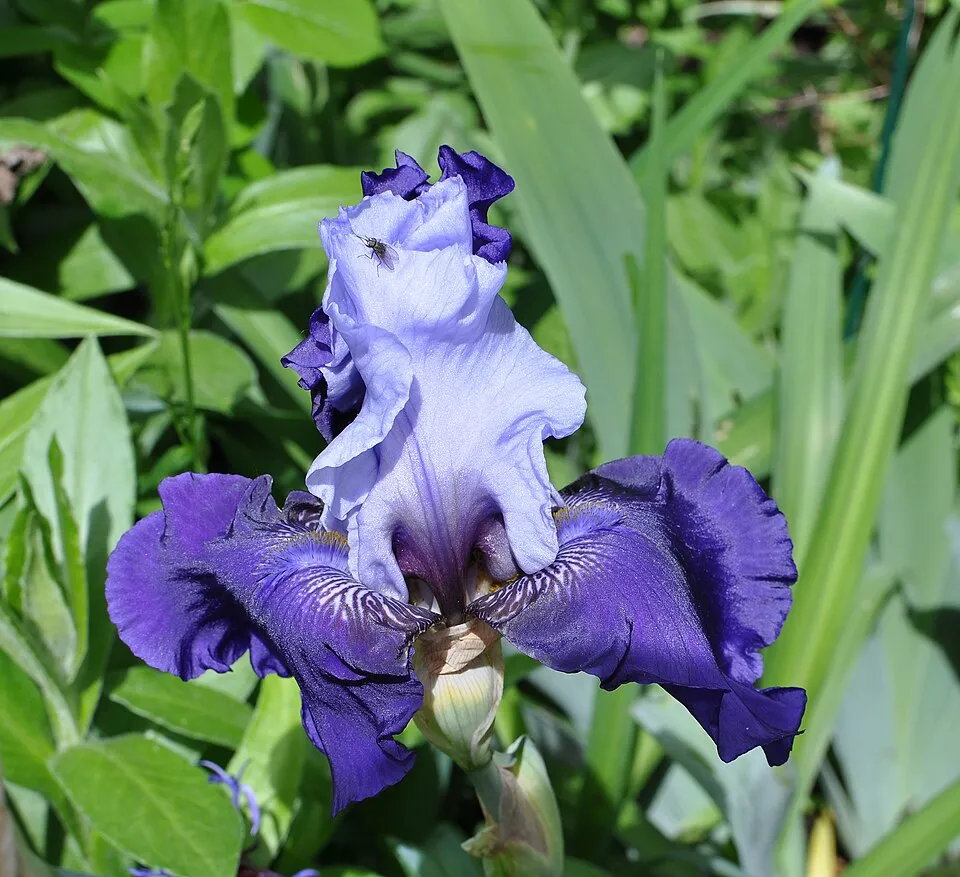
Orris Root, scientifically known as Iris germanica, is a majestic perennial herbaceous plant celebrated for its striking ornamental value and therapeutic properties. Growing to heights of 60-90 cm, this bearded iris features long, sword-shaped leaves arranged in a distinctive fan-like formation, typically measuring 60-80 cm.
Its vibrant flowers, blooming in spring, display a spectrum of colors including lavender, deep violet, purple, blue, yellow, and white, each characterized by a unique 'falls' petal structure often adorned with contrasting patterns. These blossoms emit a sweet, pleasant fragrance, enhancing its appeal.
The plant's most pharmacologically significant part is its rhizomatous root system. The rhizomes are thick, woody rootstocks with a fibrous texture, developing a strong, earthy, and distinctly violet-like scent when dried and aged for several years.
Native to the Mediterranean region, Iris germanica thrives in well-drained, slightly alkaline soils and sunny environments, often found in coastal areas. While indigenous to Southern Europe, it is now widely cultivated in temperate climates across Kashmir, Italy, and parts of North America for its prized rhizomes.
Taxonomically, Iris germanica belongs to the Kingdom Plantae, Clade Angiosperms, Order Asparagales, Family Iridaceae, and Genus Iris. The Iridaceae family encompasses over 200 species globally, many valued for their beauty and diverse uses.
Historically, the dried and aged orris root has been a staple in perfumery for its fixative qualities and has been extensively utilized in traditional herbal practices for centuries, particularly in Ayurvedic and Greek medicine, for its purported benefits in skin health, digestive support, and overall wellness.
Trusted Scientific References
1. Authoritative external sources for Iris germanica
1.1 Wikipedia — Iris germanica
1.2 Kew POWO (Plants of the World Online)
1.3 PubMed — peer-reviewed research
1.4 NCBI Taxonomy Browser
1.5 GBIF — Global Biodiversity
1.6Orris Root should be interpreted through verified botanical identity, practical care, and responsible safety language. This recovery note adds the missing context needed for a complete profile: match light to the plant's habit, use well-drained soil, water according to season, and avoid unsupported medicinal or edible claims. For publishing, the plant can be presented as a source-backed medicinal plant with clear care guidance, common problem diagnosis, and conservative safety wording.
1.1.Orris Root — Highlights
- ✓Fragrant Rhizomes — Source of highly prized 'orris butter' essential oil, famous in perfumery.
- ✓Botanical Beauty — Features striking purple-blue flowers and sword-like leaves, enhancing ornamental gardens.
- ✓Ancient Heritage — Utilized for over 2,000 years in Greek, Ayurvedic, and medieval European traditional medicine.
- ✓Ayurvedic Significance — Categorized under 'ruksha' and 'ushna' properties to balance Kapha and Vata doshas.
- ✓Bioactive Rich — Contains potent irone isomers, irisflorentin flavonoids, and orrisin glycosides.
- ✓Skin Support — Traditionally applied for skin healing, hydration, and to reduce erythema and inflammation.
- ✓Digestive Aid — Acts as a gentle tonic, relieving mild bloating and protecting gastric mucosa.
- ✓Oral Health Promoter — Used in pastes and chews for breath freshening and its antibacterial action against oral pathogens.
- ✓Natural Fixative — Essential oil provides fixative qualities, stabilizing and prolonging the scent of other aromatics.
- ✓Temperate Thriver — Successfully cultivated in specific temperate regions like Kashmir and Florence for optimal yield and quality.
1.2.Orris Root — In Brief
- ✓Orris Root, or Iris germanica, is a fragrant perennial with a rich history in perfumery and traditional medicine.
- ✓Its aged rhizomes contain beneficial compounds like irones, flavonoids, and orrisin glycosides.
- ✓It offers therapeutic support for skin health, digestion, oral hygiene, and acts as a mild diuretic.
- ✓Valued in Ayurveda for balancing Kapha and Vata doshas, it also possesses anti-inflammatory and antioxidant properties.
- ✓Proper cultivation and a crucial 3-7 year aging process are essential for developing its full potency and aroma.
- ✓While generally safe, caution is advised for pregnant/nursing individuals and those with Pitta imbalances.
2.Orris Root — Botanical Identity
3.Orris Root — Vital Statistics
4.Orris Root — Physical Description
5.Orris Root — Ecological Habitat
6.Orris Root — Traditional Uses
7.Orris Root — Phytochemistry
- ✓Irone Isomers — Alpha- and beta-irone are key volatile ketones responsible for the characteristic violet-like fragrance and contribute to mild anti-inflammatory effects by modulating COX pathways and interacting with TRPV1 receptors.
- ✓Flavonoids — Compounds like irisflorentin exhibit significant antioxidant potential, effectively scavenging free radicals and inhibiting lipid peroxidation, particularly in gastric mucosa.
- ✓Orrisin Glycosides — These specific glycosides are believed to be responsible for the mild diuretic action of Orris Root, enhancing glomerular filtration rate and promoting increased urine output.
- ✓Starch — Present in substantial amounts, starch acts as a demulcent and emollient, providing a protective barrier and soothing effect on mucous membranes.
- ✓Mucilage — Similar to starch, mucilage contributes to the soothing and protective properties, particularly beneficial for gastrointestinal and skin applications.
- ✓Terpenoids — Beyond irones, other terpenoid compounds are present, contributing to the plant's aromatic profile and potentially to its broader pharmacological activities.
- ✓Alkaloids — While not the primary active constituents, various alkaloids may be present in trace amounts, contributing to the complex synergy of the plant's effects.
- ✓Phenolic Acids — These compounds are known for their antioxidant and anti-inflammatory properties, further enhancing the therapeutic profile of Orris Root.
8.Orris Root — Evidence-Based Benefits
- ✓Skin Health — Orris Root extract has been shown to reduce erythema and improve skin hydration when applied topically, contributing to its traditional use in managing skin conditions like acne and dermatitis.
- ✓Digestive Tonic — Traditional formulations incorporate orris root powder with ingredients like ginger to alleviate mild bloating and support gastric mucosa, potentially by inhibiting lipid peroxidation.
- ✓Breath Freshening & Oral Hygiene — The rhizome exhibits antibacterial action against pathogens like Streptococcus mutans, making it a valuable component in Ayurvedic 'mukhpachan' remedies and breath-freshening pastes.
- ✓Diuretic Support — Orrisin glycosides present in Orris Root are implicated in its mild diuretic action, promoting increased urine output by enhancing glomerular filtration rate.
- ✓Anti-inflammatory & Analgesic — Irone isomers in Orris Root modulate COX pathways and interact with TRPV1 receptors, offering soothing effects on topical inflammation and potentially reducing joint pain.
- ✓Aromatherapy & Mood Uplift — Orris essential oil, known for its fixative qualities, is used in aromatherapy to calm anxiety and promote restful sleep in traditional Unani blends.
- ✓Antioxidant Protection — Flavonoids like irisflorentin in Orris Root demonstrate antioxidant potential by scavenging free radicals, supporting cellular health and protecting against oxidative stress.
- ✓Immune Support — While not a primary immune booster, the general wellness properties and anti-inflammatory effects of Orris Root contribute to overall systemic balance and immune function.
- ✓Lymphatic Drainage — In some traditional Panchakarma practices, Orris Root is included in herbal packs to support lymphatic drainage, aiding in detoxification processes.
- ✓Mild Emollient — The starch and mucilage content in Orris Root provides gentle emollient and protective barrier effects on mucous membranes, soothing irritated tissues.
8.1.Orris Root — Therapeutic Indications
9.Orris Root — Cautions & Contraindications
9.1.Orris Root — Side Effects & Warnings
- ✓Skin Irritation — Undiluted Orris essential oil can cause contact dermatitis or irritation in sensitive individuals.
- ✓Gastrointestinal Discomfort — High doses of orris root powder (exceeding 2g/day) may lead to mild nausea, stomach upset, or gastric discomfort.
- ✓Pitta Aggravation — Due to its 'ushna' (hot) property in Ayurveda, it may exacerbate acid reflux or inflammatory skin conditions in individuals with a predominant Pitta constitution.
- ✓Allergic Reactions — Rare cases of hypersensitivity, manifesting as rash or itching, have been reported, particularly when chewed as a breath freshener.
- ✓Drug Interactions — Its mild diuretic effect could potentially potentiate the action of antihypertensive medications or lithium, requiring professional consultation.
- ✓Respiratory Sensitivity — Inhaling large quantities of orris root powder might trigger respiratory irritation in susceptible individuals.
9.2.Orris Root — Toxicity Assessment
- ✓General Safety — Orris Root is generally considered safe for healthy adults when used within recommended dosages and preparations.
- ✓Pregnancy and Lactation — Avoid use during pregnancy and lactation due to insufficient conclusive safety data regarding its effects on fetal development or infants.
- ✓Pitta Imbalance — Individuals with a Pitta-dominant constitution should use Orris Root with caution, as its 'ushna' (heating) property may aggravate existing heat-related conditions.
- ✓Pediatric and Elderly Use — For children under 12 or elderly individuals, it is advisable to start with half the standard adult dose and monitor for any adverse reactions.
- ✓Professional Consultation — Always consult a qualified Ayurvedic practitioner or healthcare professional before initiating any Orris Root regimen, especially if taking other medications.
- ✓Topical Patch Test — Before extensive topical application, perform a patch test on a small skin area to check for any allergic reactions or sensitivities.
- ✓Quality Sourcing — Ensure purchasing aged rhizomes (3-5 years old) from reputable suppliers, as fresh roots lack the full spectrum of matured bioactives and fragrance.
10.Orris Root — Usage Guide
- ✓Powder (Churna) — Typically 500-1,000 mg of aged orris root powder taken twice daily with warm water, often after meals, to support digestive health.
- ✓Tincture — A 1:5 tincture (50% alcohol) can be administered at 10-20 drops up to three times a day in water or honey, used for its anti-inflammatory properties.
- ✓Essential Oil — 1-2 drops of Orris essential oil can be diffused for aromatherapy to promote calm and sleep, or diluted to 0.1-0.5% in a carrier oil for topical application.
- ✓Topical Paste — A paste made by mixing orris powder with sandalwood powder and rose water is applied to areas affected by acne or dermatitis for 15-20 minutes.
- ✓Oral Chews/Pastes — Small pieces of dried orris root or pastes are traditionally chewed or applied for breath freshening and oral hygiene due to their antibacterial action.
- ✓Herbal Infusions — Though less common for the root, dried rhizome pieces can be steeped to create mild infusions for internal or external washes.
- ✓Perfumery Fixative — Orris root powder or essential oil is widely used in perfumery for its unique scent and ability to stabilize and enhance other aromatic compounds.
11.Orris Root — How to Grow
- ✓Soil Preference — Thrives in well-drained, slightly alkaline soils, crucial for healthy rhizome development.
- ✓Climate Requirements — Prefers temperate climates but can adapt to subtropical zones with adequate sunlight.
- ✓Sunlight Exposure — Requires full sun exposure for optimal growth, flowering, and development of potent rhizomes.
- ✓Watering Regime — Needs regular watering during active growth, but established plants are somewhat drought-tolerant.
- ✓Harvesting Time — Rhizomes are traditionally harvested in late summer or early autumn when the foliage dies back, indicating peak starch and irone content.
- ✓Curing Process — Freshly dug rhizomes are sun-dried and then aged for 3-7 years in dark, airy conditions; this aging process is vital for developing the characteristic fragrance and potency.
- ✓Propagation — Primarily propagated by dividing the rhizomes, ensuring each section has at least one 'fan' of leaves.
- ✓Regional Cultivation — Key regions for high-quality Orris Root include Kashmir, Florence (Italy), and parts of Oregon in the U.S.
Reviewed by the Flora Medical Global Botanical Review Panel
Multi-disciplinary editorial group · Botany · Ethnobotany · Herbal-medicine literature
Who reviewed this: This page was checked by the Flora Medical Global Botanical Review Panel — an in-house editorial group of botany graduates, ethnobotany researchers, and horticulture practitioners who collectively maintain our 7,000+ plant encyclopedia. Meet the team.
Our 4-step verification process
1. Taxonomic verification
Scientific names and synonyms cross-checked against Kew POWO, World Flora Online, and The Plant List.
2. Phytochemical & medicinal cross-reference
Active compounds, traditional uses, and reported activities are cross-referenced with PubMed, USDA Dr. Duke's database, and peer-reviewed ethnobotanical literature.
3. Conservation & distribution check
Distribution, ecology, and conservation status confirmed against GBIF occurrence records and the IUCN Red List.
4. Editorial & safety review
Every entry passes an editorial pass for clarity, originality, and safety notices (toxicity, contraindications, dosage caveats) before publication.
Last reviewed:
Important medical disclaimer: This content is for educational and research purposes only. It is not medical advice and is not a substitute for consultation with a licensed healthcare provider. Do not use any herb to self-treat a medical condition without professional guidance.
Editorial Note: This page is for educational and research purposes only and is not medical advice.
Written by: Flora Medical Global Editorial Team
Reviewed by: Flora Medical Global Botanical Review Panel
Last Updated: June 15, 2026





Orris Root — Comments & Community Reviews
Rate this plant