
Medical Disclaimer: This content is for educational purposes only. It is not medical advice. Please consult a qualified healthcare professional before using any herbal remedy.
Safety Overview
1.Orthrosanthus Multiflorus — At a Glance
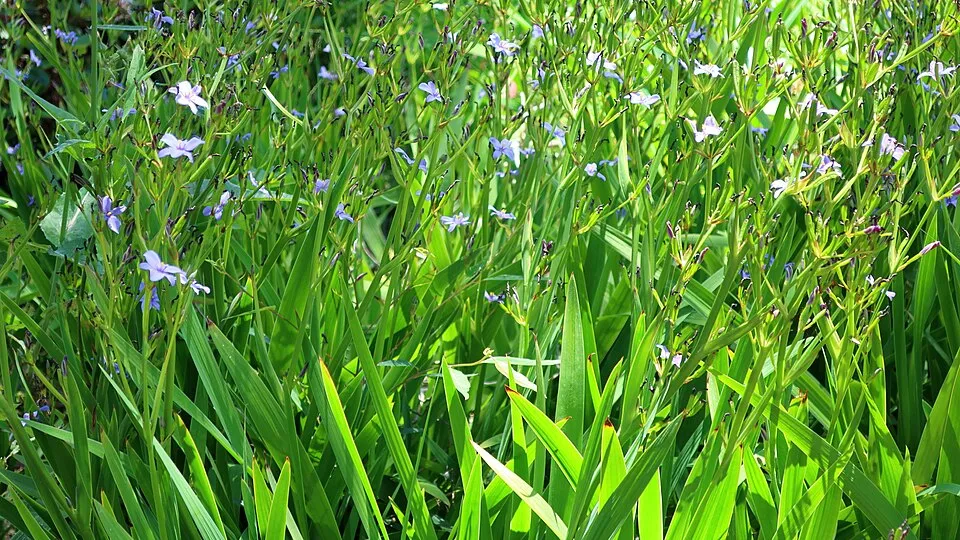
Orthrosanthus multiflorus, widely known as the Blue Grass Lily or Morning Flag, is an captivating perennial herb indigenous to the southern regions of Australia, specifically thriving across South Australia and Victoria. This member of the Iridaceae family forms elegant, dense clumps of slender, grass-like foliage, typically achieving a height of 30 to 60 centimeters, though mature plants can reach up to a meter. Its most striking characteristic is the profusion of delicate, saucer-shaped flowers, ranging in color from sky-blue to violet-blue, each adorned with six petals.
These ephemeral blooms are borne on graceful, branched stems that rise above the leaves, opening typically in the morning and often closing by the afternoon, creating a continuous, fresh display throughout its extended flowering period from late spring to early summer. Adaptable and robust, Orthrosanthus multiflorus is notably hardy and drought-tolerant, making it an exemplary selection for a variety of horticultural applications, including rockeries, garden borders, or container planting in regions with Mediterranean and temperate climates. Its natural distribution and resilience reflect its adaptation to specific Australian ecological niches.
Trusted Scientific References
1. Authoritative external sources for Orthrosanthus Multiflorus
1.1 Wikipedia — Orthrosanthus Multiflorus
1.2 Kew POWO (Plants of the World Online)
1.3 PubMed — peer-reviewed research
1.4 NCBI Taxonomy Browser
1.5 GBIF — Global Biodiversity
1.6Orthrosanthus Multiflorus should be interpreted through verified botanical identity, practical care, and responsible safety language. This recovery note adds the missing context needed for a complete profile: match light to the plant's habit, use well-drained soil, water according to season, and avoid unsupported medicinal or edible claims. For publishing, the plant can be presented as a source-backed garden plant with clear care guidance, common problem diagnosis, and conservative safety wording.
1.1.Orthrosanthus Multiflorus — Highlights
- ✓Botanical Name — Orthrosanthus multiflorus
- ✓Common Names — Blue Grass Lily, Morning Flag, Morning Iris, Australian Morning Flower
- ✓Family — Iridaceae
- ✓Native Range — Southern Australia (South Australia, Victoria)
- ✓Flower Color — Sky-blue to violet-blue, saucer-shaped
- ✓Flowering Season — Late spring to early summer
- ✓Foliage — Narrow, upright, grass-like, green
- ✓Habit — Clump-forming herbaceous perennial
- ✓Height — Typically 30-60 cm (ultimate height 0.5–1 meter)
- ✓Cultivation — Full sun to light shade, well-drained soil, drought-tolerant
1.2.Orthrosanthus Multiflorus — Quick Summary
- ✓Australian native perennial known for delicate blue flowers.
- ✓Primarily cultivated as an ornamental garden plant.
- ✓Highly drought-tolerant and low-maintenance.
- ✓Valued for aesthetic appeal and pollinator support.
- ✓No documented medicinal uses or traditional applications.
- ✓Contains general plant compounds like flavonoids and polysaccharides, not studied for therapeutic effects.
2.Orthrosanthus Multiflorus — Botanical Identity
3.Orthrosanthus Multiflorus — Fact Sheet
4.Orthrosanthus Multiflorus — Botanical Description
5.Orthrosanthus Multiflorus — Origin & Spread
6.Orthrosanthus Multiflorus — Heritage Uses
7.Orthrosanthus Multiflorus — Key Phytochemicals
- ✓Flavonoids — These are common plant secondary metabolites, present in Orthrosanthus multiflorus, contributing to flower pigmentation (e.g., anthocyanins for blue hues) and potentially offering general antioxidant activity, though not specifically studied for therapeutic effects in this species.
- ✓Carotenoids — Found in many plants, including this species, carotenoids are pigments that contribute to yellow, orange, and red coloration, and are known for their antioxidant properties in other botanical contexts, but their medicinal role in Orthrosanthus multiflorus is uninvestigated.
- ✓Polysaccharides — Structural carbohydrates present in plant cell walls and storage, polysaccharides are ubiquitous in plants. While some polysaccharides have immunomodulatory properties in other species, their specific function or medicinal relevance in Orthrosanthus multiflorus has not been explored.
- ✓Saponins — These glycosides are common in the Iridaceae family. In other plants, they can have surfactant properties and various biological activities, but their presence and any specific role in Orthrosanthus multiflorus remain uncharacterized for medicinal purposes.
- ✓Phenolic Acids — Widely distributed plant compounds with antioxidant potential. While likely present in Orthrosanthus multiflorus, their specific types and concentrations, and any associated medicinal activities, have not been researched for this plant.
- ✓Terpenoids — A diverse class of organic compounds found in plants. While some terpenoids have aromatic or protective roles, their specific profile and any therapeutic relevance in Orthrosanthus multiflorus are not documented.
- ✓Fatty Acids — Essential components of plant cell membranes and energy storage. While crucial for plant physiology, specific fatty acid profiles and any direct medicinal application from Orthrosanthus multiflorus are unstudied.
- ✓Amino Acids & Proteins — Fundamental building blocks for plant growth and function. Their presence is universal, but no unique or medicinally significant amino acid or protein profiles have been identified for this species.
8.Orthrosanthus Multiflorus — Scientific Evidence
- ✓No Documented Medicinal Benefits — Orthrosanthus multiflorus is primarily an ornamental plant, with no substantial scientific research or historical ethnobotanical records indicating specific medicinal applications for human health or well-being.
- ✓Ecological Nectar Source — Its vibrant flowers provide a vital nectar source for a variety of native pollinators, including bees and butterflies, contributing significantly to local biodiversity and ecosystem health within garden environments.
- ✓Drought-Tolerant Landscaping — As a hardy and drought-tolerant species, it offers significant benefits for sustainable gardening and xeriscaping, reducing water usage and promoting ecological responsibility in cultivated landscapes.
- ✓Aesthetic and Horticultural Value — The plant's delicate, sky-blue to violet-blue flowers and attractive grass-like foliage offer considerable aesthetic appeal, enhancing garden design, promoting visual tranquility, and fostering a connection with nature.
- ✓Low Maintenance Ornamental — Its robust nature and minimal care requirements make it a beneficial choice for gardeners seeking resilient, low-fuss plants that contribute to garden beauty without intensive intervention.
- ✓Soil Stabilization Potential — In suitable landscape applications, the fibrous root system of Orthrosanthus multiflorus may contribute to surface soil stability, offering a minor benefit in erosion control for garden beds.
- ✓Habitat Support for Microfauna — The dense clumps of foliage can provide minor shelter for small garden insects and other microfauna, indirectly supporting garden biodiversity and micro-ecosystem health.
- ✓Contribution to Garden Wellbeing — Engaging with and observing beautiful plants like Orthrosanthus multiflorus in a garden setting can offer psychological benefits, promoting relaxation, stress reduction, and a sense of natural harmony.
- ✓Absence of Known Toxicity — While not a medicinal plant, there are no widely reported cases of toxicity associated with its ornamental cultivation, suggesting a generally safe profile for garden use and interaction.
8.1.Orthrosanthus Multiflorus — Health Applications
9.Orthrosanthus Multiflorus — Safety Considerations
9.1.Orthrosanthus Multiflorus — Caution Notes
- ✓No Known Medicinal Side Effects — As Orthrosanthus multiflorus is not used for medicinal purposes, there are no documented side effects related to therapeutic ingestion or topical application.
- ✓Minimal Allergic Potential — While any plant can potentially trigger allergies in highly sensitive individuals, there are no widespread reports of significant allergenic reactions or contact dermatitis specifically attributed to this ornamental species.
- ✓Non-Toxic (Presumed) — There is no information or widely reported incidents suggesting toxicity to humans or common household pets through contact or accidental ingestion, though consumption of ornamental plants is generally discouraged.
- ✓Environmental Impact — In its native range, Orthrosanthus multiflorus is not considered invasive. When cultivated responsibly within appropriate climates, it poses no known negative environmental side effects.
- ✓Absence of Adverse Interactions — Due to its non-medicinal status, there are no documented adverse interactions with pharmaceutical drugs, other herbs, or dietary supplements.
9.2.Orthrosanthus Multiflorus — Safety Overview
- ✓Not for Internal Medicinal Use — Orthrosanthus multiflorus lacks a documented safety profile for internal consumption or therapeutic application in humans, and therefore should not be used as a medicinal herb.
- ✓Ornamental Plant Safety — Generally considered safe for cultivation as an ornamental garden plant, with no widespread reports of adverse reactions such as skin irritation or systemic toxicity from casual contact.
- ✓Pet and Child Safety — No specific toxicity warnings for common household pets or children have been widely reported, but as a general precaution, direct ingestion of any ornamental plant material should be discouraged.
- ✓Handling Precautions — Standard gardening precautions should be observed when handling the plant, such as wearing gloves if skin sensitivity is a personal concern, especially during prolonged contact.
- ✓Ecological Responsibility — Cultivation should adhere to responsible practices to prevent any potential unintended ecological spread outside its native habitat, although it is not typically considered an invasive species.
- ✓Absence of Contraindications — As there are no documented medicinal uses, there are no established contraindications for its use in a therapeutic context.
10.Orthrosanthus Multiflorus — Preparation Methods
- ✓Ornamental Garden Display — Planted extensively in garden borders, rockeries, or as an accent plant to showcase its vibrant blue flowers and attractive, grass-like foliage, providing visual interest.
- ✓Container Cultivation — Suited for pots and containers on patios, balconies, or in conservatories, allowing for flexible placement and close enjoyment of its delicate, ephemeral blooms.
- ✓Pollinator Attraction — Utilized effectively in pollinator gardens to provide a reliable and abundant nectar source, actively supporting local populations of bees, butterflies, and other beneficial insects.
- ✓Drought-Tolerant Landscaping — Integrated into xeriscapes or low-water gardens as a resilient, aesthetically pleasing option that significantly reduces the need for supplemental irrigation.
- ✓Mass Planting for Impact — Planted in large drifts or in clumps of three or more specimens to create a dramatic and cohesive visual impact, particularly during its extensive spring to early summer flowering season.
- ✓Australian Native Garden Design — Employed as a distinctive native alternative to traditional irises, blending seamlessly into Australian native cottage garden themes and biodiversity initiatives.
- ✓Erosion Control (Minor) — Its dense, clumping habit and fibrous root system can offer a minor contribution to surface soil stabilization and erosion control in specific garden settings, such as slopes or embankments.
11.Orthrosanthus Multiflorus — Cultivation & Care
- ✓Soil Preferences — Orthrosanthus multiflorus thrives in light, well-drained, humus-rich, and fertile soil types, including loam, sand, and clay loam, tolerating a wide pH range from acid to alkaline.
- ✓Light Requirements — Prefers full sun to light shade for optimal growth and flowering, ideally situated in a west-facing or south-facing aspect to maximize sun exposure.
- ✓Watering Regimen — Once established, this plant is drought-tolerant; however, it benefits from moderate watering during active growth, especially in the lead-up to and during its flowering season. Avoid waterlogging.
- ✓Temperature & Hardiness — It is hardy in mild parts of the UK (RHS Hardiness H3, tolerating -5 to 1°C) and can withstand light frosts. In colder climates, cultivation under glass is recommended.
- ✓Propagation Methods — Easily propagated from fresh seeds sown indoors at temperatures between 13-18°C, or by careful division of mature, established clumps in the spring.
- ✓Maintenance & Pruning — Generally a low-fuss plant requiring minimal maintenance. Pruning primarily involves removing old, spent flower stems to encourage further blooming and tidying up any dead or yellowing leaves for aesthetic appeal.
- ✓Ideal Planting Locations — Excellent for various garden types, including city and courtyard gardens, gravel gardens, cottage borders, patio containers, Mediterranean climate landscapes, and wall-side borders.
Reviewed by the Flora Medical Global Botanical Review Panel
Multi-disciplinary editorial group · Botany · Ethnobotany · Herbal-medicine literature
Who reviewed this: This page was checked by the Flora Medical Global Botanical Review Panel — an in-house editorial group of botany graduates, ethnobotany researchers, and horticulture practitioners who collectively maintain our 7,000+ plant encyclopedia. Meet the team.
Our 4-step verification process
1. Taxonomic verification
Scientific names and synonyms cross-checked against Kew POWO, World Flora Online, and The Plant List.
2. Phytochemical & medicinal cross-reference
Active compounds, traditional uses, and reported activities are cross-referenced with PubMed, USDA Dr. Duke's database, and peer-reviewed ethnobotanical literature.
3. Conservation & distribution check
Distribution, ecology, and conservation status confirmed against GBIF occurrence records and the IUCN Red List.
4. Editorial & safety review
Every entry passes an editorial pass for clarity, originality, and safety notices (toxicity, contraindications, dosage caveats) before publication.
Last reviewed:
Important medical disclaimer: This content is for educational and research purposes only. It is not medical advice and is not a substitute for consultation with a licensed healthcare provider. Do not use any herb to self-treat a medical condition without professional guidance.
Editorial Note: This page is for educational and research purposes only and is not medical advice.
Written by: Flora Medical Global Editorial Team
Reviewed by: Flora Medical Global Botanical Review Panel
Last Updated: June 15, 2026





Orthrosanthus Multiflorus — Comments & Community Reviews
Rate this plant