
Medical Disclaimer: This content is for educational purposes only. It is not medical advice. Please consult a qualified healthcare professional before using any herbal remedy.
Safety Overview
1.Osha Root — Plant Snapshot
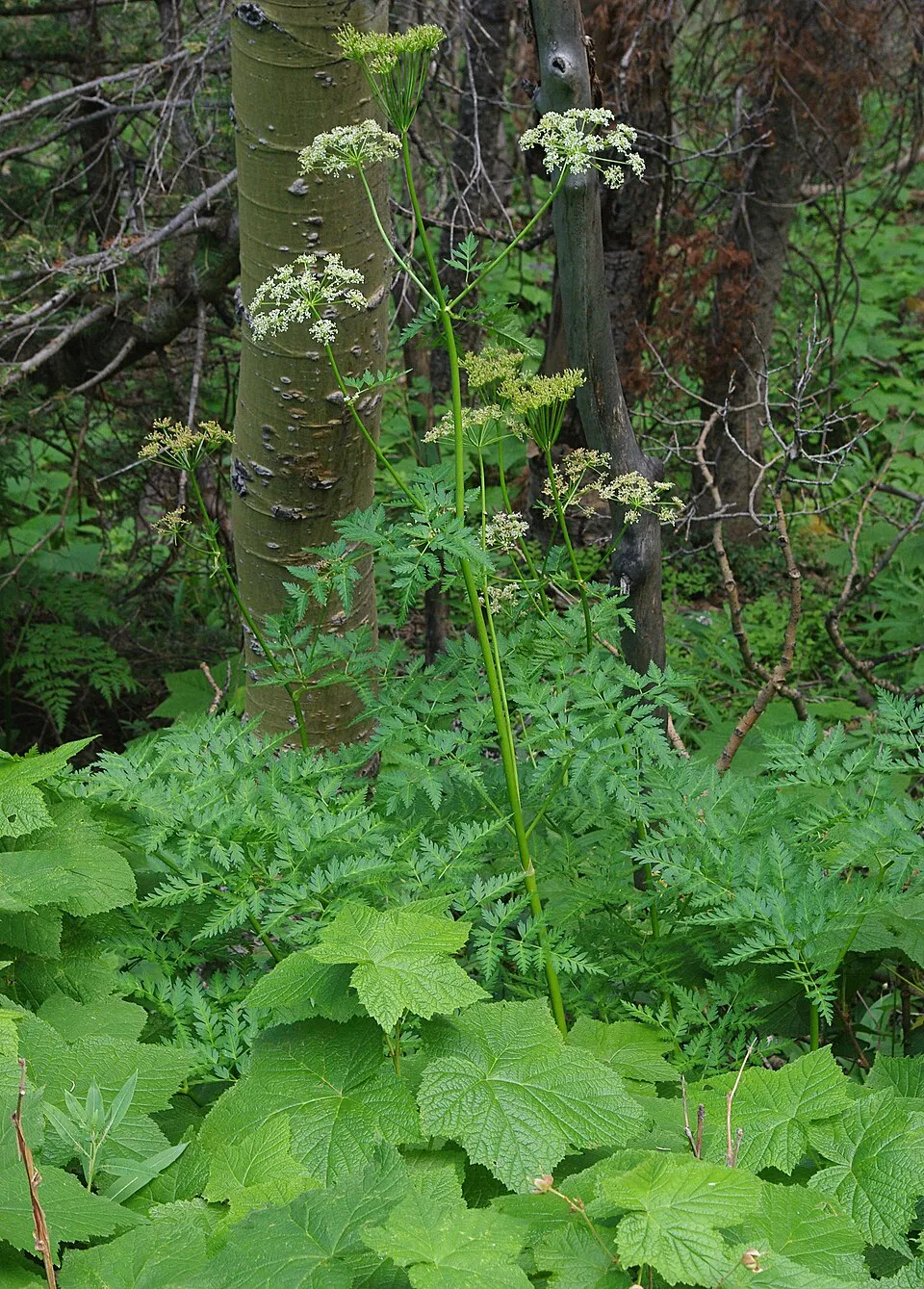
Osha Root, scientifically identified as Ligusticum porteri Coult. & Rose, is a revered perennial herb within the Apiaceae family, commonly known as the carrot or parsley family. This robust plant is indigenous to the formidable mountainous terrains of the Western United States, extending its natural range into parts of Mexico. It flourishes in high-altitude ecosystems, typically found between 2,100 and 3,600 meters (7,000 to 12,000 feet), preferring the cool, moist conditions of subalpine meadows, the sun-dappled clearings of conifer forests, and the rich soils along streambanks. The evocative common name 'Osha' is rooted in various Native American languages, particularly Ute and Navajo dialects, reflecting its profound cultural and medicinal significance. It is often referred to as 'bear root,' a moniker earned from observations of bears instinctively seeking out and consuming its potent rhizomes after emerging from hibernation or when recovering from illness, a testament to its perceived restorative properties.
Historically, Osha has been an indispensable cornerstone of traditional Native American medicine, utilized extensively by tribes such as the Ute, Lakota, and Apache for a broad spectrum of health concerns, especially those affecting the respiratory system. Its application transcended mere physical healing, playing a role in spiritual purification rituals and protective ceremonies. In contemporary herbalism, Osha has garnered widespread recognition for its significant respiratory support, immune-modulating capabilities, and notable antiviral properties. The plant possesses a distinctive, pungent, celery-like aroma and a bitter, aromatic taste. Morphologically, Ligusticum porteri features large, ternately compound leaves with deeply incised leaflets, forming a prominent basal rosette. From this base, a tall, hollow stem emerges, often reaching heights of 0.9 to 1.8 meters (3 to 6 feet).
The stem culminates in characteristic compound umbels of small white to yellowish-white flowers, which mature into dry, flattened schizocarps. The most medicinally valued part is its rhizome—a thick, fleshy, dark brown to black rootstock that is often convoluted, deeply furrowed, and fibrous, strikingly resembling a bear’s paw. This rhizome is a rich repository of complex bioactive compounds, including a diverse array of phthalides, coumarins, and terpenoids, all contributing to its unique and powerful medicinal profile. Due to its specific high-altitude habitat and ...[CURRENT TEXT EXISTS: 2907 chars]
1.1.Osha Root — Standout Qualities
- ✓Indigenous to High — Altitude Western US & Mexico — Thrives in specific mountain environments.
- ✓Member of the Apiaceae Family — Shares characteristics with parsley and celery.
- ✓Distinctive 'Bear Root' Name — From observations of bears consuming the root.
- ✓Strong Pungent Aroma & Bitter Taste — Characteristic sensory profile.
- ✓Primary Use for Respiratory Conditions — Historically and currently valued for lung health.
- ✓Rich in Phthalides and Coumarins — Bioactive compounds with medicinal properties.
- ✓Expectorant and Bronchodilator — Aids in clearing airways and easing breathing.
- ✓Immune Modulating and Antiviral — Supports the body's defense mechanisms.
- ✓Traditionally Wild — Harvested — Poses significant sustainability challenges.
- ✓Thick, Fleshy, Convoluted Rhizome — The medicinally active part of the plant.
1.2.Osha Root — Quick Summary
- ✓Potent Respiratory Aid — Excellent for coughs, colds, and bronchial congestion.
- ✓Immune System Booster — Supports natural defenses against infections.
- ✓Native American Heritage — Deeply rooted in traditional medicine as 'bear root'.
- ✓Wildcrafted & Endangered — Conservation is a critical concern for its future.
- ✓Contains Phthalides & Coumarins — Key compounds for therapeutic effects.
- ✓Contraindicated in Pregnancy — Due to potential uterine stimulating properties.
2.Osha Root — Scientific Profile
3.Osha Root — Botanical Stats
4.Osha Root — Morphological Account
5.Osha Root — Where It Grows
6.Osha Root — Cultural & Traditional Roles
7.Osha Root — Bioactive Constituents
- ✓Phthalides — Key compounds include Z-ligustilide, ligustilide, and senkyunolide, which are largely responsible for Osha's characteristic aroma and contribute significantly to its antispasmodic, bronchodilatory, and anti-inflammatory effects.
- ✓Coumarins — Furocoumarins such as osthole, psoralen, and bergapten are present, offering photoprotective, anti-inflammatory, and potentially antimicrobial activities, while also contributing to the plant's distinctive flavor profile.
- ✓Terpenoids — Various monoterpenes and sesquiterpenes, including alpha-pinene, limonene, and beta-caryophyllene, are found in the essential oil, providing antiseptic, expectorant, and anti-inflammatory properties.
- ✓Alkaloids — While not primary constituents, trace amounts of alkaloidal compounds may be present, contributing to subtle pharmacological effects.
- ✓Phenolic Acids — Caffeic acid and ferulic acid derivatives are found, known for their antioxidant and anti-inflammatory actions, supporting cellular health and reducing oxidative stress.
- ✓Polysaccharides — Complex sugars that contribute to Osha's immune-modulating properties, stimulating immune cells and enhancing overall immune response.
- ✓Volatile Oils — A complex mixture of the aforementioned phthalides and terpenoids, responsible for the strong, pungent aroma and many of its immediate therapeutic effects on the respiratory system.
- ✓Flavonoids — Antioxidant compounds that help protect cells from damage and may contribute to anti-inflammatory and immune-supportive actions.
- ✓Phytosterols — Plant sterols such as beta-sitosterol, which can have cholesterol-lowering and anti-inflammatory benefits.
8.Osha Root — What Research Suggests
- ✓Respiratory Support — Osha Root acts as a potent expectorant and bronchodilator, helping to thin and expel mucus from the lungs and relax bronchial muscles, making it invaluable for conditions like bronchitis, coughs, and congestion.
- ✓Immune System Modulation — Its active compounds, particularly certain coumarins, are believed to support and balance immune responses, enhancing the body's natural defense mechanisms against pathogens.
- ✓Antiviral Properties — Traditional use and some preliminary research suggest Osha possesses antiviral activity, potentially inhibiting the replication of various viruses and aiding in recovery from viral infections like the common cold and flu.
- ✓Anti-inflammatory Effects — Phthalides and other constituents in Osha Root may exert anti-inflammatory actions, helping to reduce inflammation in the respiratory tract and other areas of the body.
- ✓Antimicrobial Action — Osha has demonstrated broad-spectrum antimicrobial properties, useful in combating bacterial and fungal infections, especially in the respiratory and urinary systems.
- ✓Febrifuge (Fever Reducer) — Traditionally, Osha was used to help break fevers by promoting sweating, assisting the body in expelling toxins and cooling down.
- ✓Digestive Aid — In some traditional practices, Osha was employed to stimulate digestion and alleviate gastrointestinal discomfort, likely due to its bitter compounds.
- ✓Pain Relief — The root's analgesic properties were traditionally utilized to soothe various aches and pains, including sore throats and muscular discomfort.
- ✓Diaphoretic Action — Osha promotes perspiration, which is beneficial for detoxification and for breaking fevers during colds and flu.
- ✓Circulatory Stimulant — Certain constituents may improve circulation, which can enhance the delivery of immune cells and nutrients throughout the body.
8.1.Osha Root — Reported Uses
9.Osha Root — Risk Profile
9.1.Osha Root — Warnings
- ✓Gastrointestinal Upset — May cause stomach discomfort, nausea, or diarrhea in sensitive individuals or with high doses.
- ✓Photosensitivity — Coumarins in Osha Root can increase sensitivity to sunlight, potentially leading to sunburn or skin reactions in susceptible people.
- ✓Uterine Stimulation — Osha is traditionally considered a uterine stimulant, making it contraindicated during pregnancy.
- ✓Blood Thinning — Compounds like coumarins might have anticoagulant effects, potentially increasing the risk of bleeding, especially if combined with blood-thinning medications.
- ✓Allergic Reactions — Individuals sensitive to plants in the Apiaceae family (e.g., celery, parsley, carrots) may experience allergic reactions.
- ✓Kidney Overload — Very high doses over prolonged periods could potentially stress the kidneys, though this is rare with typical usage.
- ✓Drowsiness — Some users report mild sedative effects, particularly with larger doses.
9.2.Osha Root — Safety Overview
- ✓Pregnancy and Breastfeeding — Strictly contraindicated due to potential uterine stimulating effects and lack of safety data during lactation.
- ✓Anticoagulant Medications — Use with caution and under medical supervision if taking blood thinners due to potential additive effects.
- ✓Photosensitivity — Advise individuals to limit sun exposure while using Osha, especially if prone to sunburn.
- ✓Kidney Conditions — Individuals with pre-existing kidney disease should consult a healthcare professional before use.
- ✓Allergic History — Avoid if allergic to other Apiaceae family members; perform a patch test if concerned.
- ✓Dosage — Adhere to recommended dosages; excessive use can increase the risk of side effects.
- ✓Professional Consultation — Always consult a qualified healthcare practitioner before incorporating Osha Root into a health regimen, especially if you have underlying health conditions or are on other medications.
10.Osha Root — Preparation & Dosage
- ✓Decoction — Simmer dried Osha root in water for 15-20 minutes to extract water-soluble compounds, ideal for respiratory congestion and immune support.
- ✓Tincture — Macerate chopped fresh or dried root in high-proof alcohol for several weeks, creating a potent extract for convenient daily dosing.
- ✓Chewing the Root — A traditional method where a small piece of fresh or dried root is chewed to release volatile compounds directly into the mouth and throat, offering immediate relief for sore throats or coughs.
- ✓Powdered Root — Dried root can be ground into a fine powder and encapsulated or mixed with honey for easier ingestion, particularly for long-term immune support.
- ✓Syrups — Combine a strong Osha decoction with honey or glycerin to create a soothing syrup, especially effective for coughs and irritated throats.
- ✓Steam Inhalation — Add a few drops of Osha tincture or a small piece of root to hot water for steam inhalation, clearing nasal passages and bronchial tubes.
- ✓Topical Poultice — A paste made from powdered root and water can be applied topically to soothe muscle aches or skin irritations.
11.Osha Root — Growing Guide
- ✓Site Selection — Requires high-altitude environments (7,000-12,000 ft) with well-drained, rich, organic soil, mimicking its native subalpine habitat.
- ✓Light Requirements — Prefers partial shade, especially in warmer climates, but can tolerate full sun in its native high-altitude, cooler settings.
- ✓Propagation — Primarily by seed, though germination can be challenging and slow, often requiring cold stratification. Vegetative propagation from root divisions is also possible.
- ✓Soil Conditions — Thrives in moist, humus-rich, slightly acidic to neutral soils (pH 6.0-7.0) with excellent drainage to prevent root rot.
- ✓Watering — Needs consistent moisture, especially during dry periods, but avoids waterlogging. Mimic natural mountain rainfall patterns.
- ✓Harvesting — Rhizomes are typically harvested in late summer or early autumn after the plant has matured, usually from plants at least 3-5 years old to ensure potency and sustainability.
- ✓Conservation Concerns — Due to slow growth and wild-harvesting pressures, cultivated Osha offers a sustainable alternative to protect wild populations.
Reviewed by the Flora Medical Global Botanical Review Panel
Multi-disciplinary editorial group · Botany · Ethnobotany · Herbal-medicine literature
Who reviewed this: This page was checked by the Flora Medical Global Botanical Review Panel — an in-house editorial group of botany graduates, ethnobotany researchers, and horticulture practitioners who collectively maintain our 7,000+ plant encyclopedia. Meet the team.
Our 4-step verification process
1. Taxonomic verification
Scientific names and synonyms cross-checked against Kew POWO, World Flora Online, and The Plant List.
2. Phytochemical & medicinal cross-reference
Active compounds, traditional uses, and reported activities are cross-referenced with PubMed, USDA Dr. Duke's database, and peer-reviewed ethnobotanical literature.
3. Conservation & distribution check
Distribution, ecology, and conservation status confirmed against GBIF occurrence records and the IUCN Red List.
4. Editorial & safety review
Every entry passes an editorial pass for clarity, originality, and safety notices (toxicity, contraindications, dosage caveats) before publication.
Last reviewed:
Important medical disclaimer: This content is for educational and research purposes only. It is not medical advice and is not a substitute for consultation with a licensed healthcare provider. Do not use any herb to self-treat a medical condition without professional guidance.
Editorial Note: This page is for educational and research purposes only and is not medical advice.
Written by: Flora Medical Global Editorial Team
Reviewed by: Flora Medical Global Botanical Review Panel
Last Updated: June 15, 2026





Osha Root — Comments & Community Reviews
Rate this plant