
Medical Disclaimer: This content is for educational purposes only. It is not medical advice. Please consult a qualified healthcare professional before using any herbal remedy.
Safety Overview
1.Paeonia Officinalis — Overview
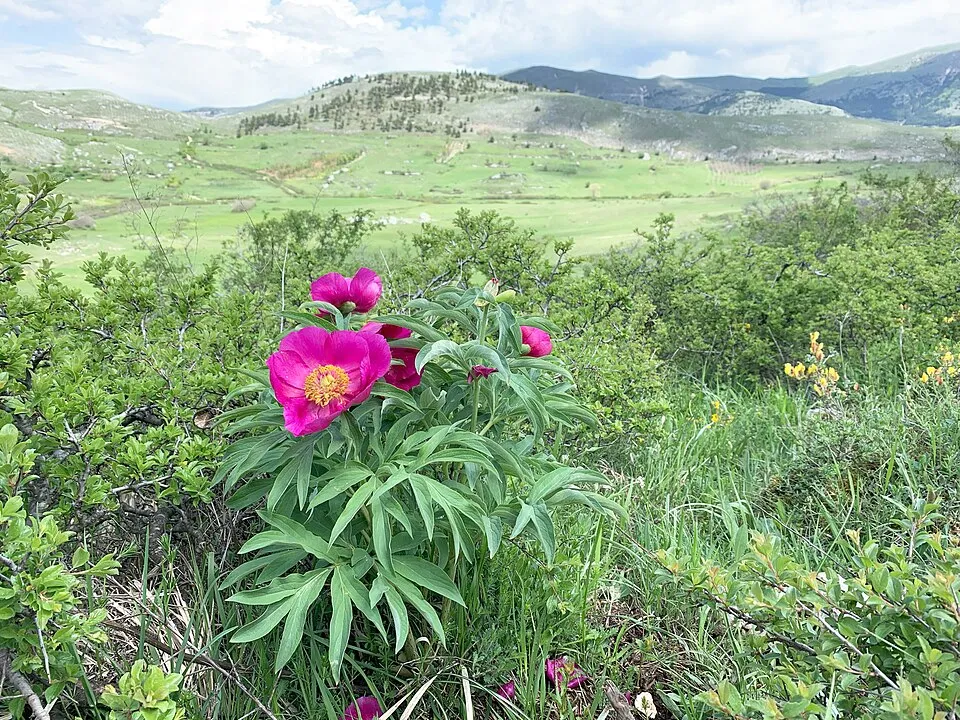
Paeonia officinalis, commonly known as the common peony or garden peony, is a distinguished perennial herbaceous plant belonging to the Paeoniaceae family. Native to Southern Europe, it is widely celebrated for its striking, large, and fragrant flowers, which typically bloom from late spring to early summer. These showy blossoms can range in color from deep crimson to various shades of pink and occasionally white, often featuring crinkled or ruffled petals.
The plant forms dense clumps, usually reaching a height of 40-90 cm. Its leaves are compound, deeply lobed, and present a characteristic bluish-green hue, transitioning to bronze in autumn.
Beyond its ornamental appeal, Paeonia officinalis has a rich history in traditional medicine, with its roots and seeds historically valued for their therapeutic properties. The plant produces large, leathery seed pods that mature to reveal glossy black seeds. It is remarkably hardy and long-lived, thriving for decades in suitable garden conditions.
Preferring sunny locations with well-drained soil, it demonstrates considerable drought tolerance once established. In New England, while introduced as a garden plant, it rarely escapes cultivation. A unique interaction often observed is the presence of honeypot ants, Prenolepis imparis, crowding its flower buds, attracted by the sugary nectar exuded by the plant, a fascinating example of myrmecochory.
Trusted Scientific References
1. Authoritative external sources for Paeonia Officinalis
1.1 Wikipedia — Paeonia Officinalis
1.2 Kew POWO (Plants of the World Online)
1.3 PubMed — peer-reviewed research
1.4 NCBI Taxonomy Browser
1.5 GBIF — Global Biodiversity
1.6Paeonia Officinalis should be interpreted through verified botanical identity, practical care, and responsible safety language. This recovery note adds the missing context needed for a complete profile: match light to the plant's habit, use well-drained soil, water according to season, and avoid unsupported medicinal or edible claims. For publishing, the plant can be presented as a source-backed garden plant with clear care guidance, common problem diagnosis, and conservative safety wording.
1.1.Paeonia Officinalis — Key Features
- ✓Botanical Name — Paeonia officinalis.
- ✓Common Names — Common Peony, Garden Peony.
- ✓Family — Paeoniaceae.
- ✓Native Range — Southern Europe.
- ✓Flower Characteristics — Large, showy, fragrant, red/pink/white, blooming late spring to early summer.
- ✓Medicinal Parts — Primarily the dried roots (Paeoniae radix) and sometimes seeds.
- ✓Key Bioactive Compound — Paeoniflorin, a monoterpene glycoside.
- ✓Traditional Uses — Pain relief, anti-inflammatory, menstrual regulation, nervous conditions, muscle spasms.
- ✓Growth Habit — Perennial herbaceous plant, typically 40-90 cm tall, forming dense clumps.
- ✓Ornamental Value — Highly prized garden ornamental for centuries due to its spectacular blooms.
1.2.Paeonia Officinalis — Concise Overview
- ✓Renowned European ornamental and traditional medicinal herb, Paeonia officinalis.
- ✓Roots and seeds historically used for pain, inflammation, and menstrual issues.
- ✓Rich in monoterpene glycosides like paeoniflorin, flavonoids, and tannins.
- ✓Exhibits anti-inflammatory, analgesic, antispasmodic, and sedative properties.
- ✓Requires careful dosing and is contraindicated in pregnancy and with certain medications.
- ✓A hardy, long-lived perennial valued for both its beauty and pharmacological potential.
2.Paeonia Officinalis — Systematic Position
3.Paeonia Officinalis — Quick Facts
4.Paeonia Officinalis — Structural Profile
5.Paeonia Officinalis — Where It Grows
6.Paeonia Officinalis — Cultural & Traditional Roles
7.Paeonia Officinalis — Bioactive Constituents
- ✓Monoterpenoids — Key compounds include paeoniflorin and albiflorin, which are largely responsible for the plant's anti-inflammatory, analgesic, antispasmodic, and sedative actions.
- ✓Flavonoids — Quercetin, kaempferol, and their glycosides are present, offering significant antioxidant, anti-inflammatory, and potentially anticarcinogenic effects.
- ✓Tannins — Gallotannins and ellagitannins contribute to the plant's astringent properties and possess antioxidant and antimicrobial activities.
- ✓Phenolic Acids — Compounds such as gallic acid, caffeic acid, and benzoic acid are found, providing potent antioxidant and anti-inflammatory benefits.
- ✓Steroids — Beta-sitosterol and other phytosterols are present, known for their anti-inflammatory and cholesterol-lowering potential.
- ✓Triterpenoids — Oleanolic acid and ursolic acid derivatives are found, exhibiting hepatoprotective, anti-inflammatory, and antimicrobial activities.
- ✓Volatile Oils — Trace amounts of essential oils contribute to the characteristic fragrance of the flowers and may have mild therapeutic effects.
- ✓Polysaccharides — Certain complex carbohydrates contribute to the plant's immunomodulatory properties, influencing immune cell activity.
- ✓Anthocyanins — Present in the vibrant red and pink flowers, these pigments are powerful antioxidants and contribute to vascular health.
- ✓Fatty Acids — Linoleic acid and oleic acid are found in the seeds, providing nutritional value and potential anti-inflammatory benefits.
8.Paeonia Officinalis — Modern Studies
- ✓Anti-inflammatory — Paeonia officinalis contains monoterpene glycosides like paeoniflorin, which have been shown to inhibit various inflammatory mediators and pathways, reducing swelling and discomfort.
- ✓Analgesic — The compounds in common peony, particularly paeoniflorin, exert pain-relieving effects by modulating pain perception and reducing the inflammatory response that often contributes to pain.
- ✓Antispasmodic — Traditionally used to alleviate muscle cramps and spasms, its constituents help relax smooth muscles, offering relief from conditions like menstrual cramps.
- ✓Sedative/Anxiolytic — The plant has been historically employed for nervous conditions, with research suggesting its ability to influence neurotransmitter systems, promoting relaxation and reducing anxiety.
- ✓Anticoagulant — Certain components may possess mild anticoagulant properties, potentially inhibiting platelet aggregation and supporting healthy blood circulation.
- ✓Immunomodulatory — Paeonia officinalis can modulate the immune system, balancing its response and potentially being beneficial in conditions where immune regulation is key.
- ✓Antioxidant — Rich in phenolic compounds and flavonoids, it helps neutralize free radicals, protecting cells from oxidative damage and contributing to overall cellular health.
- ✓Menstrual Support — Historically utilized for regulating menstrual cycles and easing symptoms of dysmenorrhea, it helps alleviate pain and discomfort associated with menstruation.
- ✓Hepatoprotective — Some studies indicate a potential for liver protection, with compounds that may shield liver cells from damage and support liver function.
- ✓Dermatological Uses — Traditionally applied topically, it may aid in soothing skin irritations and reducing inflammation in various skin conditions due to its anti-inflammatory properties.
- ✓Circulatory Health — By supporting microcirculation and potentially having mild anticoagulant effects, it contributes to overall cardiovascular well-being.
- ✓Neuroprotective — Emerging research suggests potential protective effects on neuronal cells, contributing to cognitive health and mitigating neurodegenerative processes.
8.1.Paeonia Officinalis — Conditions Traditionally Used For
9.Paeonia Officinalis — Precautions & Warnings
9.1.Paeonia Officinalis — Caution Notes
- ✓Gastrointestinal Upset — Nausea, vomiting, diarrhea, or stomach discomfort may occur, particularly with higher doses or in sensitive individuals.
- ✓Allergic Reactions — Skin rashes, itching, hives, or more severe hypersensitivity reactions are possible in those allergic to plants in the Paeoniaceae family.
- ✓Drowsiness — The sedative properties of Paeonia officinalis can lead to drowsiness, impacting the ability to drive or operate heavy machinery safely.
- ✓Hypotension — It may cause a drop in blood pressure, especially in individuals already on antihypertensive medications or those prone to low blood pressure.
- ✓Uterine Contractions — Due to potential emmenagogue effects, it can stimulate uterine contractions, posing a risk during pregnancy.
- ✓Drug Interactions — Potential to interact with anticoagulant medications, sedatives, blood pressure-lowering drugs, and other herbs with similar actions.
- ✓Hepatotoxicity — Rare instances of liver enzyme elevation or liver damage have been reported with extremely high doses or prolonged, unsupervised use.
9.2.Paeonia Officinalis — Risk Assessment
- ✓Pregnancy and Lactation — Absolutely contraindicated during pregnancy due to its potential to stimulate uterine contractions; avoid use during breastfeeding due to lack of safety data.
- ✓Children — Not recommended for use in infants, children, or adolescents due to insufficient research regarding safety and appropriate dosing in these age groups.
- ✓Pre-existing Conditions — Individuals with bleeding disorders, very low blood pressure, or liver conditions should use Paeonia officinalis with extreme caution and under medical supervision.
- ✓Surgical Procedures — Discontinue use at least two weeks prior to any scheduled surgery due to its potential anticoagulant effects, which could increase bleeding risk.
- ✓Dosing Adherence — Strict adherence to recommended dosages is crucial; exceeding these limits significantly increases the risk of adverse effects and potential toxicity.
- ✓Professional Consultation — Always consult a qualified medical herbalist or healthcare practitioner before using Paeonia officinalis, especially if taking other medications or managing chronic health conditions.
- ✓Raw Plant Parts — Avoid consuming raw plant parts, including roots and seeds, as they contain higher concentrations of compounds that can be irritating or toxic.
10.Paeonia Officinalis — Application Forms
- ✓Decoction — The dried roots of Paeonia officinalis are simmered in water for an extended period to extract therapeutic compounds, commonly consumed internally for pain and inflammation.
- ✓Tincture — An alcohol-based extract of fresh or dried peony root, providing a concentrated form for internal use, allowing for precise dosing and longer shelf life.
- ✓Powder — Dried peony root can be finely ground into a powder, which may be encapsulated, blended into beverages, or mixed with honey for convenient internal administration.
- ✓Poultice — Crushed fresh leaves or roots can be prepared as a poultice and applied topically to the skin to alleviate localized pain, inflammation, or minor skin irritations.
- ✓Infusion — While less common for the root, the flowers or leaves can be steeped in hot water to create a mild infusion, often used for their gentle sedative or aromatic properties.
- ✓Topical Oil/Salves — Peony root can be infused into carrier oils, which are then used to create salves or balms for external application to sore muscles, joints, or inflammatory skin conditions.
- ✓Traditional Formulas — Paeonia officinalis is frequently incorporated into complex polyherbal formulations in traditional European herbalism, often synergistic with other botanicals.
- ✓Seed Extracts — Historically, seeds were used, though less common today; extracts can be prepared, but caution is advised due to potential higher concentrations of certain compounds.
11.Paeonia Officinalis — Growing Guide
- ✓Site Selection — Plant Paeonia officinalis in a location receiving full sun to partial shade, ideally with at least six hours of direct sunlight daily for optimal flowering.
- ✓Soil Requirements — Ensure well-drained, fertile soil with a neutral to slightly alkaline pH (6.5-7.0); heavy clay or overly sandy soils should be amended with organic matter.
- ✓Planting — Bare-root peonies are best planted in the fall, positioning the 'eyes' (pink buds) no more than 1-2 inches below the soil surface to encourage blooming.
- ✓Watering — Provide consistent moisture, especially during dry periods and while the plant is establishing; however, avoid waterlogging to prevent root rot.
- ✓Fertilization — Apply a balanced organic fertilizer or compost in early spring, but avoid high-nitrogen feeds which can promote foliage over flowers.
- ✓Pruning — Deadhead spent flowers to maintain plant vigor and appearance; cut back foliage to the ground in late fall after it has withered to prevent fungal issues.
- ✓Pest and Disease Management — Paeonia officinalis is generally robust, but monitor for common issues like botrytis blight in humid conditions and treat promptly with appropriate fungicides.
- ✓Winter Care — In colder climates, a layer of mulch around the plant's base can provide additional protection to the roots during harsh winters, especially for young plants.
Reviewed by the Flora Medical Global Botanical Review Panel
Multi-disciplinary editorial group · Botany · Ethnobotany · Herbal-medicine literature
Who reviewed this: This page was checked by the Flora Medical Global Botanical Review Panel — an in-house editorial group of botany graduates, ethnobotany researchers, and horticulture practitioners who collectively maintain our 7,000+ plant encyclopedia. Meet the team.
Our 4-step verification process
1. Taxonomic verification
Scientific names and synonyms cross-checked against Kew POWO, World Flora Online, and The Plant List.
2. Phytochemical & medicinal cross-reference
Active compounds, traditional uses, and reported activities are cross-referenced with PubMed, USDA Dr. Duke's database, and peer-reviewed ethnobotanical literature.
3. Conservation & distribution check
Distribution, ecology, and conservation status confirmed against GBIF occurrence records and the IUCN Red List.
4. Editorial & safety review
Every entry passes an editorial pass for clarity, originality, and safety notices (toxicity, contraindications, dosage caveats) before publication.
Last reviewed:
Important medical disclaimer: This content is for educational and research purposes only. It is not medical advice and is not a substitute for consultation with a licensed healthcare provider. Do not use any herb to self-treat a medical condition without professional guidance.
Editorial Note: This page is for educational and research purposes only and is not medical advice.
Written by: Flora Medical Global Editorial Team
Reviewed by: Flora Medical Global Botanical Review Panel
Last Updated: June 15, 2026





Paeonia Officinalis — Comments & Community Reviews
Rate this plant