

Medical Disclaimer: This content is for educational purposes only. It is not medical advice. Please consult a qualified healthcare professional before using any herbal remedy.
Safety Overview
1.Pansy — Introduction & Highlights
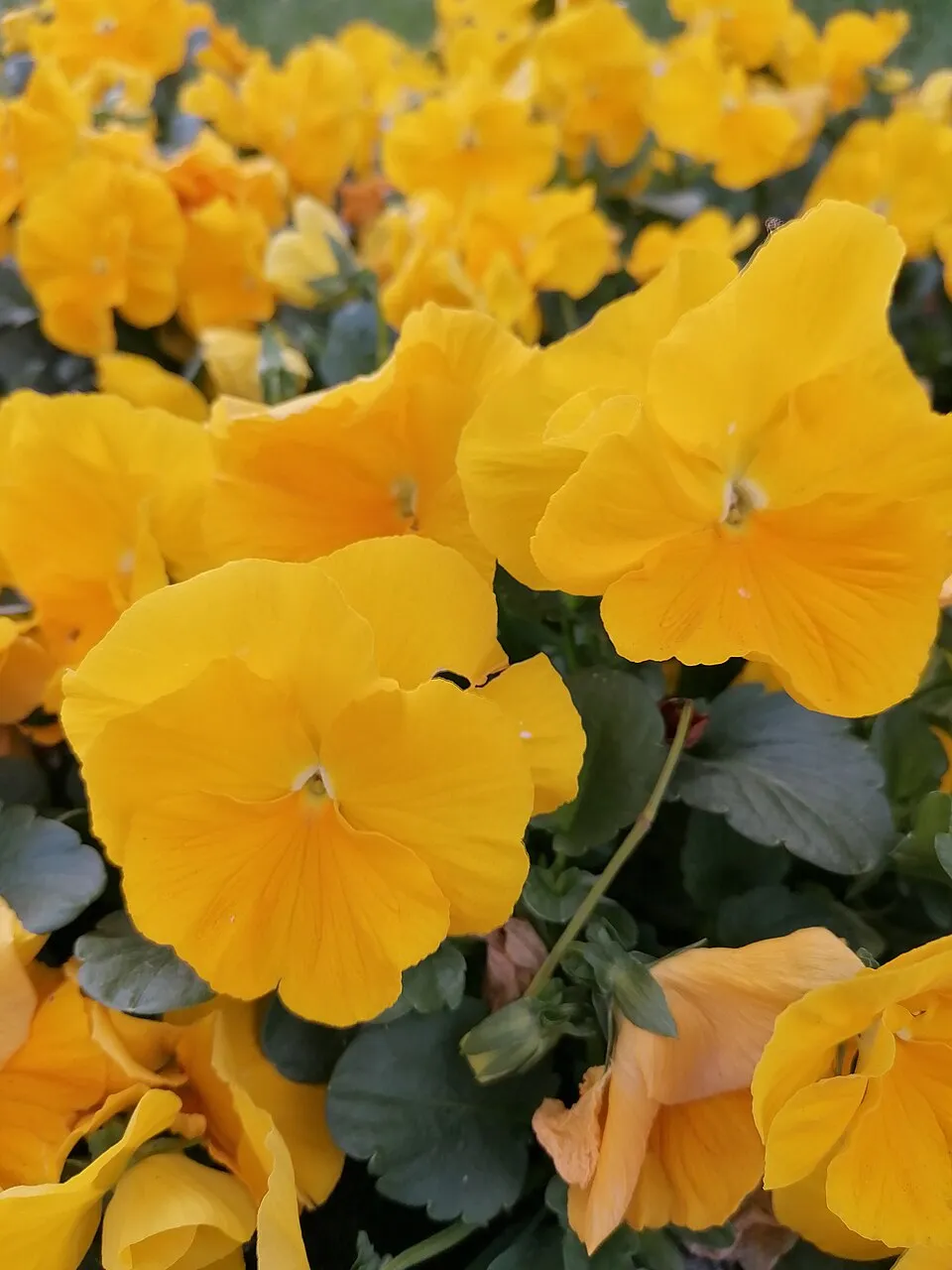
Viola x wittrockiana, universally cherished as the pansy, is a highly popular and widely cultivated ornamental garden plant belonging to the Violaceae family. This complex hybrid is primarily derived from several Viola species, most notably Viola tricolor (wild pansy or heartsease), and is celebrated for its distinctive morphology. Pansy flowers are characterized by their charming, velvety texture and often feature striking bi- or tri-colored patterns, creating the illusion of a 'face' in their center.
Each bloom typically comprises five petals: two overlapping upper petals, two side petals, and a single lower petal that often bears a small spur at its rear. The color palette is astonishingly diverse, encompassing rich purples, deep blues, vibrant yellows, fiery oranges, various reds, pristine whites, and even near-blacks. These annual or short-lived perennial plants exhibit a compact, bushy growth habit, generally reaching heights of 6 to 9 inches (15-23 cm) and spreading up to 12 inches (30 cm).
Their leaves are typically ovate to heart-shaped with finely scalloped margins, presenting a fresh, vibrant green hue. Pansies are particularly prized for their resilience and ability to provide a burst of color during cooler seasons, frequently blooming profusely in early spring, late autumn, and even throughout mild winters in certain climates, making them a staple for container plantings, borders, window boxes, and mass displays in both private gardens and urban landscapes. While primarily ornamental, its genetic lineage to Viola tricolor imparts a potential for shared phytochemical properties.
Trusted Scientific References
1. Authoritative external sources for Viola x wittrockiana
1.1 Wikipedia — Viola x wittrockiana
1.2 Kew POWO (Plants of the World Online)
1.3 PubMed — peer-reviewed research
1.4 NCBI Taxonomy Browser
1.5 GBIF — Global Biodiversity
1.6Pansy should be interpreted through verified botanical identity, practical care, and responsible safety language. This recovery note adds the missing context needed for a complete profile: match light to the plant's habit, use well-drained soil, water according to season, and avoid unsupported medicinal or edible claims. For publishing, the plant can be presented as a source-backed garden plant with clear care guidance, common problem diagnosis, and conservative safety wording.
1.1.Pansy — Key Features
- ✓Ornamental Hybrid — A complex cross primarily from Viola tricolor, cultivated for aesthetic appeal.
- ✓Diverse Flower Colors — Blooms in a wide spectrum of hues, often with distinctive contrasting 'faces'.
- ✓Edible Flowers — Widely used as a decorative and flavorful garnish in culinary arts.
- ✓Cool — Season Bloomer — Thrives in cooler temperatures, providing color in spring, autumn, and mild winters.
- ✓Compact Growth Habit — Typically grows 6-9 inches tall, suitable for borders, containers, and mass plantings.
- ✓Rich in Flavonoids — Contains beneficial antioxidant compounds like rutin and violanthin.
- ✓Traditional Skin Remedy Ancestry — Linked to Viola tricolor, historically used for eczema and skin irritations.
- ✓Potential Anti — inflammatory Action — Due to salicylic acid derivatives and other phytocompounds.
- ✓Expectorant & Diuretic Properties — Attributed to saponins, supporting respiratory and urinary health.
- ✓Easy to Cultivate — Relatively simple to grow from seed, requiring well-drained soil and consistent moisture.
1.2.Pansy — In Brief
- ✓Pansy (Viola x wittrockiana) is a vibrant ornamental hybrid, celebrated for its diverse, 'faced' flowers.
- ✓Inherits medicinal potential from its wild ancestor, Viola tricolor, offering traditional anti-inflammatory and skin-soothing benefits.
- ✓Its flowers are popular as edible garnishes in culinary applications, adding beauty and a delicate flavor.
- ✓Primarily a cool-season plant, pansies provide extended blooming in spring, fall, and mild winters.
- ✓Rich in beneficial phytochemicals like flavonoids, anthocyanins, and saponins, contributing to its wellness profile.
- ✓Requires well-drained soil and consistent moisture for optimal growth, making it a garden favorite.
2.Pansy — Scientific Profile
3.Pansy — Reference Facts
4.Pansy — Morphological Account
5.Pansy — Habitat & Distribution
6.Pansy — Historical Applications
7.Pansy — Bioactive Constituents
- ✓Flavonoids — Key compounds include rutin, violanthin, and vicenin-2, which are potent antioxidants and possess anti-inflammatory properties, contributing to cellular protection.
- ✓Anthocyanins — These pigments are responsible for the vibrant colors of pansy flowers and are powerful antioxidants, also exhibiting anti-inflammatory and potential neuroprotective effects.
- ✓Saponins — Present throughout the plant, saponins contribute to its expectorant and diuretic actions, helping to clear respiratory passages and promote renal function.
- ✓Salicylic Acid Derivatives — Found in the Viola genus, these compounds are known for their anti-inflammatory and analgesic properties, similar to aspirin, aiding in pain and swelling reduction.
- ✓Carotenoids — Such as violaxanthin, these compounds are fat-soluble antioxidants that contribute to flower coloration and offer protective benefits against oxidative damage.
- ✓Mucilage — Polysaccharides forming mucilage provide a soothing effect on mucous membranes, beneficial for irritated skin and digestive or respiratory tracts.
- ✓Tannins — These astringent compounds can help tone tissues, reduce inflammation, and offer antiseptic qualities, useful in wound healing and digestive complaints.
- ✓Phenolic Acids — Including caffeic and ferulic acids, these compounds are recognized for their antioxidant and anti-inflammatory activities, supporting overall cellular health.
- ✓Methyl Salicylate — A natural ester with analgesic and anti-inflammatory properties, contributing to the plant's traditional use for pain relief.
8.Pansy — Modern Studies
- ✓Anti-inflammatory Properties — Compounds such as salicylic acid derivatives and flavonoids inherited from its wild ancestor, Viola tricolor, may help reduce inflammation and soothe irritated tissues.
- ✓Skin Health Support — Traditionally, Viola tricolor has been used topically for various skin conditions like eczema, acne, and mild rashes, suggesting potential benefits for skin clarity and reduced redness.
- ✓Expectorant Action — Saponins present in the plant may help to thin mucus and promote its expulsion from the respiratory tract, aiding in conditions like coughs and bronchitis.
- ✓Diuretic Effects — Certain constituents can promote increased urine output, which may assist in flushing toxins from the body and supporting urinary tract health.
- ✓Antioxidant Activity — Rich in flavonoids and anthocyanins, pansy flowers and leaves possess antioxidant properties that combat free radicals, protecting cells from oxidative stress.
- ✓Mild Laxative — Traditional uses suggest a gentle laxative effect, which can aid in relieving occasional constipation.
- ✓Nervine Properties — Historically, wild pansy was considered a mild nervine, potentially offering a calming effect and supporting the nervous system, which could help alleviate mild anxiety.
- ✓Wound Healing — Applied externally, the plant's mucilage and anti-inflammatory compounds may support the healing of minor cuts, scrapes, and bruises by reducing swelling and irritation.
- ✓Immune System Modulation — While not a primary immune booster, the general antioxidant and anti-inflammatory support can contribute to overall immune system health and resilience.
- ✓Rheumatic Pain Relief — Due to its anti-inflammatory compounds, traditional applications included using pansy preparations to alleviate discomfort associated with rheumatic conditions.
8.1.Pansy — Therapeutic Indications
9.Pansy — Precautions & Warnings
9.1.Pansy — Possible Adverse Reactions
- ✓Allergic Reactions — Individuals sensitive to salicylates or other plant compounds may experience skin rashes, itching, or respiratory issues upon contact or ingestion.
- ✓Gastrointestinal Upset — Excessive consumption, particularly of leaves, might lead to mild stomach discomfort, nausea, or diarrhea in some sensitive individuals.
- ✓Salicylate Sensitivity — Due to the presence of salicylic acid derivatives, individuals with aspirin sensitivity should exercise caution with internal use.
- ✓Photosensitivity — Rarely, some individuals might experience increased skin sensitivity to sunlight after extensive topical application or ingestion.
- ✓Drug Interactions — High doses may interact with anticoagulant medications (due to salicylate content) or diuretics, altering their effects. Consult a healthcare provider.
- ✓Hypotension — In theory, due to its diuretic properties, very large doses might lead to a slight drop in blood pressure, though this is rare with typical usage.
9.2.Pansy — Toxicity Assessment
- ✓Pregnancy and Breastfeeding — Due to insufficient research, internal use of pansy (Viola x wittrockiana or Viola tricolor) is generally advised against during pregnancy and lactation.
- ✓Children — Use in children should be approached with caution and under the guidance of a qualified healthcare practitioner, especially for internal applications.
- ✓Pre-existing Conditions — Individuals with kidney disease, bleeding disorders, or salicylate sensitivity should consult a doctor before using pansy medicinally.
- ✓Topical Application — Always perform a patch test on a small area of skin before widespread topical application to check for potential allergic reactions.
- ✓Dosage — Adhere to recommended dosages; while generally considered safe in culinary amounts, high medicinal doses require professional supervision.
- ✓Hybrid vs. Wild — It is important to note that while Viola x wittrockiana shares genetic lineage with medicinal Viola tricolor, its specific medicinal efficacy and safety profile in concentrated forms are less studied than its wild ancestor.
- ✓Quality Source — Ensure any pansy products used for medicinal purposes are from reputable sources and free from pesticides or contaminants.
10.Pansy — Preparation & Dosage
- ✓Edible Garnish — Fresh pansy flowers are widely used as a decorative and edible garnish for salads, desserts, cakes, and beverages, adding visual appeal and a delicate flavor.
- ✓Herbal Infusion (Tea) — Dried aerial parts, particularly from its ancestor Viola tricolor, can be steeped in hot water to create a tea for internal use, traditionally for respiratory or skin conditions.
- ✓Tincture Preparation — A concentrated alcoholic extract can be made from the whole plant, allowing for precise dosing and longer shelf life, often used for systemic support.
- ✓Topical Compress — Infusions or decoctions can be cooled and used as a compress or poultice applied directly to the skin to soothe irritations, eczema, or minor wounds.
- ✓Culinary Ingredient — Beyond garnish, pansy flowers can be candied, frozen into ice cubes, or incorporated into jams and jellies for a unique floral essence.
- ✓Herbal Bath — Adding a strong infusion of pansy to bathwater can provide a soothing and therapeutic experience for widespread skin discomfort.
- ✓Glycerite — For those avoiding alcohol, a glycerin-based extract can be prepared, offering a sweet alternative for internal use, especially suitable for children (under professional guidance).
11.Pansy — Growing Guide
- ✓Soil Requirements — Pansies thrive in fertile, well-drained soil rich in organic matter. A slightly acidic to neutral pH (6.0-7.0) is ideal.
- ✓Sunlight Exposure — They prefer full sun to partial shade. In hotter climates, afternoon shade is beneficial to prevent wilting and extend bloom time.
- ✓Watering — Consistent moisture is crucial, especially during dry spells. Water regularly, ensuring the soil remains moist but not waterlogged.
- ✓Propagation — Primarily grown from seeds, which can be sown indoors 8-10 weeks before the last frost or directly outdoors in late summer for fall/winter blooms.
- ✓Fertilization — Feed with a balanced liquid fertilizer every 2-4 weeks during the blooming season to encourage continuous flowering.
- ✓Deadheading — Regularly remove spent flowers (deadheading) to promote new blooms and prevent the plant from self-seeding prematurely.
- ✓Pest and Disease Management — Watch for aphids, slugs, and snails. Ensure good air circulation to prevent fungal diseases like powdery mildew.
- ✓Climate Preference — Pansies are cool-season annuals or short-lived perennials, performing best in spring and fall, tolerating mild frosts but struggling in intense summer heat.
Reviewed by the Flora Medical Global Botanical Review Panel
Multi-disciplinary editorial group · Botany · Ethnobotany · Herbal-medicine literature
Who reviewed this: This page was checked by the Flora Medical Global Botanical Review Panel — an in-house editorial group of botany graduates, ethnobotany researchers, and horticulture practitioners who collectively maintain our 7,000+ plant encyclopedia. Meet the team.
Our 4-step verification process
1. Taxonomic verification
Scientific names and synonyms cross-checked against Kew POWO, World Flora Online, and The Plant List.
2. Phytochemical & medicinal cross-reference
Active compounds, traditional uses, and reported activities are cross-referenced with PubMed, USDA Dr. Duke's database, and peer-reviewed ethnobotanical literature.
3. Conservation & distribution check
Distribution, ecology, and conservation status confirmed against GBIF occurrence records and the IUCN Red List.
4. Editorial & safety review
Every entry passes an editorial pass for clarity, originality, and safety notices (toxicity, contraindications, dosage caveats) before publication.
Last reviewed:
Important medical disclaimer: This content is for educational and research purposes only. It is not medical advice and is not a substitute for consultation with a licensed healthcare provider. Do not use any herb to self-treat a medical condition without professional guidance.
Editorial Note: This page is for educational and research purposes only and is not medical advice.
Written by: Flora Medical Global Editorial Team
Reviewed by: Flora Medical Global Botanical Review Panel
Last Updated: June 15, 2026





Pansy — Comments & Community Reviews
Rate this plant