
Medical Disclaimer: This content is for educational purposes only. It is not medical advice. Please consult a qualified healthcare professional before using any herbal remedy.
Safety Overview
1.Papaver Atlanticum — Overview
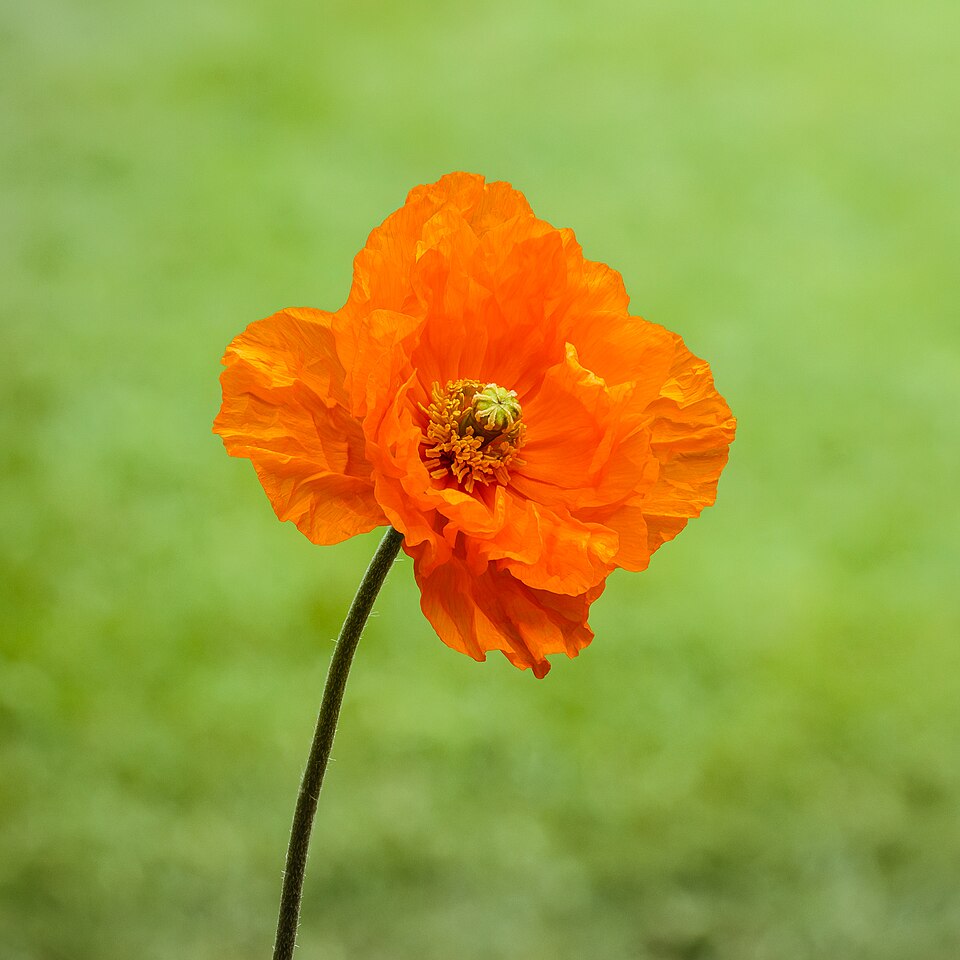
Papaver atlanticum, commonly known as the Atlantic Poppy or Moroccan Poppy, is an enchanting perennial species belonging to the Papaveraceae family. Indigenous to the rugged landscapes of the Atlas Mountains across North Africa, specifically Morocco and Algeria, this poppy is celebrated for its radiant, soft apricot-orange to deep orange flowers. Distinct from many annual poppy varieties, P. atlanticum establishes a robust basal rosette of deeply lobed, hirsute, grayish-green leaves.
From this foundation, slender yet resilient flower stalks ascend, typically reaching heights of 30-60 cm (12-24 inches). Each stem typically culminates in a single, delicate bloom, measuring 5-8 cm (2-3 inches) in diameter. The petals possess a characteristic crinkled, silk-like texture, imparting an ephemeral grace upon opening. Following the blooms, attractive seed pods develop, which contribute further ornamental interest even after the petals have shed.
This species is notable for its extended flowering period, frequently blooming from late spring through the end of summer, a duration that can be prolonged with consistent deadheading. It thrives in well-drained soil and full sun, and once established, demonstrates remarkable drought tolerance, making it an exemplary choice for rock gardens, xeriscaping projects, or charming cottage garden borders. Its delicate aesthetic belies a genuinely tough and adaptable nature, making the Atlantic Poppy a resilient addition to diverse garden settings.
Trusted Scientific References
1. Authoritative external sources for Papaver Atlanticum
1.1 Wikipedia — Papaver Atlanticum
1.2 Kew POWO (Plants of the World Online)
1.3 PubMed — peer-reviewed research
1.4 NCBI Taxonomy Browser
1.5 GBIF — Global Biodiversity
1.6Papaver Atlanticum should be interpreted through verified botanical identity, practical care, and responsible safety language. This recovery note adds the missing context needed for a complete profile: match light to the plant's habit, use well-drained soil, water according to season, and avoid unsupported medicinal or edible claims. For publishing, the plant can be presented as a source-backed garden plant with clear care guidance, common problem diagnosis, and conservative safety wording.
1.1.Papaver Atlanticum — Key Features
- ✓Botanical Name — Papaver atlanticum
- ✓Common Names — Atlantic Poppy, Moroccan Poppy, Atlas Poppy, Spanish Poppy
- ✓Plant Family — Papaveraceae
- ✓Native Range — Atlas Mountains (Morocco, Algeria)
- ✓Flower Color — Bright orange to deep apricot
- ✓Bloom Time — Late spring through end of summer/fall
- ✓Growth Habit — Clump-forming, short-lived perennial
- ✓Mature Height — 30-60 cm (12-24 inches)
- ✓Drought Tolerance — High once established
- ✓Soil Preference — Well-drained; adaptable to various soil types
- ✓Primary Use — Ornamental garden plant, xeriscaping, rock gardens
1.2.Papaver Atlanticum — Quick Summary
- ✓Ornamental perennial native to North Africa's Atlas Mountains.
- ✓Features cheerful, bright orange flowers blooming from spring to fall.
- ✓Highly drought-tolerant and low-maintenance, ideal for diverse gardens.
- ✓Contains trace amounts of isoquinoline alkaloids, but not medicinally significant.
- ✓Primarily valued for its aesthetic appeal, ecological role, and garden resilience.
2.Papaver Atlanticum — Scientific Profile
3.Papaver Atlanticum — Reference Facts
4.Papaver Atlanticum — Morphological Account
5.Papaver Atlanticum — Geographic Distribution
6.Papaver Atlanticum — Ethnobotanical Uses
7.Papaver Atlanticum — Secondary Metabolites
- ✓The phytochemical composition of Papaver atlanticum, while not extensively studied for therapeutic concentrations, includes several classes of compounds typical of the Papaveraceae family. It is important to note that these are present in trace amounts, far below pharmacologically active levels in this species:
- ✓Isoquinoline Alkaloids — Rhoeadine derivatives (e.g., rhoeadine), papaverine, and in exceptionally minute quantities, codeine and thebaine, are detected. In other species, these alkaloids are known for diverse effects including sedative, antispasmodic, and analgesic properties.
- ✓Flavonoids — General plant pigments and antioxidants, such as quercetin and kaempferol derivatives, are likely present. These compounds contribute to cellular protection and potentially possess anti-inflammatory effects.
- ✓Phenolic Acids — Common plant secondary metabolites like caffeic acid and ferulic acid offer antioxidant and anti-inflammatory benefits, supporting cellular health.
- ✓Terpenoids — Various volatile organic compounds and triterpenes may be present, contributing to the plant's characteristic aroma and playing roles in plant defense mechanisms.
- ✓Fatty Acids — The seeds, akin to those of other Papaver species, may contain essential fatty acids such as linoleic acid (Omega-6) and oleic acid (Omega-9), important for nutritional value if consumed.
- ✓Organic Acids — Malic acid, citric acid, and succinic acid are integral to plant metabolism and may contribute minor roles in plant-derived extracts.
- ✓Plant Sugars — Simple monosaccharides and complex polysaccharides are fundamental components, providing energy and structural support within the plant's tissues.
- ✓Minerals — Like all botanical organisms, Papaver atlanticum accumulates essential macro- and micronutrients from the soil, including potassium, calcium, magnesium, and iron, crucial for its physiological functions.
8.Papaver Atlanticum — Research Insights
- ✓While Papaver atlanticum is primarily valued for its ornamental beauty rather than established medicinal applications, its phytochemical profile, albeit with very low concentrations, shares structural similarities with other Papaveraceae members known for their bioactivity. It is crucial to emphasize that the trace amounts of alkaloids found in Papaver atlanticum are not considered therapeutically significant for human medicinal use. However, for a comprehensive overview, theoretical considerations based on its constituents can be explored:
- ✓Aesthetic Well-being — The vibrant, cheerful flowers of Atlantic Poppy contribute to mental and emotional well-being through their visual appeal, promoting relaxation and reducing stress in garden environments.
- ✓Pollinator Support — By attracting essential pollinators like bees and butterflies, Papaver atlanticum plays a role in ecosystem health, indirectly supporting biodiversity and the production of other medicinally or nutritionally valuable plants.
- ✓Ecological Resilience — Its remarkable drought tolerance and adaptability to harsh conditions signify a robust biological system, which can be a subject of study for plant stress response mechanisms, though not directly medicinal for humans.
- ✓Trace Alkaloid Presence (Theoretical) — The plant contains minor isoquinoline alkaloids such as rhoeadine derivatives, papaverine, and in exceedingly minute quantities, codeine and thebaine. These are not present in pharmacologically active doses for Papaver atlanticum but represent classes of compounds with known medicinal properties in other species.
- ✓Potential for Future Research — While currently not a medicinal herb, the presence of various alkaloid classes suggests that further phytochemical investigation could reveal novel compounds or synergistic effects, though this remains speculative for therapeutic application.
- ✓Garden Therapy — Engaging with the cultivation and enjoyment of beautiful plants like the Moroccan Poppy can offer therapeutic benefits through horticultural activity, fostering connection with nature and providing a sense of accomplishment.
8.1.Papaver Atlanticum — Health Applications
9.Papaver Atlanticum — Risk Profile
9.1.Papaver Atlanticum — Possible Adverse Reactions
- ✓Given that Papaver atlanticum is not used medicinally, potential 'side effects' are primarily related to general plant interactions or misidentification:
- ✓Misidentification Risk — The most significant concern is the potential for misidentification with other Papaver species, particularly Papaver somniferum (Opium Poppy), which contains potent psychoactive alkaloids and is regulated.
- ✓Allergic Reactions — As with any plant, contact dermatitis or allergic reactions (e.g., skin irritation, respiratory symptoms from pollen) are possible in susceptible individuals upon handling or exposure.
- ✓Ingestion of Large Quantities (Theoretical) — While not recommended for ingestion and possessing extremely low alkaloid levels, consumption of unrealistic, vast quantities might theoretically lead to mild gastrointestinal upset or slight drowsiness due to trace compounds.
- ✓Toxicity Concerns for Pets — Although generally considered to have low toxicity, ingestion of plant material by pets could potentially result in mild digestive upset. It is advisable to keep ornamental plants out of reach.
- ✓Self-Sowing — While not an adverse health effect, its tendency to self-sow can lead to unwanted spread in certain garden contexts if not managed through deadheading or removal.
9.2.Papaver Atlanticum — Clinical Safety Notes
- ✓The safety profile for Papaver atlanticum emphasizes its ornamental status and avoidance of ingestion:
- ✓Non-Medicinal Use — Papaver atlanticum is strictly an ornamental plant; it is not intended for internal medicinal use due to its extremely low and non-therapeutic concentrations of alkaloids.
- ✓Avoid Ingestion — Advise against ingesting any part of the plant, including seeds or foliage. While generally low in toxic compounds, consumption is not recommended and lacks any established benefit.
- ✓Pregnant/Lactating Women — Due to the presence of trace alkaloids and a lack of comprehensive safety data, pregnant or breastfeeding individuals should strictly avoid any ingestion or therapeutic use.
- ✓Children and Pets — Keep all parts of the plant out of reach of young children and pets to prevent accidental ingestion, which could potentially lead to mild gastrointestinal discomfort.
- ✓Allergic Sensitivity — Individuals with known plant allergies or sensitivities should exercise caution when handling the plant to avoid potential skin irritation or respiratory reactions from pollen.
- ✓Proper Identification — Ensure correct botanical identification to prevent confusion with other Papaver species that may contain potent or controlled psychoactive substances.
10.Papaver Atlanticum — Application Forms
- ✓Papaver atlanticum is predominantly cultivated for its ornamental appeal rather than any medicinal applications. Its uses are primarily horticultural:
- ✓Ornamental Planting — Primarily utilized as an aesthetic enhancement in gardens, perfectly suited for rock gardens, cottage garden borders, xeriscaping, and coastal garden designs.
- ✓Cut Flowers — The tall, wiry stems and delicate, vibrant flowers make charming, albeit ephemeral, cut flowers for indoor arrangements, infusing spaces with natural color and grace.
- ✓Garden Design Element — Employed for its ability to provide long-lasting color from late spring through fall, adding continuous visual interest and attracting beneficial pollinators to a diverse garden ecosystem.
- ✓Seed Collection — The distinctive seed pods can be collected for future propagation efforts or incorporated into dried floral arrangements for their unique sculptural quality and texture.
- ✓Xeriscaping Component — Its inherent drought-tolerant nature positions it as an excellent choice for water-wise landscapes, significantly reducing the necessity for supplemental irrigation once established.
- ✓Pollinator Attraction — Planted strategically to draw in essential pollinators such as bees and butterflies, thereby supporting local biodiversity and enhancing the ecological health of the garden.
- ✓Aesthetic Enjoyment — Simply appreciated for its cheerful blooms and robust character, contributing significantly to the overall beauty, tranquility, and natural ambiance of outdoor spaces.
11.Papaver Atlanticum — Growing Guide
- ✓Cultivating Papaver atlanticum is straightforward due to its resilient nature and adaptability:
- ✓Site Selection — Prefers full sun to partial shade for optimal flowering and color retention, ideally receiving at least 6 hours of direct sunlight daily. Flowers retain color longer in part shade.
- ✓Soil Requirements — Thrives in well-drained soil; tolerates a variety of types including chalk, clay, loam, and sand, with a pH range from acidic to alkaline. Excellent drainage is paramount to prevent root rot.
- ✓Watering — Drought-tolerant once established, requiring average water needs initially. Water sparingly but deeply, allowing the soil to dry out completely between irrigation cycles.
- ✓Propagation — Primarily propagated by seed, which can be sown directly into the garden in late autumn or early spring. A period of cold stratification may enhance germination rates.
- ✓Maintenance — This is a low-maintenance perennial. Regular deadheading of spent blooms encourages a longer and more prolific flowering period, extending from late spring into fall. It self-sows gently.
- ✓Pest and Disease — Generally robust and exhibits strong resistance to most common garden pests and diseases. It is also notably deer tolerant, making it suitable for areas with wildlife.
- ✓Hardiness — Hardy in USDA Zones 5-7, tolerating a range of temperatures and climates, making it a reliable and resilient specimen for various garden designs.
Reviewed by the Flora Medical Global Botanical Review Panel
Multi-disciplinary editorial group · Botany · Ethnobotany · Herbal-medicine literature
Who reviewed this: This page was checked by the Flora Medical Global Botanical Review Panel — an in-house editorial group of botany graduates, ethnobotany researchers, and horticulture practitioners who collectively maintain our 7,000+ plant encyclopedia. Meet the team.
Our 4-step verification process
1. Taxonomic verification
Scientific names and synonyms cross-checked against Kew POWO, World Flora Online, and The Plant List.
2. Phytochemical & medicinal cross-reference
Active compounds, traditional uses, and reported activities are cross-referenced with PubMed, USDA Dr. Duke's database, and peer-reviewed ethnobotanical literature.
3. Conservation & distribution check
Distribution, ecology, and conservation status confirmed against GBIF occurrence records and the IUCN Red List.
4. Editorial & safety review
Every entry passes an editorial pass for clarity, originality, and safety notices (toxicity, contraindications, dosage caveats) before publication.
Last reviewed:
Important medical disclaimer: This content is for educational and research purposes only. It is not medical advice and is not a substitute for consultation with a licensed healthcare provider. Do not use any herb to self-treat a medical condition without professional guidance.
Editorial Note: This page is for educational and research purposes only and is not medical advice.
Written by: Flora Medical Global Editorial Team
Reviewed by: Flora Medical Global Botanical Review Panel
Last Updated: June 15, 2026





Papaver Atlanticum — Comments & Community Reviews
Rate this plant