
Medical Disclaimer: This content is for educational purposes only. It is not medical advice. Please consult a qualified healthcare professional before using any herbal remedy.
Safety Overview
1.Papaver Orientale — At a Glance
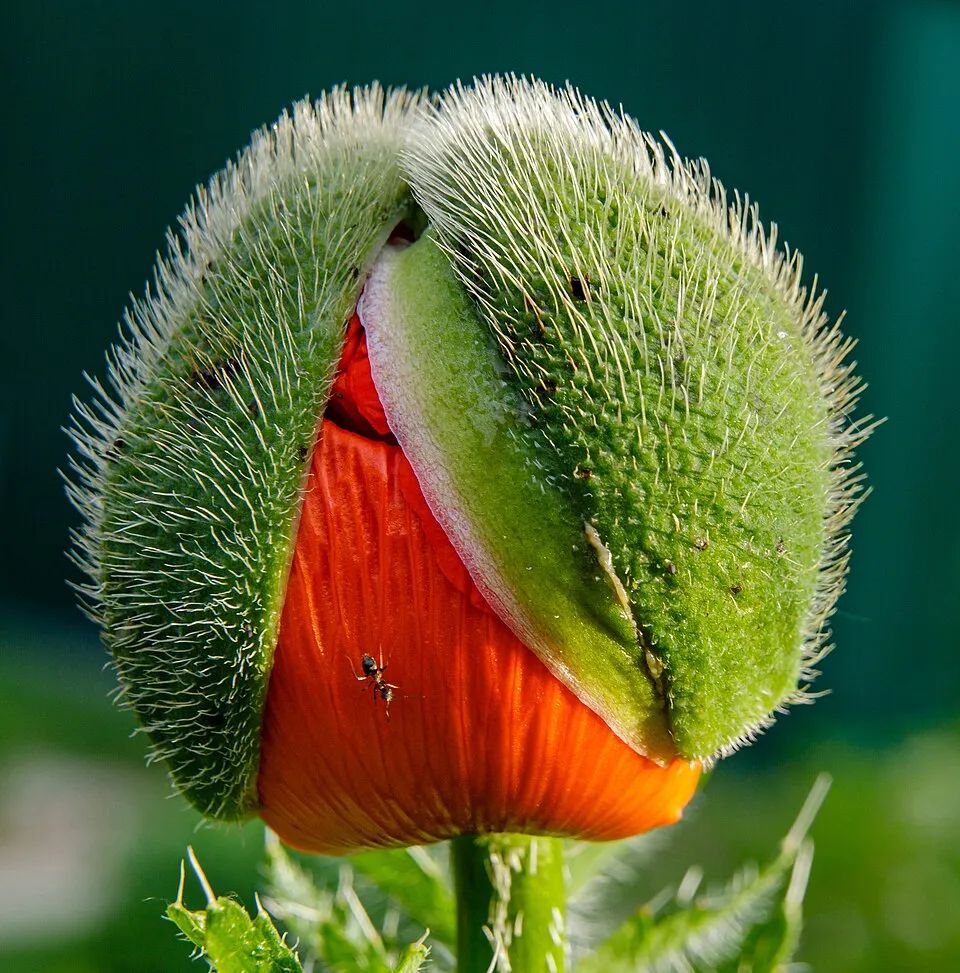
The Oriental Poppy, scientifically known as Papaver Orientale, is a charismatic herbaceous perennial belonging to the Papaveraceae family. It is renowned for its spectacular, large, and often crinkled flowers that typically unfurl from late spring through early summer. Native to a broad geographical range encompassing the Caucasus region, northeastern Turkey, and northern Iran, this species thrives in mountainous and rocky habitats.
Morphologically, Papaver Orientale forms a robust clump of deeply cut, hairy, grayish-green basal leaves that can reach impressive dimensions. The striking solitary flowers, borne on sturdy stems, present an array of vibrant colors including fiery oranges, brilliant reds, soft pinks, pure whites, and captivating bi-colors. A distinguishing feature is the prominent black blotch often found at the base of each petal, creating a dramatic visual contrast.
After its glorious floral display, the plant's foliage typically senesces and dies back by mid-summer, a natural dormancy mechanism to cope with hotter, drier conditions, only to re-emerge with fresh growth in the cooler temperatures of autumn. Its fibrous root system allows it to establish well and withstand periods of drought once mature. While a magnificent ornamental, it is crucial to understand its chemical composition and strictly refrain from any internal use.
Trusted Scientific References
1. Authoritative external sources for Papaver Orientale
1.1 Wikipedia — Papaver Orientale
1.2 Kew POWO (Plants of the World Online)
1.3 PubMed — peer-reviewed research
1.4 NCBI Taxonomy Browser
1.5 GBIF — Global Biodiversity
1.6Papaver Orientale should be interpreted through verified botanical identity, practical care, and responsible safety language. This recovery note adds the missing context needed for a complete profile: match light to the plant's habit, use well-drained soil, water according to season, and avoid unsupported medicinal or edible claims. For publishing, the plant can be presented as a source-backed garden plant with clear care guidance, common problem diagnosis, and conservative safety wording.
1.1.Papaver Orientale — Highlights
- ✓Dramatic, large, often — Dramatic, large, often crinkled flowers in vibrant hues.
- ✓Distinctive black basal — Distinctive black basal blotches on flower petals.
- ✓Deeply cut, hairy, grayish — green foliage forming a robust clump.
- ✓Exhibits summer dormancy, — Exhibits summer dormancy, with foliage dying back after flowering.
- ✓Hardy herbaceous perennial, — Hardy herbaceous perennial, suitable for many temperate climates.
- ✓Contains potent, toxic — Contains potent, toxic isoquinoline alkaloids like thebaine and oripavine.
- ✓Strictly an ornamental — Strictly an ornamental plant; not for human or animal consumption.
- ✓Prefers full sun exposure and well — drained soil conditions.
- ✓Relatively low — maintenance once established, tolerates drought.
- ✓Propagation typically by — Propagation typically by seeds or bare roots.
1.2.Papaver Orientale — In Brief
- ✓Striking ornamental perennial with large, vibrant flowers.
- ✓Native to the Caucasus region, Turkey, and Iran.
- ✓Contains highly toxic alkaloids — thebaine and oripavine.
- ✓NOT used in traditional or modern herbal medicine.
- ✓Ingestion of any part is toxic and potentially fatal.
- ✓Thrives in full sun and well-drained soil; strictly for aesthetic garden use.
2.Papaver Orientale — Botanical Identity
3.Papaver Orientale — Key Data
4.Papaver Orientale — Botanical Description
5.Papaver Orientale — Ecological Habitat
6.Papaver Orientale — Traditional Uses
7.Papaver Orientale — Key Phytochemicals
- ✓Isoquinoline Alkaloids — Papaver Orientale is notably rich in various isoquinoline alkaloids, particularly thebaine (C19H21NO3) and oripavine (C18H19NO3). These compounds are significant as they serve as crucial precursors in the industrial synthesis of certain opioid pharmaceuticals, such as oxycodone and buprenorphine.
- ✓Thebaine — This alkaloid is a potent, convulsant poison that is structurally similar to morphine and codeine but has excitatory rather than depressive effects on the central nervous system in its natural form. It is highly toxic when ingested directly from the plant.
- ✓Oripavine — Another highly toxic alkaloid present, oripavine is closely related to thebaine and is also an important precursor in the synthesis of semi-synthetic opioids. Its presence contributes significantly to the plant's overall toxicity.
- ✓Minor Alkaloids — The plant may contain trace amounts of other related alkaloids, including codeine, papaverine, and even minute quantities of morphine, though not in concentrations that would offer any therapeutic utility or justify medicinal use from the plant itself.
- ✓Non-Medicinal Alkaloid Profile — The specific profile and ratios of alkaloids in Papaver Orientale make it unsuitable and dangerous for direct human consumption, distinguishing it from medicinal poppy species where specific alkaloids are extracted and processed under controlled conditions.
- ✓Toxic Nature — The combined action of these alkaloids renders all parts of the Oriental Poppy plant inherently toxic and potentially lethal if ingested, underscoring its strictly ornamental classification.
8.Papaver Orientale — Scientific Evidence
- ✓Absence of Traditional Medicinal Use — Unlike other poppy species, Papaver Orientale has no documented history of traditional or modern therapeutic applications in any global herbal medicine systems, including Ayurveda, TCM, Unani, or Siddha.
- ✓Lack of Recognized Therapeutic Properties — Scientific research and ethnobotanical surveys consistently indicate that Papaver Orientale does not possess any recognized medicinal benefits for human consumption.
- ✓Inherent Toxicity — All parts of the Oriental Poppy plant contain potent isoquinoline alkaloids, notably thebaine and oripavine, which render it toxic if ingested and unsuitable for any internal use.
- ✓Not a Source for Opium — While it contains alkaloids chemically related to opioids, Papaver Orientale is distinctly different from Papaver somniferum (opium poppy) and is not cultivated or utilized for the production of opium or medicinal alkaloids directly from the plant for therapeutic purposes.
- ✓Risk of Adverse Health Effects — Consuming any part of Papaver Orientale can lead to severe gastrointestinal distress, central nervous system effects, and other dangerous health complications due to its toxic chemical profile.
- ✓Strictly Ornamental Plant — The primary and sole recognized benefit of Papaver Orientale is its aesthetic value as a striking ornamental garden plant, cherished for its dramatic floral display.
- ✓No Safe Consumption Method — There are no known safe methods for preparing or consuming Papaver Orientale for any health-related benefit, and any such attempt is strongly discouraged due to its toxicity.
- ✓Differentiating from Medicinal Poppies — It is vital to differentiate Papaver Orientale from species like Papaver somniferum, which is historically used for medicinal purposes under strict regulation, to prevent dangerous misconceptions.
8.1.Papaver Orientale — Reported Uses
9.Papaver Orientale — Cautions & Contraindications
9.1.Papaver Orientale — Caution Notes
- ✓Gastrointestinal Distress — Ingestion of Papaver Orientale can lead to severe nausea, vomiting, abdominal pain, and diarrhea due to its toxic alkaloid content.
- ✓Central Nervous System Effects — Alkaloids like thebaine can cause symptoms such as dizziness, confusion, hallucinations, restlessness, and convulsions.
- ✓Respiratory Depression — In severe cases of poisoning, particularly with larger doses, respiratory depression can occur, leading to slowed or difficult breathing.
- ✓Cardiac Irregularities — Ingesting toxic amounts may lead to disturbances in heart rhythm and function.
- ✓Pupillary Changes — Dilated or constricted pupils can be a symptom of alkaloid poisoning.
- ✓Skin Irritation — Direct contact with the plant's sap may cause mild skin irritation or dermatitis in sensitive individuals.
- ✓Lethal Outcomes — Ingesting significant quantities of the plant material can be fatal, making immediate medical attention critical in cases of suspected poisoning.
9.2.Papaver Orientale — Clinical Safety Notes
- ✓HIGH TOXICITY — All parts of Papaver Orientale are considered highly toxic if ingested by humans or animals due to the presence of potent isoquinoline alkaloids.
- ✓NOT FOR CONSUMPTION — Emphatically, Papaver Orientale must never be consumed, used in herbal remedies, or prepared for any internal use.
- ✓Keep Away from Children and Pets — Ensure that Oriental Poppy plants are inaccessible to young children and pets, who may inadvertently ingest plant parts.
- ✓Handle with Caution — When handling the plant, especially if harvesting flowers or performing maintenance, it is advisable for sensitive individuals to wear gloves to prevent potential skin irritation from the sap.
- ✓Emergency Protocol — In case of accidental ingestion, seek immediate medical attention or contact a poison control center without delay.
- ✓Ornamental Use Only — Cultivate Papaver Orientale strictly for its ornamental value in gardens and landscapes, respecting its inherent toxicity.
- ✓No Medicinal Application — There are no safe or recognized medicinal applications for Papaver Orientale; its use should be limited to horticultural enjoyment.
10.Papaver Orientale — Preparations & Uses
- ✓Ornamental Garden Display — Papaver Orientale is cultivated exclusively for its stunning visual impact in garden borders, cottage gardens, and landscape designs, providing vibrant color.
- ✓Cut Flower Arrangements — The dramatic flowers can be cut for indoor floral arrangements. To prolong vase life, sear the cut stem ends with a flame or dip in boiling water immediately after cutting.
- ✓Photographic Subject — Due to its striking beauty and unique form, the Oriental Poppy is a popular subject for garden photography and botanical illustrations.
- ✓Pollinator Attraction (Visual Only) — While it attracts pollinators, its role is purely ecological for garden biodiversity and visual interest, not for any human consumption of its parts.
- ✓Landscape Feature — Utilize Oriental Poppies as a focal point or mass planting in sunny, well-drained areas where their summer dormancy can be accommodated by companion plants.
- ✓Educational Display — Can be used in botanical gardens for educational purposes to illustrate plant diversity and the importance of identifying toxic species.
- ✓STRICTLY NO INTERNAL USE — Under no circumstances should any part of Papaver Orientale be ingested, brewed into teas, or used in any form of self-medication due to its inherent toxicity.
11.Papaver Orientale — Garden Cultivation
- ✓Site Selection — Plant Papaver Orientale in a location that receives full sun exposure for at least six hours daily to ensure robust growth and abundant flowering.
- ✓Soil Preparation — Ensure well-drained soil. Oriental Poppies tolerate a range of soil types, from sandy to clay, but good drainage is paramount to prevent root rot.
- ✓Planting Time — The optimal time for planting seeds or bare roots is in autumn or early spring, allowing the plant to establish before extreme temperatures.
- ✓Spacing — Space individual plants approximately 18-24 inches (45-60 cm) apart to allow for mature spread and adequate air circulation.
- ✓Watering — Water regularly after planting until the plant is well-established. Once mature, Papaver Orientale is relatively drought-tolerant, requiring less frequent watering.
- ✓Maintenance — Deadhead spent flowers to maintain a tidy appearance, though this species naturally goes dormant in summer. Divide mature clumps every few years in early autumn to rejuvenate vigor.
- ✓Pest and Disease Management — Generally robust, but monitor for common garden pests like aphids or diseases such as powdery mildew, especially in humid conditions.
Reviewed by the Flora Medical Global Botanical Review Panel
Multi-disciplinary editorial group · Botany · Ethnobotany · Herbal-medicine literature
Who reviewed this: This page was checked by the Flora Medical Global Botanical Review Panel — an in-house editorial group of botany graduates, ethnobotany researchers, and horticulture practitioners who collectively maintain our 7,000+ plant encyclopedia. Meet the team.
Our 4-step verification process
1. Taxonomic verification
Scientific names and synonyms cross-checked against Kew POWO, World Flora Online, and The Plant List.
2. Phytochemical & medicinal cross-reference
Active compounds, traditional uses, and reported activities are cross-referenced with PubMed, USDA Dr. Duke's database, and peer-reviewed ethnobotanical literature.
3. Conservation & distribution check
Distribution, ecology, and conservation status confirmed against GBIF occurrence records and the IUCN Red List.
4. Editorial & safety review
Every entry passes an editorial pass for clarity, originality, and safety notices (toxicity, contraindications, dosage caveats) before publication.
Last reviewed:
Important medical disclaimer: This content is for educational and research purposes only. It is not medical advice and is not a substitute for consultation with a licensed healthcare provider. Do not use any herb to self-treat a medical condition without professional guidance.
Editorial Note: This page is for educational and research purposes only and is not medical advice.
Written by: Flora Medical Global Editorial Team
Reviewed by: Flora Medical Global Botanical Review Panel
Last Updated: June 15, 2026





Papaver Orientale — Comments & Community Reviews
Rate this plant