
Medical Disclaimer: This content is for educational purposes only. It is not medical advice. Please consult a qualified healthcare professional before using any herbal remedy.
Safety Overview
1.Papaver Rupifragum — Botanical Snapshot
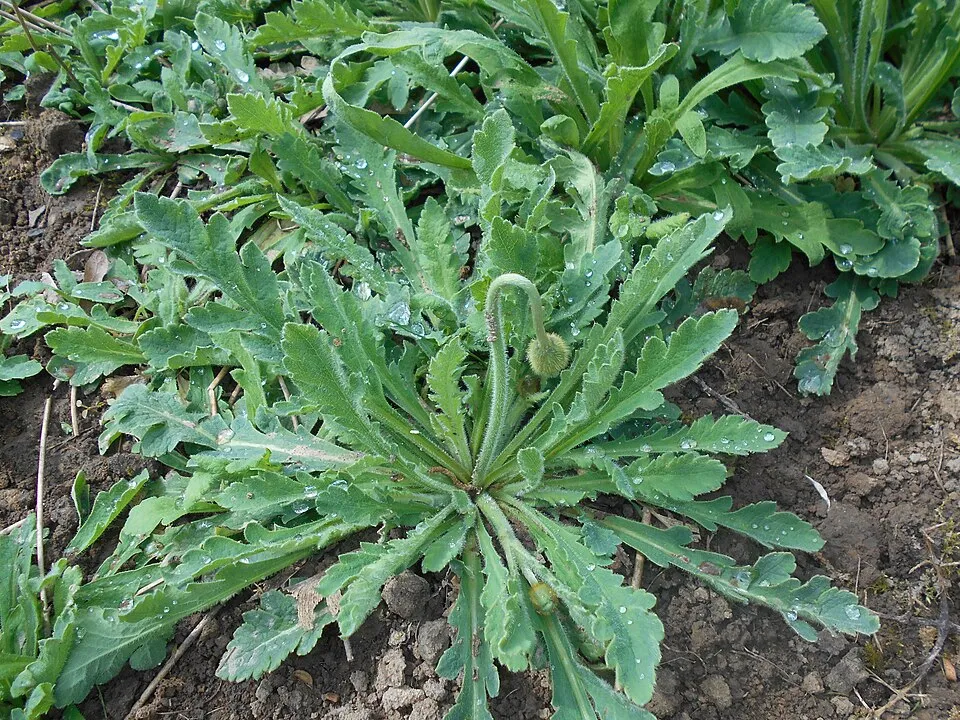
Papaver rupifragum, often known as the Canary Island poppy or Spanish poppy, is a captivating perennial herb originating from the rugged, volcanic terrains of the Canary Islands, particularly Tenerife and Gran Canaria, and also found in Spain and Morocco. This species is a robust member of the Papaver genus, recognized for its exceptional adaptability to challenging, exposed environments. Typically reaching a height of 30-60 cm (12-18 inches), it forms a distinctive basal rosette of delicate, often deeply lobed or dissected glaucous (blue-green) leaves that are lightly fuzzed. The plant's most striking feature is its profusion of vibrant, usually orange to reddish-orange flowers, which emerge singly on tall, slender stems.
These blooms showcase large, papery, and often crinkled petals, giving them an ethereal quality. The flower's center is adorned with a cluster of dark stamens, providing a stark visual contrast to the bright petals. Following bloom, globose seed capsules characteristic of poppies develop, eventually opening by pores to release numerous tiny seeds. Papaver rupifragum thrives in arid and semi-arid conditions, preferring poor to rich, well-drained soils and abundant full sun.
Its natural habitat includes rocky slopes, cliff faces, and gravelly areas, where it exhibits remarkable resilience against wind and drought. Despite its wild origins, it has gained considerable popularity in horticulture for its intense ornamental value, offering a brilliant splash of color to gardens, rockeries, and xeriscapes, making it an attractive, low-maintenance choice for dry landscapes. Though a short-lived perennial, often behaving as a biennial, it readily self-seeds, ensuring its persistent presence in suitable environments.
Trusted Scientific References
1. Authoritative external sources for Papaver Rupifragum
1.1 Wikipedia — Papaver Rupifragum
1.2 Kew POWO (Plants of the World Online)
1.3 PubMed — peer-reviewed research
1.4 NCBI Taxonomy Browser
1.5 GBIF — Global Biodiversity
1.6Papaver Rupifragum should be interpreted through verified botanical identity, practical care, and responsible safety language. This recovery note adds the missing context needed for a complete profile: match light to the plant's habit, use well-drained soil, water according to season, and avoid unsupported medicinal or edible claims. For publishing, the plant can be presented as a source-backed garden plant with clear care guidance, common problem diagnosis, and conservative safety wording.
1.1.Papaver Rupifragum — Highlights
- ✓Botanical Origin — Native to the Canary Islands, Spain, and Morocco, thriving in arid, rocky environments.
- ✓Striking Blooms — Produces vibrant orange to reddish-orange flowers with delicate, crinkled petals.
- ✓Drought Tolerance — Exceptionally well-adapted to dry conditions, requiring minimal water once established.
- ✓Rocky Habitat Specialist — Flourishes in poor, well-drained, gravelly, or rocky soils.
- ✓Perennial/Biennial Nature — A short-lived perennial often behaving as a biennial, ensuring its presence through self-seeding.
- ✓Self — Seeding Capability — Readily propagates itself from seed, allowing it to naturalize in suitable garden settings.
- ✓Glaucous Foliage — Distinctive blue-green leaves that are often lobed and lightly fuzzed.
- ✓Ornamental Value — Highly prized in horticulture for its intense color and suitability for rockeries and xeriscapes.
- ✓Genus Papaver Member — Belongs to the diverse poppy family, sharing general characteristics but with unique adaptations.
- ✓Unstudied Medicinal Properties — Lacks specific scientific research regarding its efficacy or safety for human medicinal purposes.
1.2.Papaver Rupifragum — In Brief
- ✓Papaver rupifragum is known as the Canary Island or Spanish poppy.
- ✓A striking ornamental perennial, native to arid Canary Islands and North Africa.
- ✓Features vibrant orange flowers and glaucous, fuzzy foliage.
- ✓Highly valued for its drought tolerance and suitability for xeriscaping.
- ✓Medicinal uses are largely unstudied and unconfirmed for this specific species.
- ✓Contains uncharacterized alkaloids, thus internal use is strongly discouraged due to unknown safety.
2.Papaver Rupifragum — Scientific Identity
3.Papaver Rupifragum — Fact Sheet
4.Papaver Rupifragum — Botanical Features
5.Papaver Rupifragum — Ecological Habitat
6.Papaver Rupifragum — Heritage Uses
7.Papaver Rupifragum — Key Phytochemicals
- ✓The specific chemical constituents of Papaver rupifragum are not well-documented. However, based on its classification within the Papaver genus, it is inferred to contain various plant compounds, particularly alkaloids, which are characteristic of poppies. Specific concentrations and profiles for P. rupifragum remain largely unstudied.
- ✓Alkaloids — Likely contains various alkaloids, which are characteristic of the Papaver genus. While specific profiles for P. rupifragum are unknown, related species contain compounds like rhoeadine, protopine, or papaverine, which can have diverse pharmacological actions.
- ✓Flavonoids — Expected to contain various flavonoids, which are plant pigments known for their antioxidant and anti-inflammatory properties, contributing to cellular protection.
- ✓Phenolic Acids — Presence of phenolic acids, such as caffeic acid or ferulic acid, is probable, offering additional antioxidant and potential antimicrobial benefits.
- ✓Terpenoids — May contain terpenoid compounds, which can contribute to the plant's aroma and possess potential anti-inflammatory or antimicrobial activities.
- ✓Fatty Acids — Seeds are likely rich in various fatty acids, including essential fatty acids like linoleic acid, similar to other poppy seed oils.
- ✓Polysaccharides — Structural and storage polysaccharides are expected, which can have immunomodulatory properties in other plant species.
- ✓Vitamins and Minerals — Like most plants, it would contain essential vitamins (e.g., Vitamin C, B vitamins) and minerals (e.g., potassium, calcium) crucial for plant growth and general nutrition.
- ✓Saponins — Possible presence of saponins, which are glycosides that can exhibit expectorant or anti-inflammatory actions in other plants, though unconfirmed for P. rupifragum.
- ✓Coumarins — May contain coumarin derivatives, which are natural compounds with potential antioxidant, anti-inflammatory, and mild anticoagulant properties.
8.Papaver Rupifragum — Evidence-Based Benefits
- ✓While Papaver rupifragum itself is not extensively documented for specific medicinal uses, its botanical relatives within the Papaver genus have a long history in traditional medicine, suggesting potential, though unconfirmed, properties. Any application for Papaver rupifragum is purely speculative and not supported by direct scientific evidence.
- ✓Potential Mild Analgesic Effects — Based on the presence of alkaloids in the Papaver genus, there is a speculative possibility of mild pain relief, though specific compounds and efficacy in P. rupifragum are unknown.
- ✓Hypothetical Sedative Qualities — Other poppy species are known for sedative properties; P. rupifragum might hypothetically possess similar effects, but this is unverified and not recommended for use.
- ✓Possible Antitussive Action — Certain poppy alkaloids have been historically used to suppress coughs; this is a speculative property for P. rupifragum without specific research.
- ✓Unconfirmed Anti-inflammatory Potential — Flavonoids and other compounds common in plants could theoretically confer anti-inflammatory benefits, but this is unstudied for P. rupifragum.
- ✓Antioxidant Activity (Speculative) — The presence of phenolic compounds, typical in many plants, suggests a theoretical antioxidant capacity, yet this remains unconfirmed for P. rupifragum.
- ✓Hypothetical Antimicrobial Properties — Some plant extracts exhibit antimicrobial activity; P. rupifragum's unique chemical profile might contain such compounds, but this is entirely speculative.
- ✓Potential Digestive Aid — Certain traditional poppy preparations have been used for digestive comfort; this is an unverified and speculative benefit for P. rupifragum.
- ✓Expectorant Potential (Unproven) — If P. rupifragum contains saponins or other expectorant compounds, it might hypothetically aid in clearing respiratory passages, but this is not confirmed.
- ✓Antispasmodic Possibilities — Alkaloids in other Papaver species can exert antispasmodic effects; this is a highly speculative and unresearched property for P. rupifragum.
8.1.Papaver Rupifragum — Reported Uses
9.Papaver Rupifragum — Safety Considerations
9.1.Papaver Rupifragum — Possible Adverse Reactions
- ✓Specific side effects for Papaver rupifragum are not documented due to a lack of research. However, as with many plants in the Papaver genus, there is a potential for adverse reactions, especially if ingested. Caution is paramount.
- ✓Gastrointestinal Upset — Ingestion could potentially lead to nausea, vomiting, stomach cramps, or constipation due to unknown compounds.
- ✓Drowsiness/Sedation — Alkaloids present in some poppy species can induce central nervous system depression, potentially causing drowsiness or lethargy.
- ✓Allergic Reactions — Sensitive individuals may experience allergic responses such as skin rashes, itching, hives, or respiratory irritation upon contact or ingestion.
- ✓Dizziness/Lightheadedness — Potential neurological effects from uncharacterized alkaloids could manifest as dizziness or lightheadedness.
- ✓Drug Interactions — If alkaloids with pharmacological activity are present, they could potentially interact with prescription medications, particularly CNS depressants.
- ✓Toxicity (Unknown Alkaloids) — The primary risk is ingestion of unknown alkaloids, which could lead to unpredictable and potentially severe toxic effects.
9.2.Papaver Rupifragum — Safety Profile
- ✓The safety profile of Papaver rupifragum for human use is largely unknown due to a significant lack of scientific study. Extreme caution is advised.
- ✓Lack of Research — Papaver rupifragum has not undergone comprehensive scientific studies to determine its safety for internal or external human use.
- ✓Unknown Alkaloid Content — All Papaver species contain various alkaloids, some of which can be potent or toxic. The specific alkaloid profile and concentrations in P. rupifragum are uncharacterized, posing a significant risk.
- ✓Not for Internal Consumption — Due to the unknown chemical composition and potential for uncharacterized alkaloid toxicity, internal use of any part of Papaver rupifragum is strongly discouraged and not recommended.
- ✓Pregnancy and Lactation — Avoid use during pregnancy and breastfeeding, as potential effects on fetal development or infant health are completely unknown and could be harmful.
- ✓Children — Keep this plant out of reach of children, as ingestion could lead to unpredictable and potentially dangerous effects due to its unknown toxicity.
- ✓Consult Healthcare Professional — Always consult a qualified healthcare professional before considering any plant-based remedy, especially for an unstudied species like Papaver rupifragum.
- ✓Proper Identification — Ensure correct plant identification; misidentification with other Papaver species, particularly those with known psychoactive or toxic properties, can be highly dangerous.
10.Papaver Rupifragum — Usage Guide
- ✓Due to the lack of specific scientific research on the safety and efficacy of Papaver rupifragum for human consumption, no medicinal usage methods are recommended. The following are general plant preparation methods, provided purely for informational context regarding how other, well-studied plants might be utilized, and should NOT be applied to P. rupifragum.
- ✓Herbal Infusion (Tea) — Hypothetically, dried petals or leaves could be steeped in hot water to create an infusion, a common method for extracting water-soluble compounds from other herbs; not advised for P. rupifragum.
- ✓Tincture — Hypothetically, plant material could be soaked in alcohol to extract compounds, forming a concentrated liquid extract; this method is not recommended for P. rupifragum due to unknown toxicity.
- ✓Poultice — Hypothetically, crushed fresh plant material could be applied externally to the skin for localized effects, a method used with some medicinal plants; unverified and not recommended for P. rupifragum.
- ✓Seed Oil Extraction — Seeds from other Papaver species are pressed for edible oil; P. rupifragum seeds might hypothetically yield an oil, but its safety and nutritional value are completely unknown.
- ✓Decoction — Hypothetically, tougher plant parts like roots or stems could be simmered in water to extract compounds, a method used for denser plant materials; not applicable or safe for P. rupifragum.
- ✓Culinary Use (Seeds) — While seeds from Papaver somniferum are used culinarily, the safety and edibility of Papaver rupifragum seeds are not established; consumption is strongly discouraged.
11.Papaver Rupifragum — Cultivation & Care
- ✓Cultivating Papaver rupifragum, the Spanish poppy, is relatively straightforward due to its hardy nature and adaptability.
- ✓Soil Requirements — Prefers well-drained soil; tolerates poor, sandy, or gravelly conditions but can thrive in rich soil if drainage is excellent.
- ✓Light Exposure — Requires full sun exposure for optimal growth and abundant flowering, needing at least 6-8 hours of direct sunlight daily.
- ✓Watering — Drought-tolerant once established; water sparingly, allowing the soil to dry out completely between waterings to prevent root rot.
- ✓Propagation — Primarily propagated by seed; it readily self-seeds in favorable conditions, allowing it to persist in the garden for years.
- ✓Hardiness Zones — Thrives in USDA Plant Hardiness Zones 6 through 9, tolerating both moderate cold and significant heat.
- ✓Maintenance — Low maintenance plant; deadheading spent flowers can encourage more blooms but is not strictly necessary as it will self-seed.
- ✓Spacing — Plant individual specimens 6 to 9 inches apart to allow for its mature spread and air circulation.
- ✓Lifespan — A short-lived perennial that often behaves as a biennial, completing its life cycle within two to three years but maintaining presence through self-sowing.
Reviewed by the Flora Medical Global Botanical Review Panel
Multi-disciplinary editorial group · Botany · Ethnobotany · Herbal-medicine literature
Who reviewed this: This page was checked by the Flora Medical Global Botanical Review Panel — an in-house editorial group of botany graduates, ethnobotany researchers, and horticulture practitioners who collectively maintain our 7,000+ plant encyclopedia. Meet the team.
Our 4-step verification process
1. Taxonomic verification
Scientific names and synonyms cross-checked against Kew POWO, World Flora Online, and The Plant List.
2. Phytochemical & medicinal cross-reference
Active compounds, traditional uses, and reported activities are cross-referenced with PubMed, USDA Dr. Duke's database, and peer-reviewed ethnobotanical literature.
3. Conservation & distribution check
Distribution, ecology, and conservation status confirmed against GBIF occurrence records and the IUCN Red List.
4. Editorial & safety review
Every entry passes an editorial pass for clarity, originality, and safety notices (toxicity, contraindications, dosage caveats) before publication.
Last reviewed:
Important medical disclaimer: This content is for educational and research purposes only. It is not medical advice and is not a substitute for consultation with a licensed healthcare provider. Do not use any herb to self-treat a medical condition without professional guidance.
Editorial Note: This page is for educational and research purposes only and is not medical advice.
Written by: Flora Medical Global Editorial Team
Reviewed by: Flora Medical Global Botanical Review Panel
Last Updated: June 15, 2026





Papaver Rupifragum — Comments & Community Reviews
Rate this plant