


Medical Disclaimer: This content is for educational purposes only. It is not medical advice. Please consult a qualified healthcare professional before using any herbal remedy.
Safety Overview
1.Papaya Leaf — Overview
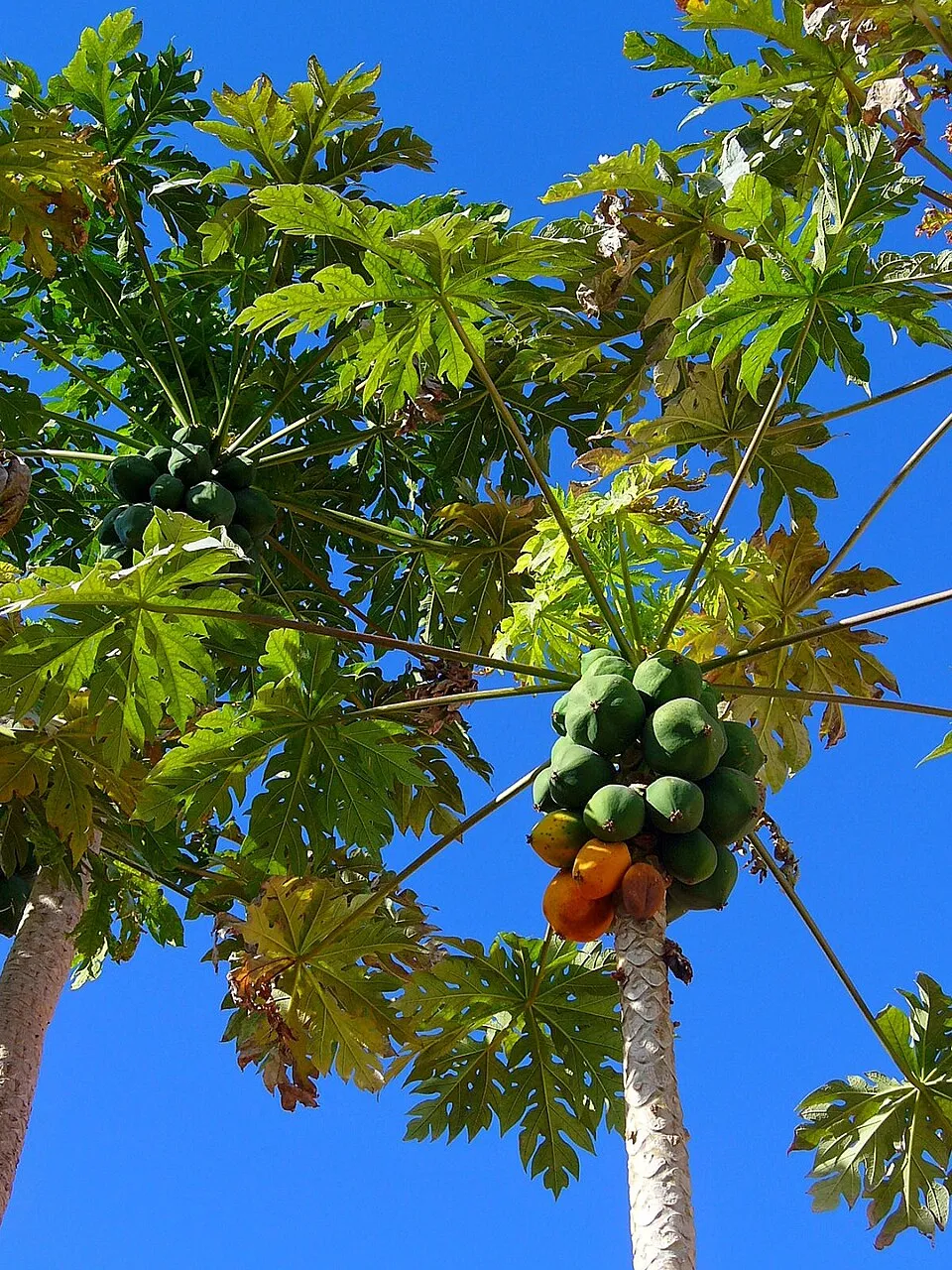
Carica papaya L., commonly known as Papaya, is a rapid-growing, evergreen, and herbaceous perennial tree belonging to the Caricaceae family. Originating in the tropical lowlands of Mesoamerica, specifically southern Mexico and Central America, it has since become naturalized and widely cultivated across tropical and subtropical regions globally, including Asia, Africa, and the Caribbean, following its post-Columbian exchange dissemination. The plant typically reaches heights of 5-10 meters, characterized by an unbranched trunk crowned with a spiral arrangement of large, deeply lobed leaves.
These distinctive leaves are palmately divided into 7-11 prominent lobes, measuring between 20 and 60 cm in diameter. The upper surface of the leaf is a vibrant dark green, contrasting with a lighter underside, and both surfaces are marked by a network of conspicuous veins. A long, hollow petiole, often ranging from 40 to 100 cm, supports each leaf.
Carica papaya thrives in warm, humid climates with well-drained, fertile soil and ample sunlight, making it a staple of tropical agricultural landscapes. Its unique morphology and robust growth habit contribute to its widespread recognition, not only for its sweet fruit but also for the potent medicinal properties concentrated within its leaves.
Trusted Scientific References
1. Authoritative external sources for Carica papaya L.
1.1 Wikipedia — Carica papaya L.
1.2 Kew POWO (Plants of the World Online)
1.3 PubMed — peer-reviewed research
1.4 NCBI Taxonomy Browser
1.5 GBIF — Global Biodiversity
1.6Papaya Leaf should be interpreted through verified botanical identity, practical care, and responsible safety language. This recovery note adds the missing context needed for a complete profile: match light to the plant's habit, use well-drained soil, water according to season, and avoid unsupported medicinal or edible claims. For publishing, the plant can be presented as a source-backed medicinal plant with clear care guidance, common problem diagnosis, and conservative safety wording.
1.1.Papaya Leaf — Key Features
- ✓Potent Digestive Aid — Contains papain and chymopapain, enzymes that break down proteins and support gastrointestinal health.
- ✓Immune System Booster — Abundant in vitamins A, C, and E, along with other antioxidants, enhancing the body's natural defenses.
- ✓Natural Anti — Inflammatory — Bioactive compounds like flavonoids and phenolic acids contribute to its significant anti-inflammatory actions.
- ✓Antioxidant Powerhouse — Rich in compounds that combat oxidative stress and protect cellular integrity from free radical damage.
- ✓Traditional Medicine Staple — Deeply integrated into Ayurvedic, Traditional Chinese Medicine (TCM), and Unani pharmacopeias for millennia.
- ✓Supports Platelet Count — Gaining recognition for its potential to help normalize blood platelet levels, particularly investigated in dengue fever cases.
- ✓Broad — Spectrum Bioactives — Features a complex array of beneficial compounds including alkaloids, flavonoids, and vitamins.
- ✓Versatile Preparations — Can be consumed as a fresh juice, brewed into a tea, taken as a supplement, or applied topically.
- ✓Tropical Origin & Cultivation — Thrives naturally in warm, humid climates, making it a readily available resource in many regions.
- ✓Fast — Growing & Renewable — As a quick-growing tree, its leaves offer a sustainable source for ongoing medicinal use.
1.2.Papaya Leaf — In Brief
- ✓Tropical medicinal plant known for diverse health benefits, particularly its leaves.
- ✓Rich in proteolytic enzymes (papain, chymopapain), alkaloids (carpaine), vitamins, and potent antioxidants.
- ✓Traditionally used across various global healing systems for digestive support, immune enhancement, and fever reduction.
- ✓Modern research highlights its potential in supporting blood platelet counts, especially in conditions like dengue fever, and its anti-inflammatory properties.
- ✓Available in multiple forms including fresh juice, herbal tea, capsules, and topical preparations, offering versatility in usage.
- ✓Critical to observe safety warnings and contraindications, especially for pregnant individuals, those with bleeding disorders, or individuals on specific medications.
2.Papaya Leaf — Taxonomic Classification
3.Papaya Leaf — Quick Facts
4.Papaya Leaf — Structural Profile
5.Papaya Leaf — Geographic Distribution
6.Papaya Leaf — Historical Applications
7.Papaya Leaf — Bioactive Constituents
- ✓Proteolytic Enzymes — Papain and chymopapain are the primary enzymes responsible for breaking down proteins, aiding digestion and exhibiting anti-inflammatory effects.
- ✓Alkaloids — Carpaine is a significant alkaloid found in papaya leaves, known for its cardiac depressant, anthelmintic, and potential abortifacient properties, requiring careful consideration of dosage.
- ✓Flavonoids — Compounds such as quercetin, kaempferol, and myricetin contribute to the leaf's antioxidant, anti-inflammatory, and antiviral activities.
- ✓Phenolic Acids — Caffeic acid, ferulic acid, and chlorogenic acid are prevalent, offering strong antioxidant capabilities and contributing to the plant's antimicrobial actions.
- ✓Vitamins — High concentrations of Vitamin A (from beta-carotene), Vitamin C (ascorbic acid), and Vitamin E (tocopherols) provide potent antioxidant protection and support immune function.
- ✓Carotenoids — Beta-carotene and lycopene are present, acting as powerful antioxidants and precursors to Vitamin A, crucial for vision and immune health.
- ✓Isothiocyanates — Benzyl isothiocyanate, a compound with documented anticancer and antimicrobial potential, is found in the leaves.
- ✓Cyanogenic Glycosides — These compounds are precursors to hydrogen cyanide; while present in raw leaves, cooking or processing typically reduces their concentration to safe levels.
- ✓Minerals — Essential minerals like calcium, magnesium, potassium, iron, and phosphorus are found in the leaves, contributing to overall nutritional value.
- ✓Saponins — These compounds may exhibit some anti-inflammatory and cholesterol-lowering properties, though their exact role in papaya leaf's medicinal profile is still being investigated.
- ✓Tannins — Possessing astringent and antioxidant qualities, tannins contribute to the leaf's traditional uses for wound healing and digestive complaints.
8.Papaya Leaf — Research Insights
- ✓Digestive Aid — Papaya leaf is rich in proteolytic enzymes like papain and chymopapain, which effectively break down proteins, aiding digestion and alleviating symptoms such as indigestion and bloating.
- ✓Immune Support — Loaded with vitamins A, C, and E, as well as potent antioxidants, Carica papaya leaf extract helps bolster the immune system, enhancing the body's defense mechanisms against pathogens.
- ✓Anti-inflammatory Action — Flavonoids, phenolic compounds, and other phytonutrients in papaya leaf exhibit significant anti-inflammatory properties, potentially reducing inflammation and associated pain.
- ✓Antioxidant Powerhouse — The high content of antioxidants, including carotenoids and phenolic acids, helps to neutralize free radicals, protecting cells from oxidative damage and contributing to overall cellular health.
- ✓Platelet Count Support — Traditional and some preliminary research suggest that papaya leaf extract may help increase platelet count, particularly relevant in conditions like dengue fever, by modulating bone marrow activity.
- ✓Antipyretic Effects — Historically, papaya leaf has been used to reduce fever, likely due to its anti-inflammatory and immune-modulating compounds that help the body combat infections.
- ✓Liver Health — In traditional medicine systems like Ayurveda, papaya leaf is valued for its 'Pachana' (digestive) and detoxifying properties, believed to support liver function and aid in detoxification processes.
- ✓Skin Health — Applied topically or consumed, the enzymes in papaya leaf can help exfoliate dead skin cells, promote wound healing, and reduce skin blemishes, contributing to a healthier complexion.
- ✓Blood Sugar Regulation — Some studies indicate a potential role for papaya leaf in moderating blood sugar levels, which could be beneficial for individuals managing metabolic concerns, though more research is needed.
- ✓Antimicrobial Properties — Alkaloids, phenolic compounds, and other constituents in papaya leaf possess antimicrobial activity, helping to inhibit the growth of certain bacteria and fungi.
- ✓Appetite Stimulant — Known as 'Deepana' in Ayurveda, papaya leaf is traditionally used to stimulate appetite and improve digestive fire, promoting better nutrient assimilation.
8.1.Papaya Leaf — Health Applications
9.Papaya Leaf — Risk Profile
9.1.Papaya Leaf — Reported Side Effects
- ✓Allergic Reactions — Some individuals may experience allergic reactions such as skin rashes, itching, or hives, especially with topical application or sensitive internal use.
- ✓Digestive Upset — High doses of papaya leaf preparations can lead to gastrointestinal discomfort, including nausea, vomiting, stomach cramps, or diarrhea.
- ✓Hypotension Risk — Due to potential blood pressure-lowering effects, individuals with low blood pressure or those on hypotensive medication should exercise caution.
- ✓Blood Thinning Interactions — Papaya leaf may possess anti-platelet properties, potentially increasing the risk of bleeding when combined with anticoagulant or anti-platelet medications.
- ✓Pregnancy Contraindication — The presence of carpaine and other compounds may induce uterine contractions, making it contraindicated during pregnancy due to potential abortifacient effects.
- ✓Hypoglycemia Risk — For individuals with diabetes on medication, papaya leaf might lower blood sugar levels, necessitating careful monitoring to avoid hypoglycemia.
- ✓Cyanide Toxicity — Raw or improperly processed leaves contain cyanogenic glycosides, which can release hydrogen cyanide; cooking typically mitigates this risk.
9.2.Papaya Leaf — Risk Assessment
- ✓Consult Healthcare Professional — Always seek advice from a qualified healthcare practitioner before using papaya leaf, especially if you have existing health conditions or are on medication.
- ✓Pregnancy & Breastfeeding — Papaya leaf is generally contraindicated during pregnancy and breastfeeding due to potential uterine stimulant effects and lack of sufficient safety data.
- ✓Bleeding Disorders & Anticoagulants — Avoid use if you have bleeding disorders or are taking anticoagulant or anti-platelet medications, due to potential blood-thinning effects.
- ✓Diabetes Management — Individuals with diabetes should monitor their blood glucose levels closely, as papaya leaf may lower blood sugar, potentially interacting with diabetic medications.
- ✓Allergy Patch Test — Before topical application, perform a patch test on a small skin area to check for any allergic reactions or sensitivities.
- ✓Adhere to Recommended Dosage — Strictly follow recommended dosages from reputable sources or healthcare providers to minimize the risk of adverse effects.
- ✓Quality and Purity — Ensure that any papaya leaf products are sourced from reputable suppliers to guarantee purity and absence of contaminants.
10.Papaya Leaf — Preparation & Dosage
- ✓Fresh Leaf Juice — Crush fresh, young papaya leaves and extract the juice, often diluted with water or other juices, a common method for immune and platelet support.
- ✓Herbal Tea/Infusion — Steep fresh or dried papaya leaves in hot water for 5-10 minutes to create a medicinal tea, traditionally used for digestive issues and fever.
- ✓Capsules or Tablets — Powdered dried papaya leaf extract is encapsulated or pressed into tablets, offering a convenient and standardized dosage form for daily supplementation.
- ✓Topical Paste — Macerate fresh papaya leaves into a paste and apply directly to the skin for conditions like skin blemishes, insect bites, or minor wounds.
- ✓Decoction — Boil papaya leaves in water for a longer duration (15-20 minutes) to create a more concentrated extract, often used for more persistent ailments.
- ✓Smoothies — Incorporate small amounts of fresh papaya leaves into fruit smoothies to mask the bitter taste while still benefiting from its nutrients.
- ✓Culinary Use — In some traditional cuisines, young, tender papaya leaves are cooked and consumed as a vegetable, often boiled or stir-fried to reduce bitterness and toxicity.
11.Papaya Leaf — Propagation & Care
- ✓Climate — Papaya thrives in tropical and subtropical climates, requiring consistently warm temperatures (20-30°C) and being highly sensitive to frost.
- ✓Soil — Prefers well-drained, fertile, sandy loam soil with a pH range of 6.0 to 7.0, as waterlogged conditions can lead to root rot.
- ✓Sunlight — Requires full sun exposure, ideally 6-8 hours of direct sunlight daily, for optimal growth and fruit production.
- ✓Propagation — Primarily propagated from fresh, viable seeds, which should be sown directly or in nursery beds for transplanting; cuttings are less successful.
- ✓Watering — Consistent and regular watering is crucial, especially during dry periods, to maintain soil moisture without causing waterlogging.
- ✓Spacing — Plants should be spaced adequately, typically 2-3 meters apart, to ensure sufficient air circulation and nutrient uptake.
- ✓Fertilization — Regular application of a balanced fertilizer, particularly rich in nitrogen, phosphorus, and potassium, is necessary throughout the growing season.
- ✓Pests and Diseases — Susceptible to various pests like spider mites and fruit flies, and diseases such as Papaya Ringspot Virus, necessitating integrated pest management strategies.
Reviewed by the Flora Medical Global Botanical Review Panel
Multi-disciplinary editorial group · Botany · Ethnobotany · Herbal-medicine literature
Who reviewed this: This page was checked by the Flora Medical Global Botanical Review Panel — an in-house editorial group of botany graduates, ethnobotany researchers, and horticulture practitioners who collectively maintain our 7,000+ plant encyclopedia. Meet the team.
Our 4-step verification process
1. Taxonomic verification
Scientific names and synonyms cross-checked against Kew POWO, World Flora Online, and The Plant List.
2. Phytochemical & medicinal cross-reference
Active compounds, traditional uses, and reported activities are cross-referenced with PubMed, USDA Dr. Duke's database, and peer-reviewed ethnobotanical literature.
3. Conservation & distribution check
Distribution, ecology, and conservation status confirmed against GBIF occurrence records and the IUCN Red List.
4. Editorial & safety review
Every entry passes an editorial pass for clarity, originality, and safety notices (toxicity, contraindications, dosage caveats) before publication.
Last reviewed:
Important medical disclaimer: This content is for educational and research purposes only. It is not medical advice and is not a substitute for consultation with a licensed healthcare provider. Do not use any herb to self-treat a medical condition without professional guidance.
Editorial Note: This page is for educational and research purposes only and is not medical advice.
Written by: Flora Medical Global Editorial Team
Reviewed by: Flora Medical Global Botanical Review Panel
Last Updated: June 15, 2026





Papaya Leaf — Comments & Community Reviews
Rate this plant