
Medical Disclaimer: This content is for educational purposes only. It is not medical advice. Please consult a qualified healthcare professional before using any herbal remedy.
Safety Overview
1.Paphiopedilum Indoor — Essential Profile
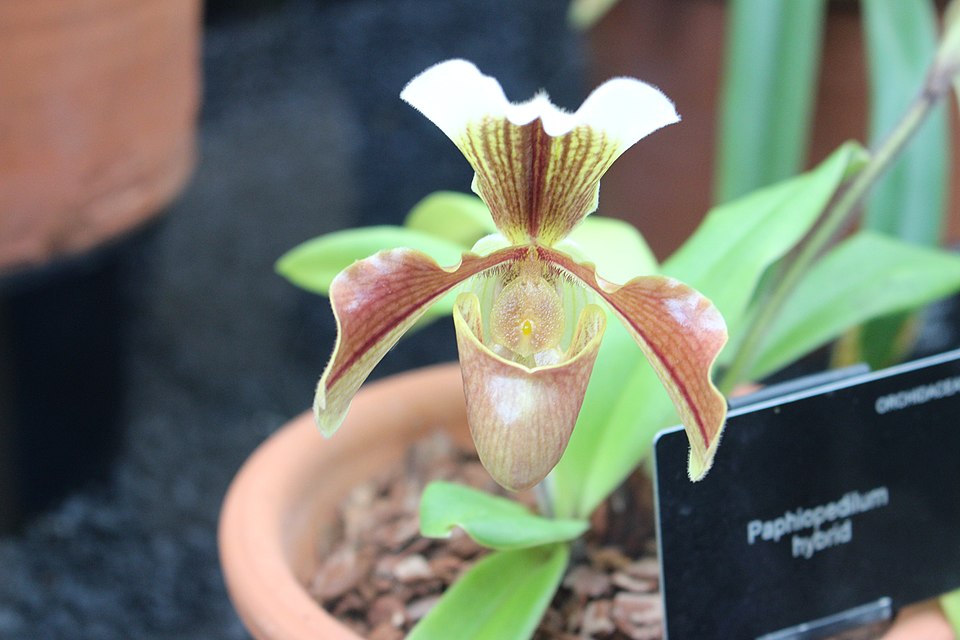
Paphiopedilum hybrid, commonly known as the Lady's Slipper Orchid, is a distinguished and highly sought-after member of the extensive Orchidaceae family, celebrated for its uniquely structured and captivating flowers. These fascinating orchids typically grow to an average height of 12 to 24 inches (30-60 cm), presenting an ideal stature for indoor container cultivation and interior decor.
The plant's foliage is robust, characterized by thick, leathery leaves that often exhibit striking tessellated or mottled patterns, reminiscent of snakeskin, measuring between 6 to 12 inches (15-30 cm) in length and 2 to 4 inches (5-10 cm) in width. This attractive foliage forms a dense basal rosette, as Paphiopedilum species uniquely lack a traditional upright stem, instead emerging from a compact rhizomatous structure.
The flowers are the undisputed focal point, emerging either singularly or in small clusters atop sturdy, erect spikes. These blossoms display an astonishing palette of colors, encompassing a broad spectrum of pinks, yellows, whites, greens, and browns, frequently adorned with intricate venation, spots, or stripes. The defining characteristic is the prominent, often inflated, slipper-shaped labellum (lip), which can reach up to 4 inches (10 cm) in length.
This specialized petal is not merely decorative; it serves as a sophisticated trap, guiding specific pollinators into contact with the reproductive organs. The remaining petals and sepals often spread laterally or vertically, contributing to the flower's dramatic and exotic presentation. Native to the tropical and subtropical regions of Southeast Asia, including countries like India, China, Thailand, and the Philippines, wild Paphiopedilum species thrive in diverse microclimates, from shaded forest floors to limestone cliffs.
Hybrids, developed through selective breeding, combine desirable traits from various parent species, enhancing vigor, bloom size, color variations, and often improving adaptability for cultivation.
Trusted Scientific References
1. Authoritative external sources for Paphiopedilum hybrid
1.1 Wikipedia — Paphiopedilum hybrid
1.2 Kew POWO (Plants of the World Online)
1.3 PubMed — peer-reviewed research
1.4 NCBI Taxonomy Browser
1.5 GBIF — Global Biodiversity
1.1.Paphiopedilum Indoor — Distinguishing Points
- ✓Distinctive Slipper — Shaped Labellum — The most recognizable feature, specialized for pollinator interaction.
- ✓Mottled or Tessellated Foliage — Many varieties display attractive patterns on their leaves.
- ✓Basal Rosette Growth Habit — Leaves grow in a cluster from the base, lacking an upright stem.
- ✓Diverse Floral Colors and Patterns — Blooms exhibit a wide spectrum of hues, often with intricate venation.
- ✓Adaptable to Indoor Environments — Well-suited for cultivation as a houseplant with appropriate care.
- ✓Long — Lasting Blooms — Flowers can persist for several weeks, providing extended ornamental value.
- ✓Requires Specific Humidity and Light — Thrives under moderate humidity and indirect or shaded light conditions.
- ✓Compact Rhizomatous Growth — Grows from a creeping underground stem, contributing to its compact form.
- ✓Symbiotic Fungal Relationships — Like most orchids, it relies on mycorrhizal fungi in its natural habitat.
- ✓Prized by Orchid Collectors — Highly valued for its exotic beauty, unique morphology, and diverse hybrid forms.
1.2.Paphiopedilum Indoor — In Brief
- ✓Lady's Slipper Orchid — Distinctive Paphiopedilum hybrid renowned for its unique, slipper-shaped flowers.
- ✓Ornamental Focus — Primarily cultivated for aesthetic appeal, making it a popular indoor decorative plant.
- ✓Southeast Asian Origin — Ancestral species originate from tropical and subtropical regions of Southeast Asia.
- ✓Specific Care Requirements — Thrives with shaded light, consistent moisture, moderate humidity, and specific temperature ranges.
- ✓Hybrid Vigor — Modern hybrids offer enhanced growth, larger blooms, and a wider array of colors and patterns.
- ✓No Medicinal Use — It is not documented for traditional or modern therapeutic applications, serving purely ornamental purposes.
2.Paphiopedilum Indoor — Nomenclature & Classification
3.Paphiopedilum Indoor — Vital Statistics
4.Paphiopedilum Indoor — Botanical Description
5.Paphiopedilum Indoor — Native Range & Habitat
6.Paphiopedilum Indoor — Folk Medicine Applications
7.Paphiopedilum Indoor — Chemical Profile
- ✓Specific chemical constituents for Paphiopedilum hybrid are not extensively documented for medicinal purposes, as its primary use is ornamental. However, based on general orchid phytochemistry and plant biology, the following categories of compounds are typically found in plants and may be present in Paphiopedilum, contributing to its structure, defense, and coloration:
- ✓Flavonoids — Polyphenolic compounds like quercetin and kaempferol derivatives, often found in leaves and flowers, known for antioxidant activity and pigment roles.
- ✓Anthocyanins — Water-soluble pigments responsible for the vibrant red, purple, and blue hues in Paphiopedilum flowers, also possessing antioxidant properties.
- ✓Terpenoids — A diverse group including monoterpenes and sesquiterpenes, which can contribute to plant aroma, defense against herbivores, and signaling pathways.
- ✓Alkaloids — Nitrogen-containing organic compounds, though generally in low concentrations in ornamental orchids, can act as defensive compounds against pests.
- ✓Phenolic Acids — Such as caffeic acid and ferulic acid, present in plant tissues, contributing to antioxidant capacity and structural integrity.
- ✓Polysaccharides — Complex carbohydrates that form structural components in cell walls and can play roles in plant immunity and energy storage.
- ✓Plant Sterols — Including beta-sitosterol, essential components of plant cell membranes, involved in growth regulation and stress response.
- ✓Lipids — Fatty acids and waxes that constitute cell membranes and protective cuticles on leaves, preventing water loss.
8.Paphiopedilum Indoor — Pharmacological Findings
- ✓It is important to note that Paphiopedilum hybrid is primarily cultivated for its ornamental value and does not possess widely documented traditional or modern medicinal applications. The following points represent general plant benefits or hypothetical properties if such research were to emerge for this specific hybrid, always emphasizing its primary role as a decorative plant:
- ✓Ornamental Value — The striking beauty of Lady's Slipper Orchids is known to enhance psychological well-being, reduce stress, and improve mood through aesthetic appreciation, contributing to a calming indoor environment.
- ✓Air Quality Improvement — Like many indoor plants, Paphiopedilum hybrids may contribute minimally to purifying indoor air by absorbing certain volatile organic compounds, though specific studies for this hybrid are limited.
- ✓Humidification — The natural transpiration process of plants, including Paphiopedilum, can slightly increase ambient humidity, which can be beneficial in dry indoor climates.
- ✓Horticultural Therapy — Engaging in the care and cultivation of Paphiopedilum can serve as a form of horticultural therapy, providing mental stimulation, a sense of accomplishment, and a connection to nature.
- ✓Aesthetic Focus — The intricate details and unique form of the flowers can draw attention and foster a sense of mindfulness and appreciation for natural beauty.
- ✓Biodiversity Contribution — Cultivation and preservation of Paphiopedilum hybrids contribute to the ex-situ conservation of orchid diversity, indirectly benefiting ecological understanding.
8.1.Paphiopedilum Indoor — Conditions Traditionally Used For
9.Paphiopedilum Indoor — Cautions & Contraindications
9.1.Paphiopedilum Indoor — Possible Adverse Reactions
- ✓As Paphiopedilum hybrid is not intended for consumption or medicinal use, 'side effects' typically refer to issues arising from improper care or general plant interactions, not internal physiological responses.
- ✓Allergic Dermatitis — Sensitive individuals may experience mild skin irritation upon contact with plant sap or foliage, though this is rare.
- ✓Ingestion Hazards — While not known to be highly toxic, ingestion by pets or children is not recommended and could lead to mild gastrointestinal upset.
- ✓Root Rot — A common issue caused by overwatering or poorly draining potting media, leading to plant decline and potential death.
- ✓Leaf Scorch — Excessive direct sunlight can burn the leaves, resulting in unsightly brown or black patches.
- ✓Pest Infestations — Like all indoor plants, Paphiopedilums can attract pests such as mealybugs, spider mites, or scale insects, requiring intervention.
- ✓Fungal/Bacterial Infections — High humidity combined with insufficient air circulation can lead to crown rot or other fungal/bacterial diseases in the plant.
- ✓Chemical Sensitivity — Adverse reactions to certain pesticides, fungicides, or harsh fertilizers can damage the plant's delicate tissues.
9.2.Paphiopedilum Indoor — Safety Overview
- ✓Paphiopedilum hybrid is generally considered safe for ornamental cultivation, as it is not intended for human consumption or direct therapeutic application. Adherence to general plant safety guidelines is recommended.
- ✓Non-Toxic (Ornamental) — The plant is not generally considered toxic to humans or pets if ingested in small amounts, but consumption is not advised.
- ✓Skin Contact — For individuals with sensitive skin, it is prudent to wear gloves when handling the plant to avoid potential, albeit rare, mild skin irritation.
- ✓Pet and Child Safety — Keep plants out of reach of curious pets and small children to prevent accidental nibbling or ingestion, which could cause minor digestive upset.
- ✓Proper Ventilation — Ensure adequate air circulation around the plants to prevent the buildup of moisture that can lead to mold or fungal growth.
- ✓Pesticide Awareness — If pesticides are used for pest control, follow all product instructions carefully and ensure proper ventilation during application.
- ✓Allergen Precaution — Individuals with known plant allergies should exercise caution when handling any plant, including Paphiopedilum, to avoid potential allergic reactions.
- ✓Environmental Handling — Dispose of plant waste responsibly and avoid releasing non-native species or hybrids into wild ecosystems.
10.Paphiopedilum Indoor — Usage Guide
- ✓Paphiopedilum hybrid is primarily cultivated for its striking aesthetic appeal and is not typically used for medicinal or consumable purposes. Its usage methods are centered on ornamental horticulture:
- ✓Indoor Decoration — Used to enhance the aesthetic appeal of homes, offices, and other indoor spaces due to its unique and beautiful flowers.
- ✓Container Cultivation — Ideally suited for growing in pots and containers, allowing for easy placement and movement within indoor environments.
- ✓Gifting — A popular choice as a sophisticated and elegant gift for plant enthusiasts, special occasions, or corporate settings.
- ✓Botanical Collections — Highly valued by orchid collectors and hobbyists for its diverse hybrids, intricate patterns, and unique morphology.
- ✓Horticultural Exhibitions — Frequently featured in flower shows and botanical exhibitions, showcasing the artistry of orchid breeding and cultivation.
- ✓Educational Purposes — Utilized in botanical gardens and educational institutions to demonstrate orchid diversity, pollination mechanisms, and plant care.
- ✓Environmental Enrichment — Contributes to a living, natural element within indoor settings, which can have positive psychological impacts.
11.Paphiopedilum Indoor — How to Grow
- ✓Light — Provide 2-3 hours of shaded sunlight daily; ideal locations are east, north, or west-facing windows. In greenhouses, use shadecloth to achieve 1,000-2,000 foot-candles (10,750-21,500 lumens). Under artificial light, use bulbs 1-2 feet above plants emitting >10,000 lumens per square yard.
- ✓Temperature — Generally prefer 55-72°F (12.7-22.2°C) nights and 70-85°F (21.1-29.4°C) days. Mottled-leaf and multifloral types prefer warmer conditions, while green-leaf types prefer cooler. Protect from cold, and increase shade/humidity during heat.
- ✓Water — Keep potting medium consistently moist but never waterlogged. Allow the top layer to approach dryness before rewatering. Water daily in greenhouses, and as media dries indoors.
- ✓Humidity — Maintain moderate humidity between 40-50%. Ensure good air movement, especially when humidity is high. Indoors, use a gravel tray partially filled with water (without the pot sitting in water).
- ✓Fertilizer — Fertilize regularly year-round with a balanced formula. Use full strength of a weaker fertilizer (e.g., 5-5-5 to 10-10-10) or ¼ strength of a stronger one. Flush pots with distilled or rainwater monthly or quarterly to prevent salt buildup.
- ✓Potting — Repot every two years, or when the medium breaks down. Seedlings often benefit from annual repotting. Use a mix providing moisture retention and excellent drainage, typically fine/medium fir bark with additives like perlite, coarse sand, and sphagnum moss. Some varieties, known as 'limeys,' benefit from calcareous additives like marble or oyster shells in their mix.
- ✓Repotting/Division — Divide larger plants by gently separating fan-like clumps into divisions of three to five growths. Position the plant so the junction of roots and stem is buried about ½ inch deep in the center of the pot.
Reviewed by the Flora Medical Global Botanical Review Panel
Multi-disciplinary editorial group · Botany · Ethnobotany · Herbal-medicine literature
Who reviewed this: This page was checked by the Flora Medical Global Botanical Review Panel — an in-house editorial group of botany graduates, ethnobotany researchers, and horticulture practitioners who collectively maintain our 7,000+ plant encyclopedia. Meet the team.
Our 4-step verification process
1. Taxonomic verification
Scientific names and synonyms cross-checked against Kew POWO, World Flora Online, and The Plant List.
2. Phytochemical & medicinal cross-reference
Active compounds, traditional uses, and reported activities are cross-referenced with PubMed, USDA Dr. Duke's database, and peer-reviewed ethnobotanical literature.
3. Conservation & distribution check
Distribution, ecology, and conservation status confirmed against GBIF occurrence records and the IUCN Red List.
4. Editorial & safety review
Every entry passes an editorial pass for clarity, originality, and safety notices (toxicity, contraindications, dosage caveats) before publication.
Last reviewed:
Important medical disclaimer: This content is for educational and research purposes only. It is not medical advice and is not a substitute for consultation with a licensed healthcare provider. Do not use any herb to self-treat a medical condition without professional guidance.
Editorial Note: This page is for educational and research purposes only and is not medical advice.
Written by: Flora Medical Global Editorial Team
Reviewed by: Flora Medical Global Botanical Review Panel
Last Updated: June 15, 2026





Paphiopedilum Indoor — Comments & Community Reviews
Rate this plant