
Medical Disclaimer: This content is for educational purposes only. It is not medical advice. Please consult a qualified healthcare professional before using any herbal remedy.
Safety Overview
1.Parsnip — Plant Snapshot
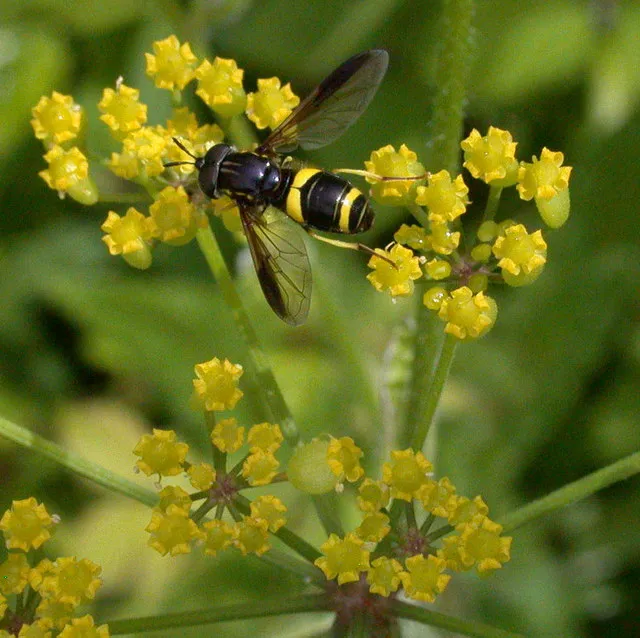
Parsnip, scientifically known as Pastinaca sativa, is a fascinating biennial root vegetable belonging to the Apiaceae family, making it a close relative of carrots, parsley, and celery. Native to the Eurasian continent, this plant has been cultivated for millennia, initially prized for its medicinal attributes before gaining prominence as a versatile food crop. In its first year, Pastinaca sativa develops a robust rosette of compound leaves and a distinctive, long, tapering taproot, typically cream-colored.
This root offers a unique sweet, earthy, and subtly spicy flavor, which intensifies and becomes sweeter after exposure to frost as starches convert into sugars. In its second year, the plant sends up a tall, sturdy stem crowned with characteristic umbels of small, yellow flowers, eventually producing seeds before completing its life cycle. While cultivated parsnips are a nutritious addition to the diet, it is crucial to note that wild parsnip can be a nuisance plant and all parts, particularly the sap, contain furocoumarins.
These compounds can cause phytophotodermatitis, a severe skin reaction upon exposure to sunlight. Proper identification is paramount, as wild parsnip can be mistaken for highly toxic look-alikes such as Conium maculatum (poison hemlock) or Heracleum maximum (cow parsnip), which share similar morphological features within the Apiaceae family.
Trusted Scientific References
1. Authoritative external sources for Pastinaca sativa
1.1 Wikipedia — Pastinaca sativa
1.2 Kew POWO (Plants of the World Online)
1.3 PubMed — peer-reviewed research
1.4 NCBI Taxonomy Browser
1.5 GBIF — Global Biodiversity
1.6Parsnip should be interpreted through verified botanical identity, practical care, and responsible safety language. This recovery note adds the missing context needed for a complete profile: match light to the plant's habit, use well-drained soil, water according to season, and avoid unsupported medicinal or edible claims. For publishing, the plant can be presented as a source-backed garden plant with clear care guidance, common problem diagnosis, and conservative safety wording.
1.1.Parsnip — Standout Qualities
- ✓Biennial growth cycle, — Biennial growth cycle, harvested in the first year for its root.
- ✓Member of the — Member of the Apiaceae family, related to carrots and parsley.
- ✓Distinctive sweet, earthy, — Distinctive sweet, earthy, and slightly spicy flavor, enhanced by frost.
- ✓Excellent source of — Excellent source of dietary fiber, promoting digestive health.
- ✓High in essential — High in essential vitamins, including Vitamin C, Vitamin K, and Folate.
- ✓Contains beneficial polyacetylenes with potential anti — inflammatory properties.
- ✓Presence of furanocoumarins — Presence of furanocoumarins in sap causes photosensitivity (phytophotodermatitis).
- ✓Historically cultivated for — Historically cultivated for both medicinal and culinary purposes.
- ✓Can be confused — Can be confused with poisonous wild plants, necessitating careful identification.
- ✓Adaptable to various — Adaptable to various culinary applications, from roasting to purees.
1.2.Parsnip — In Brief
- ✓Nutritious root vegetable in the Apiaceae family.
- ✓Rich in dietary fiber, vitamins (C, K, Folate), and minerals (Potassium).
- ✓Offers digestive, cardiovascular, and immune system benefits.
- ✓Contains furanocoumarins, posing a risk of phytophotodermatitis from sap.
- ✓Essential to distinguish from toxic wild look-alikes like poison hemlock.
- ✓Versatile culinary ingredient with a sweet, earthy flavor.
2.Parsnip — Scientific Profile
3.Parsnip — Reference Facts
4.Parsnip — Structural Profile
5.Parsnip — Habitat & Distribution
6.Parsnip — Historical Applications
7.Parsnip — Active Compounds
- ✓Furanocoumarins — Key compounds include psoralen, xanthotoxin, and bergapten, which are known for their photosensitizing properties, particularly in the sap of the plant.
- ✓Dietary Fiber — Comprising both soluble and insoluble forms, essential for digestive health, cholesterol management, and blood glucose regulation.
- ✓Vitamins — Rich in Vitamin C (ascorbic acid) for immune support, Vitamin K1 (phylloquinone) for blood clotting and bone health, and Folate (Vitamin B9) crucial for cell division.
- ✓Minerals — Contains significant amounts of Potassium for blood pressure control, Manganese for bone development and metabolism, Magnesium, Phosphorus, and Calcium.
- ✓Polyacetylenes — Bioactive compounds such as falcarinol and falcarindiol, which exhibit antifungal, anti-inflammatory, and potential anticancer activities.
- ✓Flavonoids — Including quercetin and kaempferol derivatives, these are potent antioxidants that help protect against oxidative stress and inflammation.
- ✓Essential Oils — Volatile compounds contributing to the characteristic aroma and flavor, with some exhibiting mild antimicrobial properties.
- ✓Carbohydrates — Primarily starches, which convert into sweeter sugars after exposure to cold temperatures like frost, enhancing the root's palatability.
- ✓Proteins — Contains various essential amino acids necessary for bodily functions and tissue repair, though not a primary protein source.
8.Parsnip — Research Insights
- ✓Digestive Health Support — High levels of dietary fiber, both soluble and insoluble, promote healthy bowel function, prevent constipation, and support a balanced gut microbiome.
- ✓Cardiovascular Well-being — The fiber content helps reduce cholesterol absorption, while potassium aids in regulating blood pressure, contributing to overall heart health.
- ✓Immune System Enhancement — Rich in Vitamin C, parsnips act as a potent antioxidant, bolstering the body's defenses against infections and supporting immune cell function.
- ✓Bone Health Maintenance — Vitamin K is crucial for blood clotting and plays a significant role in bone metabolism, supporting bone density and reducing fracture risk.
- ✓Folic Acid Provision — As a good source of folate (Vitamin B9), parsnips are vital for cell growth, DNA synthesis, and are particularly important during periods of rapid growth like pregnancy.
- ✓Antioxidant Protection — The presence of flavonoids, Vitamin C, and polyacetylenes helps combat oxidative stress by neutralizing free radicals, thereby protecting cells from damage.
- ✓Anti-inflammatory Effects — Specific polyacetylenes like falcarinol and falcarindiol exhibit anti-inflammatory properties that may help mitigate chronic inflammatory conditions.
- ✓Blood Sugar Regulation — Dietary fiber helps slow down the absorption of sugars, contributing to more stable blood glucose levels and potentially aiding in diabetes management.
- ✓Diuretic Properties — Traditionally, parsnips have been recognized for mild diuretic effects, assisting the body in fluid balance and potentially supporting kidney function.
- ✓Skin Health Promotion — Vitamin C is essential for collagen synthesis, which is critical for maintaining skin elasticity and promoting wound healing.
8.1.Parsnip — Therapeutic Indications
9.Parsnip — Adverse Effects
9.1.Parsnip — Caution Notes
- ✓Phytophotodermatitis — Handling the sap of wild parsnip (Pastinaca sativa) can cause severe skin irritation, blistering, and burns upon exposure to sunlight due to furanocoumarins.
- ✓Allergic Reactions — Individuals sensitive to other Apiaceae family members (e.g., celery, carrots, dill) may experience allergic reactions to parsnip, though rare.
- ✓Digestive Discomfort — High fiber content, especially when consumed in large quantities, can lead to gas, bloating, or mild abdominal discomfort in sensitive individuals.
- ✓Drug Interactions — The Vitamin K content may interfere with anticoagulant medications like warfarin, potentially reducing their effectiveness; consult a healthcare provider.
- ✓Misidentification Risk — Wild parsnip can be confused with highly toxic plants such as poison hemlock (Conium maculatum) or giant hogweed, leading to severe poisoning.
- ✓Oral Allergy Syndrome — Some individuals with pollen allergies may experience oral allergy symptoms (itching of mouth/throat) after consuming raw parsnip.
9.2.Parsnip — Clinical Safety Notes
- ✓External Contact Caution — Always wear gloves and protective clothing when handling wild parsnip plants or their sap to prevent phytophotodermatitis and skin burns.
- ✓Proper Identification — Crucial to correctly identify cultivated parsnips and avoid consuming wild look-alikes which may be toxic, such as poison hemlock.
- ✓Pregnancy and Lactation — Generally considered safe as a food item during pregnancy and lactation; however, medicinal doses or extracts should be avoided due to insufficient research.
- ✓Anticoagulant Medication — Individuals on blood-thinning medications should consume parsnips in moderation due to their Vitamin K content, which can affect clotting; consult a physician.
- ✓Allergy Awareness — Those with known allergies to the Apiaceae family should exercise caution or avoid parsnip to prevent potential allergic reactions.
- ✓Children and Pets — Safe as a food for children; however, keep them away from wild parsnip plants due to the risk of skin reactions.
- ✓Cooking Reduces Risk — While cooking does not eliminate all furanocoumarins, it can reduce some volatile compounds; however, sap exposure remains a risk.
10.Parsnip — How to Use
- ✓Culinary Roasting — Roasting parsnips with herbs and olive oil caramelizes their natural sugars, enhancing their sweet and earthy flavor, perfect as a side dish.
- ✓Soups and Stews — Their hearty texture and distinct taste make them an excellent addition to winter soups, stews, and broths, providing depth and nutrition.
- ✓Purees and Mashes — Boiled and mashed parsnips, often blended with potatoes, create a creamy, flavorful puree that can be seasoned with butter and spices.
- ✓Vegetable Juicing — Incorporate raw parsnips into fresh vegetable juice blends for a nutrient boost, combining them with carrots, apples, or ginger.
- ✓Steaming or Boiling — Gently steam or boil sliced parsnips until tender, then serve simply with a pat of butter, salt, and pepper.
- ✓Herbal Decoctions — While less common, the root can be simmered in water to create a mild decoction, traditionally used for its diuretic properties.
- ✓Raw Grating — Young, tender parsnips can be finely grated into salads or slaws for a fresh, crisp texture and subtle sweetness.
- ✓Chips or Fries — Thinly sliced parsnips can be baked or air-fried into healthier chips or fries, offering a unique alternative to potato snacks.
11.Parsnip — Growth Requirements
- ✓Soil Preparation — Parsnips thrive in deep, fertile, well-drained loamy soil with a pH range of 6.0-7.0, ideally free of stones to prevent root forking.
- ✓Seed Sowing — Sow seeds directly outdoors in early spring, about 1/2 inch deep and 2-4 inches apart, in rows spaced 18-24 inches apart.
- ✓Germination — Parsnip seeds are notoriously slow and erratic to germinate; ensuring fresh seeds and consistent soil moisture is crucial.
- ✓Watering — Maintain consistently moist soil throughout the growing season, especially during dry spells, to encourage steady root development.
- ✓Thinning Seedlings — Once seedlings emerge, thin them to a final spacing of 4-6 inches apart to allow sufficient room for root growth.
- ✓Sunlight Requirements — The plants require full sun exposure for optimal growth and root development, though they can tolerate partial shade.
- ✓Harvesting — Roots are typically harvested in late fall or after the first few frosts, as cold temperatures convert starches to sugars, improving flavor and sweetness.
- ✓Pest Management — Parsnips are generally robust but monitor for common garden pests like carrot rust fly and parsnip webworm, using organic controls if necessary.
Reviewed by the Flora Medical Global Botanical Review Panel
Multi-disciplinary editorial group · Botany · Ethnobotany · Herbal-medicine literature
Who reviewed this: This page was checked by the Flora Medical Global Botanical Review Panel — an in-house editorial group of botany graduates, ethnobotany researchers, and horticulture practitioners who collectively maintain our 7,000+ plant encyclopedia. Meet the team.
Our 4-step verification process
1. Taxonomic verification
Scientific names and synonyms cross-checked against Kew POWO, World Flora Online, and The Plant List.
2. Phytochemical & medicinal cross-reference
Active compounds, traditional uses, and reported activities are cross-referenced with PubMed, USDA Dr. Duke's database, and peer-reviewed ethnobotanical literature.
3. Conservation & distribution check
Distribution, ecology, and conservation status confirmed against GBIF occurrence records and the IUCN Red List.
4. Editorial & safety review
Every entry passes an editorial pass for clarity, originality, and safety notices (toxicity, contraindications, dosage caveats) before publication.
Last reviewed:
Important medical disclaimer: This content is for educational and research purposes only. It is not medical advice and is not a substitute for consultation with a licensed healthcare provider. Do not use any herb to self-treat a medical condition without professional guidance.
Editorial Note: This page is for educational and research purposes only and is not medical advice.
Written by: Flora Medical Global Editorial Team
Reviewed by: Flora Medical Global Botanical Review Panel
Last Updated: June 15, 2026





Parsnip — Comments & Community Reviews
Rate this plant