
Medical Disclaimer: This content is for educational purposes only. It is not medical advice. Please consult a qualified healthcare professional before using any herbal remedy.
Safety Overview
1.Passion Fruit Leaf — At a Glance
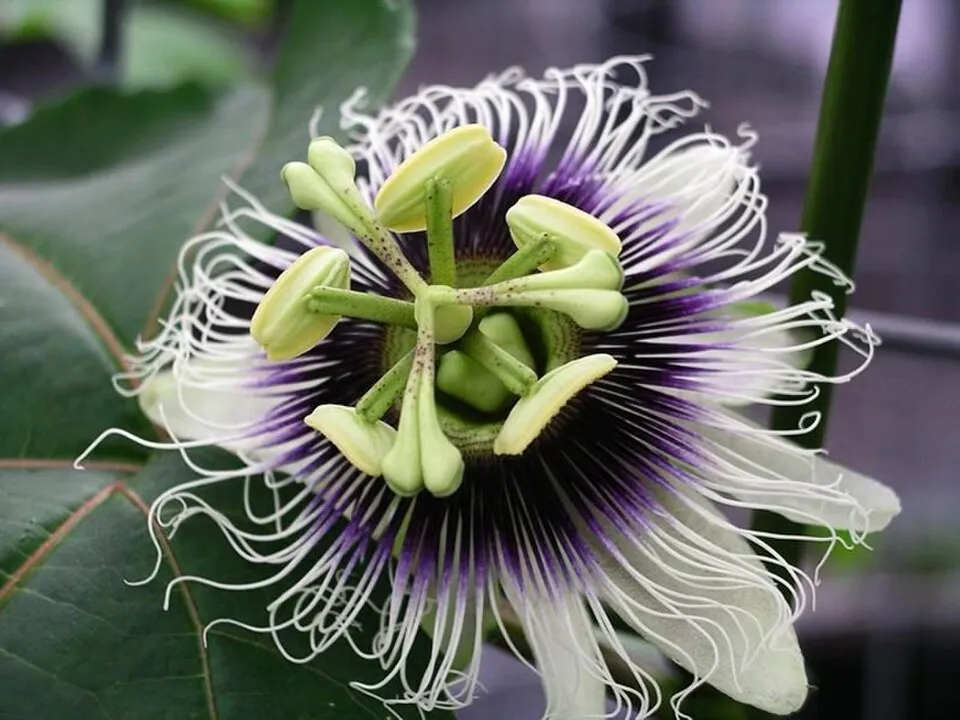
Passiflora edulis, commonly known as Passion Fruit, is a vigorous, woody perennial vine belonging to the Passifloraceae family, a diverse genus encompassing approximately 500 species. Native to tropical and subtropical regions of South America, particularly Brazil, Paraguay, and northern Argentina, it has since been widely cultivated across the globe, including the Caribbean, South Florida, South Africa, and various parts of Asia. The plant is characterized by its deeply lobed, glossy green leaves, which are typically alternate and spirally arranged along the climbing stems.
Its striking, intricate flowers, often white with purple or blue filaments, are hermaphroditic and highly attractive to pollinators, preceding the development of the well-known ovoid fruits. The vine itself is supported by tendrils, allowing it to climb extensively over fences, trellises, or other vegetation. While the fruit is celebrated for its culinary value, the leaves of Passiflora edulis hold significant therapeutic importance, traditionally revered for their rich content of bioactive compounds that underpin their diverse medicinal applications.
The two main cultivated varieties are the purple-fruited Passiflora edulis f. edulis and the yellow-fruited Passiflora edulis f. flavicarpa, both sharing similar leaf characteristics and phytochemical profiles relevant to herbal medicine.
Trusted Scientific References
1. Authoritative external sources for Passiflora edulis
1.1 Wikipedia — Passiflora edulis
1.2 Kew POWO (Plants of the World Online)
1.3 PubMed — peer-reviewed research
1.4 NCBI Taxonomy Browser
1.5 GBIF — Global Biodiversity
1.6Passion Fruit Leaf should be interpreted through verified botanical identity, practical care, and responsible safety language. This recovery note adds the missing context needed for a complete profile: match light to the plant's habit, use well-drained soil, water according to season, and avoid unsupported medicinal or edible claims. For publishing, the plant can be presented as a source-backed medicinal plant with clear care guidance, common problem diagnosis, and conservative safety wording.
1.1.Passion Fruit Leaf — Distinguishing Points
- ✓Traditional Medicinal Heritage — Deeply rooted in South American, Ayurvedic, and TCM practices for centuries.
- ✓Rich Phytochemical Profile — Abundant in anxiolytic alkaloids and potent antioxidant flavonoids.
- ✓Versatile Therapeutic Actions — Offers calming, anti-inflammatory, antioxidant, and hypotensive benefits.
- ✓Natural Anxiolytic — Widely recognized for its ability to reduce anxiety and promote restful sleep.
- ✓Cardiovascular Support — Contributes to blood pressure and lipid regulation.
- ✓Adaptable Growth — A vigorous vine thriving in warm, humid climates.
- ✓Sustainable Harvesting — Leaves can be harvested without impacting fruit production significantly.
- ✓Global Economic Importance — Valued for both its fruit and its medicinal leaf extracts.
- ✓Subject of Ongoing Research — Continues to be studied for new pharmacological applications.
1.2.Passion Fruit Leaf — At-a-Glance Summary
- ✓Passiflora edulis leaf is a revered botanical in traditional medicine for its calming properties.
- ✓Rich in flavonoids, alkaloids, and triterpenoids, it offers anxiolytic, anti-inflammatory, and antioxidant benefits.
- ✓Traditionally used for anxiety, insomnia, hypertension, and digestive support.
- ✓Generally safe, but caution is advised for pregnant individuals, children, and those on specific medications.
- ✓Modern research validates many of its traditional uses, emphasizing its potential in natural health.
- ✓Cultivated globally in tropical and subtropical regions for both fruit and medicinal leaves.
2.Passion Fruit Leaf — Nomenclature & Classification
3.Passion Fruit Leaf — Vital Statistics
4.Passion Fruit Leaf — Botanical Features
5.Passion Fruit Leaf — Native Range & Habitat
6.Passion Fruit Leaf — Folk Medicine Applications
7.Passion Fruit Leaf — Phytochemistry
- ✓Flavonoids — Key compounds such as vitexin, isovitexin, orientin, isoorientin, and their glycosides are abundant, primarily contributing to the plant's antioxidant, anxiolytic, and anti-inflammatory effects.
- ✓Alkaloids — Harmala alkaloids, including harman, harmine, harmalol, and harmaline, are present in the leaves, known for their sedative, anxiolytic, and mild MAO-inhibiting properties.
- ✓Triterpenoids — Saponins and other triterpenes are found, contributing to anti-inflammatory, hypolipidemic, and potentially anticarcinogenic activities.
- ✓Phenolic Acids — Caffeic acid, ferulic acid, and p-coumaric acid derivatives are present, bolstering the leaf's antioxidant and anti-inflammatory profile.
- ✓Glycosides — Various glycosidic compounds, including cyanogenic glycosides (e.g., gynocardin), are present, which require careful processing due to potential toxicity in high doses.
- ✓Carotenoids — Though less prominent in leaves than fruit, trace amounts may contribute to antioxidant activity.
- ✓Amino Acids — Contains various amino acids, contributing to the overall nutritional and metabolic profile.
- ✓Volatile Compounds — A range of volatile organic compounds contributes to the characteristic aroma and may possess minor therapeutic effects.
8.Passion Fruit Leaf — Pharmacological Findings
- ✓Anxiolytic and Sedative Effects — Passion Fruit Leaf contains alkaloids and flavonoids that interact with neurotransmitter systems, promoting relaxation and reducing symptoms of anxiety, making it a natural aid for sleep and stress.
- ✓Anti-inflammatory Properties — The presence of various phenolic compounds and triterpenoids helps to modulate inflammatory pathways, offering relief from inflammation-related discomfort and supporting overall cellular health.
- ✓Antioxidant Support — Rich in flavonoids and other polyphenols, Passiflora edulis leaf effectively neutralizes harmful free radicals, protecting cells from oxidative damage and contributing to anti-aging processes.
- ✓Blood Pressure Regulation — Certain compounds within the leaf have demonstrated hypotensive effects, potentially aiding in the management of mild hypertension by promoting vasodilation.
- ✓Hypoglycemic Action — Traditional uses and preliminary research suggest the leaf may help in lowering blood glucose levels, making it a valuable adjunct for managing blood sugar.
- ✓Lipid-Lowering Effects — Studies indicate that components of Passion Fruit Leaf can contribute to reducing elevated cholesterol and triglyceride levels, supporting cardiovascular health.
- ✓Digestive Health — Traditionally used to soothe gastrointestinal discomfort, the leaf may help alleviate spasms and support a healthy digestive tract through its calming and anti-inflammatory actions.
- ✓Immunomodulatory Activity — Bioactive constituents are believed to support and balance the immune system, enhancing the body's natural defense mechanisms against pathogens.
- ✓Antimicrobial Properties — Extracts from Passiflora edulis leaf have shown inhibitory effects against various microorganisms, contributing to its traditional use in combating infections.
- ✓Pain Relief (Analgesic) — Due to its anti-inflammatory and calming properties, the leaf may help in alleviating mild to moderate pain, particularly that associated with tension or inflammation.
8.1.Passion Fruit Leaf — Health Applications
9.Passion Fruit Leaf — Safety & Side Effects
9.1.Passion Fruit Leaf — Caution Notes
- ✓Drowsiness and Sedation — Due to its anxiolytic properties, excessive consumption may lead to drowsiness, impacting alertness and coordination.
- ✓Dizziness — Some individuals may experience dizziness, particularly when starting use or at higher doses.
- ✓Gastrointestinal Upset — Mild stomach upset, nausea, or diarrhea can occur in sensitive individuals.
- ✓Allergic Reactions — Rare instances of allergic reactions, such as skin rashes or itching, have been reported.
- ✓Interaction with Sedatives — Can potentiate the effects of other sedatives, anxiolytics, or alcohol, leading to increased drowsiness.
- ✓Hypotension — May cause a drop in blood pressure, especially in individuals already on antihypertensive medication.
- ✓Cyanogenic Glycoside Risk — Improper preparation or very large doses of fresh leaves could theoretically lead to cyanide toxicity, though this risk is generally low with typical medicinal use.
9.2.Passion Fruit Leaf — Safety Profile
- ✓General Safety — Passiflora edulis leaf is generally considered safe for most healthy adults when consumed in recommended therapeutic doses.
- ✓Pregnancy and Lactation — Contraindicated during pregnancy and lactation due to insufficient safety data and potential uterine stimulant effects of certain alkaloids.
- ✓Children — Use in children is not recommended without professional medical guidance due to limited research on pediatric safety.
- ✓Surgery — Discontinue use at least two weeks prior to any scheduled surgery due to potential sedative effects and possible interactions with anesthesia or blood thinners.
- ✓Drug Interactions — Exercise caution when combining with central nervous system depressants, antidepressants, anticoagulants, or blood pressure medications.
- ✓Dosage Adherence — Always adhere to recommended dosages from qualified herbalists or product labels to minimize potential adverse effects.
- ✓Allergic Sensitivity — Individuals with known allergies to plants in the Passifloraceae family should avoid use.
10.Passion Fruit Leaf — Preparations & Uses
- ✓Herbal Tea/Infusion — Dried or fresh Passion Fruit Leaves can be steeped in hot water to create a calming tea, often used for anxiety, insomnia, or general relaxation.
- ✓Tincture — A concentrated liquid extract made by soaking dried leaves in alcohol, offering a convenient and potent form for medicinal use.
- ✓Capsules/Tablets — Standardized extracts of Passion Fruit Leaf are available in capsule or tablet form for precise dosing and ease of consumption.
- ✓Topical Poultice — Crushed fresh leaves can be applied externally as a poultice to soothe minor skin irritations or localized inflammation.
- ✓Culinary Uses (Limited) — While less common, young, tender leaves can sometimes be incorporated into salads or cooked as a green in certain traditional cuisines after proper preparation to mitigate potential cyanogenic glycosides.
- ✓Syrups/Elixirs — Extracts can be incorporated into sweet syrups or elixirs, often combined with other calming herbs, for palatability, especially for sleep aids.
- ✓Bath Infusions — A strong infusion of the leaves can be added to bathwater for a relaxing and aromatic experience, aiding in stress reduction and muscle relaxation.
11.Passion Fruit Leaf — Garden Cultivation
- ✓Climate — Thrives in tropical and subtropical climates with consistent warmth and high humidity, intolerant of frost.
- ✓Soil Requirements — Prefers well-drained, fertile loamy soil with a slightly acidic to neutral pH (6.0-7.0).
- ✓Sunlight Exposure — Requires full sun exposure for optimal growth and fruit production, ideally 6-8 hours of direct sunlight daily.
- ✓Watering — Needs regular and ample watering, especially during dry periods and fruit development, but avoid waterlogging.
- ✓Support Structure — As a vigorous climbing vine, it necessitates a strong trellis, arbor, or fence for support to prevent sprawling and encourage air circulation.
- ✓Propagation — Can be propagated effectively from seeds, which should be fresh, or more commonly from cuttings for faster establishment and genetic consistency.
- ✓Pruning — Regular pruning is essential to manage growth, encourage branching, remove dead or diseased wood, and improve air circulation, typically done after fruiting.
- ✓Fertilization — Benefits from balanced fertilization, particularly during active growth and flowering, with organic compost or a slow-release granular fertilizer.
Reviewed by the Flora Medical Global Botanical Review Panel
Multi-disciplinary editorial group · Botany · Ethnobotany · Herbal-medicine literature
Who reviewed this: This page was checked by the Flora Medical Global Botanical Review Panel — an in-house editorial group of botany graduates, ethnobotany researchers, and horticulture practitioners who collectively maintain our 7,000+ plant encyclopedia. Meet the team.
Our 4-step verification process
1. Taxonomic verification
Scientific names and synonyms cross-checked against Kew POWO, World Flora Online, and The Plant List.
2. Phytochemical & medicinal cross-reference
Active compounds, traditional uses, and reported activities are cross-referenced with PubMed, USDA Dr. Duke's database, and peer-reviewed ethnobotanical literature.
3. Conservation & distribution check
Distribution, ecology, and conservation status confirmed against GBIF occurrence records and the IUCN Red List.
4. Editorial & safety review
Every entry passes an editorial pass for clarity, originality, and safety notices (toxicity, contraindications, dosage caveats) before publication.
Last reviewed:
Important medical disclaimer: This content is for educational and research purposes only. It is not medical advice and is not a substitute for consultation with a licensed healthcare provider. Do not use any herb to self-treat a medical condition without professional guidance.
Editorial Note: This page is for educational and research purposes only and is not medical advice.
Written by: Flora Medical Global Editorial Team
Reviewed by: Flora Medical Global Botanical Review Panel
Last Updated: June 15, 2026





Passion Fruit Leaf — Comments & Community Reviews
Rate this plant