


Medical Disclaimer: This content is for educational purposes only. It is not medical advice. Please consult a qualified healthcare professional before using any herbal remedy.
Safety Overview
1.Pea Garden — Plant Snapshot
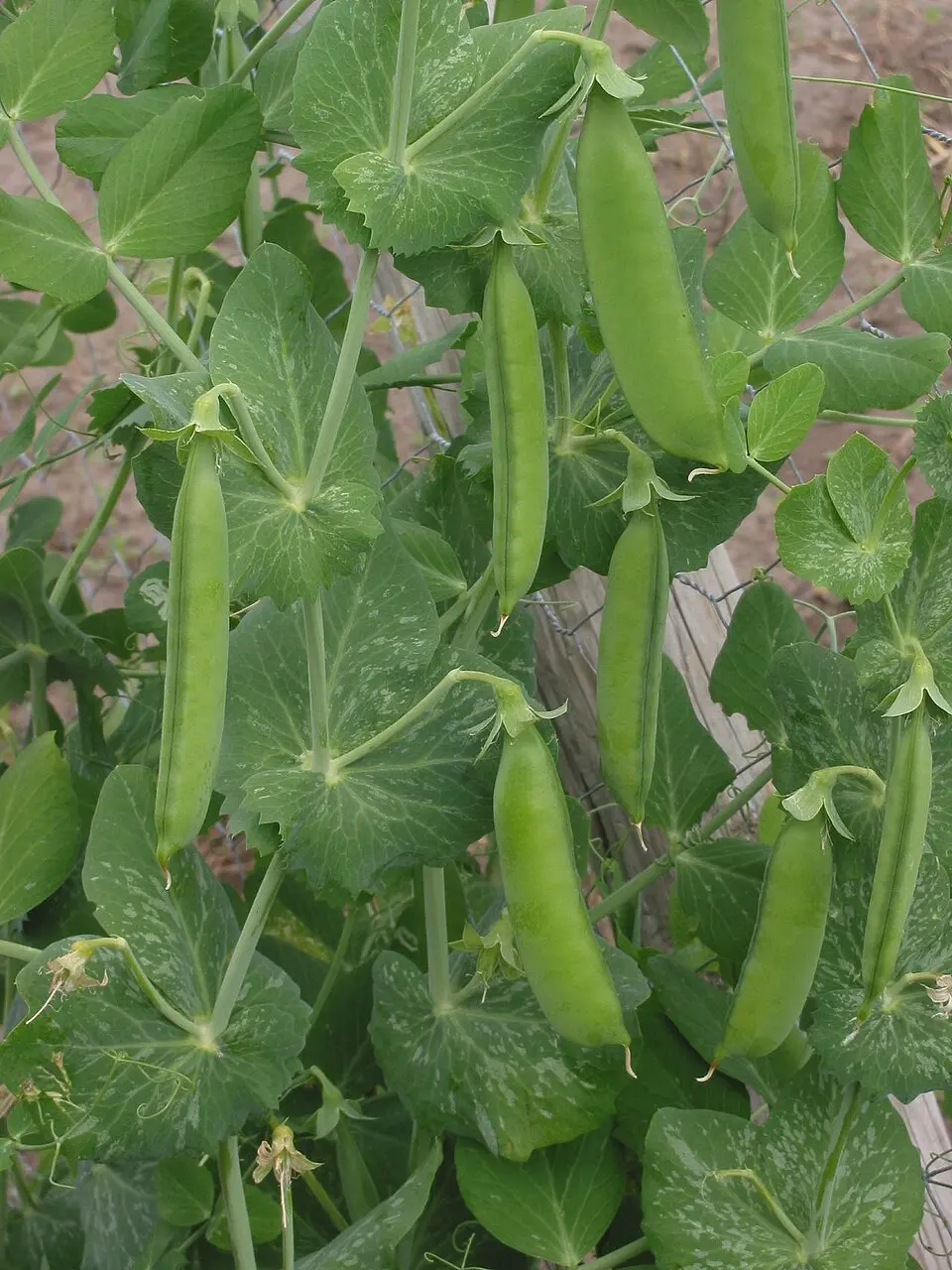
Pisum sativum, commonly known as the garden pea, is an annual herbaceous climbing or bush-like plant belonging to the expansive legume family, Fabaceae. This ancient crop has been cultivated for over 8,500 years, tracing its centers of origin to Ethiopia, the Mediterranean, and Central Asia.
Depending on the cultivar, the plant typically grows from 0.3 to 2.7 meters (1 to 9 feet) tall, featuring hollow stems and either vining tendrils for support or a more compact, self-supporting habit in dwarf varieties. Its distinctive leaves are alternate, pinnately compound, often with two large leaflike stipules, one to several pairs of oval leaflets, and terminal tendrils; some modern cultivars exhibit an 'afila' leaf type where leaflets are converted into additional tendrils.
The flowers are zygomorphic and papilionaceous, typically appearing in racemes from leaf axils, displaying white, purple, or pink hues. These bisexual flowers are primarily self-pollinating and develop into characteristic closed pods, usually 2.5 to 10 cm (1 to 4 inches) long, containing ovate to spheroidal seeds—the edible peas. Ripe seeds can vary in color from green, yellow, and beige to dark violet.
The plant establishes a taproot system with numerous lateral branches, forming symbiotic relationships with nitrogen-fixing bacteria (Rhizobium leguminosarum) in root nodules, which significantly enriches soil fertility. Pisum sativum is widely distributed and cultivated in temperate regions globally, thriving in cool seasons and well-drained, fertile soils with a pH range of 5.5 to 7.0.
Trusted Scientific References
1. Authoritative external sources for Pisum sativum
1.1 Wikipedia — Pisum sativum
1.2 Kew POWO (Plants of the World Online)
1.3 PubMed — peer-reviewed research
1.4 NCBI Taxonomy Browser
1.5 GBIF — Global Biodiversity
1.6Pea Garden should be interpreted through verified botanical identity, practical care, and responsible safety language. This recovery note adds the missing context needed for a complete profile: match light to the plant's habit, use well-drained soil, water according to season, and avoid unsupported medicinal or edible claims. For publishing, the plant can be presented as a source-backed garden plant with clear care guidance, common problem diagnosis, and conservative safety wording.
1.1.Pea Garden — Key Features
- ✓Annual Herbaceous Plant — Completes its life cycle within one growing season.
- ✓Nitrogen — Fixing Legume — Forms symbiotic relationships with Rhizobium bacteria, enriching soil fertility.
- ✓Edible Seeds & Pods — Cultivated globally for its nutritious, versatile peas and edible pods.
- ✓High Protein Content — A significant source of plant-based protein, crucial for vegetarian and vegan diets.
- ✓Rich in Dietary Fiber — Promotes digestive health, satiety, and blood sugar regulation.
- ✓Abundant in Vitamins & Minerals — Provides essential micronutrients like Vitamin C, K, B vitamins, iron, and magnesium.
- ✓Antioxidant Properties — Contains various phytonutrients that offer protection against oxidative damage.
- ✓Cool — Season Crop — Thrives in cooler climates and is sensitive to high temperatures.
- ✓Diverse Cultivars — Includes garden peas, snow peas, snap peas, and field peas, each with distinct uses.
- ✓Ancient Cultivation History — One of the oldest cultivated crops, with evidence dating back over 8,500 years.
1.2.Pea Garden — In Brief
- ✓Nutrient Powerhouse — Pisum sativum, the garden pea, is a highly nutritious legume rich in protein, fiber, vitamins, and minerals.
- ✓Digestive & Heart Health — Its high fiber content supports gut health and aids in reducing cholesterol and managing blood sugar.
- ✓Antioxidant-Rich — Packed with antioxidants like Vitamin C and coumestrol, it helps combat oxidative stress.
- ✓Versatile Culinary Use — Enjoyed fresh, dried, or sprouted, it's a staple in diverse cuisines worldwide.
- ✓Agricultural Importance — Valued for its edible seeds, forage, and soil-enriching nitrogen-fixing properties.
2.Pea Garden — Systematic Position
3.Pea Garden — Reference Facts
4.Pea Garden — Structural Profile
5.Pea Garden — Habitat & Distribution
6.Pea Garden — Historical Applications
7.Pea Garden — Bioactive Constituents
- ✓Macronutrients — Rich in plant-based protein (15-35% of dry weight), containing essential amino acids like lysine and tryptophan, and complex carbohydrates including starch and dietary fiber (soluble and insoluble).
- ✓Vitamins — Abundant in Vitamin C (ascorbic acid), Vitamin K (phylloquinone), and several B vitamins, notably Thiamine (B1), Folate (B9), Niacin (B3), and Pyridoxine (B6), along with beta-carotene (a precursor to Vitamin A).
- ✓Minerals — Contains significant levels of iron, magnesium, potassium, zinc, phosphorus, and manganese, all vital for various bodily functions.
- ✓Polyphenols — Features coumestrol, a coumestan with phytoestrogenic and antioxidant activity, along with other phenolic acids and flavonoids like catechins and epicatechins.
- ✓Saponins — These triterpenoid glycosides are present in peas and are known for their potential cholesterol-lowering properties.
- ✓Phytosterols — Plant sterols found in peas contribute to cardiovascular health by helping to reduce the absorption of dietary cholesterol.
- ✓Lectins — While present, proper cooking significantly reduces their activity, which can otherwise interfere with nutrient absorption.
- ✓Oxalates — Contains moderate levels of oxalic acid, which can bind with minerals and, in susceptible individuals, contribute to kidney stone formation.
- ✓Purines — Present in moderate amounts, particularly in dried peas, which can metabolize into uric acid.
8.Pea Garden — Research Insights
- ✓Digestive Health — The high content of dietary fiber, both soluble and insoluble, promotes regular bowel movements, prevents constipation, and supports a healthy gut microbiome.
- ✓Blood Sugar Regulation — With a low glycemic index and a combination of fiber and protein, garden peas help stabilize blood glucose levels, making them beneficial for managing type 2 diabetes.
- ✓Cardiovascular Support — Fiber, potassium, and magnesium contribute to heart health by helping to lower cholesterol, reduce blood pressure, and improve overall cardiovascular function.
- ✓Weight Management — The significant protein and fiber content in Pisum sativum promotes satiety, reducing overall calorie intake and aiding in healthy weight maintenance.
- ✓Antioxidant Protection — Rich in vitamins C and K, as well as various polyphenols like coumestrol, garden peas combat oxidative stress and protect cells from damage by free radicals.
- ✓Anti-Inflammatory Properties — Compounds such as coumestrol and other phytonutrients exhibit anti-inflammatory effects, potentially reducing the risk of chronic inflammatory conditions.
- ✓Bone Health — Vitamin K is crucial for bone mineralization and density, while manganese supports bone formation, contributing to stronger bones and potentially reducing fracture risk.
- ✓Immune System Enhancement — Vitamin C and zinc are vital for immune function, helping the body defend against infections and promoting overall immune resilience.
- ✓Plant-Based Protein Source — Offering 15-35% protein, including essential amino acids like lysine and tryptophan, Pisum sativum is an excellent protein source for vegetarian and vegan diets.
- ✓Anemia Prevention — Garden peas provide a good source of non-heme iron, which is essential for red blood cell formation and preventing iron-deficiency anemia.
8.1.Pea Garden — Indications & Uses
9.Pea Garden — Adverse Effects
9.1.Pea Garden — Side Effects & Warnings
- ✓Digestive Discomfort — High fiber content can lead to gas, bloating, and abdominal discomfort, especially in individuals unaccustomed to high fiber diets.
- ✓Allergic Reactions — Although rare, individuals can develop allergies to peas, a member of the legume family, presenting symptoms like hives, swelling, or digestive issues.
- ✓Antinutrient Effects — Contains phytates and lectins; phytates can inhibit mineral absorption, and lectins, if not properly cooked, can cause digestive upset.
- ✓Gout Exacerbation — Moderate purine content, particularly in dried peas, may contribute to elevated uric acid levels and potentially trigger gout attacks in susceptible individuals.
- ✓Kidney Stone Risk — The presence of oxalates can, in predisposed individuals, contribute to the formation of calcium oxalate kidney stones.
- ✓Vitamin K Interaction — High vitamin K content in peas may interfere with anticoagulant medications (blood thinners), potentially reducing their effectiveness.
9.2.Pea Garden — Toxicity Assessment
- ✓Generally Recognized As Safe (GRAS) — Pisum sativum is widely consumed as a food and is considered safe for most individuals when consumed in typical dietary amounts.
- ✓Proper Cooking — Always cook peas thoroughly to reduce antinutrients like lectins and improve digestibility.
- ✓Moderation Advised — Individuals sensitive to high fiber intake should introduce peas gradually to avoid digestive discomfort.
- ✓Allergy Precaution — Those with known legume allergies should exercise caution or avoid peas entirely.
- ✓Gout & Kidney Stone Conditions — Individuals prone to gout or kidney stones should consume peas in moderation and consult a healthcare professional due to purine and oxalate content.
- ✓Anticoagulant Medication Use — Patients on blood thinners should maintain a consistent intake of vitamin K-rich foods like peas and consult their doctor for monitoring.
- ✓Pregnancy & Lactation — Considered safe in food amounts during pregnancy and lactation, offering valuable nutrition without known adverse effects.
10.Pea Garden — How to Use
- ✓Culinary Fresh — Young, tender garden peas are commonly eaten fresh, steamed, boiled, or sautéed as a vegetable side dish or added to salads.
- ✓Dried Peas — Field peas are harvested dry and can be used whole or split to make hearty soups, stews, or purees, often requiring soaking before cooking.
- ✓Pea Flour — Dried peas can be ground into flour, used as a protein-rich additive in baking, or as a thickening agent in various culinary preparations.
- ✓Sprouted Peas — Young pea sprouts can be grown from dried seeds and added to salads, sandwiches, or stir-fries for a fresh, nutrient-dense boost.
- ✓Animal Forage & Feed — Peas, especially field pea varieties, are grown as a forage crop for silage and green fodder, or as a protein fortifier in livestock feed.
- ✓Green Manure & Cover Crop — The plant is widely utilized in agriculture to improve soil health, fix atmospheric nitrogen, enhance soil microbe diversity, and provide biomass.
- ✓Herbal Infusions (Limited) — While not a primary herbal remedy, some traditional practices may use pea leaves or young shoots in mild infusions for general wellness, though culinary use predominates.
- ✓Frozen & Canned — Fresh peas are frequently processed by freezing or canning to preserve their nutritional value and extend shelf life for year-round consumption.
11.Pea Garden — Propagation & Care
- ✓Cool-Season Annual — Pisum sativum thrives in cooler temperatures, typically planted in early spring or fall, and is sensitive to high heat during flowering.
- ✓Soil Requirements — Prefers fertile, light-textured, well-drained soils with an optimal pH range of 5.5 to 7.0, and is sensitive to salinity and extreme acidity.
- ✓Planting — Seeds are typically sown 1.5 to 3 inches deep in rows spaced 6 to 12 inches apart, emerging in 10-14 days.
- ✓Inoculation — In fields where peas haven't been grown, seeds should be inoculated with Rhizobium leguminosarum to ensure effective nitrogen fixation.
- ✓Water & Light — Requires 16-39 inches of annual precipitation and performs best in full sun exposure with moderate water.
- ✓Nutrient Management — Benefits from moderate fertility; soil testing is recommended to guide application of nitrogen, phosphorus, and potassium, avoiding excess nitrogen which can hinder pod development.
- ✓Weed Control — Peas are poor competitors against weeds, necessitating strategies like rapid emergence, adequate crop density, pre- and post-plant tillage, and appropriate herbicides.
- ✓Harvesting — Garden peas are harvested when seeds are immature and tender for fresh consumption, while field peas are allowed to mature and dry for storage and processing.
Reviewed by the Flora Medical Global Botanical Review Panel
Multi-disciplinary editorial group · Botany · Ethnobotany · Herbal-medicine literature
Who reviewed this: This page was checked by the Flora Medical Global Botanical Review Panel — an in-house editorial group of botany graduates, ethnobotany researchers, and horticulture practitioners who collectively maintain our 7,000+ plant encyclopedia. Meet the team.
Our 4-step verification process
1. Taxonomic verification
Scientific names and synonyms cross-checked against Kew POWO, World Flora Online, and The Plant List.
2. Phytochemical & medicinal cross-reference
Active compounds, traditional uses, and reported activities are cross-referenced with PubMed, USDA Dr. Duke's database, and peer-reviewed ethnobotanical literature.
3. Conservation & distribution check
Distribution, ecology, and conservation status confirmed against GBIF occurrence records and the IUCN Red List.
4. Editorial & safety review
Every entry passes an editorial pass for clarity, originality, and safety notices (toxicity, contraindications, dosage caveats) before publication.
Last reviewed:
Important medical disclaimer: This content is for educational and research purposes only. It is not medical advice and is not a substitute for consultation with a licensed healthcare provider. Do not use any herb to self-treat a medical condition without professional guidance.
Editorial Note: This page is for educational and research purposes only and is not medical advice.
Written by: Flora Medical Global Editorial Team
Reviewed by: Flora Medical Global Botanical Review Panel
Last Updated: June 15, 2026





Pea Garden — Comments & Community Reviews
Rate this plant