
Medical Disclaimer: This content is for educational purposes only. It is not medical advice. Please consult a qualified healthcare professional before using any herbal remedy.
Safety Overview
1.Pelargonium Citrosum — Essential Profile
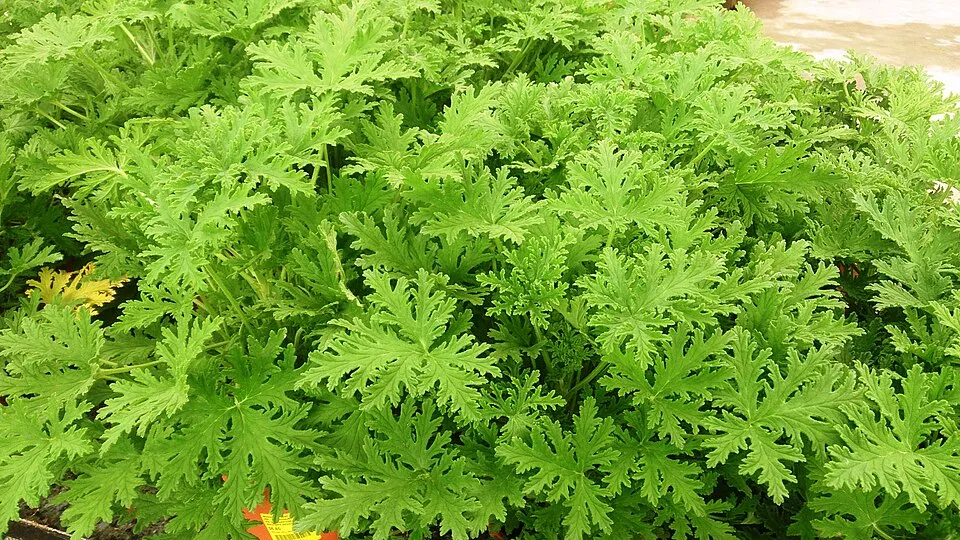
Pelargonium citrosum, commonly known as the Citronella Plant or Mosquito Geranium, is a captivating evergreen perennial within the expansive Geraniaceae family. This ornamental and functionally aromatic herb typically reaches a height of 30 to 90 cm (1 to 3 feet) in cultivated environments, though it can achieve larger dimensions in its native Southern African habitats. Its most distinctive feature lies in its deeply lobed, palmate leaves, which can extend up to 15 cm (6 inches) in length. These vibrant, dark green leaves often present a glossy upper surface and are characterized by their serrated margins and prominent venation. When brushed or disturbed, the foliage emits a pronounced, refreshing lemony aroma, a characteristic that gives rise to its common names and underpins its widespread use as a purported natural insect deterrent.
The plant's stems begin as herbaceous structures, gradually becoming more fleshy and semi-woody towards the base, contributing to its robust, bushy growth habit. While primarily valued for its fragrant foliage, Pelargonium citrosum can produce delicate clusters of small, five-petaled flowers. These blooms range in color from pale pink to soft purple, frequently displaying darker venation on the upper petals, a typical trait within the Pelargonium genus. However, in indoor settings, flowering is less frequent, as the plant prioritizes energy allocation to leaf production. Its fibrous root system is relatively shallow, well-adapted to thrive in well-drained soil conditions.
Originating from the warmer, temperate regions of Southern Africa, particularly parts of the Cape Provinces, Pelargonium citrosum flourishes in sandy, loamy soils and prefers bright, indirect sunlight. Its natural distribution spans areas with distinct wet and dry seasons, where it can be found growing on slopes and in open woodlands. Taxonomically, it shares close relationships with numerous other scented geraniums within the Pelargonium genus, all celebrated for their diverse aromatic profiles and horticultural appeal.
Trusted Scientific References
1. Authoritative external sources for Pelargonium citrosum
1.1 Wikipedia — Pelargonium citrosum
1.2 Kew POWO (Plants of the World Online)
1.3 PubMed — peer-reviewed research
1.4 NCBI Taxonomy Browser
1.5 GBIF — Global Biodiversity
1.1.Pelargonium Citrosum — Distinguishing Points
- ✓Distinctive Lemony Aroma — Distinctive Lemony Aroma
- ✓Deeply Lobed Palmate — Deeply Lobed Palmate Leaves
- ✓Reputed Insect Deterrent — Reputed Insect Deterrent
- ✓Evergreen Perennial Growth — Evergreen Perennial Growth Habit
- ✓Native to Southern — Native to Southern Africa
- ✓Delicate Pink to — Delicate Pink to Purple Flowers (Seasonal)
- ✓Adaptable to Container — Adaptable to Container Cultivation
- ✓Relatively Low Maintenance — Relatively Low Maintenance in Suitable Climates
- ✓Member of the — Member of the Geraniaceae Family
- ✓Fibrous, Shallow Root — Fibrous, Shallow Root System
1.2.Pelargonium Citrosum — Snapshot Summary
- ✓Pelargonium citrosum, known as Citronella Plant or Mosquito Geranium, is an aromatic perennial.
- ✓Its deeply lobed leaves release a strong lemony scent when disturbed.
- ✓Widely reputed as a natural insect deterrent, though the whole plant's direct efficacy is debated compared to concentrated oil.
- ✓Native to Southern Africa, it thrives in warm climates and well-drained soil.
- ✓Easy to cultivate for its fragrance and ornamental value.
- ✓Important safety note — The plant is toxic if ingested and can cause skin irritation upon direct contact.
2.Pelargonium Citrosum — Scientific Identity
3.Pelargonium Citrosum — Vital Statistics
4.Pelargonium Citrosum — Physical Description
5.Pelargonium Citrosum — Ecological Habitat
6.Pelargonium Citrosum — Folk Medicine Applications
7.Pelargonium Citrosum — Phytochemistry
- ✓Monoterpenoids — Key compounds include citronellol, geraniol, and citronellal, which are primarily responsible for the characteristic lemony aroma and contribute to the plant's insect-deterrent properties.
- ✓Sesquiterpenoids — Other volatile compounds in this class contribute to the complex fragrance profile and may possess additional biological activities.
- ✓Flavonoids — These polyphenolic compounds are known for their antioxidant and anti-inflammatory properties, contributing to the plant's broader phytochemical profile.
- ✓Phenolic Acids — Including compounds like gallic acid and caffeic acid derivatives, which are potent antioxidants and play a role in plant defense mechanisms.
- ✓Tannins — Present in the foliage, tannins contribute to astringent properties and may offer some antimicrobial and anti-inflammatory effects.
- ✓Coumarins — A class of secondary metabolites that can have various biological activities, including anticoagulant and anti-inflammatory effects.
- ✓Fatty Acids — Found in the plant's lipid components, contributing to cell structure and energy storage.
- ✓Steroids — Plant sterols are present, playing structural roles in cell membranes and potentially contributing to minor biological activities.
8.Pelargonium Citrosum — Evidence-Based Benefits
- ✓Insect Repellent — While the whole plant's efficacy in deterring mosquitoes is debated, its concentrated essential oil contains compounds known for insect-repelling properties, potentially reducing bites for a limited duration.
- ✓Aromatic Mood Enhancement — The distinctive lemony scent released from the foliage is widely used in aromatherapy to create a pleasant atmosphere, which can contribute to stress reduction and mood upliftment.
- ✓Atmospheric Purification — As an aromatic plant, Pelargonium citrosum can help mask or neutralize unpleasant odors in its immediate environment, contributing to a fresher indoor or outdoor ambiance.
- ✓Skin Soothing (External) — Some Pelargonium species are traditionally used topically for minor skin irritations; however, P. citrosum requires caution due to potential skin sensitivity and should only be applied externally in highly diluted forms.
- ✓Antioxidant Potential (Topical) — The genus Pelargonium contains phenolic compounds that exhibit antioxidant activity, which could theoretically offer skin protection when applied topically, although specific research for P. citrosum is limited.
- ✓Antimicrobial Properties (Topical) — Extracts from various Pelargonium species have shown mild antimicrobial effects, suggesting a potential for external use against certain skin microbes, but this requires further targeted research for P. citrosum.
- ✓Anti-inflammatory Support (Topical) — Certain constituents found in Pelargonium species are known for their anti-inflammatory actions, which might offer localized relief when applied externally, again, with careful consideration for P. citrosum's specific profile.
- ✓Horticultural Therapy — The act of cultivating and interacting with aromatic plants like Pelargonium citrosum can provide therapeutic benefits, promoting relaxation and well-being through gardening and sensory engagement.
8.1.Pelargonium Citrosum — Health Applications
9.Pelargonium Citrosum — Safety Considerations
9.1.Pelargonium Citrosum — Possible Adverse Reactions
- ✓Skin Irritation — Direct contact with crushed leaves or undiluted essential oil can cause dermal irritation, redness, or a burning sensation in sensitive individuals.
- ✓Allergic Reactions — Some individuals may experience contact dermatitis or other allergic responses upon exposure to the plant's volatile compounds.
- ✓Gastrointestinal Upset — Ingestion of any part of Pelargonium citrosum is toxic to humans and pets, potentially leading to nausea, vomiting, diarrhea, and other gastrointestinal distress.
- ✓Phototoxicity — While less common, certain plant compounds, particularly in citrus-scented oils, can increase skin sensitivity to sunlight, leading to sunburn or rashes.
- ✓Respiratory Sensitivity — Inhalation of highly concentrated diffused essential oils may cause respiratory irritation, especially in individuals with asthma or other breathing conditions.
- ✓Ocular Irritation — Accidental contact with the eyes can cause severe irritation, redness, and discomfort.
9.2.Pelargonium Citrosum — Risk Assessment
- ✓Avoid Ingestion — Pelargonium citrosum is toxic to humans and pets; absolutely no part of the plant should be consumed internally.
- ✓Patch Test Recommended — Before topical application of any plant material or derived oil, perform a small patch test on a discreet area of skin to check for adverse reactions.
- ✓Keep Out of Reach — Ensure plants are inaccessible to children and pets to prevent accidental ingestion or skin contact.
- ✓Consult Healthcare Professional — Pregnant or nursing individuals, or those with underlying health conditions, should consult a doctor before using Pelargonium citrosum topically or aromatically.
- ✓Proper Identification — Always ensure correct plant identification to avoid confusion with other, potentially more toxic, species.
- ✓Pesticide-Free Use — Never use plant material that has been treated with chemical pesticides or insecticides for any application.
- ✓Dilution for Topical Use — If using extracted essential oil, always dilute it significantly with a carrier oil before applying to the skin to minimize irritation risk.
10.Pelargonium Citrosum — Preparations & Uses
- ✓Aromatic Display — Grow Pelargonium citrosum in containers near patios, doors, or windows where its leaves can be brushed to release its pleasant, lemony fragrance.
- ✓Natural Ambiance — Incorporate the plant into garden beds or hanging baskets to enhance the outdoor environment with its distinctive scent, contributing to a relaxing atmosphere.
- ✓Potpourri and Sachets — Dried leaves can be added to potpourri mixes or placed in sachets to impart a natural, refreshing citrus aroma to indoor spaces.
- ✓Topical Rub (with caution) — Gently crush a few leaves and apply the diluted essence to exposed skin as a temporary, localized insect deterrent, but always perform a patch test first due to potential skin irritation.
- ✓Essential Oil Diffusion — If pure Pelargonium citrosum essential oil is professionally extracted, it can be diffused indoors to spread its aroma and potentially deter airborne insects.
- ✓Companion Planting — Utilize the plant's strong scent in garden beds as a companion plant, which some gardeners believe can help deter pests from nearby susceptible vegetables or ornamentals.
- ✓Decorative Element — Employ Pelargonium citrosum as an attractive ornamental plant in landscapes or containers, adding vibrant green foliage and delicate blooms to garden designs.
11.Pelargonium Citrosum — Garden Cultivation
- ✓Planting Time — Plant outdoors in spring after all danger of frost has passed, ideally when temperatures consistently remain above 50°F (10°C).
- ✓Light Requirements — Prefers six to eight hours of sunlight daily, ideally cool morning sun with some afternoon shade to prevent scorching.
- ✓Soil and Drainage — Thrives in a variety of well-drained soils, including chalky, loamy, or sandy types, ideally enriched with organic matter for optimal growth.
- ✓Watering Schedule — Water when the top inch (2.5 cm) of soil feels dry to the touch; avoid overwatering and ensure pots have adequate drainage holes.
- ✓Temperature and Humidity — Best suited for temperatures between 50-80°F (10-27°C) and average to high humidity; it is not frost-tolerant and must be brought indoors in colder climates.
- ✓Fertilization — Feed with an all-purpose liquid plant food every few weeks during the growing season, following product directions, or use a water-soluble houseplant fertilizer for indoor specimens.
- ✓Pruning and Shaping — Prune anytime to maintain shape, encourage bushier growth, and promote more blooms by deadheading spent flowers and pinching off small stems.
- ✓Propagation — Easily propagated from 3-5 inch (7-12 cm) softwood cuttings taken in spring or fall, which can be rooted in water or moist potting mix.
Reviewed by the Flora Medical Global Botanical Review Panel
Multi-disciplinary editorial group · Botany · Ethnobotany · Herbal-medicine literature
Who reviewed this: This page was checked by the Flora Medical Global Botanical Review Panel — an in-house editorial group of botany graduates, ethnobotany researchers, and horticulture practitioners who collectively maintain our 7,000+ plant encyclopedia. Meet the team.
Our 4-step verification process
1. Taxonomic verification
Scientific names and synonyms cross-checked against Kew POWO, World Flora Online, and The Plant List.
2. Phytochemical & medicinal cross-reference
Active compounds, traditional uses, and reported activities are cross-referenced with PubMed, USDA Dr. Duke's database, and peer-reviewed ethnobotanical literature.
3. Conservation & distribution check
Distribution, ecology, and conservation status confirmed against GBIF occurrence records and the IUCN Red List.
4. Editorial & safety review
Every entry passes an editorial pass for clarity, originality, and safety notices (toxicity, contraindications, dosage caveats) before publication.
Last reviewed:
Important medical disclaimer: This content is for educational and research purposes only. It is not medical advice and is not a substitute for consultation with a licensed healthcare provider. Do not use any herb to self-treat a medical condition without professional guidance.
Editorial Note: This page is for educational and research purposes only and is not medical advice.
Written by: Flora Medical Global Editorial Team
Reviewed by: Flora Medical Global Botanical Review Panel
Last Updated: June 15, 2026





Pelargonium Citrosum — Comments & Community Reviews
Rate this plant