
Medical Disclaimer: This content is for educational purposes only. It is not medical advice. Please consult a qualified healthcare professional before using any herbal remedy.
Safety Overview
1.Pellitory — Overview
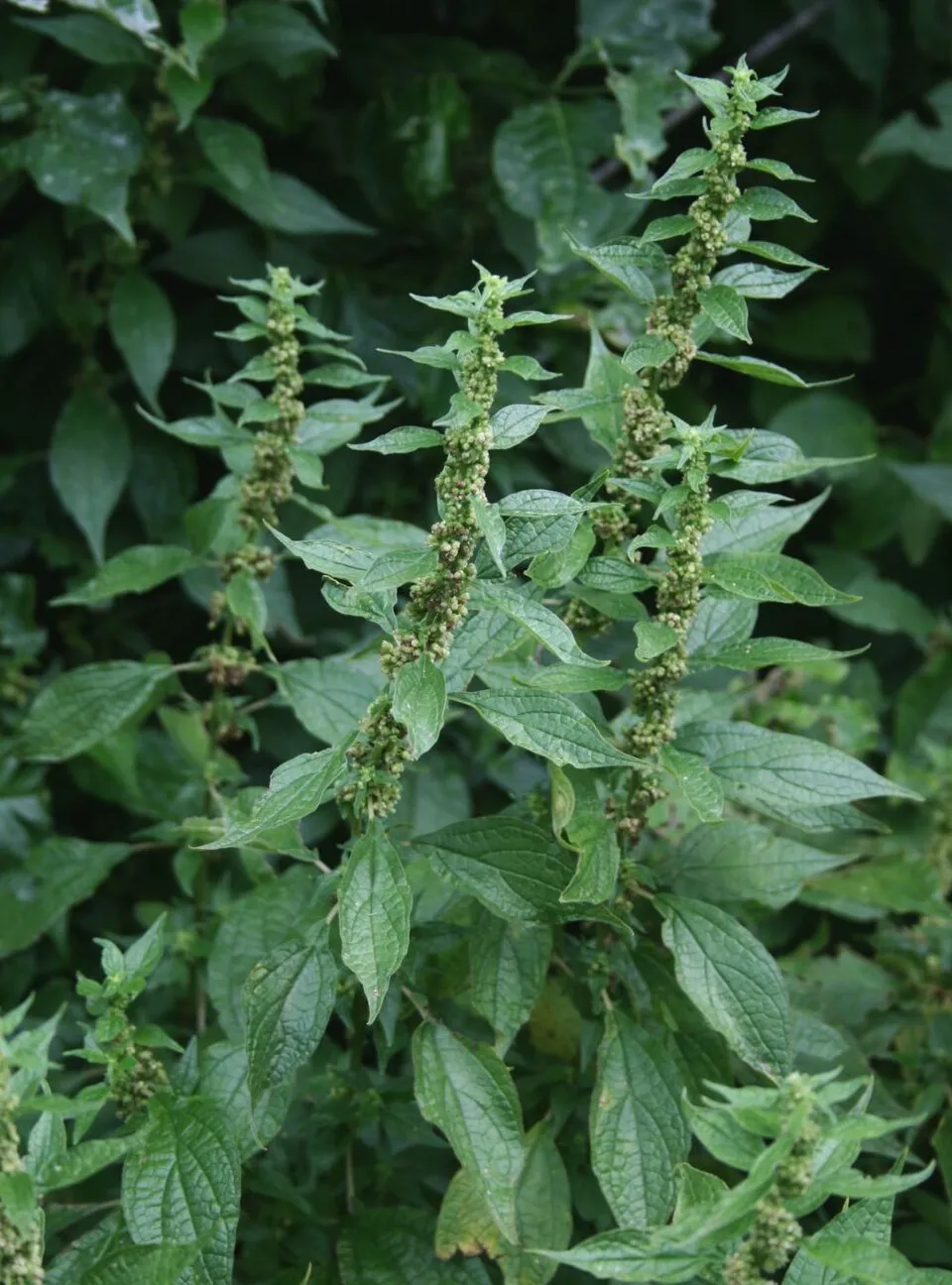
Pellitory, scientifically known as Parietaria officinalis, is an erect perennial herbaceous plant typically growing to heights of 30 to 100 cm. Its stems are characteristically upright, slender, and exhibit a branched structure, often covered in fine, non-stinging hairs that impart a rough texture and a subtle greenish hue. The leaves are simple, ovate in shape, measuring approximately 4 to 10 cm in length, featuring a pointed apex and entire margins. These dark green leaves are arranged alternately along the stem, contributing to the plant's dense, bushy appearance.
Parietaria officinalis produces inconspicuous, clustered flowers that range in color from greenish to pale purple. These small blossoms are borne in bracteate racemes located in the axils of the leaves, with flowering typically occurring from April through August. The plant is primarily wind-pollinated, a common adaptation in its family. Pellitory thrives in disturbed or rocky soils, frequently found colonizing hedgerows, old walls, and roadside verges across its native range in Europe.
It has also successfully naturalized in various regions of North America and New Zealand. Taxonomically, it belongs to the Urticaceae family, sharing kinship with the stinging nettles, but notably lacks the stinging trichomes characteristic of many Urtica species. Beyond its morphological adaptations for diverse environments, Pellitory holds ecological importance in urban settings, offering a valuable habitat and food source for various insect pollinators. For medicinal applications, the entire aerial part of the plant is typically harvested, with the leaves and flowers being the most frequently utilized parts.
Trusted Scientific References
1. Authoritative external sources for Parietaria officinalis
1.1 Wikipedia — Parietaria officinalis
1.2 Kew POWO (Plants of the World Online)
1.3 PubMed — peer-reviewed research
1.4 NCBI Taxonomy Browser
1.5 GBIF — Global Biodiversity
1.6Pellitory should be interpreted through verified botanical identity, practical care, and responsible safety language. This recovery note adds the missing context needed for a complete profile: match light to the plant's habit, use well-drained soil, water according to season, and avoid unsupported medicinal or edible claims. For publishing, the plant can be presented as a source-backed medicinal plant with clear care guidance, common problem diagnosis, and conservative safety wording.
1.1.Pellitory — Defining Traits
- ✓Scientific Name — Parietaria officinalis, belonging to the Urticaceae family.
- ✓Primary Action — Renowned for its potent diuretic and demulcent properties.
- ✓Urinary System Support — Highly effective for kidney and bladder health, including kidney stones and cystitis.
- ✓Anti — inflammatory — Contains flavonoids and other compounds that reduce inflammation throughout the body.
- ✓Respiratory Relief — Provides soothing benefits for dry coughs and irritated airways.
- ✓Non — Stinging — Unlike its nettle relatives, Pellitory lacks stinging hairs, making it safe to handle.
- ✓Widespread Distribution — Commonly found across Europe and naturalized in other temperate regions.
- ✓Traditional Use — Valued in traditional European herbalism for centuries.
- ✓Rich Phytochemistry — Abundant in flavonoids, phenolic acids, and mucilage.
- ✓Ecological Role — Provides habitat and food for pollinators in urban and disturbed areas.
1.2.Pellitory — At-a-Glance Summary
- ✓Potent Diuretic — Effectively supports kidney and bladder health, aiding in the removal of toxins and preventing stone formation.
- ✓Urinary Tract Demulcent — Soothes and protects irritated mucous membranes in the urinary system, reducing discomfort.
- ✓Anti-inflammatory Herb — Contains compounds that help alleviate inflammation, particularly beneficial for the urinary and respiratory tracts.
- ✓Respiratory Aid — Offers relief for dry coughs and bronchial irritation dueating to its mucilaginous properties.
- ✓Traditional European Remedy — Long history of use in European folk medicine for urinary and skin conditions.
2.Pellitory — Scientific Profile
3.Pellitory — Botanical Stats
4.Pellitory — Structural Profile
5.Pellitory — Habitat & Distribution
6.Pellitory — Ethnobotanical Uses
7.Pellitory — Secondary Metabolites
- ✓Flavonoids — Key compounds include quercetin, kaempferol, and their various glycosides (e.g., rutin), which contribute significantly to Pellitory's antioxidant, anti-inflammatory, and diuretic activities by scavenging free radicals and modulating inflammatory pathways.
- ✓Phenolic Acids — Derivatives of caffeic acid, such as chlorogenic acid, are present, offering additional antioxidant and anti-inflammatory benefits, protecting cellular integrity and supporting overall health.
- ✓Mucilage (Polysaccharides) — The plant is rich in mucilaginous polysaccharides, which are responsible for its demulcent and soothing properties, particularly beneficial for irritated mucous membranes in the urinary and respiratory tracts.
- ✓Alkaloids — While generally in smaller concentrations, various alkaloids may contribute to the plant's overall pharmacological profile, though their specific roles in Pellitory's main actions are less defined.
- ✓Terpenoids — A diverse group of compounds including monoterpenes and sesquiterpenes, which can impart aromatic qualities and contribute to anti-inflammatory, antimicrobial, and antioxidant effects.
- ✓Lignans — These compounds, known for their antioxidant and phytoestrogenic properties, may contribute to the plant's protective effects against oxidative stress and support cellular health.
- ✓Mineral Salts — Notably high in potassium nitrate, which is largely responsible for Pellitory's pronounced diuretic effect, facilitating the excretion of water and electrolytes.
- ✓Tannins — Present in moderate amounts, tannins contribute to the plant's mild astringent properties, which can aid in tissue toning and reducing inflammation through protein precipitation.
- ✓Organic Acids — Various organic acids contribute to the plant's metabolism and may have mild antiseptic or pH-modulating effects within the body, supporting urinary tract health.
8.Pellitory — Research Insights
- ✓Urinary Demulcent — Pellitory acts as a demulcent, coating and soothing the irritated mucous membranes of the urinary tract, which helps alleviate discomfort and inflammation associated with conditions like cystitis and urethritis.
- ✓Diuretic Action — Known for its potent diuretic properties, Pellitory promotes increased urine production and flow, aiding in the detoxification of the kidneys and facilitating the elimination of waste products and excess fluids.
- ✓Kidney Stone Dissolution — Traditionally and anecdotally used, it is believed to help dissolve small kidney and bladder stones and prevent their formation, likely due to its diuretic and anti-inflammatory effects.
- ✓Anti-inflammatory Support — The plant contains various compounds, including flavonoids and polysaccharides, that exert anti-inflammatory effects, beneficial for reducing swelling and pain in the urinary system and other inflammatory conditions.
- ✓Respiratory Soothing — Its mucilage content provides emollient properties, making it useful for soothing irritated respiratory passages and alleviating symptoms of dry coughs, bronchial irritation, and throat discomfort.
- ✓Wound Healing (Vulnerary) — When applied externally as a poultice, Pellitory exhibits vulnerary properties, assisting in the healing of minor cuts, burns, and inflammatory skin conditions by reducing inflammation and promoting tissue repair.
- ✓Immune System Modulation — While not a primary use, some traditional applications suggest a role in general immune support, possibly through its antioxidant content that protects cells from oxidative stress.
- ✓Digestive Health Aid — Historically, Pellitory has been employed to support digestive wellness, potentially by its mild soothing action on mucous membranes throughout the gastrointestinal tract, though this area requires further research.
- ✓Detoxification Support — By enhancing kidney function and urine output, Pellitory contributes to the body's natural detoxification processes, helping to clear metabolic byproducts and toxins from the system.
- ✓Alleviation of Fluid Retention — Its strong diuretic effect makes it beneficial in managing conditions characterized by mild fluid retention, helping to reduce edema and swelling.
8.1.Pellitory — Therapeutic Indications
9.Pellitory — Risk Profile
9.1.Pellitory — Caution Notes
- ✓Allergic Reactions — Pellitory pollen is a known allergen for some individuals, potentially causing hay fever-like symptoms, asthma, or contact dermatitis upon skin exposure, particularly in spring and summer.
- ✓Gastric Upset — In some sensitive individuals, consumption may lead to mild gastrointestinal discomfort, such as nausea or stomach upset.
- ✓Increased Urination — Due to its potent diuretic action, excessive intake may lead to frequent urination, which can be inconvenient.
- ✓Electrolyte Imbalance — Prolonged or high-dose use, especially without adequate fluid intake, could theoretically lead to electrolyte imbalances due to increased fluid excretion.
- ✓Skin Irritation — While generally non-stinging, direct contact with the plant's fine hairs can cause mild skin irritation or itching in sensitive individuals.
- ✓Hypotension Risk — As a diuretic, it may contribute to lowering blood pressure; individuals with low blood pressure should use it with caution.
9.2.Pellitory — Safety Overview
- ✓Pregnancy and Lactation — Due to insufficient safety data and its diuretic action, Pellitory is generally not recommended for use during pregnancy or breastfeeding without professional medical advice.
- ✓Kidney Conditions — While beneficial for mild urinary issues, individuals with severe kidney disease or impaired kidney function should consult a healthcare professional before use due to its diuretic properties.
- ✓Cardiovascular Conditions — Patients with heart conditions, especially those on diuretics or blood pressure medications, should exercise caution and consult a doctor, as Pellitory may interact with these drugs.
- ✓Allergic Individuals — Individuals with known allergies to plants in the Urticaceae family or pollen allergies should avoid Pellitory due to potential cross-reactivity and allergic reactions.
- ✓Dehydration Risk — Prolonged high-dose use may lead to dehydration or electrolyte imbalance; ensure adequate fluid intake when using Pellitory as a diuretic.
- ✓Drug Interactions — May potentiate the effects of pharmaceutical diuretics or blood pressure medications, requiring medical supervision.
- ✓Children — Use in children should be approached with caution and under the guidance of a qualified healthcare practitioner due to limited specific safety data.
10.Pellitory — Application Forms
- ✓Herbal Infusion (Tea) — Steep 1-2 teaspoons of dried Pellitory leaves and flowers in a cup of hot water for 10-15 minutes, then strain and consume up to three times daily for urinary support or respiratory soothing.
- ✓Tincture — A concentrated alcoholic extract, typically taken in drops (e.g., 2-5 ml) diluted in water, 2-3 times a day, offering a convenient and potent method for systemic effects.
- ✓Fresh Juice — The fresh leaves can be juiced and consumed, often diluted with water or other juices, for a more immediate and potent delivery of its active compounds, particularly for urinary issues.
- ✓Poultice — For external use, crush fresh Pellitory leaves and apply directly to minor burns, wounds, or inflammatory skin conditions, securing with a bandage for several hours.
- ✓Syrup — A decoction of the herb can be combined with honey or sugar to create a soothing syrup, especially beneficial for dry coughs and irritated throats.
- ✓External Wash — A strong infusion can be used as a topical wash or compress for skin irritations, promoting healing and reducing inflammation.
- ✓Culinary Use — Young, tender leaves can be added to salads or cooked as a potherb, though its medicinal use is more prominent than its culinary application.
- ✓Glycerite — A non-alcoholic extraction using vegetable glycerin, suitable for individuals avoiding alcohol, used similarly to a tincture for internal applications.
11.Pellitory — Growth Requirements
- ✓Soil Preference — Pellitory thrives in well-drained, moderately fertile soils, including rocky or disturbed ground, with a pH range of 6.0 to 7.5.
- ✓Sunlight Requirements — It prefers full sun to partial shade, adapting well to various light conditions but performing best with adequate sunlight exposure for robust growth.
- ✓Watering — Requires regular watering, especially during dry periods, to maintain consistent soil moisture, though it is somewhat drought-tolerant once established.
- ✓Propagation — Easily propagated from seeds sown in spring or by division of established clumps in spring or autumn, with good germination rates.
- ✓Climate — Best suited for temperate to subtropical climates, demonstrating resilience in various environmental conditions where frost is not severe.
- ✓Pest and Disease Management — Generally resistant to most common pests and diseases, requiring minimal intervention; good air circulation helps prevent fungal issues.
- ✓Harvesting — The aerial parts (leaves and flowers) are typically harvested during the flowering period, from late spring to late summer, for optimal medicinal potency.
- ✓Container Growing — Can be successfully grown in containers, provided they have good drainage and are kept adequately watered, making it suitable for urban gardening.
Reviewed by the Flora Medical Global Botanical Review Panel
Multi-disciplinary editorial group · Botany · Ethnobotany · Herbal-medicine literature
Who reviewed this: This page was checked by the Flora Medical Global Botanical Review Panel — an in-house editorial group of botany graduates, ethnobotany researchers, and horticulture practitioners who collectively maintain our 7,000+ plant encyclopedia. Meet the team.
Our 4-step verification process
1. Taxonomic verification
Scientific names and synonyms cross-checked against Kew POWO, World Flora Online, and The Plant List.
2. Phytochemical & medicinal cross-reference
Active compounds, traditional uses, and reported activities are cross-referenced with PubMed, USDA Dr. Duke's database, and peer-reviewed ethnobotanical literature.
3. Conservation & distribution check
Distribution, ecology, and conservation status confirmed against GBIF occurrence records and the IUCN Red List.
4. Editorial & safety review
Every entry passes an editorial pass for clarity, originality, and safety notices (toxicity, contraindications, dosage caveats) before publication.
Last reviewed:
Important medical disclaimer: This content is for educational and research purposes only. It is not medical advice and is not a substitute for consultation with a licensed healthcare provider. Do not use any herb to self-treat a medical condition without professional guidance.
Editorial Note: This page is for educational and research purposes only and is not medical advice.
Written by: Flora Medical Global Editorial Team
Reviewed by: Flora Medical Global Botanical Review Panel
Last Updated: June 15, 2026




Pellitory — Comments & Community Reviews
Rate this plant