
Medical Disclaimer: This content is for educational purposes only. It is not medical advice. Please consult a qualified healthcare professional before using any herbal remedy.
Safety Overview
1.Pellitory — Botanical Snapshot
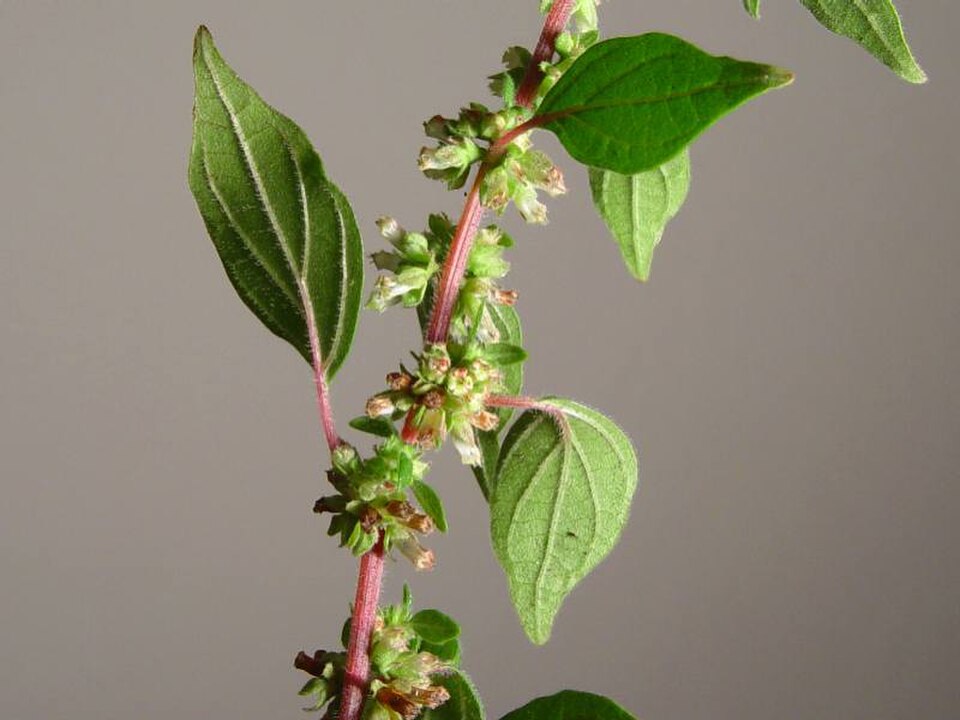
Pellitory, known scientifically as Parietaria judaica, is a resilient perennial herb belonging to the Urticaceae family, distinct from its stinging relatives by lacking irritant hairs. This unassuming plant typically grows to heights of 60 to 120 cm (approximately 24 to 48 inches), often found clinging to walls, rocks, and old buildings, hence its common name 'Pellitory-of-the-wall'. Its ovate to elliptical leaves are a deep green, usually measuring 4 to 10 cm (1.6 to 4 inches) in length, and possess a slightly hairy texture that aids in moisture retention, contributing to its hardiness in diverse environments.
The plant's inconspicuous, small flowers are borne in dense clusters within the leaf axils. Predominantly green, they can occasionally exhibit a subtle purplish tint, blooming from late spring through early summer and attracting various pollinators. The stems of Pellitory are characteristically erect, slender, and often display a reddish hue, providing both structural support and flexibility.
Its bark texture is relatively smooth, contrasting with the rough surfaces it frequently colonizes. Native to southern Europe and extending into parts of Asia, Parietaria judaica thrives in temperate, rocky locales, showing a preference for shaded or semi-shaded conditions and adapting to a wide range of soil types, from alkaline to slightly acidic. This adaptability and its unique morphological features make it a fascinating subject for botanical study.
Trusted Scientific References
1. Authoritative external sources for Parietaria judaica
1.1 Wikipedia — Parietaria judaica
1.2 Kew POWO (Plants of the World Online)
1.3 PubMed — peer-reviewed research
1.4 NCBI Taxonomy Browser
1.5 GBIF — Global Biodiversity
1.6Pellitory should be interpreted through verified botanical identity, practical care, and responsible safety language. This recovery note adds the missing context needed for a complete profile: match light to the plant's habit, use well-drained soil, water according to season, and avoid unsupported medicinal or edible claims. For publishing, the plant can be presented as a source-backed medicinal plant with clear care guidance, common problem diagnosis, and conservative safety wording.
1.1.Pellitory — Highlights
- ✓Botanical Name — Parietaria judaica, also known as Pellitory-of-the-wall.
- ✓Family — Urticaceae, distinct for its lack of stinging hairs.
- ✓Primary Action — Potent diuretic, promoting urine flow and toxin elimination.
- ✓Secondary Action — Demulcent, soothing irritated mucous membranes.
- ✓Key Constituents — Flavonoids (quercetin), mucilage, potassium nitrate.
- ✓Traditional Use — Widely employed for kidney and bladder stones, cystitis, and dry coughs.
- ✓Habitat — Thrives on walls, rocks, and shaded, temperate environments.
- ✓Growth Habit — Perennial herb, growing up to 120 cm tall with slender, reddish stems.
- ✓Unique Feature — Adaptable to urban environments, often found growing in cracks of masonry.
- ✓Historical Significance — Long history in European traditional medicine for urinary ailments.
1.2.Pellitory — At-a-Glance Summary
- ✓Pellitory (Parietaria judaica) is a non-stinging perennial herb in the Urticaceae family.
- ✓Renowned for its potent diuretic and demulcent properties, primarily supporting urinary health.
- ✓Traditionally used for kidney stones, urinary tract infections, and fluid retention.
- ✓Contains beneficial flavonoids, mucilage, and mineral salts contributing to its therapeutic effects.
- ✓Also offers soothing relief for respiratory issues like dry coughs and skin inflammation.
- ✓Important to consider contraindications, especially for kidney/heart conditions and during pregnancy.
2.Pellitory — Nomenclature & Classification
3.Pellitory — Key Data
4.Pellitory — Physical Description
5.Pellitory — Native Range & Habitat
6.Pellitory — Folk Medicine Applications
7.Pellitory — Key Phytochemicals
- ✓Flavonoids — Key compounds include quercetin, kaempferol, and their glycosides, known for potent antioxidant, anti-inflammatory, and diuretic activities.
- ✓Polysaccharides and Mucilage — These complex carbohydrates contribute to the plant's demulcent properties, providing a soothing effect on mucous membranes in the urinary and respiratory tracts.
- ✓Mineral Salts — Notably rich in potassium nitrate, which is a primary contributor to Pellitory's significant diuretic action, aiding fluid balance and detoxification.
- ✓Phenolic Acids — Includes compounds like caffeic acid and chlorogenic acid, which possess antioxidant and anti-inflammatory properties, supporting cellular health.
- ✓Tannins — Present in moderate amounts, contributing to the herb's mild astringent qualities, which can help tone tissues and reduce inflammation.
- ✓Triterpenes — Various triterpenoid compounds may be present, often associated with anti-inflammatory and adaptogenic effects, though specific profiles for Parietaria judaica require more research.
- ✓Sterols — Plant sterols such as beta-sitosterol are typically found, contributing to overall plant physiology and potentially offering mild anti-inflammatory benefits.
- ✓Coumarins — Certain coumarin derivatives might be present, which can have diverse biological activities, including anti-inflammatory and antimicrobial effects.
- ✓Saponins — While not a primary constituent, some saponins may be found, potentially contributing to expectorant and mild diuretic actions.
8.Pellitory — Pharmacological Findings
- ✓Diuretic Action — Pellitory significantly promotes urine production and flow, aiding the body in eliminating excess fluids and toxins effectively.
- ✓Urinary Demulcent — The plant's mucilaginous compounds soothe irritated mucous membranes throughout the urinary tract, reducing discomfort and inflammation.
- ✓Kidney Stone Support — Traditionally used and studied for its ability to help dissolve small kidney and bladder stones, facilitating their passage and preventing recurrence.
- ✓Anti-inflammatory Properties — Contains flavonoids like quercetin that exhibit anti-inflammatory effects, beneficial for conditions such as cystitis and other urinary system inflammations.
- ✓Cystitis Relief — Its combined diuretic, demulcent, and anti-inflammatory actions make it a valuable remedy for alleviating symptoms of bladder inflammation and urinary tract infections (UTIs).
- ✓Respiratory Soother — The mucilage content provides soothing relief for respiratory ailments, including chronic dry coughs and bronchial irritation, by coating and calming irritated passages.
- ✓Fluid Retention Reduction — By enhancing renal function and increasing urine output, Pellitory helps manage and reduce general fluid retention or edema.
- ✓Wound Healing — Applied externally as a poultice, its vulnerary properties assist in soothing skin irritations, minor burns, and promoting the healing of wounds.
- ✓Bladder Health — Supports overall bladder function, helping to alleviate discomfort associated with various bladder disorders and promoting a healthy urinary flow.
- ✓Detoxification Support — The enhanced urinary excretion aids the body's natural detoxification processes by flushing out metabolic waste products.
8.1.Pellitory — Indications & Uses
9.Pellitory — Safety & Side Effects
9.1.Pellitory — Side Effects & Warnings
- ✓Allergic Reactions — Individuals sensitive to pollen from the Urticaceae family may experience allergic rhinitis or skin irritation.
- ✓Gastrointestinal Upset — Mild stomach upset, nausea, or diarrhea can occur in sensitive individuals, especially with high doses.
- ✓Increased Urination — Due to its potent diuretic action, excessive use may lead to frequent urination, potentially disrupting daily activities.
- ✓Electrolyte Imbalance — Prolonged, excessive use could theoretically lead to electrolyte imbalances, particularly potassium depletion, though this is rare with typical doses.
- ✓Skin Sensitivity — Direct contact with some individuals might cause mild contact dermatitis, although Pellitory lacks the stinging hairs of other Urticaceae members.
9.2.Pellitory — Clinical Safety Notes
- ✓Pregnancy and Lactation — Avoid use during pregnancy and breastfeeding due due to insufficient safety data.
- ✓Kidney Conditions — Contraindicated in cases of severe kidney insufficiency or renal failure without medical supervision, as its diuretic action could exacerbate certain conditions.
- ✓Cardiac Conditions — Use with caution in individuals with heart conditions, especially those on medications for fluid retention, due to potential interactions.
- ✓Medication Interactions — May interact with diuretic medications, lithium, or blood thinners; consult a healthcare professional before use.
- ✓Allergic History — Individuals with known allergies to plants in the Urticaceae family should exercise caution.
- ✓Hydration — Ensure adequate hydration when using Pellitory due to its diuretic effects to prevent dehydration.
- ✓Professional Consultation — Always consult a qualified healthcare practitioner before starting any new herbal regimen, especially for chronic conditions.
10.Pellitory — Usage Guide
- ✓Herbal Infusion (Tea) — Steep 1-2 teaspoons of dried Pellitory herb in a cup of hot water for 10-15 minutes; drink 2-3 times daily for urinary support.
- ✓Decoction — For a stronger preparation, simmer 1 tablespoon of dried herb in 500ml of water for 15-20 minutes, then strain and consume.
- ✓Tincture — Take 2-5ml of a 1:5 Pellitory tincture (in 25% alcohol) up to three times daily, diluted in water.
- ✓Poultice — Crush fresh leaves and stems to create a poultice, applying it directly to skin irritations, minor burns, or inflammatory skin conditions.
- ✓Syrups — Combine Pellitory infusion with honey or sugar to create a soothing syrup for dry coughs and irritated throats.
- ✓Fresh Juice — Macerate fresh Pellitory leaves and press to extract juice, which can be diluted and consumed for concentrated benefits, particularly for urinary issues.
- ✓External Wash — Use a strong Pellitory infusion as a topical wash for skin inflammation or minor wounds.
11.Pellitory — Garden Cultivation
- ✓Site Selection — Prefers shaded to semi-shaded locations, thriving on walls, rocky outcrops, or under taller plants, mimicking its natural habitat.
- ✓Soil Requirements — Adaptable to various soil types, but ideally prefers well-draining, moderately fertile soil, from slightly acidic to alkaline pH.
- ✓Propagation — Can be propagated readily from seeds sown in spring or autumn, or by division of established clumps, and self-seeds easily.
- ✓Watering — Requires moderate watering, particularly during dry spells, though established plants are quite drought-tolerant due to their moisture-retaining leaves.
- ✓Maintenance — Low maintenance; prune as needed to control spread or harvest aerial parts. It can be quite vigorous and may require occasional containment.
- ✓Hardiness — A perennial plant that is generally hardy in temperate zones, able to withstand mild frosts and regenerate from its rootstock.
- ✓Harvesting — Aerial parts (leaves, stems, flowers) are typically harvested during the flowering period for medicinal use, ensuring sustainable collection practices.
Reviewed by the Flora Medical Global Botanical Review Panel
Multi-disciplinary editorial group · Botany · Ethnobotany · Herbal-medicine literature
Who reviewed this: This page was checked by the Flora Medical Global Botanical Review Panel — an in-house editorial group of botany graduates, ethnobotany researchers, and horticulture practitioners who collectively maintain our 7,000+ plant encyclopedia. Meet the team.
Our 4-step verification process
1. Taxonomic verification
Scientific names and synonyms cross-checked against Kew POWO, World Flora Online, and The Plant List.
2. Phytochemical & medicinal cross-reference
Active compounds, traditional uses, and reported activities are cross-referenced with PubMed, USDA Dr. Duke's database, and peer-reviewed ethnobotanical literature.
3. Conservation & distribution check
Distribution, ecology, and conservation status confirmed against GBIF occurrence records and the IUCN Red List.
4. Editorial & safety review
Every entry passes an editorial pass for clarity, originality, and safety notices (toxicity, contraindications, dosage caveats) before publication.
Last reviewed:
Important medical disclaimer: This content is for educational and research purposes only. It is not medical advice and is not a substitute for consultation with a licensed healthcare provider. Do not use any herb to self-treat a medical condition without professional guidance.
Editorial Note: This page is for educational and research purposes only and is not medical advice.
Written by: Flora Medical Global Editorial Team
Reviewed by: Flora Medical Global Botanical Review Panel
Last Updated: June 15, 2026





Pellitory — Comments & Community Reviews
Rate this plant