
Medical Disclaimer: This content is for educational purposes only. It is not medical advice. Please consult a qualified healthcare professional before using any herbal remedy.
Safety Overview
1.Peltophorum Pterocarpum — Introduction & Highlights
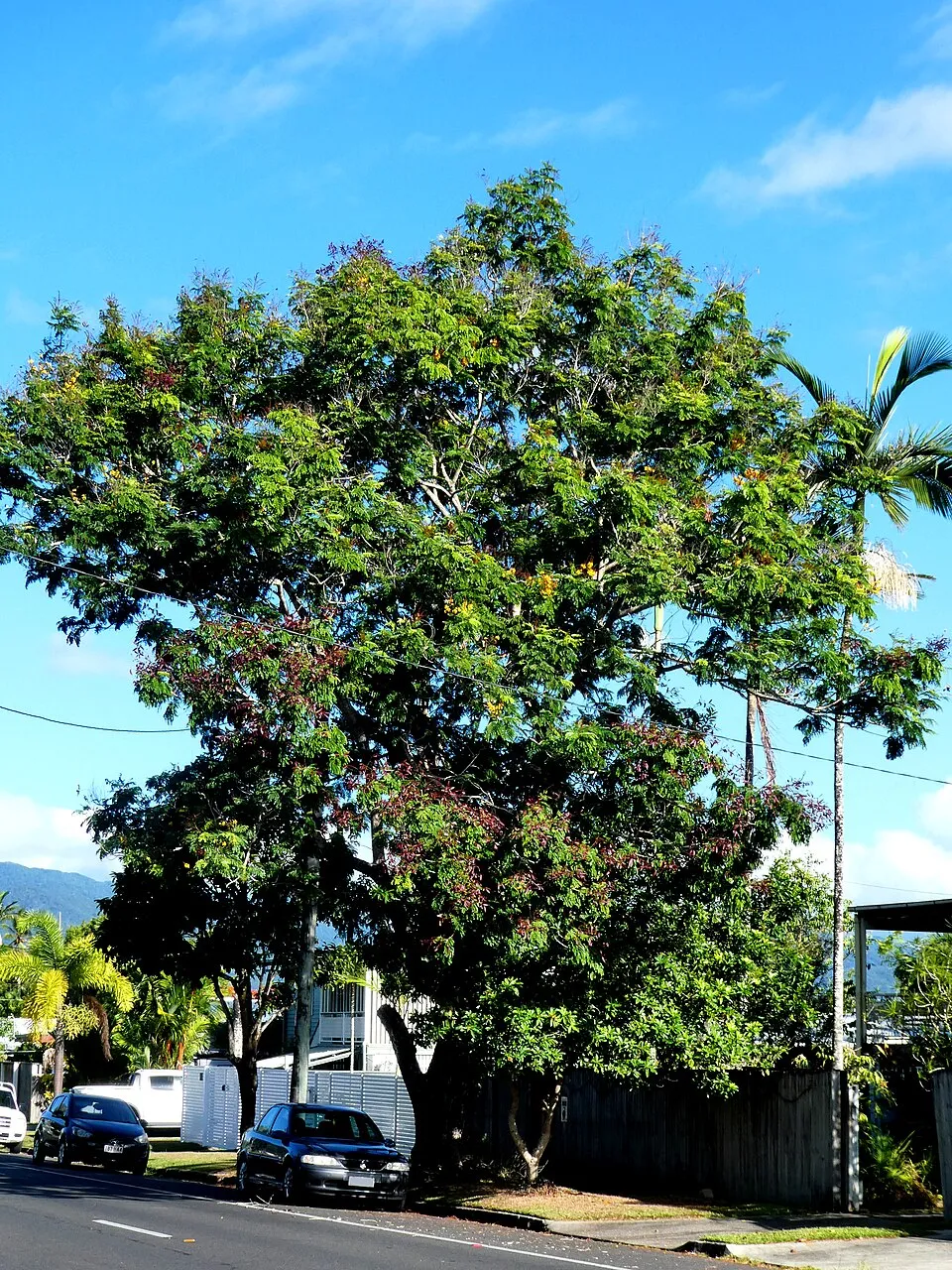
Peltophorum pterocarpum, widely recognized as the Copperpod, Yellow Flame Tree, or Golden Flamboyan, is a magnificent ornamental tree belonging to the Fabaceae family. Native to the lush landscapes of Southeast Asia and Papua New Guinea, it has been extensively introduced and cultivated across tropical and subtropical regions globally for its striking aesthetic appeal. This fast-growing, medium to large deciduous tree typically attains heights of 15 to 25 meters, characterized by a broad, often flat-topped canopy that offers substantial shade. Its most captivating feature is the profusion of bright yellow to golden-orange flowers, borne in large, showy panicles, particularly prominent during the dry season, creating a vibrant spectacle. The flowers are not only visually stunning but also emit a subtle, pleasant fragrance.
The foliage consists of elegantly bipinnately compound leaves, where each main leaf stalk branches into smaller stalks, bearing numerous small, oblong leaflets, giving the canopy a delicate, fern-like texture. These leaflets are typically a fresh, vibrant green and are arranged oppositely along the rachis. Following the floral display, the tree develops distinctively flat, woody pods, which mature to a rusty brown or copper color, lending the tree its popular common name, Copperpod. These pods contain several seeds and are efficiently dispersed by wind or water. The bark of Peltophorum pterocarpum is generally smooth and grey in its youth, gradually developing fissures and a rougher texture with age.
While its wood is moderately hard and durable, it is not primarily valued for high-grade timber. This species exhibits remarkable adaptability, thriving in a diverse range of soil types, including poor and sandy substrates, and demonstrates excellent tolerance to drought and coastal conditions, making it an ideal candidate for urban landscaping, roadside planting, and parkland enhancement. Its vigorous growth and abundant flowering contribute significantly to the biodiversity and aesthetic richness of tropical and subtropical environments, providing both visual appeal and ecological benefits such as habitat provision and shade.
Trusted Scientific References
1. Authoritative external sources for Peltophorum pterocarpum
1.1 Wikipedia — Peltophorum pterocarpum
1.2 Kew POWO (Plants of the World Online)
1.3 PubMed — peer-reviewed research
1.4 NCBI Taxonomy Browser
1.5 GBIF — Global Biodiversity
1.1.Peltophorum Pterocarpum — Key Features
- ✓Striking Ornamental Value — Renowned for its abundant, showy golden-yellow flowers and rusty-brown pods.
- ✓Fast — Growing Shade Tree — Provides excellent canopy cover, reaching 15-25 meters in height.
- ✓Drought and Salt Tolerant — Highly adaptable to challenging environmental conditions, including coastal areas.
- ✓Bipinnately Compound Leaves — Elegant, fern-like foliage with numerous small, vibrant green leaflets.
- ✓Traditional Medicinal Uses — Bark and leaves are traditionally used for inflammation, pain, and skin ailments in some regions.
- ✓Rich Phytochemistry — Contains beneficial compounds like flavonoids, tannins, and phenolic acids.
- ✓Ecological Benefits — Offers habitat for birds and provides significant shade in urban and natural landscapes.
- ✓Easy Propagation — Primarily grown from scarified seeds, demonstrating good germination rates.
- ✓Low Maintenance — Requires minimal care once established, making it popular for public and private gardens.
- ✓Common Names — Known as Copperpod, Yellow Flame Tree, and Golden Flamboyan.
1.2.Peltophorum Pterocarpum — Concise Overview
- ✓Peltophorum pterocarpum is an ornamental tree known for its vibrant yellow flowers and copper-colored pods.
- ✓Traditionally, parts of the tree are used for their potential anti-inflammatory, antioxidant, and antimicrobial properties.
- ✓Rich in flavonoids, tannins, and phenolic acids, contributing to its potential therapeutic effects.
- ✓Cultivated widely in tropical regions, it is adaptable to various soils and drought-tolerant.
- ✓Potential applications include remedies for inflammation, pain, skin issues, and digestive support.
- ✓Always consult a healthcare professional before using, especially for internal applications, due to limited scientific validation.
2.Peltophorum Pterocarpum — Taxonomic Classification
3.Peltophorum Pterocarpum — Reference Facts
4.Peltophorum Pterocarpum — Structural Profile
5.Peltophorum Pterocarpum — Geographic Distribution
6.Peltophorum Pterocarpum — Historical Applications
7.Peltophorum Pterocarpum — Active Compounds
- ✓Flavonoids — Key compounds like quercetin, kaempferol, and their glycosides are present, offering significant antioxidant and anti-inflammatory activities.
- ✓Tannins — Predominantly condensed tannins, found in the bark and leaves, contribute to the plant's astringent properties and potential antimicrobial effects.
- ✓Phenolic Acids — Gallic acid, ellagic acid, and caffeic acid derivatives are likely present, known for their antioxidant and free radical scavenging capabilities.
- ✓Saponins — These compounds may contribute to the plant's foaming properties and have been associated with various biological activities, including anti-inflammatory and cholesterol-lowering effects.
- ✓Alkaloids — While typically in lower concentrations, some alkaloid compounds may be present, influencing various physiological processes.
- ✓Terpenoids — Including triterpenoids and diterpenoids, these compounds can offer anti-inflammatory, antimicrobial, and cytotoxic properties.
- ✓Glycosides — Various types of glycosides, including cardiac and cyanogenic glycosides, may occur, with diverse pharmacological implications.
- ✓Steroids — Plant sterols such as beta-sitosterol are generally present, known for their role in plant cell structure and potential health benefits.
- ✓Resins — Exudates containing resinous substances can possess antiseptic and protective qualities.
- ✓Fatty Acids — Essential fatty acids found in the seeds may have nutritional value and contribute to skin health.
8.Peltophorum Pterocarpum — Modern Studies
- ✓Anti-inflammatory Support — Extracts from the bark and leaves of Peltophorum pterocarpum are traditionally considered to possess anti-inflammatory properties, potentially aiding in reducing swelling and discomfort.
- ✓Antioxidant Activity — The presence of phenolic compounds and flavonoids suggests that Copperpod may offer significant antioxidant benefits, helping to neutralize free radicals and protect cellular health.
- ✓Antimicrobial Potential — Traditional applications hint at the bark's ability to combat certain microbial infections, suggesting potential antibacterial and antifungal actions.
- ✓Wound Healing — Poultices prepared from the leaves or bark have been anecdotally used to promote the healing of minor wounds and cuts, possibly due to astringent and antiseptic qualities.
- ✓Pain Relief — In some folk medicine, preparations from the tree are used to alleviate general body aches and pains, acting as a natural analgesic.
- ✓Digestive Aid — Certain traditional remedies use parts of the Copperpod to address mild digestive discomforts, potentially due to its astringent properties affecting the gut lining.
- ✓Fever Reduction — Infusions from the bark have been historically employed as a febrifuge to help reduce fever symptoms.
- ✓Astringent Properties — The bark is rich in tannins, which confer astringent effects, useful in applications for skin conditions and minor bleeding.
- ✓Respiratory Support — In some traditional practices, preparations might be used to soothe minor respiratory irritations or coughs.
- ✓Skin Health — The plant's potential antimicrobial and anti-inflammatory compounds may contribute to maintaining healthy skin and addressing minor skin issues.
8.1.Peltophorum Pterocarpum — Reported Uses
9.Peltophorum Pterocarpum — Risk Profile
9.1.Peltophorum Pterocarpum — Possible Adverse Reactions
- ✓Allergic Reactions — Sensitive individuals may experience skin rashes, itching, or respiratory issues upon contact or ingestion of Peltophorum pterocarpum.
- ✓Gastrointestinal Upset — High doses or sensitive individuals might experience nausea, vomiting, or diarrhea if ingested.
- ✓Drug Interactions — Potential for interaction with certain medications, particularly anticoagulants or drugs metabolized by the liver, due to its phytochemical content.
- ✓Astringency-related Issues — Excessive internal use might lead to constipation or irritation of mucous membranes due to high tannin content.
- ✓Photosensitivity — Some plant compounds can potentially increase skin sensitivity to sunlight in certain individuals.
- ✓Oral Irritation — Direct contact with fresh plant parts, especially sap, might cause mild irritation to the mouth or skin.
- ✓Liver or Kidney Stress — Prolonged or high-dose internal use may theoretically burden the liver or kidneys, though specific data is lacking.
9.2.Peltophorum Pterocarpum — Clinical Safety Notes
- ✓Professional Consultation — Always consult a qualified healthcare professional or medical herbalist before using Peltophorum pterocarpum for medicinal purposes, especially if pregnant, nursing, or on medication.
- ✓Pregnancy and Lactation — Avoid use during pregnancy and breastfeeding due to insufficient safety data and potential effects on fetal development or infant health.
- ✓Children — Not recommended for use in children without expert medical guidance, as their systems are more sensitive.
- ✓Pre-existing Conditions — Individuals with liver, kidney, or gastrointestinal disorders should exercise extreme caution or avoid use.
- ✓Allergic History — People with known allergies to plants in the Fabaceae family should avoid contact or ingestion.
- ✓External Use Caution — Perform a patch test before extensive topical application to check for skin sensitivity or allergic reactions.
- ✓Dosage Adherence — Strictly adhere to recommended dosages and duration of use, as excessive intake can lead to adverse effects.
- ✓Quality Sourcing — Ensure that any plant material used is from a reputable source and free from contaminants.
10.Peltophorum Pterocarpum — How to Use
- ✓Decoction (Bark/Roots) — Boil dried bark or root pieces in water for 15-20 minutes to extract medicinal compounds; commonly used for internal remedies or as a wash.
- ✓Infusion (Leaves/Flowers) — Steep fresh or dried leaves and flowers in hot water for 5-10 minutes to create a tea-like preparation, often used for mild conditions.
- ✓Poultice (Crushed Leaves/Bark) — Crush fresh leaves or bark and apply directly to the skin for external applications such as wound healing or reducing inflammation.
- ✓Tincture (Alcoholic Extract) — Macerate plant material in an alcohol-water solution for several weeks to create a concentrated liquid extract, used in small, measured doses.
- ✓Topical Oil Infusion — Infuse dried plant parts in a carrier oil (e.g., olive oil) under gentle heat for external application, such as for skin conditions or muscle aches.
- ✓Powdered Form — Dry and grind bark or leaves into a fine powder, which can be encapsulated or mixed with other ingredients for various uses.
- ✓External Wash — Prepare a stronger decoction to be used as an antiseptic or anti-inflammatory wash for skin ailments, minor cuts, or mouth rinses.
- ✓Herbal Compress — Soak a cloth in a warm decoction or infusion and apply to affected areas for localized relief of pain or swelling.
11.Peltophorum Pterocarpum — Growing Guide
- ✓Site Selection — Choose a location with full sun exposure for optimal flowering and growth; the tree tolerates a wide range of soil types.
- ✓Soil Requirements — Prefers well-drained loamy or sandy soils but is adaptable to poor and coastal conditions; a pH range of 5.5 to 7.5 is ideal.
- ✓Watering — Young trees require regular watering to establish; mature trees are drought-tolerant and need minimal irrigation once established.
- ✓Propagation — Primarily propagated by seeds, which benefit from scarification or hot water treatment to improve germination rates; stem cuttings are also possible but less common.
- ✓Fertilization — Generally not demanding, but young trees can benefit from a balanced slow-release fertilizer during their initial growth phase.
- ✓Pruning — Prune to shape the canopy, remove dead or diseased branches, and manage size; best done after the main flowering season.
- ✓Pest and Disease Management — Generally resistant to most common pests and diseases, but monitor for occasional issues like scale insects or fungal spots, addressing them with appropriate organic or chemical treatments.
- ✓Climate — Thrives in tropical and subtropical climates, intolerant of frost and prolonged cold temperatures.
Reviewed by the Flora Medical Global Botanical Review Panel
Multi-disciplinary editorial group · Botany · Ethnobotany · Herbal-medicine literature
Who reviewed this: This page was checked by the Flora Medical Global Botanical Review Panel — an in-house editorial group of botany graduates, ethnobotany researchers, and horticulture practitioners who collectively maintain our 7,000+ plant encyclopedia. Meet the team.
Our 4-step verification process
1. Taxonomic verification
Scientific names and synonyms cross-checked against Kew POWO, World Flora Online, and The Plant List.
2. Phytochemical & medicinal cross-reference
Active compounds, traditional uses, and reported activities are cross-referenced with PubMed, USDA Dr. Duke's database, and peer-reviewed ethnobotanical literature.
3. Conservation & distribution check
Distribution, ecology, and conservation status confirmed against GBIF occurrence records and the IUCN Red List.
4. Editorial & safety review
Every entry passes an editorial pass for clarity, originality, and safety notices (toxicity, contraindications, dosage caveats) before publication.
Last reviewed:
Important medical disclaimer: This content is for educational and research purposes only. It is not medical advice and is not a substitute for consultation with a licensed healthcare provider. Do not use any herb to self-treat a medical condition without professional guidance.
Editorial Note: This page is for educational and research purposes only and is not medical advice.
Written by: Flora Medical Global Editorial Team
Reviewed by: Flora Medical Global Botanical Review Panel
Last Updated: June 15, 2026





Peltophorum Pterocarpum — Comments & Community Reviews
Rate this plant