
Medical Disclaimer: This content is for educational purposes only. It is not medical advice. Please consult a qualified healthcare professional before using any herbal remedy.
Safety Overview
1.Ornamental Grass Fountain — Botanical Snapshot
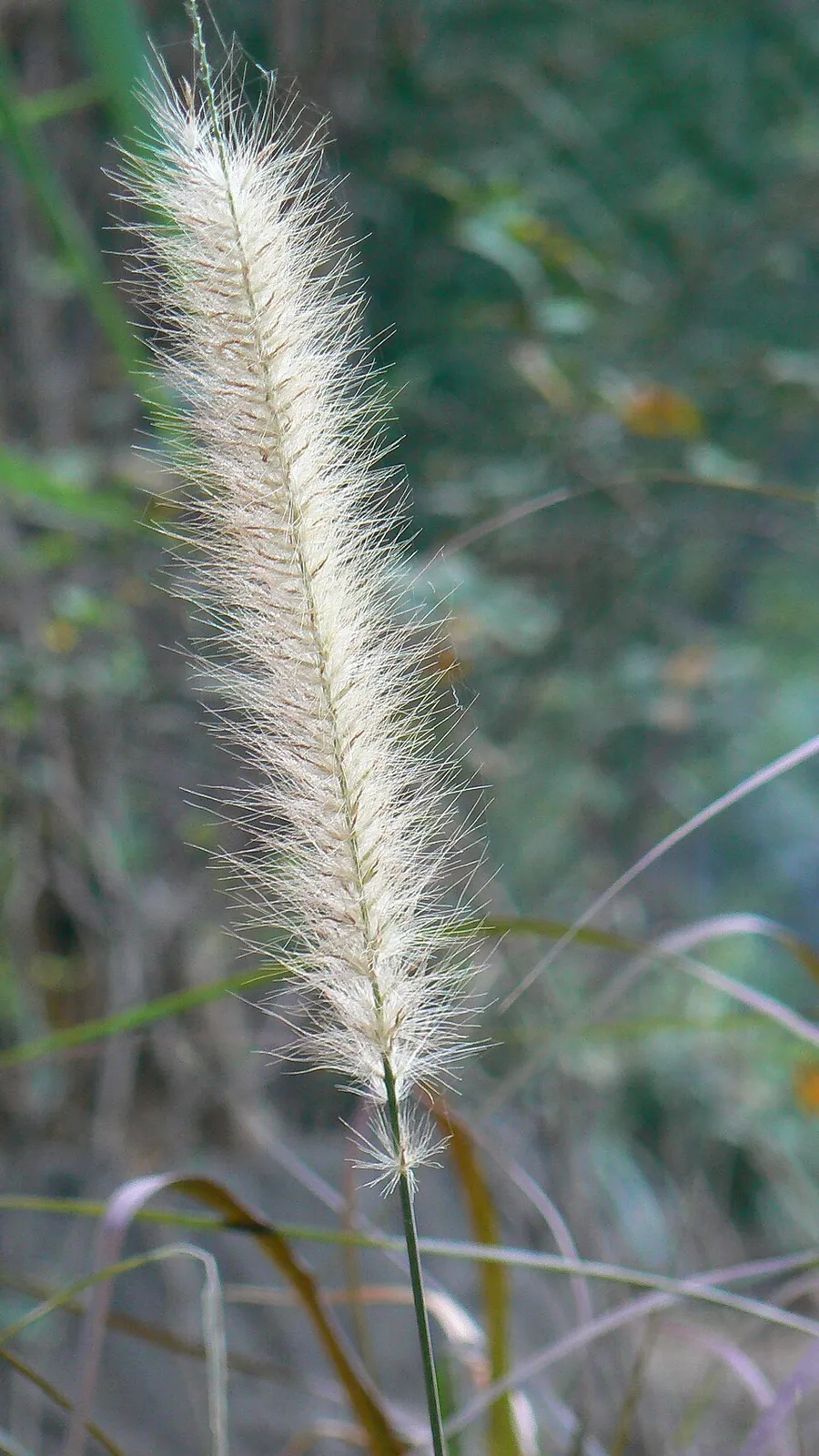
Pennisetum setaceum, commonly known as Fountain Grass, is an elegant perennial grass within the Poaceae family, native to the arid and semi-arid regions of North Africa, the Middle East, and southwestern Asia. This robust species forms dense, upright to arching clumps, typically reaching a height of 0.6 to 1.5 meters (2 to 5 feet) with an equivalent spread. Its linear, narrow leaves emerge in a vibrant green, often transitioning to striking purplish-bronze or burgundy hues in cooler temperatures or with specific cultivars, providing year-round aesthetic appeal.
The root system is fibrous and extensive, contributing to its remarkable drought tolerance and ability to stabilize soil. The most distinguishing feature of Fountain Grass is its spectacular inflorescences—soft, feathery, bottlebrush-like plumes that emerge in late summer and persist well into winter. These flower spikes, ranging in color from creamy white to pink, rose, or reddish-purple, are borne on slender, arching stems, creating a graceful, fountain-like display that gives the plant its common name.
The seeds are small and numerous, facilitating prolific reproduction, which, while beneficial for naturalization in its native range, can render it invasive in warmer, non-native climates where it readily escapes cultivation. Pennisetum setaceum thrives in full sun and well-drained soils, making it a popular choice for xeriscaping, borders, mass plantings, and container gardens globally. Its taxonomic classification places it within the genus Pennisetum, which includes many other ornamental and agricultural grasses, reflecting its adaptability and widespread presence.
Trusted Scientific References
1. Authoritative external sources for Pennisetum setaceum
1.1 Wikipedia — Pennisetum setaceum
1.2 Kew POWO (Plants of the World Online)
1.3 PubMed — peer-reviewed research
1.4 NCBI Taxonomy Browser
1.5 GBIF — Global Biodiversity
1.6Ornamental Grass Fountain should be interpreted through verified botanical identity, practical care, and responsible safety language. This recovery note adds the missing context needed for a complete profile: match light to the plant's habit, use well-drained soil, water according to season, and avoid unsupported medicinal or edible claims. For publishing, the plant can be presented as a source-backed garden plant with clear care guidance, common problem diagnosis, and conservative safety wording.
1.1.Ornamental Grass Fountain — Notable Characteristics
- ✓Botanical Name — Pennisetum setaceum (Fountain Grass).
- ✓Family — Poaceae (Grass Family).
- ✓Habitat — Native to North Africa, Middle East, and Southwest Asia.
- ✓Growth Habit — Perennial, clumping grass with arching foliage.
- ✓Distinctive Feature — Feathery, bottlebrush-like flower plumes.
- ✓Medicinal Uses — Diuretic, anti-inflammatory, antioxidant, digestive aid.
- ✓Chemical Profile — Rich in flavonoids, phenolic acids, and saponins.
- ✓Cultivation — Drought-tolerant, thrives in full sun, well-drained soil.
- ✓Environmental Concern — Can be invasive in warmer climates.
- ✓Traditional Applications — Used in folk medicine for various ailments.
1.2.Ornamental Grass Fountain — In Brief
- ✓Pennisetum setaceum is an ornamental grass with traditional medicinal uses.
- ✓Known for diuretic, anti-inflammatory, and antioxidant properties.
- ✓Contains beneficial flavonoids, phenolic acids, and saponins.
- ✓Requires full sun and well-drained soil for cultivation.
- ✓Traditionally prepared as infusions, decoctions, or topical applications.
- ✓Caution advised for allergies, pregnancy, and drug interactions.
2.Ornamental Grass Fountain — Scientific Identity
3.Ornamental Grass Fountain — Vital Statistics
4.Ornamental Grass Fountain — Botanical Description
5.Ornamental Grass Fountain — Ecological Habitat
6.Ornamental Grass Fountain — Traditional Uses
7.Ornamental Grass Fountain — Key Phytochemicals
- ✓Flavonoids — Key compounds like quercetin, luteolin, and apigenin are present, contributing significantly to the plant's antioxidant and anti-inflammatory activities through their free radical scavenging and enzyme modulation properties.
- ✓Phenolic Acids — Ferulic acid, p-coumaric acid, and caffeic acid are notable, providing robust antioxidant protection and potentially exhibiting antimicrobial and UV-protective effects within the plant.
- ✓Saponins — Specific triterpenoid saponins, such as avenacosides, are found, which are often associated with diuretic, expectorant, and adaptogenic properties in medicinal plants.
- ✓Phytosterols — Beta-sitosterol and stigmasterol are common sterols, recognized for their anti-inflammatory, cholesterol-lowering, and immune-modulating potential.
- ✓Alkaloids — While not typically a primary constituent, trace amounts of various alkaloids may be present, potentially contributing to minor analgesic or antispasmodic effects.
- ✓Polysaccharides — Complex carbohydrates, including various glucans and arabinoxylans, are involved in immunomodulatory activities and provide structural support.
- ✓Tannins — Condensed tannins and gallotannins may be present, imparting astringent properties that are beneficial for wound healing and as mild antiseptics.
- ✓Glycosides — A range of glycosidic compounds, including cyanogenic glycosides in some related species, could contribute to various biological activities, though specific Pennisetum setaceum glycosides require further study.
- ✓Essential Oils (Terpenes) — Volatile organic compounds, including monoterpenes and sesquiterpenes, may be present in small quantities, contributing to the plant's aroma and potentially exhibiting antimicrobial or insect-repellent properties.
- ✓Vitamins and Minerals — The plant contains essential micronutrients such as Vitamin K, Vitamin C, and various B vitamins, alongside minerals like potassium, magnesium, and calcium, supporting general plant and potentially animal health.
- ✓Chlorophyll — The primary photosynthetic pigment, chlorophyll, also possesses antioxidant and detoxifying properties, contributing to cellular health.
- ✓Lignans — These phenolic compounds are known for their antioxidant and phytoestrogenic activities, though their specific roles in Pennisetum setaceum are still being explored.
8.Ornamental Grass Fountain — Pharmacological Findings
- ✓Diuretic Action — Traditionally, Pennisetum setaceum extracts have been utilized to promote urine flow, aiding in the efficient removal of excess fluids and metabolic toxins from the body, thereby supporting renal and urinary tract health.
- ✓Anti-inflammatory Properties — Compounds identified within Fountain Grass, such as specific flavonoids and phenolic acids, may exert inhibitory effects on inflammatory pathways, potentially ameliorating symptoms associated with conditions like arthritis, muscular discomfort, or minor skin irritations.
- ✓Antioxidant Support — Rich in a diverse array of phenolic compounds, Pennisetum setaceum exhibits significant antioxidant activity, effectively neutralizing harmful free radicals and mitigating oxidative stress, which contributes to cellular protection and overall physiological well-being.
- ✓Digestive Aid — In certain traditional practices, preparations derived from the plant were consumed to alleviate gastrointestinal discomfort, potentially easing symptoms of indigestion, bloating, and promoting a balanced and healthy gut environment.
- ✓Skin Soothing and Healing — Topical applications of crushed leaves or extracts have been historically employed to soothe irritated skin, reduce redness, and accelerate the healing process of minor cuts, abrasions, and insect bites due to its purported antiseptic and regenerative qualities.
- ✓Antiseptic Qualities — Certain phytochemicals present in Fountain Grass may possess mild antiseptic properties, contributing to its traditional use in preventing microbial growth in minor wounds and promoting a cleaner healing environment.
- ✓Immunomodulatory Potential — Polysaccharides and other complex molecules found within Pennisetum setaceum are hypothesized to modulate immune responses, potentially enhancing the body’s natural defense mechanisms against pathogens and supporting immune balance.
- ✓Mild Analgesic Effects — Anecdotal evidence from folk medicine suggests that certain preparations may offer mild pain relief, particularly for superficial aches or discomfort associated with inflammation.
- ✓Respiratory Support — In some traditional systems, infusions or inhalations derived from the plant were used to soothe respiratory passages, potentially easing coughs and congestion by acting as a mild expectorant.
- ✓Hypoglycemic Indications — Preliminary traditional observations suggest a potential role in supporting healthy blood sugar levels, although scientific validation is required to understand any underlying mechanisms.
- ✓Cardiovascular Well-being — The presence of antioxidants and anti-inflammatory compounds may indirectly contribute to cardiovascular health by protecting vascular tissues from oxidative damage and reducing systemic inflammation.
- ✓Antimicrobial Activity — Research into various grass species indicates that Pennisetum setaceum may contain compounds with inhibitory effects against certain bacteria and fungi, supporting its traditional use in preventing infections.
8.1.Ornamental Grass Fountain — Conditions Traditionally Used For
9.Ornamental Grass Fountain — Safety & Side Effects
9.1.Ornamental Grass Fountain — Warnings
- ✓Allergic Reactions — Individuals sensitive to grasses or pollen may experience allergic symptoms such as hay fever, skin rashes, or respiratory discomfort upon contact or inhalation of pollen.
- ✓Gastrointestinal Upset — Ingesting large quantities of plant material, particularly the fibrous leaves, may lead to digestive discomfort, including bloating, gas, or mild stomach upset.
- ✓Skin Irritation — Direct contact with the plant's foliage or flower plumes, especially if sensitive, might cause mild skin irritation or dermatitis in some individuals.
- ✓Drug Interactions — While not extensively studied, theoretical interactions with diuretic medications, blood thinners, or blood sugar-lowering drugs could occur due to its proposed properties.
- ✓Pregnancy and Lactation — Due to a lack of sufficient safety data, use is generally advised against during pregnancy and lactation.
- ✓Kidney Conditions — Individuals with pre-existing kidney conditions should exercise caution and consult a healthcare professional before using Pennisetum setaceum preparations, especially those with diuretic intent.
9.2.Ornamental Grass Fountain — Risk Assessment
- ✓Consult a Professional — Always seek advice from a qualified healthcare practitioner or medical herbalist before using Pennisetum setaceum for medicinal purposes, especially if you have underlying health conditions.
- ✓Patch Test — For topical applications, perform a small patch test on the skin to check for any adverse reactions or sensitivities before widespread use.
- ✓Avoid During Pregnancy and Breastfeeding — Due to insufficient safety data, Pennisetum setaceum is not recommended for use by pregnant or lactating individuals.
- ✓Allergen Alert — Individuals with known grass pollen allergies should avoid contact with the plant to prevent allergic reactions.
- ✓Monitor Dosage — Adhere to recommended dosages; excessive intake may lead to gastrointestinal discomfort or other unforeseen effects.
- ✓Keep Out of Reach of Children — Store all plant preparations safely away from children and pets.
- ✓Invasive Plant Awareness — While not directly a safety concern for consumption, be aware of its ecological invasive potential in certain regions, which can impact local ecosystems.
10.Ornamental Grass Fountain — Preparation Methods
- ✓Herbal Infusion — Dried leaves or flower plumes can be steeped in hot water to create a tea, traditionally consumed for its diuretic or digestive benefits.
- ✓Decoction — For harder plant parts like roots or tougher stems, a decoction involves simmering the material in water for a longer period to extract active compounds, often used for stronger medicinal effects.
- ✓Tincture — A concentrated liquid extract made by soaking fresh or dried plant material in alcohol, allowing for long-term storage and precise dosing for various internal applications.
- ✓Poultice — Crushed fresh leaves or a paste made from dried, powdered material can be applied topically to the skin to soothe irritations, minor wounds, or reduce localized inflammation.
- ✓Topical Compress — An cloth soaked in a strong infusion or decoction, then applied to the affected skin area for conditions like muscle soreness or skin discomfort.
- ✓Powdered Form — Dried plant material can be finely ground into a powder, which can then be encapsulated, mixed into beverages, or incorporated into topical formulations.
- ✓Herbal Baths — Infusions of Pennisetum setaceum can be added to bathwater to provide a soothing experience, particularly for widespread skin irritations or general relaxation.
- ✓Essential Oil Extraction (Hypothetical) — While not commonly done, advanced methods might extract volatile compounds for aromatherapy or concentrated topical use, focusing on its aromatic and potential antimicrobial properties.
11.Ornamental Grass Fountain — Garden Cultivation
- ✓Site Selection — Choose a location with full sun exposure, ideally receiving at least 6-8 hours of direct sunlight daily, to ensure vigorous growth and abundant flowering.
- ✓Soil Requirements — Plant in well-drained soil; Fountain Grass tolerates a range of soil types from sandy to clay, but prefers moderately fertile, loamy soils.
- ✓Propagation — Can be propagated by seed (though often invasive) or by division of mature clumps in spring, which helps rejuvenate the plant and maintain vigor.
- ✓Watering — Once established, Pennisetum setaceum is remarkably drought-tolerant, requiring minimal supplemental irrigation; water deeply but infrequently.
- ✓Fertilization — Generally, this grass does not require heavy fertilization; a light application of a balanced slow-release fertilizer in spring can promote lush growth.
- ✓Pruning — Cut back the entire plant to about 4-6 inches above the ground in late winter or early spring before new growth emerges to maintain tidiness and encourage fresh foliage.
- ✓Pest and Disease Management — Fountain Grass is generally resistant to most pests and diseases, but monitor for common grass issues like rust or aphids, treating organically if necessary.
- ✓Invasive Potential — Be mindful of its invasive nature in warmer climates; consider sterile cultivars or manage seed production by removing spent plumes before they disperse seeds.
Reviewed by the Flora Medical Global Botanical Review Panel
Multi-disciplinary editorial group · Botany · Ethnobotany · Herbal-medicine literature
Who reviewed this: This page was checked by the Flora Medical Global Botanical Review Panel — an in-house editorial group of botany graduates, ethnobotany researchers, and horticulture practitioners who collectively maintain our 7,000+ plant encyclopedia. Meet the team.
Our 4-step verification process
1. Taxonomic verification
Scientific names and synonyms cross-checked against Kew POWO, World Flora Online, and The Plant List.
2. Phytochemical & medicinal cross-reference
Active compounds, traditional uses, and reported activities are cross-referenced with PubMed, USDA Dr. Duke's database, and peer-reviewed ethnobotanical literature.
3. Conservation & distribution check
Distribution, ecology, and conservation status confirmed against GBIF occurrence records and the IUCN Red List.
4. Editorial & safety review
Every entry passes an editorial pass for clarity, originality, and safety notices (toxicity, contraindications, dosage caveats) before publication.
Last reviewed:
Important medical disclaimer: This content is for educational and research purposes only. It is not medical advice and is not a substitute for consultation with a licensed healthcare provider. Do not use any herb to self-treat a medical condition without professional guidance.
Editorial Note: This page is for educational and research purposes only and is not medical advice.
Written by: Flora Medical Global Editorial Team
Reviewed by: Flora Medical Global Botanical Review Panel
Last Updated: June 15, 2026





Ornamental Grass Fountain — Comments & Community Reviews
Rate this plant