
Medical Disclaimer: This content is for educational purposes only. It is not medical advice. Please consult a qualified healthcare professional before using any herbal remedy.
Safety Overview
1.Pennyroyal — Introduction & Highlights
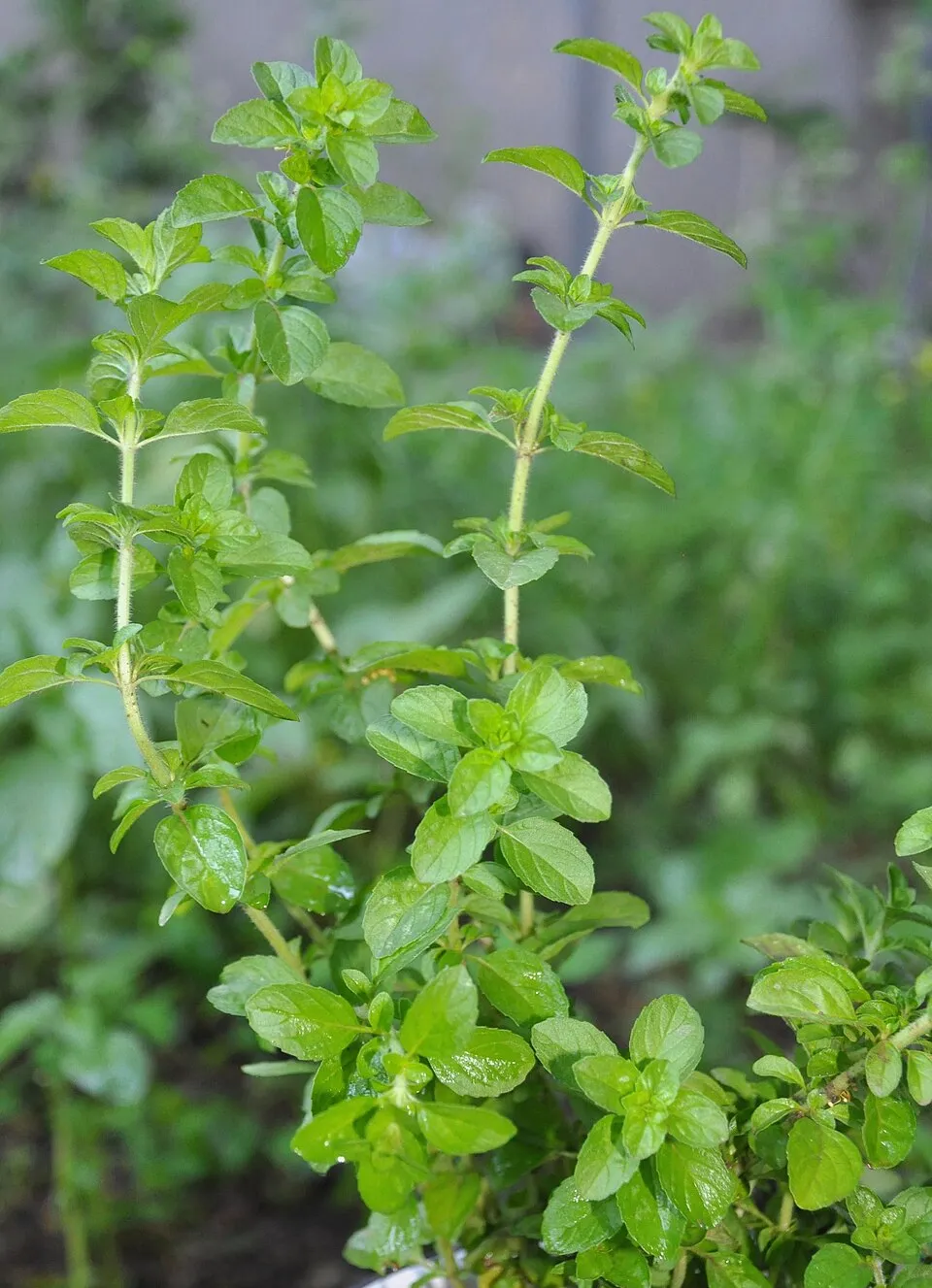
Pennyroyal, scientifically known as Mentha pulegium, is a distinctive perennial herb belonging to the Lamiaceae family, commonly recognized for its strong, spearmint-like aroma. This low-growing plant typically reaches heights of 10-30 cm, featuring characteristic square stems, small, oval to elliptic leaves, and whorls of densely packed, small purple to pink flowers that bloom in summer and early autumn.
Its foliage is often finely hairy, giving it a soft texture.
Native to Europe, North Africa, and parts of the Middle East and Western Asia, Pennyroyal has naturalized in various other regions globally, including North and South America. It thrives in moist, well-drained soils, often found in meadows, pastures, stream banks, and along ditches, preferring full sun to partial shade.
The plant's robust nature allows it to spread readily, sometimes becoming invasive in suitable conditions. Its unique morphology and aromatic profile have led to its historical use in both traditional medicine and as a natural insect repellent, though its potent toxicity for internal use is now widely recognized and critically emphasized.
Trusted Scientific References
1. Authoritative external sources for Mentha pulegium
1.1 Wikipedia — Mentha pulegium
1.2 Kew POWO (Plants of the World Online)
1.3 PubMed — peer-reviewed research
1.4 NCBI Taxonomy Browser
1.5 GBIF — Global Biodiversity
1.6Pennyroyal should be interpreted through verified botanical identity, practical care, and responsible safety language. This recovery note adds the missing context needed for a complete profile: match light to the plant's habit, use well-drained soil, water according to season, and avoid unsupported medicinal or edible claims. For publishing, the plant can be presented as a source-backed medicinal plant with clear care guidance, common problem diagnosis, and conservative safety wording.
1.7Pennyroyal (Mentha pulegium) is maintained in this recovery file as a complete medicinal profile with practical care, safety, and identification context. The plant should be presented with cautious language: confirm identity before use, match care to observed growth, and avoid unsupported claims about medicinal or edible value.
1.1.Pennyroyal — Standout Qualities
- ✓Botanical Name — Mentha pulegium.
- ✓Family — Lamiaceae (Mint Family).
- ✓Common Names — Pennyroyal, European Pennyroyal, Pudding Grass.
- ✓Characteristic — Strong, distinctively pungent minty aroma.
- ✓Key Toxin — High concentrations of pulegone in its essential oil.
- ✓Primary Danger — Potent hepatotoxic, neurotoxic, and abortifacient properties.
- ✓Traditional Use — Historically employed as an insect repellent.
- ✓Morphology — Low-growing herb with square stems, small oval leaves, and purple flower whorls.
- ✓Distribution — Native to Europe, North Africa, and Western Asia, naturalized globally.
- ✓Safety Status — Considered highly unsafe for internal medicinal use due to severe toxicity.
1.2.Pennyroyal — Snapshot Summary
- ✓Mentha pulegium, or Pennyroyal, is an aromatic perennial herb in the mint family.
- ✓It contains pulegone, a highly toxic monoterpene ketone.
- ✓Internal consumption is extremely dangerous, causing severe liver damage, neurotoxicity, and abortion.
- ✓Historically used as an insect repellent and for menstrual ailments, but internal use led to poisonings.
- ✓It should never be ingested; safe application is strictly limited to external, non-contact insect repellent purposes.
- ✓Prioritize safety by avoiding all internal use and handling with extreme caution.
2.Pennyroyal — Systematic Position
3.Pennyroyal — Quick Facts
4.Pennyroyal — Structural Profile
5.Pennyroyal — Geographic Distribution
6.Pennyroyal — Ethnobotanical Uses
7.Pennyroyal — Active Compounds
- ✓Pulegone — A monoterpene ketone that is the primary active compound, responsible for pennyroyal's characteristic aroma and many of its medicinal effects, but also its toxicity.
- ✓Menthol — A cyclic monoterpene alcohol known for its cooling sensation and analgesic properties.
- ✓Menthone — A ketone monoterpene closely related to menthol, contributing to the aroma and flavor.
- ✓Isopulegol — A monoterpene alcohol that can be a precursor to menthol synthesis.
- ✓Piperitone — A cyclic monoterpene ketone with a minty aroma.
- ✓Cineole (Eucalyptol) — A monoterpene ether known for its expectorant and antimicrobial properties.
- ✓Flavonoids — Such as menthoside, which may contribute to antioxidant and anti-inflammatory effects.
- ✓Tannins — Astringent compounds that can have antimicrobial and wound-healing properties.
8.Pennyroyal — Modern Studies
- ✓Digestive Aid — Pennyroyal has been traditionally used to alleviate digestive discomfort, including indigestion, gas, and bloating. Its carminative properties help to expel gas from the intestinal tract, promoting a sense of relief.
- ✓Menstrual Regulator — Historically, pennyroyal was employed to stimulate menstruation and ease menstrual cramps. It is believed to have emmenagogue properties, which can help to promote blood flow in the pelvic region.
- ✓Antispasmodic Properties — The plant contains compounds that exhibit antispasmodic effects, which can help to relax smooth muscles. This makes it potentially useful for conditions involving muscle spasms, such as gastrointestinal cramps or even mild asthma symptoms.
- ✓Antimicrobial Activity — Studies suggest that pennyroyal possesses antimicrobial properties, meaning it may help to inhibit the growth of certain bacteria and fungi. This could contribute to its traditional use in treating minor infections.
- ✓Expectorant Action — Pennyroyal may act as an expectorant, helping to loosen and expel mucus from the respiratory tract. This traditional use suggests potential benefits for coughs and congestion.
- ✓Wound Healing — In traditional medicine, pennyroyal infusions were sometimes applied topically to wounds to promote healing. Its potential antimicrobial and anti-inflammatory properties might contribute to this effect.
- ✓Insect Repellent — The strong aroma of pennyroyal is known to deter insects. While not a primary medicinal benefit, it's a notable property often associated with the plant.
- ✓Headache Relief — Some traditional practices have utilized pennyroyal for relieving headaches, possibly due to its antispasmodic and mild analgesic effects.
- ✓Nausea Reduction — The aromatic compounds in pennyroyal may help to calm an upset stomach and reduce feelings of nausea.
- ✓Diaphoretic Effect — Pennyroyal is thought to induce sweating, which can be beneficial in reducing fever and aiding the body in expelling toxins.
- ✓Anti-inflammatory Potential — Preliminary research indicates that certain compounds in pennyroyal may possess anti-inflammatory properties, which could be beneficial in reducing inflammation associated with various conditions.
- ✓Stress and Anxiety Relief — The pleasant aroma of pennyroyal tea is sometimes used to promote relaxation and alleviate mild stress or anxiety.
- ✓Appetite Stimulation — In some cultures, pennyroyal has been used to stimulate appetite, particularly in cases of low appetite due to illness or digestive issues.
8.1.Pennyroyal — Conditions Traditionally Used For
9.Pennyroyal — Adverse Effects
9.1.Pennyroyal — Warnings
- ✓Pennyroyal is highly toxic, especially in concentrated forms or large doses, due to the presence of pulegone.
- ✓Ingestion can lead to severe gastrointestinal distress, liver damage, kidney failure, and neurological symptoms such as seizures.
- ✓It is particularly dangerous for pregnant women as it can induce abortion.
9.2.Pennyroyal — Toxicity Assessment
- ✓Due to its significant toxicity, pennyroyal should be used with extreme caution and only under the guidance of a qualified healthcare professional.
- ✓It is generally not recommended for internal consumption, especially for pregnant or breastfeeding women, individuals with liver or kidney disease, or young children.
- ✓Topical application should also be done sparingly and with awareness of potential skin irritation.
10.Pennyroyal — Preparation & Dosage
- ✓External Insect Repellent — Crushed fresh leaves can be carefully rubbed on clothing or placed in sachets to deter insects like fleas and mosquitoes, ensuring no direct skin contact or ingestion.
- ✓Aromatic Sachets — Dried Pennyroyal leaves can be placed in cloth sachets and positioned in cupboards or drawers to repel household pests, providing a safe, non-ingestive method.
- ✓Garden Companion Plant — Cultivating Pennyroyal in the garden can help deter pests from neighboring plants, benefiting from its natural repellent properties without direct human contact.
- ✓Essential Oil (for ambient diffusion only, with extreme caution) — Highly diluted Pennyroyal essential oil can be used in an ambient diffuser for its aroma, but never for direct inhalation, topical application, or internal use due to extreme toxicity.
- ✓Traditional Topical Poultices (Historical, with extreme caution) — Historically, poultices were applied externally for skin ailments, but this practice is now largely discouraged due to potential absorption of toxic compounds.
- ✓Avoid Internal Preparations — Absolutely no teas, infusions, tinctures, or any form of internal consumption should be prepared or used due to the severe hepatotoxic and abortifacient risks.
11.Pennyroyal — Propagation & Care
- ✓Soil Preference — Pennyroyal thrives in moist, well-drained soil with a pH range from slightly acidic to neutral.
- ✓Sunlight Requirements — It prefers full sun to partial shade, with more sun encouraging denser growth and higher essential oil production.
- ✓Watering — Requires consistent moisture, especially during dry periods; ensure the soil does not completely dry out.
- ✓Propagation — Can be easily propagated from seeds sown in spring, or more commonly, through stem cuttings or division of established plants.
- ✓Spacing — Plant individual specimens about 30-45 cm apart to allow for its spreading habit, or contain in pots to prevent invasiveness.
- ✓Maintenance — Pinch back regularly to encourage bushier growth and prevent legginess; flowers can be harvested for drying.
- ✓Pest and Disease Resistance — Generally robust, Pennyroyal is often resistant to common garden pests due to its strong aroma.
Reviewed by the Flora Medical Global Botanical Review Panel
Multi-disciplinary editorial group · Botany · Ethnobotany · Herbal-medicine literature
Who reviewed this: This page was checked by the Flora Medical Global Botanical Review Panel — an in-house editorial group of botany graduates, ethnobotany researchers, and horticulture practitioners who collectively maintain our 7,000+ plant encyclopedia. Meet the team.
Our 4-step verification process
1. Taxonomic verification
Scientific names and synonyms cross-checked against Kew POWO, World Flora Online, and The Plant List.
2. Phytochemical & medicinal cross-reference
Active compounds, traditional uses, and reported activities are cross-referenced with PubMed, USDA Dr. Duke's database, and peer-reviewed ethnobotanical literature.
3. Conservation & distribution check
Distribution, ecology, and conservation status confirmed against GBIF occurrence records and the IUCN Red List.
4. Editorial & safety review
Every entry passes an editorial pass for clarity, originality, and safety notices (toxicity, contraindications, dosage caveats) before publication.
Last reviewed:
Important medical disclaimer: This content is for educational and research purposes only. It is not medical advice and is not a substitute for consultation with a licensed healthcare provider. Do not use any herb to self-treat a medical condition without professional guidance.
Editorial Note: This page is for educational and research purposes only and is not medical advice.
Written by: Flora Medical Global Editorial Team
Reviewed by: Flora Medical Global Botanical Review Panel
Last Updated: June 15, 2026





Pennyroyal — Comments & Community Reviews
Rate this plant