

Medical Disclaimer: This content is for educational purposes only. It is not medical advice. Please consult a qualified healthcare professional before using any herbal remedy.
Safety Overview
1.Pentas Red — Overview
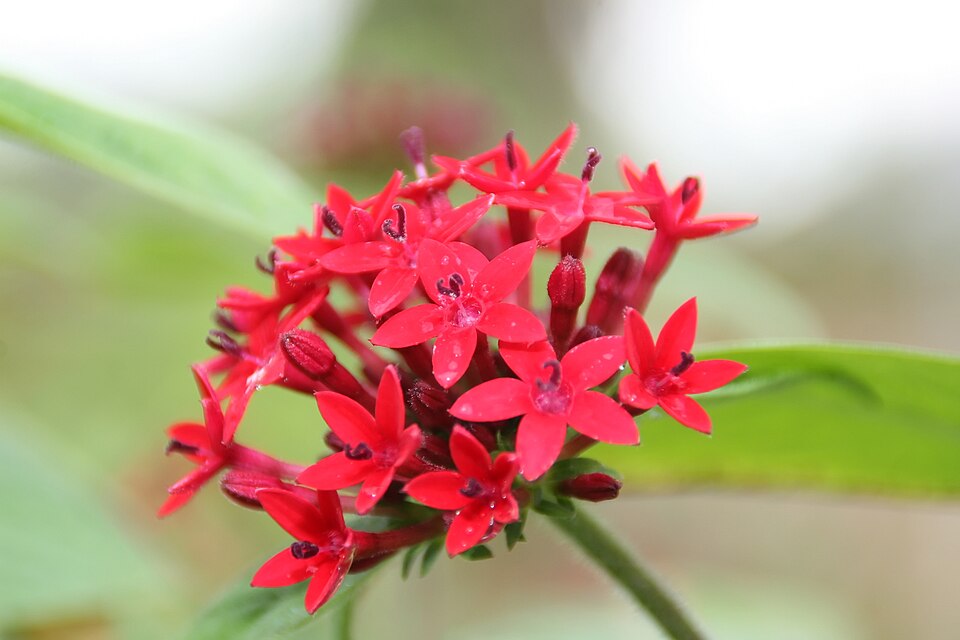
Pentas lanceolata 'Red', commonly known as Egyptian Starcluster or simply Pentas Red, is a captivating and robust perennial belonging to the Rubiaceae family. Native to tropical East Africa and Arabia, this specific cultivar is highly prized for its exceptionally vivid, intense red flower clusters. The plant typically forms a bushy, upright mound, generally reaching a height and spread of 1 to 3 feet (30 to 90 cm).
Its foliage consists of medium to dark green, lance-shaped leaves, which are often slightly hairy, providing a rich, verdant backdrop that accentuates the brilliant blooms. Each inflorescence is a dense, rounded cluster composed of numerous small, five-petaled, star-shaped florets, creating a continuous display of color from spring through fall, and often extending into winter in frost-free environments. Pentas Red is a highly adaptable plant, thriving in full sun and requiring well-drained soil conditions.
Its continuous blooming habit and low-maintenance nature make it an outstanding choice for various horticultural applications, including borders, mass plantings, containers, and as a vital component in gardens designed to attract pollinators such as butterflies and hummingbirds. While primarily cultivated for its ornamental beauty and ecological role, its robust growth habit and extended flowering period are key characteristics.
Trusted Scientific References
1. Authoritative external sources for Pentas lanceolata Red
1.1 Wikipedia — Pentas lanceolata Red
1.2 Kew POWO (Plants of the World Online)
1.3 PubMed — peer-reviewed research
1.4 NCBI Taxonomy Browser
1.5 GBIF — Global Biodiversity
1.6Pentas Red should be interpreted through verified botanical identity, practical care, and responsible safety language. This recovery note adds the missing context needed for a complete profile: match light to the plant's habit, use well-drained soil, water according to season, and avoid unsupported medicinal or edible claims. For publishing, the plant can be presented as a source-backed garden plant with clear care guidance, common problem diagnosis, and conservative safety wording.
1.1.Pentas Red — Standout Qualities
- ✓Vivid Red Blooms — Features intense, star-shaped red flowers in dense, rounded clusters.
- ✓Continuous Flowering — Provides prolific and extended blooming from spring through fall, and often into winter.
- ✓Pollinator Magnet — Highly attractive to butterflies, hummingbirds, and other beneficial insects.
- ✓Low Maintenance — Requires minimal care once established, making it suitable for various gardeners.
- ✓Drought Tolerant — Exhibits moderate drought tolerance, performing well in drier conditions.
- ✓Deer Resistant — Generally unpalatable to deer, making it a good choice for areas with deer pressure.
- ✓Versatile Use — Ideal for garden beds, borders, mass plantings, containers, and hanging baskets.
- ✓Bushy Growth Habit — Forms an upright, mounded shrub reaching 1-3 feet in height and spread.
- ✓Lush Foliage — Displays medium to dark green, lance-shaped leaves that provide a striking contrast to the red flowers.
- ✓Adaptable — Thrives in a range of well-drained soils and full sun exposure.
1.2.Pentas Red — In Brief
- ✓Vibrant red, star-shaped flowers attract butterflies and hummingbirds.
- ✓Perennial in USDA zones 10-11, typically grown as an annual elsewhere.
- ✓Low maintenance plant, thrives in full sun and well-drained soil.
- ✓Primarily valued for ornamental beauty and ecological benefits, not human medicinal uses.
- ✓Excellent choice for borders, containers, and pollinator-friendly gardens.
2.Pentas Red — Taxonomic Classification
3.Pentas Red — Quick Facts
4.Pentas Red — Morphological Account
5.Pentas Red — Geographic Distribution
6.Pentas Red — Cultural & Traditional Roles
7.Pentas Red — Active Compounds
- ✓While Pentas lanceolata 'Red' is not primarily used for medicinal purposes, it contains a range of phytochemicals common to many flowering plants and the Rubiaceae family.
- ✓Flavonoids — Includes compounds like quercetin and kaempferol derivatives, known for their potential antioxidant properties and contribution to plant pigmentation and UV protection.
- ✓Phenolic Acids — Such as caffeic acid and ferulic acid, which play roles in plant defense mechanisms, structural integrity, and general antioxidant activity in vitro.
- ✓Terpenoids — Encompassing monoterpenes and sesquiterpenes, these compounds contribute to the plant's natural fragrance and act as deterrents against herbivores and pests.
- ✓Anthocyanins — Specifically responsible for the vibrant red coloration of the flowers in the 'Red' cultivar, acting as natural pigments and possessing antioxidant capabilities.
- ✓Carotenoids — Including beta-carotene and lutein, present in the foliage, involved in photosynthesis and offering photoprotective benefits to the plant.
- ✓Alkaloids (Trace) — While not a primary constituent, many species within the Rubiaceae family contain trace amounts of various alkaloids, often involved in plant chemical defense.
- ✓Saponins — Glycosides that can exhibit surfactant properties, present in various plant tissues, potentially contributing to defense against pathogens and pests.
- ✓Lignans — Phenolic compounds that contribute to the structural support of plant cell walls and possess diverse biological activities in a broader botanical context.
- ✓Polysaccharides — Essential structural components found in cell walls, contributing to the plant's rigidity, growth, and energy storage.
8.Pentas Red — What Research Suggests
- ✓It is important to note that Pentas lanceolata 'Red' is primarily an ornamental plant and does not possess significant documented direct medicinal properties or traditional uses for human health. Its 'benefits' are largely ecological and aesthetic.
- ✓Ecological Support — Attracts a wide array of beneficial pollinators, including butterflies and hummingbirds, thereby supporting local biodiversity and ecosystem health.
- ✓Aesthetic Enhancement — The plant's vibrant red blooms contribute significantly to mental well-being and stress reduction through its role in horticultural therapy and creation of beautiful garden spaces.
- ✓Air Quality Improvement (Minor) — Like many green plants, it contributes minimally to local air purification by absorbing carbon dioxide and releasing oxygen.
- ✓Soil Stabilization (Minor) — Its fibrous root system can offer minor benefits in preventing superficial soil erosion in garden beds and sloped areas.
- ✓Bioremediation Potential (Hypothetical) — As a general plant species, it might possess a theoretical, though unstudied, capacity for phytoremediation of certain soil contaminants.
- ✓Source of Phytochemicals (Research Interest) — Contains various phytochemicals such as phenolic compounds and flavonoids, which are subjects of general scientific research for their potential applications, not direct medicinal use in Pentas lanceolata.
- ✓Habitat Provision — Offers essential nectar resources and potential shelter for various beneficial insects, enhancing the overall health and vitality of garden ecosystems.
- ✓Educational Value — Serves as an excellent living specimen for botanical studies, highlighting plant morphology, reproductive biology, and crucial plant-pollinator interactions.
8.1.Pentas Red — Therapeutic Indications
9.Pentas Red — Precautions & Warnings
9.1.Pentas Red — Side Effects & Warnings
- ✓Pentas lanceolata 'Red' is generally considered safe for ornamental use; however, some minor considerations exist.
- ✓Allergic Reactions (Rare) — Direct skin contact with plant sap might cause mild irritation or contact dermatitis in highly sensitive individuals.
- ✓Insect Pest Attraction — While attracting beneficial pollinators, it can also be susceptible to common garden pests like aphids and spider mites, which may then spread to other plants.
- ✓Mild Digestive Upset — Ingestion of large quantities of any plant material, though not toxic, can potentially cause mild stomach upset in humans or pets.
- ✓Overwatering Issues — Susceptible to root rot in poorly drained or excessively moist soil conditions, leading to plant decline.
- ✓Invasive Potential (Low) — While not typically invasive, in highly favorable tropical climates, some plants can self-seed, potentially spreading beyond intended areas.
9.2.Pentas Red — Toxicity Assessment
- ✓Pentas lanceolata 'Red' is generally considered a safe plant for most garden and household environments.
- ✓Non-Toxic — Considered non-toxic to humans, dogs, cats, and horses, making it a safe choice for gardens frequented by children and pets.
- ✓Minimal Allergenic Risk — The plant has a low potential for causing allergic reactions, with contact dermatitis being a rare occurrence for extremely sensitive individuals.
- ✓Handling Recommendations — While generally safe, it is advisable to wear gloves during extensive pruning or handling if one has known skin sensitivities.
- ✓Pest Monitoring — Regular inspection for pests like aphids and spider mites is recommended to maintain plant health and prevent widespread infestations.
- ✓Environmental Suitability — Plant in appropriate USDA hardiness zones to ensure plant health and prevent potential, albeit low, environmental stress or spread.
- ✓No Known Drug Interactions — Due to its lack of significant medicinal use or systemic absorption, there are no known drug interactions.
10.Pentas Red — How to Use
- ✓Pentas lanceolata 'Red' is predominantly used for its ornamental value and ecological benefits in various landscape designs.
- ✓Garden Borders — Planted along pathways and garden edges to create continuous lines of vibrant red color and attract pollinators.
- ✓Container Plantings — Excellent for pots, window boxes, and hanging baskets on patios, decks, and balconies, providing a concentrated burst of color.
- ✓Mass Plantings — Utilized in large groups to create a dramatic visual impact in garden beds and to establish significant pollinator feeding stations.
- ✓Pollinator Gardens — Integrated into designs specifically aimed at attracting and sustaining populations of butterflies, hummingbirds, and other beneficial insects.
- ✓Cut Flowers — Freshly cut flower clusters can be used in floral arrangements, adding a lively and long-lasting red accent to indoor decor.
- ✓Houseplant Cultivation — In cooler regions, it can be grown indoors as a houseplant in a bright, sunny location, provided consistent humidity and warmth.
- ✓Mixed Plantings — Combines beautifully with other sun-loving annuals and perennials in mixed borders, adding textural and color contrast.
- ✓Xeriscaping (Moderate) — Due to its moderate drought tolerance, it can be included in water-wise landscape designs, though it still benefits from occasional irrigation.
11.Pentas Red — Growing Guide
- ✓Site Selection — Plant Pentas lanceolata 'Red' in a location that receives full sun, ideally six or more hours of direct sunlight daily, to ensure prolific blooming.
- ✓Soil Requirements — Thrives in well-drained soil; sandy loam or loamy soil enriched with organic matter is ideal. Avoid heavy, waterlogged conditions.
- ✓Planting — Best started from rooted cuttings or purchased as nursery plants. Space plants 1 to 2 feet apart to allow for mature spread.
- ✓Watering — Provide consistent moisture, especially during dry periods and hot weather, as young plants establish. Established plants show moderate drought tolerance.
- ✓Fertilization — Fertilize regularly during the active growing season (spring through fall) with a balanced liquid fertilizer to support continuous flower production.
- ✓Pruning & Deadheading — Deadhead spent flower clusters to encourage new blooms and maintain a tidy appearance. Light pruning can promote bushier growth.
- ✓Pest and Disease Management — Monitor for common garden pests like aphids and spider mites. While generally robust, good air circulation helps prevent fungal issues.
- ✓Winter Care — In USDA Zones 10-11, it is a perennial; in cooler climates, it is grown as an annual or brought indoors as a houseplant before frost.
Reviewed by the Flora Medical Global Botanical Review Panel
Multi-disciplinary editorial group · Botany · Ethnobotany · Herbal-medicine literature
Who reviewed this: This page was checked by the Flora Medical Global Botanical Review Panel — an in-house editorial group of botany graduates, ethnobotany researchers, and horticulture practitioners who collectively maintain our 7,000+ plant encyclopedia. Meet the team.
Our 4-step verification process
1. Taxonomic verification
Scientific names and synonyms cross-checked against Kew POWO, World Flora Online, and The Plant List.
2. Phytochemical & medicinal cross-reference
Active compounds, traditional uses, and reported activities are cross-referenced with PubMed, USDA Dr. Duke's database, and peer-reviewed ethnobotanical literature.
3. Conservation & distribution check
Distribution, ecology, and conservation status confirmed against GBIF occurrence records and the IUCN Red List.
4. Editorial & safety review
Every entry passes an editorial pass for clarity, originality, and safety notices (toxicity, contraindications, dosage caveats) before publication.
Last reviewed:
Important medical disclaimer: This content is for educational and research purposes only. It is not medical advice and is not a substitute for consultation with a licensed healthcare provider. Do not use any herb to self-treat a medical condition without professional guidance.
Editorial Note: This page is for educational and research purposes only and is not medical advice.
Written by: Flora Medical Global Editorial Team
Reviewed by: Flora Medical Global Botanical Review Panel
Last Updated: June 15, 2026





Pentas Red — Comments & Community Reviews
Rate this plant