
Medical Disclaimer: This content is for educational purposes only. It is not medical advice. Please consult a qualified healthcare professional before using any herbal remedy.
Safety Overview
1.Peony Coral Charm — Essential Profile
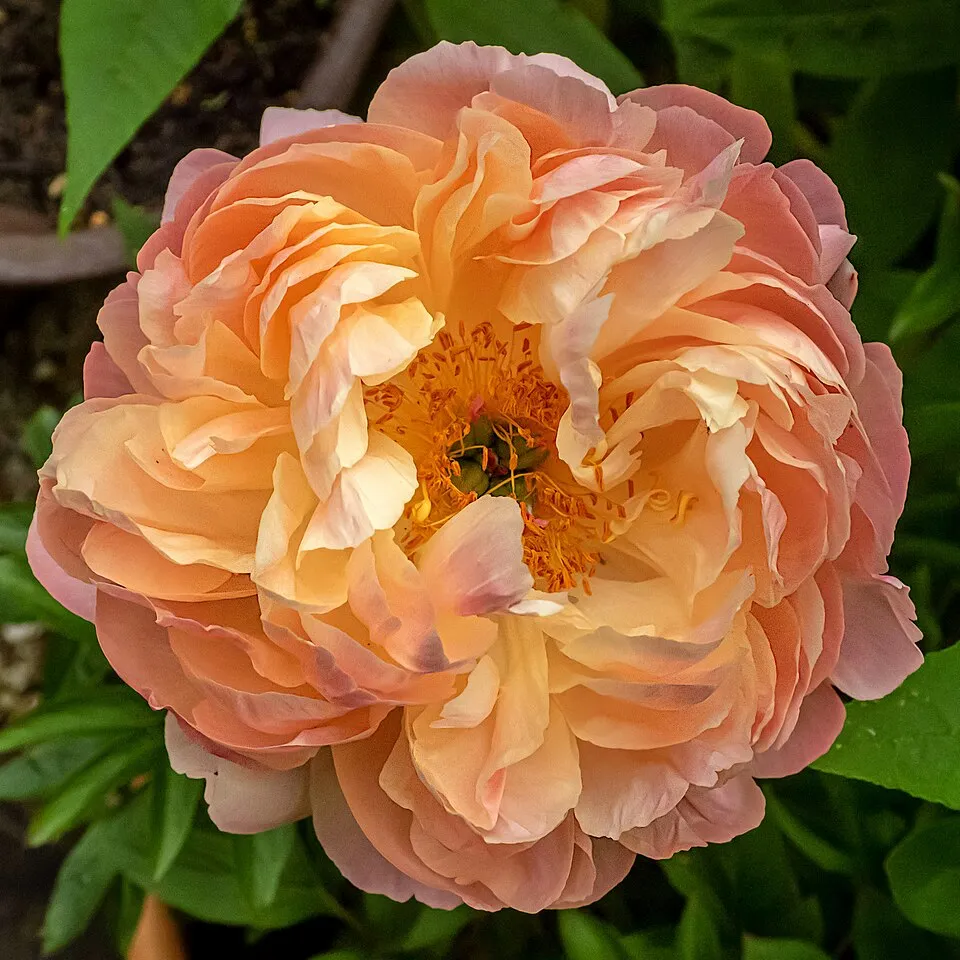
Paeonia 'Coral Charm', a celebrated cultivar within the Paeoniaceae family, is an herbaceous perennial renowned for its dynamic floral display. This garden hybrid, often simply called Peony Coral Charm, typically grows to a mature height and spread of 2-3 feet (60-90 cm), forming a robust, bushy mound. Its striking semi-double to double flowers emerge from tightly furled coral-pink buds in early to mid-season.
As the impressive 6-8 inch (15-20 cm) blooms unfurl, they undergo a captivating color transformation, starting as a vibrant salmon-coral, gradually softening to an apricot-orange, and eventually fading to a creamy yellow or near-white. This unique chromatic shift makes each plant a focal point in any landscape. The foliage consists of lush, dark green, deeply lobed leaves that provide an attractive backdrop for the flowers and remain appealing throughout the growing season, contributing to its ornamental value even after blooming concludes.
Paeonia 'Coral Charm' is a garden favorite, lauded for its strong, sturdy stems that generally do not require staking, and its vigorous growth habit. Its prestigious American Peony Society Gold Medal underscores its consistent performance and aesthetic appeal in diverse garden settings. While primarily cultivated for its ornamental beauty, like other members of the Paeonia genus, it contains a rich array of phytochemicals.
Trusted Scientific References
1. Authoritative external sources for Paeonia Coral Charm
1.1 Wikipedia — Paeonia Coral Charm
1.2 Kew POWO (Plants of the World Online)
1.3 PubMed — peer-reviewed research
1.4 NCBI Taxonomy Browser
1.5 GBIF — Global Biodiversity
1.6Peony Coral Charm should be interpreted through verified botanical identity, practical care, and responsible safety language. This recovery note adds the missing context needed for a complete profile: match light to the plant's habit, use well-drained soil, water according to season, and avoid unsupported medicinal or edible claims. For publishing, the plant can be presented as a source-backed garden plant with clear care guidance, common problem diagnosis, and conservative safety wording.
1.1.Peony Coral Charm — Highlights
- ✓Striking Color Transformation — Blooms change from coral-pink to apricot-orange, then creamy yellow.
- ✓Large, Semi — Double to Double Flowers — Impressive 6-8 inch diameter blooms.
- ✓Robust and Sturdy Stems — Typically requires no staking, maintaining an upright form.
- ✓Early to Mid — Season Bloomer — Provides vibrant color early in the peony season.
- ✓Lush, Dark Green Foliage — Attractive ornamental value throughout the growing season.
- ✓American Peony Society Gold Medal Winner — Recognized for superior garden performance.
- ✓Low Maintenance Perennial — Easy to grow once established in suitable conditions.
- ✓Contains Paeoniflorin — A key monoterpene glycoside found across the Paeonia genus.
- ✓Potential Antioxidant Properties — Due to the presence of flavonoids and phenolic acids.
- ✓Excellent Cut Flower — Long-lasting blooms are highly prized for floral arrangements.
1.2.Peony Coral Charm — At-a-Glance Summary
- ✓Paeonia 'Coral Charm' is a stunning ornamental peony known for its unique color-changing blooms.
- ✓While primarily ornamental, its genus Paeonia is rich in medicinal compounds like paeoniflorin.
- ✓Paeonia species have traditional uses in anti-inflammatory, analgesic, and anxiolytic applications.
- ✓Contains monoterpene glycosides, flavonoids, and triterpenoids contributing to its phytochemical profile.
- ✓Requires full sun and well-draining soil for optimal growth; generally low maintenance.
- ✓Safety precautions are essential, especially regarding pregnancy, lactation, and potential drug interactions.
2.Peony Coral Charm — Nomenclature & Classification
3.Peony Coral Charm — Key Data
4.Peony Coral Charm — Botanical Features
5.Peony Coral Charm — Origin & Spread
6.Peony Coral Charm — Folk Medicine Applications
7.Peony Coral Charm — Chemical Profile
- ✓Monoterpene Glycosides — Key compounds include paeoniflorin, albiflorin, oxypaeoniflorin, and benzoyloxypaeoniflorin, which are largely responsible for the anti-inflammatory, analgesic, and antispasmodic actions of Paeonia species.
- ✓Triterpenoids — Such as oleanolic acid and ursolic acid, contributing to anti-inflammatory and hepatoprotective activities.
- ✓Flavonoids — Quercetin, kaempferol, and their glycosides are present, providing significant antioxidant and anti-inflammatory benefits.
- ✓Phenolic Acids — Gallic acid, ellagic acid, and caffeic acid derivatives are found, known for their potent antioxidant and antimicrobial properties.
- ✓Tannins — These astringent compounds contribute to antioxidant activity and may offer some antimicrobial and anti-inflammatory effects.
- ✓Volatile Oils — Although in smaller quantities, some Paeonia species contain essential oils with aromatic and potentially therapeutic properties.
- ✓Steroids — Including beta-sitosterol, which may contribute to anti-inflammatory and cholesterol-lowering effects.
- ✓Polysaccharides — Found in peony roots, these complex carbohydrates can have immunomodulatory effects.
8.Peony Coral Charm — Scientific Evidence
- ✓Anti-inflammatory — While Paeonia 'Coral Charm' is not a traditional medicinal peony, extracts from related Paeonia species, particularly Paeonia lactiflora and Paeonia officinalis, contain compounds like paeoniflorin known to modulate inflammatory pathways.
- ✓Analgesic Effects — Peony root (Bai Shao or Chi Shao) from P. lactiflora and P. veitchii has been traditionally used and researched for its pain-relieving properties, acting on both central and peripheral pain mechanisms.
- ✓Antispasmodic Action — Compounds found in the Paeonia genus, such as paeoniflorin, exhibit muscle relaxant effects, potentially alleviating cramps and spasms, including menstrual discomfort.
- ✓Anxiolytic Properties — Traditional Chinese Medicine (TCM) utilizes Paeonia species for calming the spirit and reducing anxiety, supported by modern research exploring its neuroactive components.
- ✓Antioxidant Support — The rich flavonoid and phenolic content in Paeonia species contributes to significant antioxidant activity, helping to neutralize free radicals and protect cellular integrity.
- ✓Immunomodulation — Certain phytochemicals in peonies can help regulate immune responses, potentially enhancing the body's defense mechanisms or calming overactive immunity.
- ✓Cardiovascular Health — Studies suggest that peony compounds may support cardiovascular function by improving blood circulation, reducing platelet aggregation, and protecting against oxidative stress in blood vessels.
- ✓Hepatic Protection — Extracts of Paeonia species have shown hepatoprotective qualities, assisting in liver detoxification processes and protecting against damage from toxins.
- ✓Neuroprotective Effects — Research indicates that peony constituents may offer protection to neuronal cells, potentially benefiting cognitive function and mitigating neurodegenerative processes.
- ✓Menstrual Cycle Regulation — In traditional medicine systems like TCM, peony root is a key herb for balancing female hormones and alleviating symptoms associated with irregular menstruation and dysmenorrhea.
- ✓Gastrointestinal Support — Peony has been used traditionally to soothe digestive discomfort and regulate bowel function, attributed to its anti-inflammatory and antispasmodic effects.
- ✓Skin Health — The antioxidant and anti-inflammatory properties of peony extracts are explored for their potential in dermatological applications, helping to calm irritated skin and improve complexion.
8.1.Peony Coral Charm — Therapeutic Indications
9.Peony Coral Charm — Cautions & Contraindications
9.1.Peony Coral Charm — Side Effects & Warnings
- ✓Gastrointestinal Upset — Some individuals may experience mild stomach discomfort, nausea, or diarrhea, particularly with higher doses of Paeonia preparations.
- ✓Allergic Reactions — Skin rashes, itching, or more severe allergic responses are possible in sensitive individuals.
- ✓Drug Interactions — Paeonia may interact with anticoagulant medications, potentially increasing bleeding risk, and could affect blood pressure medications or sedatives.
- ✓Hypotension — In rare cases, peony extracts might cause a drop in blood pressure, especially in individuals prone to hypotension.
- ✓Sedation — Due to its anxiolytic properties, excessive consumption could lead to drowsiness or sedation.
- ✓Liver Enzyme Elevation — Though rare, some studies suggest a potential for elevated liver enzymes with prolonged high-dose use of certain Paeonia extracts.
9.2.Peony Coral Charm — Toxicity Assessment
- ✓Pregnancy and Lactation — Paeonia preparations are generally contraindicated during pregnancy and lactation due due to insufficient safety data and potential uterine stimulant effects.
- ✓Children — Use in children should be approached with caution and under professional guidance due to limited safety research.
- ✓Pre-existing Conditions — Individuals with bleeding disorders, low blood pressure, or liver conditions should consult a healthcare professional before using Paeonia.
- ✓Surgery — Discontinue use of Paeonia at least two weeks before any scheduled surgery due to potential anticoagulant effects.
- ✓Allergic History — Individuals with known allergies to plants in the Paeoniaceae family should avoid Paeonia preparations.
- ✓Professional Guidance — Always consult a qualified medical herbalist or healthcare provider before incorporating Paeonia into a therapeutic regimen, especially if taking other medications.
10.Peony Coral Charm — Preparation Methods
- ✓Decoction (for related species) — For medicinal Paeonia roots, a traditional method involves simmering dried root pieces in water to extract active compounds, often used for internal consumption.
- ✓Tincture (for related species) — Alcohol-based extracts of Paeonia roots are prepared by steeping the plant material in a solvent for several weeks, then strained for a concentrated liquid dose.
- ✓Powdered Form (for related species) — Dried Paeonia root can be finely ground into a powder, which can then be encapsulated or mixed with liquids for consumption.
- ✓Topical Poultice (for related species) — Crushed fresh or rehydrated dried Paeonia root material can be applied directly to the skin for localized pain or inflammation relief.
- ✓Herbal Combinations (for related species) — Paeonia is frequently used in polyherbal formulations in TCM and other traditional systems to enhance therapeutic effects or mitigate side effects of other herbs.
- ✓Essential Oil Infusion (for related species) — While less common for the root, some Paeonia flowers or leaves may be used to infuse oils for aromatic or topical applications.
- ✓External Wash (for related species) — A cooled decoction of Paeonia root can be used as an external wash for skin irritations or minor wounds.
11.Peony Coral Charm — Cultivation & Care
- ✓Site Selection — Plant Peony Coral Charm in a location that receives at least 6 hours of direct sunlight daily for optimal blooming.
- ✓Soil Requirements — Ensure well-draining soil with a neutral to slightly alkaline pH. Amend heavy clay soils with organic matter to improve drainage.
- ✓Planting Depth — Crucial for peonies, ensure the 'eyes' (buds) on the root crown are no more than 1-2 inches (2.5-5 cm) below the soil surface.
- ✓Watering — Provide consistent moisture, especially during dry spells and the plant's establishment phase. Avoid overwatering to prevent root rot.
- ✓Fertilization — Feed annually in spring with a balanced slow-release fertilizer or compost, avoiding high-nitrogen formulas which can promote foliage over flowers.
- ✓Support — 'Coral Charm' typically has strong stems, but in very windy areas or with exceptionally large blooms, minimal staking may be beneficial.
- ✓Division — Peonies prefer not to be disturbed; divide only when necessary (e.g., reduced blooming) in the fall, every 10-15 years.
- ✓Winter Care — In colder climates, a layer of mulch around the base can provide extra winter protection, though mature peonies are generally very hardy.
Reviewed by the Flora Medical Global Botanical Review Panel
Multi-disciplinary editorial group · Botany · Ethnobotany · Herbal-medicine literature
Who reviewed this: This page was checked by the Flora Medical Global Botanical Review Panel — an in-house editorial group of botany graduates, ethnobotany researchers, and horticulture practitioners who collectively maintain our 7,000+ plant encyclopedia. Meet the team.
Our 4-step verification process
1. Taxonomic verification
Scientific names and synonyms cross-checked against Kew POWO, World Flora Online, and The Plant List.
2. Phytochemical & medicinal cross-reference
Active compounds, traditional uses, and reported activities are cross-referenced with PubMed, USDA Dr. Duke's database, and peer-reviewed ethnobotanical literature.
3. Conservation & distribution check
Distribution, ecology, and conservation status confirmed against GBIF occurrence records and the IUCN Red List.
4. Editorial & safety review
Every entry passes an editorial pass for clarity, originality, and safety notices (toxicity, contraindications, dosage caveats) before publication.
Last reviewed:
Important medical disclaimer: This content is for educational and research purposes only. It is not medical advice and is not a substitute for consultation with a licensed healthcare provider. Do not use any herb to self-treat a medical condition without professional guidance.
Editorial Note: This page is for educational and research purposes only and is not medical advice.
Written by: Flora Medical Global Editorial Team
Reviewed by: Flora Medical Global Botanical Review Panel
Last Updated: June 15, 2026





Peony Coral Charm — Comments & Community Reviews
Rate this plant