

Medical Disclaimer: This content is for educational purposes only. It is not medical advice. Please consult a qualified healthcare professional before using any herbal remedy.
Safety Overview
1.Peperomia Caperata Rosso — Botanical Snapshot
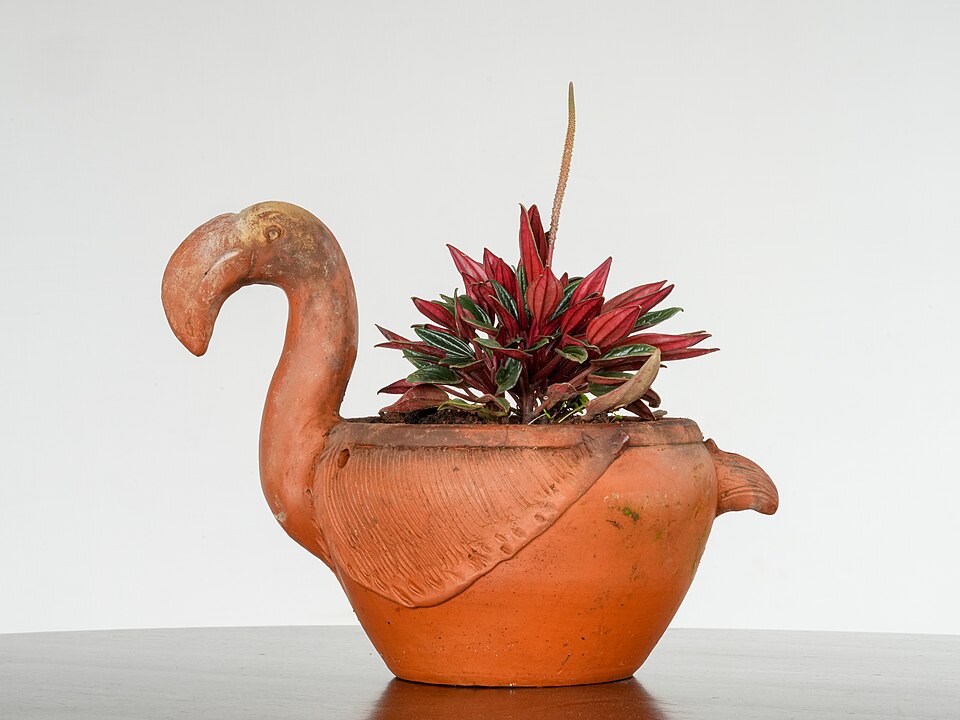
Peperomia caperata 'Rosso' is a captivating cultivar renowned for its striking ornamental appeal, typically growing to a compact height of 15 to 30 centimeters (6 to 12 inches) and a similar width. This cultivar is distinguished by its deeply corrugated, heart-shaped leaves, which measure approximately 5 to 10 centimeters (2 to 4 inches) in length. The adaxial surface of these fleshy, almost succulent leaves presents a rich, dark green hue, often with silver or metallic undertones along the prominent veins, creating a captivating texture.
In stark contrast, the abaxial surface displays a vibrant red-burgundy coloration, offering a dynamic visual effect. While primarily valued for its foliage, Peperomia 'Rosso' occasionally produces slender, greenish-white spike-like inflorescences that emerge upright from the central rosette. As a member of the Piperaceae family, Peperomia species are native to the shaded, humid understories of tropical South America, particularly Brazil.
This plant’s classification within Piperaceae places it alongside the genus Piper, yet it is distinct due to its characteristic fleshy leaves and more compact growth habit. Peperomia caperata 'Rosso' thrives as an indoor plant, flourishing under moderate to bright indirect light, which is crucial for maintaining its brilliant leaf coloration and unique morphological features.
Trusted Scientific References
1. Authoritative external sources for Peperomia caperata Rosso
1.1 Wikipedia — Peperomia caperata Rosso
1.2 Kew POWO (Plants of the World Online)
1.3 PubMed — peer-reviewed research
1.4 NCBI Taxonomy Browser
1.5 GBIF — Global Biodiversity
1.6Peperomia Caperata Rosso should be interpreted through verified botanical identity, practical care, and responsible safety language. This recovery note adds the missing context needed for a complete profile: match light to the plant's habit, use well-drained soil, water according to season, and avoid unsupported medicinal or edible claims. For publishing, the plant can be presented as a source-backed indoor plant with clear care guidance, common problem diagnosis, and conservative safety wording.
1.1.Peperomia Caperata Rosso — Highlights
- ✓Distinctive Foliage — Heart-shaped, deeply corrugated leaves with dark green tops and striking red-burgundy undersides.
- ✓Compact Growth Habit — Typically reaches 15-30 cm (6-12 inches) in height, ideal for indoor spaces and tabletops.
- ✓Ornamental Appeal — Highly prized for its vibrant colors and unique leaf texture, making it a popular houseplant.
- ✓Tropical Origins — Native to the understories of South American rainforests, thriving in warm, humid conditions.
- ✓Easy to Care For — Considered a relatively low-maintenance houseplant suitable for beginners and experienced growers.
- ✓Air Purifying Qualities — Contributes to improved indoor air quality, similar to other common houseplants through passive filtration.
- ✓Biophilic Benefits — Enhances mental well-being, reduces stress, and improves concentration in indoor environments.
- ✓Piperaceae Family Member — Related to pepper plants, sharing some botanical characteristics and phytochemical profiles.
- ✓Succulent — like Leaves — Fleshy leaves store water, allowing for slightly less frequent watering compared to other foliage plants.
- ✓Non — showy Flowers — Produces slender, greenish-white spike-like inflorescences, primarily valued for its attractive foliage.
1.2.Peperomia Caperata Rosso — Snapshot Summary
- ✓Peperomia caperata 'Rosso' is a striking ornamental houseplant known for its vibrant, corrugated red and green foliage.
- ✓Belongs to the Piperaceae family, originating from tropical South America.
- ✓Traditionally, other Peperomia species have been used for anti-inflammatory, digestive, and diuretic purposes.
- ✓Contains potential bioactive compounds like flavonoids and terpenoids, contributing to its folk medicine uses.
- ✓Requires bright, indirect light, well-draining soil, and moderate humidity for optimal growth.
- ✓Primarily valued for its aesthetic appeal and potential to enhance indoor air quality and well-being.
2.Peperomia Caperata Rosso — Nomenclature & Classification
3.Peperomia Caperata Rosso — Vital Statistics
4.Peperomia Caperata Rosso — Botanical Features
5.Peperomia Caperata Rosso — Origin & Spread
6.Peperomia Caperata Rosso — Traditional Uses
7.Peperomia Caperata Rosso — Chemical Profile
- ✓Flavonoids — Key compounds like quercetin and kaempferol derivatives are present, known for their potent antioxidant and anti-inflammatory properties.
- ✓Alkaloids — Peperomins and other nitrogenous compounds may contribute to various pharmacological activities, including potential analgesic or anti-inflammatory effects observed in related species.
- ✓Terpenoids — Monoterpenes and sesquiterpenes, such as caryophyllene, are often found in volatile oils, contributing to the plant's aroma and potential antimicrobial or anti-inflammatory actions.
- ✓Phenolic Acids — Compounds like caffeic acid and ferulic acid are significant for their robust antioxidant capacity and protective effects against oxidative stress.
- ✓Lignans — Cubebin and sauchinone, plant secondary metabolites, have reported anti-inflammatory, antioxidant, and sometimes antiviral properties in related species.
- ✓Volatile Oils — Aromatic compounds, unique to the Piperaceae family, contribute to the plant's defense mechanisms and are linked to traditional medicinal uses, often with antimicrobial effects.
- ✓Fatty Acids — Essential components of plant cell membranes, such as oleic acid and linoleic acid, support overall plant health and potentially offer nutritional benefits.
- ✓Polysaccharides — Complex carbohydrates that can possess immunomodulatory properties, supporting the body's natural defense mechanisms.
- ✓Sterols — Beta-sitosterol and other plant sterols are often associated with anti-inflammatory effects and, in some species, cholesterol-lowering properties.
- ✓Glycosides — Various forms where a sugar molecule is bonded to a non-sugar component, often influencing bioavailability and specific biological activities within the plant.
8.Peperomia Caperata Rosso — Scientific Evidence
- ✓Anti-inflammatory Support — Traditional applications of various Peperomia species suggest potential for soothing minor skin irritations and reducing localized swelling.
- ✓Digestive Aid — In folk medicine, certain Peperomia preparations have historically been used to alleviate mild gastrointestinal discomfort and promote healthy digestion.
- ✓Diuretic Properties — Some Peperomia species were traditionally employed to encourage increased urine output, potentially assisting in fluid balance and detoxification.
- ✓Antioxidant Potential — While specific studies on 'Rosso' are limited, many plants in the Piperaceae family contain compounds with free-radical scavenging abilities, contributing to cellular protection.
- ✓Antimicrobial Activity — Exploratory research on diverse Peperomia species indicates potential inhibitory effects against certain bacteria and fungi, supporting traditional use for minor infections.
- ✓Respiratory Comfort — Folkloric accounts describe the use of some Peperomia species to ease minor respiratory complaints, possibly due to mucolytic or expectorant-like actions.
- ✓Stress Reduction & Mood Enhancement — The presence of indoor plants like Peperomia caperata 'Rosso' is linked to improved psychological well-being, reduced stress, and enhanced concentration through biophilic effects.
- ✓Air Purification Enhancement — Though direct studies on 'Rosso' are limited, many houseplants, including Peperomia species, are believed to contribute to improved indoor air quality by absorbing common volatile organic compounds (VOCs).
- ✓Wound Healing Support — Traditional poultices or juices from Peperomia species have been applied topically to minor cuts and abrasions, promoting natural healing processes.
- ✓Pain Relief (Topical) — Anecdotal evidence from traditional practices suggests local application of Peperomia extracts might offer mild analgesic effects for superficial discomfort.
- ✓Immune System Modulator — Some plant species contain compounds that can subtly influence immune responses, and this is an area of ongoing general botanical research for various Peperomia.
- ✓Nutritional Micronutrients — Although not a primary food source, many plants contain trace minerals and vitamins, which could be present in Peperomia, contributing to general health.
8.1.Peperomia Caperata Rosso — Health Applications
9.Peperomia Caperata Rosso — Cautions & Contraindications
9.1.Peperomia Caperata Rosso — Caution Notes
- ✓Allergic Reactions — Individuals sensitive to plants in the Piperaceae family may experience skin irritation upon contact or mild allergic symptoms if ingested.
- ✓Gastrointestinal Upset — Ingestion of large quantities, though not recommended, could potentially lead to mild digestive discomfort like nausea or stomach upset.
- ✓Dermatitis — Direct handling of the plant sap, particularly by individuals with sensitive skin, might cause minor skin irritation or contact dermatitis.
- ✓Toxicity Concerns — While Peperomia species are generally considered non-toxic to humans and pets, ingestion of any ornamental plant in significant amounts is not advised and could cause mild symptoms.
- ✓Interaction with Medications — Hypothetically, if consumed medicinally, certain compounds could interact with diuretics or blood thinners, though this is speculative for P. 'Rosso' and lacks direct evidence.
- ✓Oral Irritation — Chewing or ingesting parts of the plant could cause mild irritation to the mouth or throat due due to certain plant compounds.
- ✓Root Rot — Overwatering can lead to root rot, a common problem for this plant, causing wilting and eventual plant death.
9.2.Peperomia Caperata Rosso — Clinical Safety Notes
- ✓Ornamental Use Only — Peperomia caperata 'Rosso' is primarily cultivated as an ornamental plant and is not recommended for internal medicinal use without expert guidance.
- ✓Consult Healthcare Professional — Before considering any traditional medicinal application of Peperomia, it is crucial to consult a qualified medical herbalist or healthcare provider.
- ✓Pregnancy & Lactation — Due to insufficient data, pregnant or breastfeeding individuals should avoid any internal use of Peperomia species.
- ✓Children & Pets — Keep the plant out of reach of small children and pets to prevent accidental ingestion, despite its generally low toxicity.
- ✓Topical Patch Test — For any external application, perform a patch test on a small skin area first to check for allergic reactions or sensitivities.
- ✓Avoid Excessive Ingestion — While generally considered non-toxic, consuming large quantities of any plant material can lead to adverse effects; exercise caution.
10.Peperomia Caperata Rosso — Preparation Methods
- ✓Ornamental Display — Peperomia caperata 'Rosso' is primarily cultivated as an attractive houseplant, enhancing indoor aesthetics and contributing to biophilic design.
- ✓Topical Application (Traditional) — In traditional practices for other Peperomia species, crushed leaves or expressed juice were applied directly to minor wounds, insect bites, or skin irritations.
- ✓Infusion (Traditional) — Historically, dried leaves of some Peperomia species were steeped in hot water to create a mild tea, consumed for digestive support or as a gentle diuretic.
- ✓Poultice (Traditional) — Fresh, macerated leaves of related Peperomia species were sometimes formed into a poultice and applied externally to reduce localized swelling or discomfort.
- ✓Air Quality Enhancement — Placing the living plant in indoor environments is believed to contribute to improved air quality and foster a sense of well-being through passive interaction.
- ✓Herbal Extract (Research) — For scientific research purposes on other Peperomia species, ethanolic or aqueous extracts are prepared to isolate and study specific bioactive compounds.
- ✓Homeopathy (Traditional) — In some traditional systems, highly diluted preparations of Peperomia might be used, though this application is not directly for P. 'Rosso'.
11.Peperomia Caperata Rosso — How to Grow
- ✓Light — Provide bright, indirect light; direct sunlight can scorch the fleshy leaves and diminish the vibrant coloration of Peperomia caperata 'Rosso'.
- ✓Soil — Utilize a loose, well-draining potting mix, ideally a blend of perlite with peat moss or coconut coir, to retain moisture without becoming waterlogged.
- ✓Watering — Water thoroughly when the top 50% of the soil feels dry to the touch, ensuring any excess water drains completely from the pot to prevent root rot.
- ✓Temperature & Humidity — Maintain warm temperatures between 18-27°C (65-80°F) and moderate to high humidity (around 50%) for optimal growth, mimicking its tropical origins.
- ✓Fertilization — Feed with a balanced liquid houseplant fertilizer diluted to half strength every 2-4 weeks during the active growing season (spring to late summer); cease feeding in fall and winter.
- ✓Propagation — Easily propagate Peperomia caperata 'Rosso' from stem or leaf cuttings placed in water or moist soil, with spring and summer offering the best chances of success.
- ✓Repotting — Repot every two to three years, or when roots emerge from drainage holes, moving to a pot only one size larger with fresh potting mix to refresh nutrients and support growth.
Reviewed by the Flora Medical Global Botanical Review Panel
Multi-disciplinary editorial group · Botany · Ethnobotany · Herbal-medicine literature
Who reviewed this: This page was checked by the Flora Medical Global Botanical Review Panel — an in-house editorial group of botany graduates, ethnobotany researchers, and horticulture practitioners who collectively maintain our 7,000+ plant encyclopedia. Meet the team.
Our 4-step verification process
1. Taxonomic verification
Scientific names and synonyms cross-checked against Kew POWO, World Flora Online, and The Plant List.
2. Phytochemical & medicinal cross-reference
Active compounds, traditional uses, and reported activities are cross-referenced with PubMed, USDA Dr. Duke's database, and peer-reviewed ethnobotanical literature.
3. Conservation & distribution check
Distribution, ecology, and conservation status confirmed against GBIF occurrence records and the IUCN Red List.
4. Editorial & safety review
Every entry passes an editorial pass for clarity, originality, and safety notices (toxicity, contraindications, dosage caveats) before publication.
Last reviewed:
Important medical disclaimer: This content is for educational and research purposes only. It is not medical advice and is not a substitute for consultation with a licensed healthcare provider. Do not use any herb to self-treat a medical condition without professional guidance.
Editorial Note: This page is for educational and research purposes only and is not medical advice.
Written by: Flora Medical Global Editorial Team
Reviewed by: Flora Medical Global Botanical Review Panel
Last Updated: June 15, 2026





Peperomia Caperata Rosso — Comments & Community Reviews
Rate this plant