
Medical Disclaimer: This content is for educational purposes only. It is not medical advice. Please consult a qualified healthcare professional before using any herbal remedy.
Safety Overview
1.Peperomia Verticillata — At a Glance
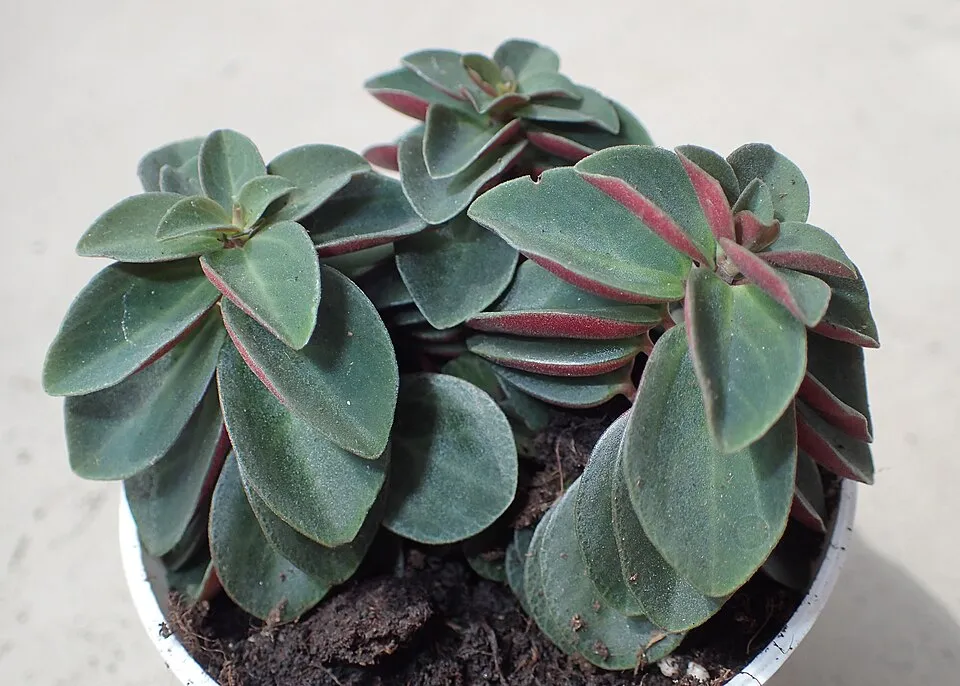
Peperomia verticillata, affectionately known as the Belly Button Peperomia, Whorled Peperomia, or Red Log Peperomia, is a captivating dwarf perennial within the diverse Piperaceae family, a lineage that also includes the economically vital black pepper. Native to the humid tropical and subtropical zones of Central and South America, this species thrives as an understory plant, often found growing terrestrially or epiphytically on decaying organic matter like logs and rocks.
This natural preference dictates its need for consistently moist, well-draining substrates and indirect, filtered light, replicating its canopy-shaded origins.
Morphologically, Peperomia verticillata typically forms a compact, bushy mound, reaching modest heights of 15 to 30 centimeters (6 to 12 inches). Its most striking features are its succulent-like stems and foliage. The stems are fleshy, often exhibiting attractive reddish or purplish tinges, and develop a smooth, slightly ridged texture with age, contributing to both structural support and efficient moisture retention.
The leaves are arranged in distinctive whorls, usually of three to five at each node, which gives rise to its 'Whorled Peperomia' common name. Individual leaves are small, measuring approximately 2.5 to 5 cm (1 to 2 inches) in length, and are orbicular to broadly ovate with a unique, deeply cupped or 'belly button' depression in the center, hence another of its common monikers. The leaf surface is typically glossy, presenting in shades from vibrant dark green to a more subdued olive, often showcasing subtle maroon undersides or a marbled variegation, especially under optimal light conditions.
Venation is typically palmate but can be inconspicuous. The root system is fibrous and shallow, perfectly adapted to absorbing moisture and nutrients from superficial organic matter. While primarily celebrated for its ornamental foliage, Peperomia verticillata produces slender, spike-like inflorescences that emerge vertically from the leaf axils, bearing numerous minute, apetalous flowers.
Trusted Scientific References
1. Authoritative external sources for Peperomia verticillata
1.1 Wikipedia — Peperomia verticillata
1.2 Kew POWO (Plants of the World Online)
1.3 PubMed — peer-reviewed research
1.4 NCBI Taxonomy Browser
1.5 GBIF — Global Biodiversity
1.1.Peperomia Verticillata — Highlights
- ✓Distinctive whorled leaf — Distinctive whorled leaf arrangement.
- ✓Deeply cupped or — Deeply cupped or 'belly button' depression in the center of each leaf.
- ✓Succulent — like, fleshy leaves for water storage.
- ✓Fleshy stems, often — Fleshy stems, often with reddish or purplish tinges.
- ✓Compact, bushy growth habit, typically reaching 15 — 30 cm in height.
- ✓Native to the — Native to the humid tropical and subtropical regions of Central and South America.
- ✓Low — maintenance and adaptable as an indoor ornamental plant.
- ✓Prefers bright, indirect light and well — draining, aerated potting mix.
- ✓Fibrous and shallow — Fibrous and shallow root system, adapted to superficial organic matter.
- ✓Produces slender, spike — like inflorescences with minute, apetalous flowers.
1.2.Peperomia Verticillata — Quick Summary
- ✓Peperomia verticillata is a popular, low-maintenance ornamental plant.
- ✓Characterized by whorled, succulent-like leaves with a unique 'belly button' depression.
- ✓Native to tropical Central and South America, preferring bright, indirect light and well-draining soil.
- ✓While specific medicinal research on P. verticillata is limited, the Peperomia genus is known for anti-inflammatory, antioxidant, and antimicrobial properties.
- ✓Generally considered non-toxic as a houseplant, but internal use for medicinal purposes lacks scientific validation and is not recommended.
- ✓Cultivation is straightforward, making it suitable for beginner plant enthusiasts.
2.Peperomia Verticillata — Nomenclature & Classification
3.Peperomia Verticillata — Fact Sheet
4.Peperomia Verticillata — Botanical Description
5.Peperomia Verticillata — Origin & Spread
6.Peperomia Verticillata — Traditional Uses
7.Peperomia Verticillata — Chemical Profile
- ✓The phytochemistry of the Peperomia genus, from which Peperomia verticillata is a member, is rich and diverse, though specific analyses for P. verticillata itself are limited. Compounds generally characteristic of the genus and the broader Piperaceae family include:
- ✓Alkaloids — Such as piperine-like compounds, which are known for anti-inflammatory, analgesic, and antimicrobial actions.
- ✓Flavonoids — A class of polyphenols, including quercetin and kaempferol derivatives, offering potent antioxidant and anti-inflammatory benefits.
- ✓Terpenoids — Encompassing monoterpenes, sesquiterpenes, and diterpenes, contributing to aroma, anti-inflammatory effects, and antimicrobial activity.
- ✓Phenylpropanoids — These compounds, like dillapiole and apiole, are often found in Piperaceae and exhibit diverse biological activities, including insecticidal and antimicrobial properties.
- ✓Peperomins — A unique group of lignan-like compounds specific to the Peperomia genus, some of which have demonstrated immunomodulatory and cytotoxic activities.
- ✓Volatile Oils — Complex mixtures of aromatic compounds that can possess antimicrobial, anti-inflammatory, and insecticidal properties.
- ✓Fatty Acids — Essential components for plant structure and signaling, some of which may contribute to plant defense mechanisms.
- ✓Polysaccharides — Complex carbohydrates that can have immunomodulatory effects and play a role in plant stress responses.
- ✓Steroids — Plant sterols, or phytosterols, which are structural components of cell membranes and can have anti-inflammatory properties.
- ✓Glycosides — Compounds where a sugar molecule is bonded to a non-sugar component, often influencing a plant's biological activity and defense.
8.Peperomia Verticillata — Evidence-Based Benefits
- ✓While specific traditional medicinal uses for Peperomia verticillata are not widely documented, the genus Peperomia and the broader Piperaceae family are recognized in various traditional medicine systems for a range of therapeutic properties. These potential benefits, largely extrapolated from related species, include:
- ✓Anti-inflammatory Support — Compounds found in other Peperomia species may help mitigate inflammatory responses in the body, potentially beneficial for conditions like arthritis or tissue damage.
- ✓Antioxidant Activity — Rich in phenolic compounds and flavonoids, the genus typically exhibits strong antioxidant properties, combating oxidative stress and cellular damage.
- ✓Antimicrobial Properties — Extracts from various Peperomia species have shown efficacy against certain bacteria and fungi, suggesting potential in fighting infections.
- ✓Analgesic Effects — Some Peperomia relatives are traditionally used for pain relief, possibly due to their ability to modulate pain pathways.
- ✓Wound Healing Acceleration — Topical application of crushed leaves from related species has been observed to aid in the healing of minor cuts and abrasions.
- ✓Digestive Aid — The Piperaceae family is well-known for species that support digestion and alleviate gastrointestinal discomfort, such as flatulence and indigestion.
- ✓Immunomodulatory Potential — Certain compounds within the genus may influence immune system function, enhancing the body's natural defenses.
- ✓Antihypertensive Properties — Research on some Peperomia species indicates a potential to help regulate blood pressure, contributing to cardiovascular health.
- ✓Antitumor Activity (In Vitro) — Early laboratory studies on extracts from related Peperomia species have shown inhibitory effects on certain cancer cell lines, warranting further investigation.
- ✓Diuretic Action — Traditional uses of some Peperomias suggest mild diuretic effects, potentially aiding in fluid balance and detoxification.
8.1.Peperomia Verticillata — Health Applications
9.Peperomia Verticillata — Safety & Side Effects
9.1.Peperomia Verticillata — Possible Adverse Reactions
- ✓As Peperomia verticillata is primarily an ornamental plant with limited specific medicinal research, potential side effects are largely extrapolated from general plant interactions or the genus. Caution is advised for any internal use.
- ✓Allergic Reactions — Sensitive individuals may experience skin irritation (contact dermatitis) or respiratory symptoms upon contact with plant sap or pollen.
- ✓Gastrointestinal Upset — Ingestion of large quantities, particularly raw, may lead to mild stomach upset, nausea, or vomiting due to plant compounds.
- ✓Hypothetical Drug Interactions — If active compounds were isolated and concentrated, they could theoretically interact with medications, though no specific interactions are known for this species.
- ✓Photosensitivity — While rare, certain plant compounds can increase skin sensitivity to sunlight in some individuals.
- ✓Misidentification Toxicity — As with all herbal preparations, the risk of misidentification with potentially toxic plants always exists if wild harvesting.
- ✓Over-consumption Effects — Excessive intake, if used medicinally, could lead to amplified effects, such as overly strong diuretic action.
9.2.Peperomia Verticillata — Toxicity Assessment
- ✓Due to the lack of specific medicinal research on Peperomia verticillata, its safety profile for therapeutic use is largely undefined. It is primarily considered safe as an ornamental plant, but caution is paramount for any internal application.
- ✓Pregnancy and Lactation — Avoid use during pregnancy and breastfeeding due to insufficient safety data.
- ✓Children — Not recommended for internal use in children; external use should be supervised with caution.
- ✓Pre-existing Conditions — Individuals with chronic health conditions should consult a healthcare professional before considering any medicinal use.
- ✓Allergies — Individuals with known allergies to plants in the Piperaceae family should avoid contact or ingestion.
- ✓Surgical Procedures — As a general herbal precaution, discontinue any potential medicinal use at least two weeks prior to scheduled surgery.
- ✓Drug Interactions — Consult a healthcare provider if taking any medications, as hypothetical interactions with plant compounds cannot be ruled out.
- ✓Pet Safety — Generally considered non-toxic to pets as an ornamental, but ingestion of large amounts might cause mild gastrointestinal upset.
10.Peperomia Verticillata — Preparation Methods
- ✓While Peperomia verticillata is primarily cultivated as an ornamental, if future research reveals specific medicinal properties, preparation methods would likely follow those established for other therapeutically active Peperomia species or general herbal practices. These could include:
- ✓Herbal Infusion — Dried leaves and stems could be steeped in hot water to create a tea, potentially for internal consumption or as a topical wash.
- ✓Decoction — For tougher plant parts, a decoction involving simmering the plant material in water might extract more potent compounds.
- ✓Tincture — An alcoholic extract could be prepared by soaking fresh or dried plant material in ethanol, providing a concentrated form for internal or external use.
- ✓Poultice — Crushed fresh leaves could be applied directly to the skin as a poultice for localized relief, such as minor irritations or wounds.
- ✓Dried Powder/Capsules — Dried and finely ground plant material could be encapsulated for convenient oral administration, ensuring consistent dosage.
- ✓Topical Oil or Ointment — Extracts might be infused into carrier oils or beeswax to create salves or ointments for dermatological applications.
- ✓Fresh Juice — Macerated fresh plant material could yield a juice, though this method is less stable and requires immediate consumption.
- ✓Vapor Inhalation — (Hypothetically, if volatile compounds were beneficial) essential oil (if extracted) could be diffused for respiratory support, though caution is advised.
11.Peperomia Verticillata — Garden Cultivation
- ✓Light — Provide bright, indirect light; direct sunlight can scorch leaves, while insufficient light dulls foliage and reduces color. Rotate regularly for even growth.
- ✓Water — Water when the top soil is almost completely dry, as its succulent-like leaves store water. Reduce frequency in colder, less active seasons.
- ✓Humidity — Appreciates average to high humidity but is not strictly essential. A pebble tray or humidifier can be used to boost ambient moisture.
- ✓Potting Mix — Use a very well-draining, well-aerated mix, such as a standard houseplant potting mix amended with perlite (up to a 1:1 ratio).
- ✓Repotting — Infrequent repotting is ideal as Peperomia verticillata has shallow roots and prefers to be somewhat rootbound. Repot only when roots emerge from drainage holes, going up just one to two pot sizes.
- ✓Fertilizer — Fertilize sparingly; a general houseplant fertilizer once a month during the active growing season (spring and summer) is sufficient. Avoid over-fertilization.
- ✓Temperature — Prefers warm temperatures, ideally between 15-26°C (59-79°F). Protect from cold drafts and temperatures below 10°C (50°F) to prevent leaf drop.
- ✓Pruning — Pinch off growing tips occasionally during the growing season to encourage a bushier, more compact growth habit. Regularly remove any dead or yellowing leaves.
Reviewed by the Flora Medical Global Botanical Review Panel
Multi-disciplinary editorial group · Botany · Ethnobotany · Herbal-medicine literature
Who reviewed this: This page was checked by the Flora Medical Global Botanical Review Panel — an in-house editorial group of botany graduates, ethnobotany researchers, and horticulture practitioners who collectively maintain our 7,000+ plant encyclopedia. Meet the team.
Our 4-step verification process
1. Taxonomic verification
Scientific names and synonyms cross-checked against Kew POWO, World Flora Online, and The Plant List.
2. Phytochemical & medicinal cross-reference
Active compounds, traditional uses, and reported activities are cross-referenced with PubMed, USDA Dr. Duke's database, and peer-reviewed ethnobotanical literature.
3. Conservation & distribution check
Distribution, ecology, and conservation status confirmed against GBIF occurrence records and the IUCN Red List.
4. Editorial & safety review
Every entry passes an editorial pass for clarity, originality, and safety notices (toxicity, contraindications, dosage caveats) before publication.
Last reviewed:
Important medical disclaimer: This content is for educational and research purposes only. It is not medical advice and is not a substitute for consultation with a licensed healthcare provider. Do not use any herb to self-treat a medical condition without professional guidance.
Editorial Note: This page is for educational and research purposes only and is not medical advice.
Written by: Flora Medical Global Editorial Team
Reviewed by: Flora Medical Global Botanical Review Panel
Last Updated: June 15, 2026





Peperomia Verticillata — Comments & Community Reviews
Rate this plant