

Medical Disclaimer: This content is for educational purposes only. It is not medical advice. Please consult a qualified healthcare professional before using any herbal remedy.
Safety Overview
1.Pereskia — Botanical Snapshot
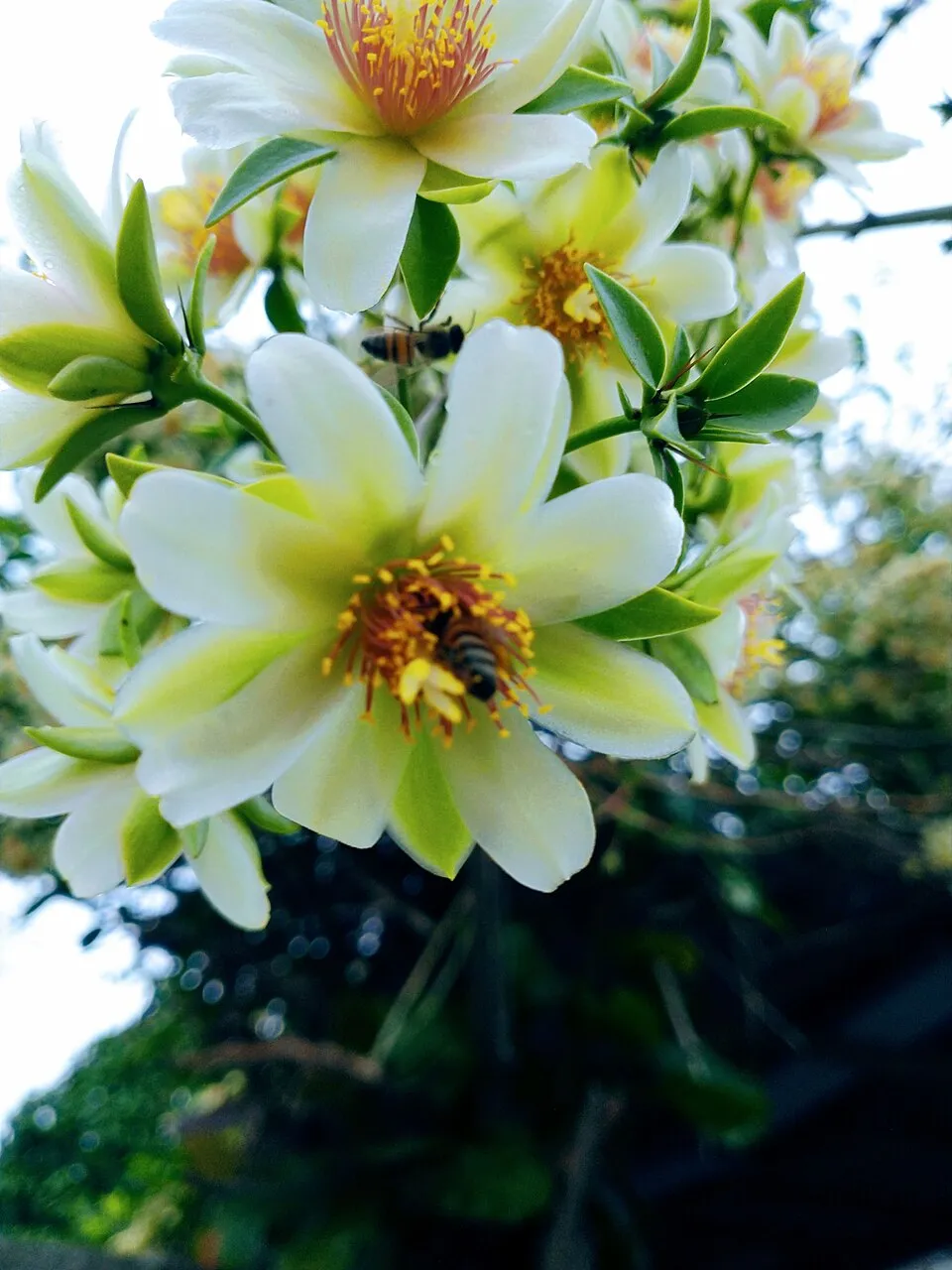
Pereskia aculeata, commonly known as the Barbados gooseberry or West India gooseberry, is a distinctive species within the Cactaceae family that remarkably retains true leaves, setting it apart from most cacti. Its morphology features broad, ovate to elliptic, leathery leaves typically measuring 5-10 cm long and 2-4 cm wide, spirally arranged along the stems and deciduous during dry spells. The stems are woody, shrub-like when young, maturing into scrambling or climbing vines that can reach up to 10 meters, often armed with clusters of three or more sharp, needle-like spines at the nodes, up to 2.5 cm long.
Fragrant, white to cream-colored flowers bloom profusely in terminal racemes or panicles, each possessing numerous petals and stamens, attracting various pollinators. The fruit is an edible, globose to ovoid berry, turning yellow to orange when ripe, resembling a gooseberry in appearance and taste, containing multiple small seeds. Native to the Caribbean, Central America, and South America, Pereskia aculeata thrives in tropical and subtropical environments, frequently found in disturbed areas, forest edges, savannas, and humid to sub-humid evergreen forests, often growing over rocks and other vegetation.
It is classified as 'Least Concern' by the IUCN but can be an aggressive invader in non-native habitats, highlighting its resilience and adaptability.
Trusted Scientific References
1. Authoritative external sources for Pereskia aculeata
1.1 Wikipedia — Pereskia aculeata
1.2 Kew POWO (Plants of the World Online)
1.3 PubMed — peer-reviewed research
1.4 NCBI Taxonomy Browser
1.5 GBIF — Global Biodiversity
1.6Pereskia should be interpreted through verified botanical identity, practical care, and responsible safety language. This recovery note adds the missing context needed for a complete profile: match light to the plant's habit, use well-drained soil, water according to season, and avoid unsupported medicinal or edible claims. For publishing, the plant can be presented as a source-backed garden plant with clear care guidance, common problem diagnosis, and conservative safety wording.
1.1.Pereskia — Distinguishing Points
- ✓Deciduous Leaves — Possesses broad, ovate, true leaves that are shed during dry periods, atypical for a cactus.
- ✓Woody, Spiny Stems — Features robust, climbing or sprawling stems armed with sharp, needle-like spines in clusters.
- ✓Fragrant White Flowers — Produces attractive, scented white to cream-colored flowers in terminal racemes.
- ✓Edible Gooseberry — like Fruit — Bears small, globose, yellow-orange berries that are sweet, edible, and resemble gooseberries.
- ✓High Nutritional Value — Leaves are a rich source of plant protein, dietary fiber, vitamins A and C, and essential minerals.
- ✓Antioxidant Rich Profile — Contains a high concentration of beneficial flavonoids and phenolic acids.
- ✓Anti — inflammatory Properties — Traditionally recognized and used for its ability to reduce swelling and pain.
- ✓Digestive Health Aid — Utilized to soothe stomach discomfort and promote healthy gastrointestinal function.
- ✓Tropical Climber/Shrub — Native to the Americas, growing as an erect shrub or a vine up to 10 meters long.
- ✓Drought — Tolerant — Exhibits resilience in dry conditions, making it an adaptable plant for various warm environments.
1.2.Pereskia — Concise Overview
- ✓Leafy Cactus — A unique Cactaceae species distinguished by its true leaves, woody stems, and sharp spines.
- ✓Edible & Nutritious — Highly valued for its protein-rich leaves and sweet, gooseberry-like edible fruits.
- ✓Traditional Remedy — Historically used in folk medicine for wound healing, inflammation, and digestive support.
- ✓Antioxidant Powerhouse — Abundant in flavonoids, phenolic acids, and vitamins, offering significant antioxidant benefits.
- ✓Versatile Cultivation — Grown as an ornamental, food source, and medicinal plant in tropical and subtropical regions.
- ✓Hardy & Adaptable — Drought-tolerant and relatively low-maintenance, thriving in well-drained soils and warm climates.
2.Pereskia — Botanical Identity
3.Pereskia — Key Data
4.Pereskia — Botanical Features
5.Pereskia — Origin & Spread
6.Pereskia — Folk Medicine Applications
7.Pereskia — Phytochemistry
- ✓Flavonoids — Quercetin, kaempferol, and myricetin are present, offering potent antioxidant, anti-inflammatory, and potential cardioprotective effects.
- ✓Phenolic Acids — Caffeic acid, gallic acid, and ferulic acid contribute significantly to the plant's robust antioxidant capacity and free radical scavenging activities.
- ✓Carotenoids — Beta-carotene, a precursor to Vitamin A, is found in the leaves and fruits, crucial for vision, immune function, and acting as a powerful antioxidant.
- ✓Ascorbic Acid — High levels of Vitamin C are present, essential for collagen synthesis, immune system support, and its well-known antioxidant properties.
- ✓Dietary Fiber — Both soluble and insoluble fibers are abundant, crucial for digestive health, blood sugar regulation, and maintaining healthy cholesterol levels.
- ✓Minerals — Significant amounts of calcium, magnesium, iron, potassium, and phosphorus are found, vital for numerous physiological processes and bone health.
- ✓Triterpenes — Compounds like ursolic acid have been identified, which exhibit anti-inflammatory, antimicrobial, and potential anti-cancer activities.
- ✓Proteins and Amino Acids — The leaves are a notable source of plant-based protein, providing essential amino acids crucial for tissue repair and metabolic functions.
- ✓Saponins — Trace amounts of saponins may be present, contributing to some anti-inflammatory and cholesterol-lowering effects.
- ✓Alkaloids — Various minor alkaloids may exist, potentially contributing to diverse pharmacological effects, though specific active compounds require further investigation.
8.Pereskia — Pharmacological Findings
- ✓Wound Healing — Topical application of leaf poultices traditionally promotes tissue regeneration, reduces inflammation, and minimizes the risk of infection in minor cuts and abrasions.
- ✓Anti-inflammatory Action — Rich in phenolic compounds, the plant helps modulate inflammatory pathways, effectively alleviating swelling and pain associated with injuries and internal inflammatory conditions.
- ✓Gastrointestinal Support — Infusions or decoctions from the leaves are consumed to soothe digestive discomfort, promote gut motility, and potentially act as a mild natural laxative due to its dietary fiber content.
- ✓Antioxidant Properties — The leaves and fruits are abundant in vitamins (especially C and A) and phenolic compounds, which collectively combat oxidative stress by neutralizing harmful free radicals in the body.
- ✓Blood Sugar Management — Preliminary research indicates potential benefits in regulating glucose levels, possibly by enhancing insulin sensitivity or reducing carbohydrate absorption, though further studies are needed.
- ✓Nutritional Enhancement — Barbados gooseberry leaves are highly nutritious, providing a significant source of plant-based protein, dietary fiber, essential vitamins, and minerals, making it a valuable superfood.
- ✓Immune System Boost — Its high concentration of Vitamin C and various antioxidants contributes to strengthening the body's natural defense mechanisms against pathogens and common illnesses.
- ✓Skin Health Improvement — Applied topically or consumed, its antioxidant and anti-inflammatory compounds can contribute to a healthier complexion, soothe skin irritations, and support overall skin vitality.
- ✓Bone Density Support — The presence of vital minerals such as calcium and magnesium contributes to maintaining strong bones and teeth, supporting skeletal health with regular consumption.
- ✓Cardiovascular Health — Antioxidants and dietary fiber may collectively help in reducing cholesterol levels and improving blood vessel function, thereby contributing to overall heart health.
8.1.Pereskia — Therapeutic Indications
9.Pereskia — Cautions & Contraindications
9.1.Pereskia — Possible Adverse Reactions
- ✓Gastrointestinal Discomfort — High consumption of raw leaves may lead to mild bloating, gas, or stomach upset in sensitive individuals.
- ✓Allergic Reactions — Although rare, some individuals may experience skin irritation or other allergic responses upon contact or ingestion.
- ✓Spine-Related Injury — The plant's sharp spines pose a physical hazard, requiring careful handling during harvesting or cultivation to avoid punctures.
- ✓Laxative Effect — Due to its high fiber content, excessive intake may induce a mild laxative effect in some people.
- ✓Potential Drug Interactions — Theoretical interactions with blood-thinning medications or antidiabetic drugs are possible, though not clinically confirmed.
- ✓Pregnancy and Lactation — Lack of sufficient research data warrants caution; pregnant or breastfeeding women should avoid therapeutic use.
9.2.Pereskia — Safety Profile
- ✓General Consumption — Considered safe for most individuals when consumed in moderate culinary quantities as part of a balanced diet.
- ✓Topical Application — Generally safe for external use; a patch test is recommended for individuals with sensitive skin to check for adverse reactions.
- ✓Pediatric Use — Use with caution in young children; consult a healthcare professional before administering therapeutic doses.
- ✓Medical Consultation — Individuals with pre-existing health conditions, particularly diabetes or bleeding disorders, should consult a physician before medicinal use.
- ✓Proper Identification — Crucial to ensure correct plant identification to avoid confusion with potentially non-edible or toxic species.
- ✓Handling Precautions — Always wear protective gloves and exercise caution when handling the plant due to its sharp, numerous spines.
- ✓Sourcing Quality — Obtain plant material from reputable and clean sources to ensure purity and prevent contamination.
10.Pereskia — Usage Guide
- ✓Fresh Leaf Consumption — Young, tender leaves can be eaten raw in salads, blended into smoothies, or cooked like spinach in various dishes.
- ✓Fruit Ingestion — Ripe yellow-orange berries are edible fresh, providing a sweet-tart flavor, and can be used in jams, jellies, or desserts.
- ✓Decoction Preparation — Boil fresh or dried leaves and stems in water to create a decoction for internal consumption, often for digestive or anti-inflammatory benefits.
- ✓Infusion (Tea) — Steep fresh or dried leaves in hot water to prepare a nutritious herbal tea, consumed for its antioxidant properties and general wellness.
- ✓Topical Poultice — Crush fresh leaves to form a paste and apply directly to minor wounds, insect bites, or swollen areas to reduce pain and aid healing.
- ✓Juices and Smoothies — Incorporate fresh leaves and fruits into healthful juices or smoothies to boost daily nutrient intake and antioxidant capacity.
- ✓Culinary Ingredient — Utilize the leaves as a leafy green vegetable in stir-fries, soups, stews, or as a protein-rich addition to various savory recipes.
- ✓Tincture Extraction — Macerate plant material in an alcohol-based solvent to create a concentrated liquid extract for controlled internal therapeutic dosing.
11.Pereskia — How to Grow
- ✓Climate — Thrives in hot, tropical to subtropical climates, tolerating both humid conditions and distinct dry seasons.
- ✓Soil — Prefers well-drained soil with a pH range of 6.0 to 7.5; sandy loams are ideal, avoiding waterlogged conditions.
- ✓Light — Grows best in full sun for compact growth, but can adapt to partial shade, which may result in larger, thinner leaves.
- ✓Watering — Drought-tolerant once established; water sparingly, allowing the soil to dry out completely between waterings to prevent root rot.
- ✓Propagation — Easily propagated from semi-hardwood stem cuttings, which root readily in moist soil or water, or by seed.
- ✓Support — As a climbing vine, it requires a sturdy trellis, fence, or other structural support to grow optimally and manage its sprawling habit.
- ✓Maintenance — Low-maintenance; prune regularly to control its size, shape, and encourage bushier growth or fruit production.
- ✓Fertilization — Benefits from a balanced, slow-release organic fertilizer applied once or twice during the active growing season.
Reviewed by the Flora Medical Global Botanical Review Panel
Multi-disciplinary editorial group · Botany · Ethnobotany · Herbal-medicine literature
Who reviewed this: This page was checked by the Flora Medical Global Botanical Review Panel — an in-house editorial group of botany graduates, ethnobotany researchers, and horticulture practitioners who collectively maintain our 7,000+ plant encyclopedia. Meet the team.
Our 4-step verification process
1. Taxonomic verification
Scientific names and synonyms cross-checked against Kew POWO, World Flora Online, and The Plant List.
2. Phytochemical & medicinal cross-reference
Active compounds, traditional uses, and reported activities are cross-referenced with PubMed, USDA Dr. Duke's database, and peer-reviewed ethnobotanical literature.
3. Conservation & distribution check
Distribution, ecology, and conservation status confirmed against GBIF occurrence records and the IUCN Red List.
4. Editorial & safety review
Every entry passes an editorial pass for clarity, originality, and safety notices (toxicity, contraindications, dosage caveats) before publication.
Last reviewed:
Important medical disclaimer: This content is for educational and research purposes only. It is not medical advice and is not a substitute for consultation with a licensed healthcare provider. Do not use any herb to self-treat a medical condition without professional guidance.
Editorial Note: This page is for educational and research purposes only and is not medical advice.
Written by: Flora Medical Global Editorial Team
Reviewed by: Flora Medical Global Botanical Review Panel
Last Updated: June 15, 2026





Pereskia — Comments & Community Reviews
Rate this plant