
Medical Disclaimer: This content is for educational purposes only. It is not medical advice. Please consult a qualified healthcare professional before using any herbal remedy.
Safety Overview
1.Petrocosmea — Introduction & Highlights
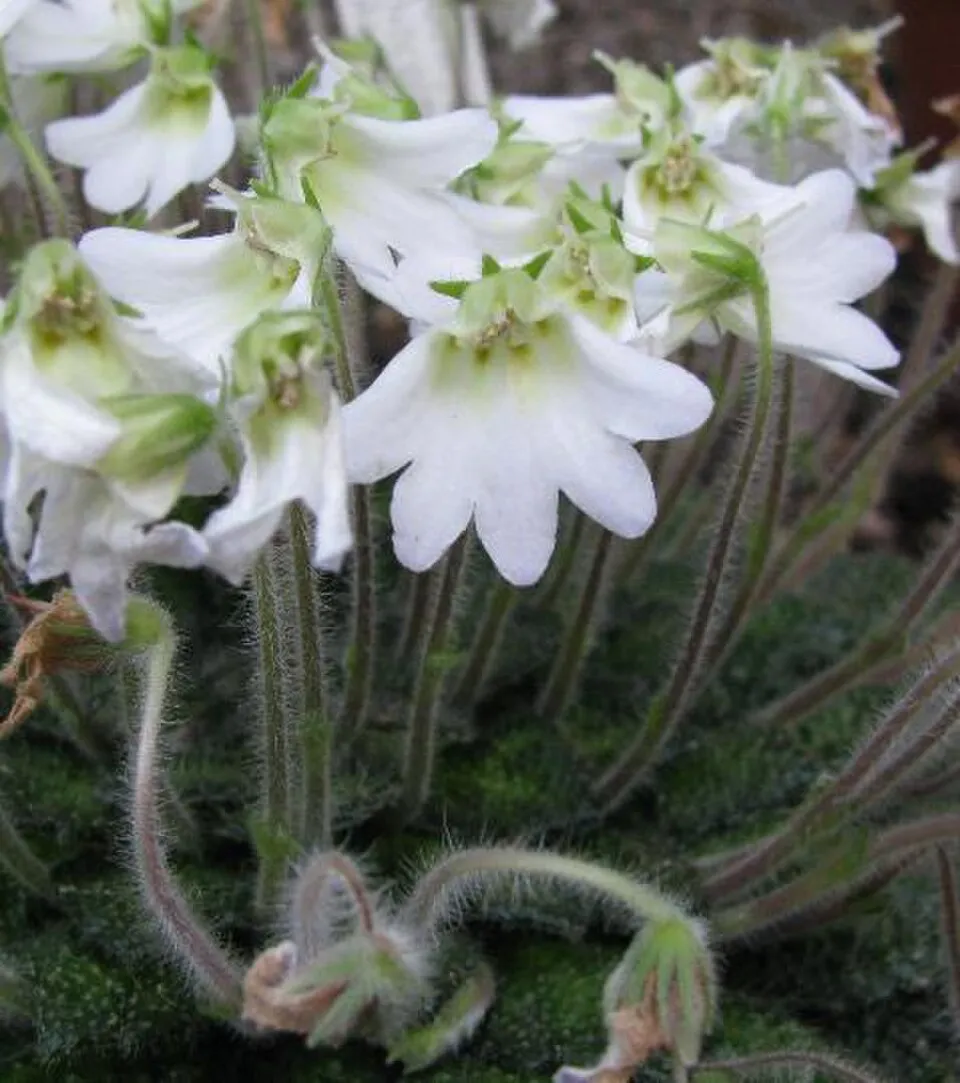
Petrocosmea rosettifolia is a distinctive perennial herbaceous plant belonging to the Gesneriaceae family, renowned for its compact, rosette-forming growth habit. This charming species is indigenous to the humid, limestone karst regions of Southeast Asia, predominantly found in Southern China and Northern Vietnam. In its natural environment, Petrocosmea rosettifolia typically thrives as an epiphyte, growing on mossy tree trunks and branches, or as a lithophyte, clinging to shaded, moist rock faces and cliffs. Its adaptation to these specific niches contributes to its unique physiological characteristics. The plant develops a dense, flat rosette of ovate to nearly orbicular leaves, usually spanning 5-10 cm in diameter. A hallmark feature is the tomentose indumentum covering the leaves, imparting a soft, velvety texture.
The foliage generally displays a deep emerald green on the upper surface, often with a slightly paler underside, and leaf margins can range from entire to subtly crenulate. Short petioles keep the leaves tightly clustered, reinforcing the compact rosette structure. During its blooming season, primarily in spring and early summer, Petrocosmea rosettifolia produces delicate, bell-shaped flowers on short scapes emerging from the rosette's center. These exquisite blooms are typically white or a soft pale lilac, frequently adorned with intricate darker purple markings or nectar guides on the lower lip. Each flower is relatively small, measuring approximately 1-1.5 cm, with usually one to three flowers opening concurrently. Petrocosmea rosettifolia's preferred habitat is characterized by high atmospheric humidity, moderate temperatures, and low to medium filtered light.
It flourishes in the moist microclimates of shaded cliff faces and limestone crevices, benefiting from consistent moisture from rainfall or seepage. The rosette morphology is a key adaptation, aiding in moisture conservation and nutrient capture in its often-nutrient-limited epiphytic or lithophytic settings. Its notable tolerance for alkaline conditions, a direct result of its limestone habitat, is also a distinguishing trait. This species exhibits a slow growth rate and demands precise environmental conditions for successful cultivation, making it a prized specimen for specialized plant enthusiasts. Trusted Scientific References Authoritative external sources for Petrocosmea rosettifolia : Wikipedia — Petrocosmea rosettifolia Kew POWO (Plants of the World Online) PubMed — peer-re ...[CURRENT TEXT EXISTS: 2564 chars]
1.1.Petrocosmea — Key Features
- ✓Rosette — forming perennial herb
- ✓Native to Southern — Native to Southern China and Northern Vietnam
- ✓Epiphytic or lithophytic — Epiphytic or lithophytic growth habit
- ✓Tomentose (fuzzy) ovate — Tomentose (fuzzy) ovate to orbicular leaves
- ✓Delicate white to pale lilac bell — shaped flowers
- ✓Prefers cool, humid, — Prefers cool, humid, filtered light conditions
- ✓Adapted to alkaline — Adapted to alkaline limestone environments
- ✓Slow growth rate — Slow growth rate
- ✓Sensitive root system — Sensitive root system
- ✓Prized ornamental houseplant — Prized ornamental houseplant
1.2.Petrocosmea — Snapshot Summary
- ✓Botanical Origin — Charming Gesneriad native to Southeast Asian limestone regions, specifically Southern China and Northern Vietnam.
- ✓Distinctive Morphology — Forms compact rosettes of soft, fuzzy leaves with delicate white to pale lilac bell-shaped flowers.
- ✓Epiphytic/Lithophytic Growth — Thrives naturally as an epiphyte or lithophyte on mossy rocks and cliffs in humid, shaded environments.
- ✓Horticultural Appeal — Highly valued as an ornamental houseplant for its unique form, attractive foliage, and tolerance for low-light conditions.
- ✓Undocumented Medicinal Uses — Specific traditional or modern medicinal applications for this species are not widely recorded or scientifically validated.
- ✓Specific Care Needs — Requires consistent high humidity, filtered indirect light, well-drained, slightly alkaline soil, and protection from temperature extremes.
2.Petrocosmea — Scientific Profile
3.Petrocosmea — Botanical Stats
4.Petrocosmea — Plant Morphology
5.Petrocosmea — Where It Grows
6.Petrocosmea — Ethnobotanical Uses
7.Petrocosmea — Active Compounds
- ✓The specific phytochemical profile of Petrocosmea rosettifolia is not extensively studied. However, based on general plant biochemistry and compounds commonly found in related Gesneriaceae species, potential constituents could include:
- ✓Flavonoids — A diverse group of polyphenols known for antioxidant, anti-inflammatory, and sometimes antiviral properties, crucial for plant defense and human health.
- ✓Phenolic Acids — Compounds like caffeic acid or chlorogenic acid derivatives, contributing to antioxidant capacity and potentially exhibiting antimicrobial effects.
- ✓Triterpenes — Often associated with anti-inflammatory, adaptogenic, and hepatoprotective activities in various plants, warranting investigation in Petrocosmea.
- ✓Saponins — Glycosides that can exhibit expectorant, anti-inflammatory, and sometimes immune-modulating effects, potentially contributing to plant defenses.
- ✓Glycosides — A broad class of compounds where a sugar molecule is attached to a non-sugar component, often responsible for various biological activities and plant signaling.
- ✓Alkaloids — Nitrogen-containing compounds with diverse and potent pharmacological actions, though generally found in lower concentrations in the Gesneriaceae family.
- ✓Polysaccharides — Complex carbohydrates that contribute to plant structure and are often recognized for their immune-supportive and prebiotic properties.
- ✓Volatile Organic Compounds (VOCs) — Responsible for plant aroma and sometimes possessing antimicrobial or insect-repellent actions, contributing to ecological interactions.
- ✓Phytosterols — Plant compounds structurally similar to cholesterol, often linked to cardiovascular health benefits and anti-inflammatory roles.
- ✓Anthocyanins — Pigments that provide the purple hues in some flowers, known for powerful antioxidant and vasoprotective properties.
- ✓Lignans — Plant compounds exhibiting antioxidant, anti-inflammatory, and phytoestrogenic properties, involved in plant defense and structural support.
- ✓Fatty Acids — Essential components of cell membranes, with some specific types possessing anti-inflammatory or skin-nourishing roles.
8.Petrocosmea — What Research Suggests
- ✓While specific traditional or modern medicinal uses for Petrocosmea rosettifolia are not widely documented, based on general plant biochemistry and properties observed in related species, potential areas of investigation or hypothetical applications could include:
- ✓Potential Antioxidant Activity — Many plants contain polyphenolic compounds that could scavenge free radicals, offering cellular protection.
- ✓Hypothetical Anti-inflammatory Effects — Plant extracts often exhibit compounds with inflammatory modulating properties, which could be explored.
- ✓Possible Antimicrobial Properties — Some plant species naturally produce secondary metabolites to deter pathogens, suggesting a potential for antimicrobial screening.
- ✓Investigational Wound Healing Support — Botanical extracts are sometimes explored for their role in skin regeneration and tissue repair.
- ✓Potential Stress Adaptogen — Certain plant compounds may hypothetically help the body adapt to various environmental or physiological stressors.
- ✓Exploring Digestive Aid Potential — Traditional herbalism often utilizes plants for their carminative or digestive comfort properties, warranting investigation.
- ✓Research into Cardiovascular Support — Some plant compounds are studied for their potential effects on blood pressure, cholesterol, or overall heart health.
- ✓Delving into Immune System Modulation — Botanical substances can sometimes influence immune responses, either stimulating or balancing them.
- ✓Examining Neuroprotective Aspects — Certain plant secondary metabolites are investigated for their potential to protect nerve cells and support brain health.
- ✓Hypothetical Analgesic Qualities — Plants are a source of many natural compounds with pain-relieving properties that could be present.
- ✓Potential for Dermatological Applications — Skin-soothing, emollient, and protective properties are common in botanicals and could be investigated.
- ✓Investigating Anti-diabetic Potential — Plant compounds are often screened for their impact on blood sugar regulation and insulin sensitivity.
8.1.Petrocosmea — Indications & Uses
9.Petrocosmea — Risk Profile
9.1.Petrocosmea — Possible Adverse Reactions
- ✓Due to the absence of documented medicinal uses and comprehensive toxicological studies for Petrocosmea rosettifolia, specific side effects in humans are not established. However, based on general botanical principles and potential sensitivities, hypothetical considerations include:
- ✓Allergic Reactions — As with many plants, individuals with sensitivities may experience skin irritation, redness, or contact dermatitis upon handling the plant material.
- ✓Gastrointestinal Upset (Hypothetical) — Ingesting unknown plant material without proper research and preparation could theoretically lead to digestive discomfort, nausea, or vomiting.
- ✓Mucosal Irritation (Hypothetical) — Ingestion of any part of the plant could potentially cause irritation to the mucous membranes of the mouth, throat, or digestive tract.
- ✓Dermatological Sensitivity — Direct contact with the plant's tomentose (fuzzy) leaves might cause mild mechanical irritation or an allergic reaction in sensitive individuals.
- ✓Unknown Interactions — The lack of research means potential interactions with prescription medications, over-the-counter drugs, or other herbal supplements are entirely unknown and should be assumed.
- ✓Toxicity Concerns — Without specific toxicological data, ingestion is strongly ill-advised due to the unknown nature and concentration of its chemical compounds.
- ✓Respiratory Sensitivity — Inhaling fine particles of dried or powdered plant material, if processed, could potentially cause respiratory irritation or allergic reactions in susceptible individuals.
9.2.Petrocosmea — Safety Overview
- ✓The safety profile of Petrocosmea rosettifolia for medicinal use is largely undocumented. The following recommendations are based on general herbal safety principles and the absence of specific research:
- ✓Lack of Human Studies — No clinical trials or extensive safety assessments have been conducted on Petrocosmea rosettifolia in humans, making its internal use highly speculative and ill-advised.
- ✓Avoid Ingestion — Given the complete absence of toxicological data, internal consumption of any part of the plant is strongly discouraged and potentially unsafe.
- ✓Pregnancy and Lactation — Contraindicated for use by pregnant or breastfeeding individuals due to unknown effects on fetal development or infant health.
- ✓Pediatric Use — Not recommended for children, infants, or toddlers due to insufficient safety information and potential for adverse reactions.
- ✓Allergic Sensitivities — Individuals with known plant allergies, especially to other Gesneriaceae, should exercise caution when handling the plant and avoid contact.
- ✓Drug Interactions — Potential interactions with prescription medications, over-the-counter drugs, or other herbal supplements are unknown and should be assumed to exist, necessitating extreme caution.
- ✓External Use Caution — While topical application is not documented, patch testing on a small area of skin is strongly advised if considering any external use to check for sensitivities.
10.Petrocosmea — Preparation & Dosage
- ✓Given the limited documentation on traditional medicinal uses of Petrocosmea rosettifolia, the following methods are hypothetical for research or exploratory purposes, rather than established therapeutic practices:
- ✓Decoction for Research — Hypothetically, dried leaves or roots could be simmered in water to create a concentrated aqueous extract suitable for preliminary phytochemical analysis or in vitro studies.
- ✓Tincture Preparation — A potential method for extracting a broader spectrum of compounds involves macerating fresh or dried plant material in an alcohol-water solution to create a concentrated liquid for laboratory investigation.
- ✓Poultice Application (Exploratory) — If topical benefits were ever investigated, fresh, crushed leaves might be considered for external application in a research context to observe skin reactions or effects.
- ✓Infusion for Bioassay — Dried aerial parts could be steeped in hot water to create an herbal infusion, which could then be used in bioassays to screen for various biological activities.
- ✓Powdered Plant Material — For standardized dosing in preclinical studies, dried Petrocosmea rosettifolia could be finely ground into a powder, encapsulated, or incorporated into test formulations.
- ✓Topical Oil Infusion — If emollient or skin-protective properties were explored, plant material might be gently infused into carrier oils (e.g., jojoba, almond) for dermatological research applications.
- ✓Hydro-alcoholic Extracts — A common laboratory method to obtain a broad spectrum of both water-soluble and alcohol-soluble compounds for comprehensive chemical and biological analysis.
11.Petrocosmea — Propagation & Care
- ✓Temperature Requirements — Thrives in cool to moderate temperatures, ideally between 10-25°C (50-77°F), with a maximum not exceeding 30°C (86°F) and a minimum above 5°C (41°F).
- ✓Humidity Management — Requires high ambient humidity; place pots on wet pebble trays or use a humidifier, but avoid misting leaves directly to prevent fungal issues.
- ✓Light Conditions — Prefers filtered, indirect light, similar to its understory habitat; direct sunlight will scorch the delicate leaves. An east or north-facing window is ideal.
- ✓Soil and Drainage — Use a light, well-draining potting mix, often a specialized African Violet blend. Adding a touch of lime or crushed shell can mimic its native alkaline limestone environment.
- ✓Watering Practices — Allow the topsoil to dry slightly between waterings to prevent root rot, which Petrocosmea is susceptible to. Ensure excellent drainage and never let the pot sit in standing water.
- ✓Fertilization Regime — Feed monthly during its active growth period (spring and summer) using a dilute, balanced liquid fertilizer formulated for African Violets. Reduce or cease fertilization in winter.
- ✓Propagation Techniques — Easily propagated from leaf cuttings, where a section of a mature leaf is placed in moist substrate, or by carefully separating offsets (suckers) that form at the base.
- ✓Repotting Considerations — Repot sparingly, typically only once every 2-3 years, and use small, shallow pots. The root system is sensitive and dislikes disturbance, so handle with care.
Reviewed by the Flora Medical Global Botanical Review Panel
Multi-disciplinary editorial group · Botany · Ethnobotany · Herbal-medicine literature
Who reviewed this: This page was checked by the Flora Medical Global Botanical Review Panel — an in-house editorial group of botany graduates, ethnobotany researchers, and horticulture practitioners who collectively maintain our 7,000+ plant encyclopedia. Meet the team.
Our 4-step verification process
1. Taxonomic verification
Scientific names and synonyms cross-checked against Kew POWO, World Flora Online, and The Plant List.
2. Phytochemical & medicinal cross-reference
Active compounds, traditional uses, and reported activities are cross-referenced with PubMed, USDA Dr. Duke's database, and peer-reviewed ethnobotanical literature.
3. Conservation & distribution check
Distribution, ecology, and conservation status confirmed against GBIF occurrence records and the IUCN Red List.
4. Editorial & safety review
Every entry passes an editorial pass for clarity, originality, and safety notices (toxicity, contraindications, dosage caveats) before publication.
Last reviewed:
Important medical disclaimer: This content is for educational and research purposes only. It is not medical advice and is not a substitute for consultation with a licensed healthcare provider. Do not use any herb to self-treat a medical condition without professional guidance.
Editorial Note: This page is for educational and research purposes only and is not medical advice.
Written by: Flora Medical Global Editorial Team
Reviewed by: Flora Medical Global Botanical Review Panel
Last Updated: June 15, 2026





Petrocosmea — Comments & Community Reviews
Rate this plant