
Medical Disclaimer: This content is for educational purposes only. It is not medical advice. Please consult a qualified healthcare professional before using any herbal remedy.
Safety Overview
1.Philodendron Burle Marx — Essential Profile
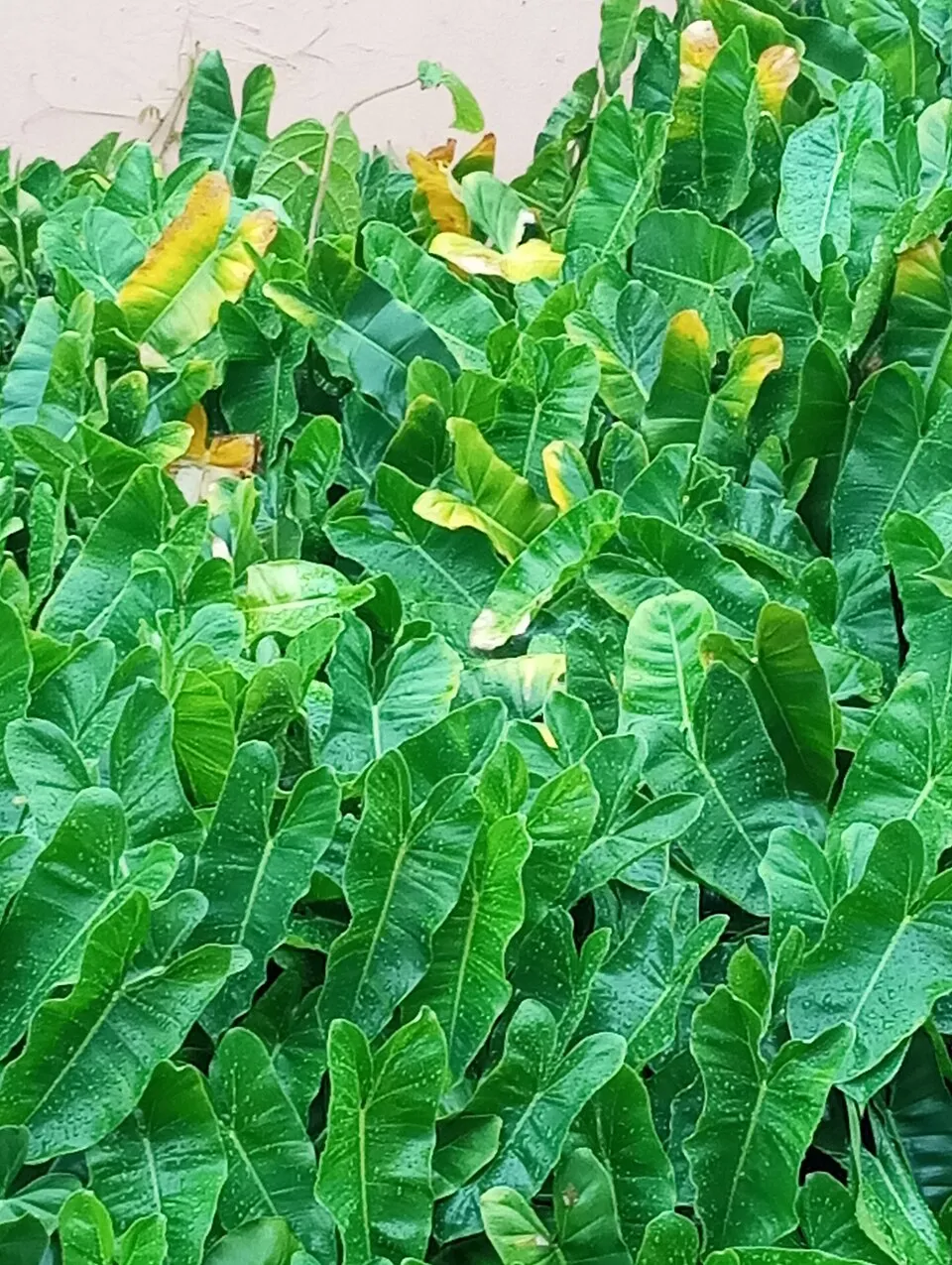
Philodendron Burle Marx, formally known as Philodendron burle-marxii, is a captivating herbaceous perennial native to the lush, humid tropical rainforests of Brazil, a vibrant region within South America. This species, belonging to the expansive Araceae family, is primarily celebrated for its distinctive ornamental foliage rather than traditional ethnobotanical applications.
Its leaves are characteristically elongated, displaying a gracefully cordate (heart-shaped) base, often with subtle undulations or slight lobing along the margins, and can mature to lengths of up to 12 inches. Emerging in a fresh, vibrant mid-green, the foliage boasts a smooth, glossy texture that effectively reflects light, significantly enhancing its aesthetic appeal in both natural and cultivated settings.
The plant typically adopts an upright to slightly sprawling growth habit, gracefully ascending from sturdy, succulent green stems that lack the bark texture common in woody plants, consistent with its herbaceous nature. In its native habitat, Philodendron burle-marxii frequently behaves as an epiphyte or hemiepiphyte, utilizing host trees for support as it climbs. When cultivated indoors, it commonly reaches heights of up to 3 feet, though it can achieve greater stature under optimal tropical conditions.
Its natural preference for bright, indirect sunlight, typical of an understory plant, translates well to indoor cultivation, making it a resilient and adaptable houseplant that thrives without demanding excessive direct light. While capable of producing inflorescences characteristic of the Araceae family—a spathe enclosing a creamy-white spadix bearing tiny flowers—these occurrences are exceedingly rare in domestic settings, as the plant's allure lies predominantly in its lush, verdant foliage. Taxonomically, Philodendron burle-marxii pays homage to Roberto Burle Marx, a renowned Brazilian landscape architect, underscoring its significant role in horticulture and design.
Trusted Scientific References
1. Authoritative external sources for Philodendron burle-marxii
1.1 Wikipedia — Philodendron burle-marxii
1.2 Kew POWO (Plants of the World Online)
1.3 PubMed — peer-reviewed research
1.4 NCBI Taxonomy Browser
1.5 GBIF — Global Biodiversity
1.1.Philodendron Burle Marx — Notable Characteristics
- ✓Scientific Name — Philodendron burle-marxii
- ✓Family — Araceae (Aroid family)
- ✓Native Region — Tropical rainforests of Brazil, South America
- ✓Growth Habit — Herbaceous perennial, often epiphytic or hemiepiphytic
- ✓Foliage — Distinctive elongated, cordate, glossy mid-green leaves
- ✓Stems — Sturdy, succulent green stems, no discernible bark
- ✓Toxicity — Contains calcium oxalate crystals, toxic if ingested by humans or pets
- ✓Primary Use — Highly valued ornamental houseplant and ground cover in warm zones
- ✓Light Preference — Thrives in bright, indirect sunlight; avoids direct sun
- ✓Care Level — Considered low to medium maintenance, adaptable indoors
1.2.Philodendron Burle Marx — Quick Summary
- ✓Philodendron Burle Marx is a vibrant, ornamental Brazilian native.
- ✓Known for its glossy, elongated, heart-shaped green leaves.
- ✓A low-maintenance houseplant thriving in bright, indirect light.
- ✓Contains toxic calcium oxalate crystals; never for ingestion.
- ✓Valued for its aesthetic appeal and indirect air quality benefits.
- ✓Named in honor of renowned landscape architect Roberto Burle Marx.
2.Philodendron Burle Marx — Botanical Identity
3.Philodendron Burle Marx — Fact Sheet
4.Philodendron Burle Marx — Physical Description
5.Philodendron Burle Marx — Native Range & Habitat
6.Philodendron Burle Marx — Traditional Uses
7.Philodendron Burle Marx — Key Phytochemicals
- ✓Calcium Oxalate Crystals — Present throughout the plant in the form of insoluble raphides, these microscopic needle-like crystals are the primary irritant responsible for the plant's toxicity upon ingestion or contact.
- ✓Chlorophylls (a and b) — The dominant photosynthetic pigments found in the leaves, responsible for the plant's vibrant green coloration and energy production.
- ✓Carotenoids — Accessory pigments present in the foliage, contributing to light absorption and offering some antioxidant properties within the plant's cellular structure.
- ✓Flavonoids — General class of phenolic compounds often found in plant tissues, potentially offering antioxidant activity, though specific bioactivity in Philodendron burle-marxii for human benefit is unstudied.
- ✓Terpenoids — Various volatile organic compounds that may contribute to plant defense mechanisms or aroma, present in many plant species but not specifically isolated for medicinal action in this Philodendron.
- ✓Polysaccharides — Structural carbohydrates like cellulose and hemicellulose form the plant's cell walls, providing rigidity and support.
- ✓Proteins and Amino Acids — Essential building blocks for cellular function, metabolism, and growth, present in all living plant tissues.
- ✓Anthocyanins — While not prominent in this species' green leaves, some Philodendrons may exhibit red or purple hues due to these water-soluble pigments, which can act as antioxidants.
8.Philodendron Burle Marx — Evidence-Based Benefits
- ✓Ornamental Value — Primarily valued for its striking aesthetic appeal, enhancing indoor and outdoor environments.
- ✓Air Quality Enhancement — Like many houseplants, it can contribute minimally to filtering indoor air pollutants, though effects are often localized.
- ✓Psychological Well-being — The presence of living plants, including Philodendron Burle Marx, has been linked to reduced stress and improved mood through biophilic principles.
- ✓Humidity Increase — As a tropical plant, it contributes to local humidity levels through transpiration, which can be beneficial in dry indoor climates.
- ✓Educational Specimen — Serves as an excellent botanical example for studying plant morphology, adaptation, and tropical flora.
- ✓Ground Cover Potential — In appropriate warm climates (USDA zones 9b-11), it can be effectively used as an attractive, low-maintenance ground cover.
- ✓Climbing Plant — Its natural climbing habit allows for versatile decorative uses, such as training on moss poles or trellises to create vertical interest.
- ✓Low Maintenance — Considered an easy-care plant, making it accessible for novice and experienced plant enthusiasts alike.
- ✓Not for Medicinal Use — It is crucial to note that Philodendron burle-marxii has no known traditional or scientifically validated medicinal benefits for internal consumption; its primary role is ornamental.
8.1.Philodendron Burle Marx — Indications & Uses
9.Philodendron Burle Marx — Cautions & Contraindications
9.1.Philodendron Burle Marx — Warnings
- ✓Oral Irritation — Ingestion of any part of Philodendron burle-marxii causes immediate and intense burning, swelling, and irritation of the mouth, tongue, and throat due to insoluble calcium oxalate crystals.
- ✓Gastrointestinal Distress — Swallowing plant material can lead to symptoms such as nausea, vomiting, abdominal pain, and diarrhea.
- ✓Skin Irritation — Direct contact with the plant's sap can cause localized skin redness, itching, and irritation, particularly in individuals with sensitive skin.
- ✓Eye Irritation — Accidental contact of plant sap with the eyes may result in pain, redness, swelling, and temporary blurry vision.
- ✓Respiratory Difficulty — In severe cases of ingestion, significant swelling of the oral cavity and throat can potentially lead to difficulty breathing.
- ✓Pet Toxicity — Highly toxic to common household pets like cats and dogs, causing similar severe oral and gastrointestinal symptoms upon ingestion.
9.2.Philodendron Burle Marx — Safety Profile
- ✓Not for Internal Use — Philodendron burle-marxii is strictly an ornamental plant and is not safe for ingestion by humans or animals under any circumstances.
- ✓Keep Out of Reach of Children and Pets — Position the plant in elevated or otherwise inaccessible locations to prevent accidental contact or consumption by young children and household pets.
- ✓Handle with Care — Wear protective gloves when handling, pruning, or repotting the plant, especially if you have sensitive skin, to minimize exposure to irritating sap.
- ✓Wash Hands Thoroughly — Always wash hands with soap and water immediately after touching or handling any part of the Philodendron Burle Marx plant.
- ✓Avoid Eye Contact — Prevent plant sap from coming into contact with eyes; if exposure occurs, flush the eyes immediately and thoroughly with copious amounts of clean water.
- ✓Seek Medical Attention for Ingestion — In the event of accidental ingestion, promptly contact a poison control center or seek emergency medical attention. For pets, consult a veterinarian without delay.
- ✓No Traditional Medicinal Use — Reiterate that despite its botanical interest, this species lacks established traditional medicinal applications and should not be used for self-treatment.
10.Philodendron Burle Marx — Usage Guide
- ✓Ornamental Display — Place in well-lit indoor spaces, away from direct sunlight, to showcase its striking foliage as a decorative element.
- ✓Ground Cover — In USDA hardiness zones 9b-11, it can be cultivated outdoors as an attractive, low-maintenance ground cover in shaded or partially shaded areas.
- ✓Climbing Support — Provide a moss pole, trellis, or other structure to encourage its natural climbing habit, creating a lush, vertical display.
- ✓Air Quality Enhancement — Integrate into indoor environments as part of a diverse plant collection to potentially contribute to a healthier indoor atmosphere.
- ✓Biophilic Design Element — Incorporate into interior design to foster a connection with nature, which can aid in reducing stress and improving overall well-being.
- ✓Terrarium or Vivarium Inclusion — Its preference for humidity makes it suitable for enclosed environments like terrariums or vivariums, providing a tropical aesthetic.
- ✓Educational Specimen — Utilize in botanical gardens or educational settings as an example of an Aroid species and its unique growth characteristics.
- ✓NOT for Consumption — Emphasize that this plant is strictly for ornamental purposes and should never be ingested by humans or animals due to its toxicity.
11.Philodendron Burle Marx — Garden Cultivation
- ✓Watering — Water once a week, allowing the top inch of soil to dry out between waterings. Use tepid water and ensure thorough saturation.
- ✓Sunlight — Prefers bright, indirect light. Avoid direct sun exposure, which can scorch leaves; a north-facing window with filtered light is ideal.
- ✓Soil — Use a high-quality, well-draining potting mix with a pH of 5.6-6.5. A blend of potting soil, vermiculite, perlite, bark, and/or coir is suitable.
- ✓Temperature — Thrives in temperatures between 16-24°C (60-75°F). Protect from frost and sudden temperature drops.
- ✓Humidity — Prefers normal to high humidity levels, typical of its tropical origin. Misting occasionally or using a humidity tray can be beneficial.
- ✓Fertilization — Fertilize during the growing season (spring/summer) with a balanced liquid organic fertilizer, following package instructions. Repotting annually with fresh soil also provides nutrients.
- ✓Pruning — Generally not necessary for healthy plants. Prune only to remove yellowing or damaged leaves, using clean, sharp tools to encourage bushier growth or direct climbing.
- ✓Propagation — Easily propagated by stem cuttings in early spring. Cuttings should have at least one node and can be rooted in water or moist soil.
Reviewed by the Flora Medical Global Botanical Review Panel
Multi-disciplinary editorial group · Botany · Ethnobotany · Herbal-medicine literature
Who reviewed this: This page was checked by the Flora Medical Global Botanical Review Panel — an in-house editorial group of botany graduates, ethnobotany researchers, and horticulture practitioners who collectively maintain our 7,000+ plant encyclopedia. Meet the team.
Our 4-step verification process
1. Taxonomic verification
Scientific names and synonyms cross-checked against Kew POWO, World Flora Online, and The Plant List.
2. Phytochemical & medicinal cross-reference
Active compounds, traditional uses, and reported activities are cross-referenced with PubMed, USDA Dr. Duke's database, and peer-reviewed ethnobotanical literature.
3. Conservation & distribution check
Distribution, ecology, and conservation status confirmed against GBIF occurrence records and the IUCN Red List.
4. Editorial & safety review
Every entry passes an editorial pass for clarity, originality, and safety notices (toxicity, contraindications, dosage caveats) before publication.
Last reviewed:
Important medical disclaimer: This content is for educational and research purposes only. It is not medical advice and is not a substitute for consultation with a licensed healthcare provider. Do not use any herb to self-treat a medical condition without professional guidance.
Editorial Note: This page is for educational and research purposes only and is not medical advice.
Written by: Flora Medical Global Editorial Team
Reviewed by: Flora Medical Global Botanical Review Panel
Last Updated: June 15, 2026





Philodendron Burle Marx — Comments & Community Reviews
Rate this plant