
Medical Disclaimer: This content is for educational purposes only. It is not medical advice. Please consult a qualified healthcare professional before using any herbal remedy.
Safety Overview
1.Philodendron Joepii — Botanical Snapshot
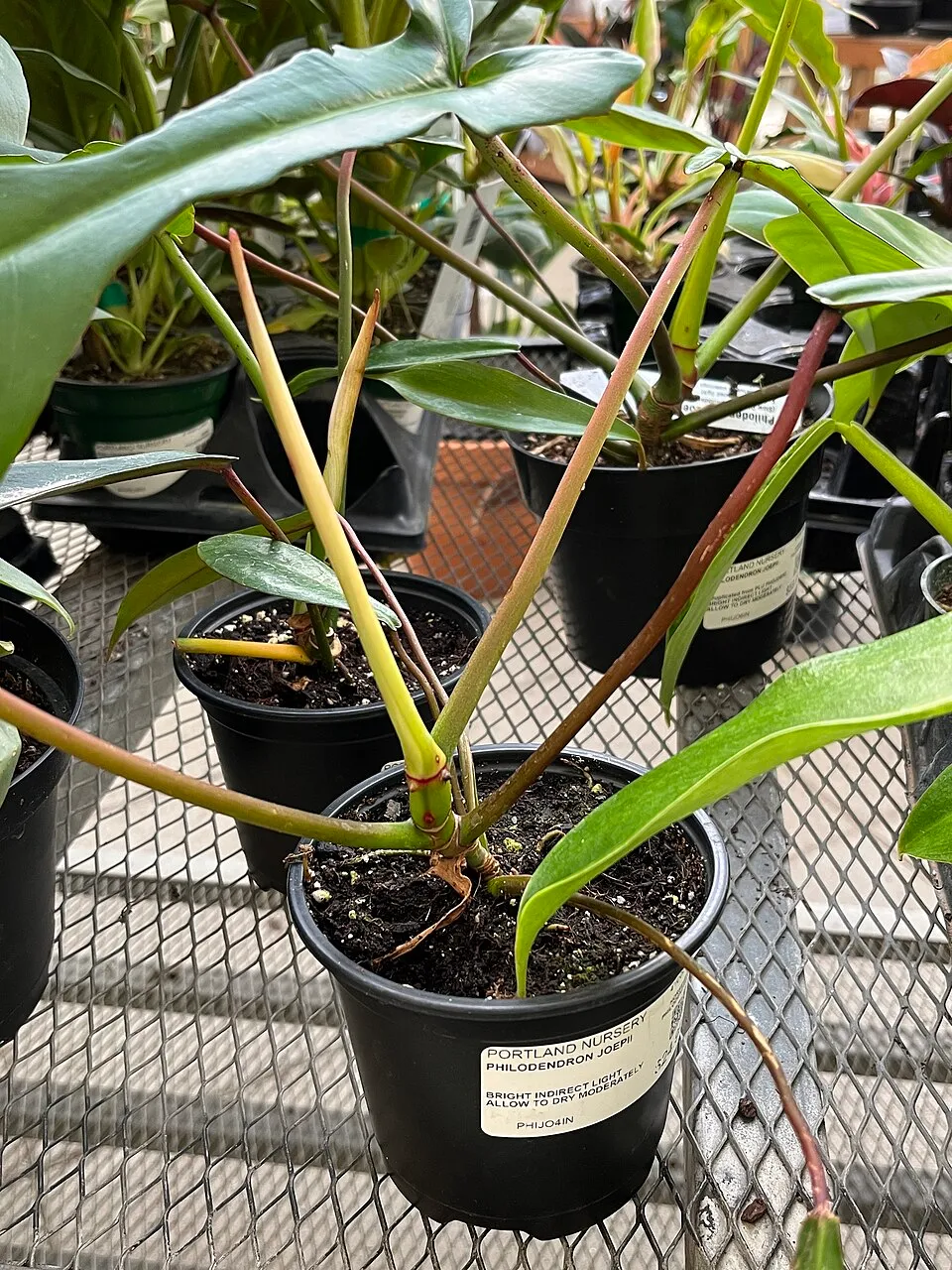
Philodendron joepii is an exceptionally rare and highly coveted tropical plant within the Araceae family, distinguished by its profoundly unique foliage. Discovered in the dense rainforests of French Guiana by Dutch botanist Joep Moonen, after whom it is named, this species stands out even among its diverse genus. Its leaves exhibit an elongated, almost asymmetrical form, characterized by a pronounced narrowing in the middle and widening at the tips, giving them a distinct spade or boomerang-like appearance.
These dark green leaves are typically large, often reaching up to 45 cm (18 inches) in length under ideal conditions, possessing a matte to slightly glossy texture. As an epiphytic or hemiepiphytic climber, Philodendron joepii naturally ascends tree trunks or scrambles across the forest floor in its native understory habitat, benefiting from dappled light and consistent high humidity. Its growth habit involves producing aerial roots for attachment and moisture absorption, enabling it to develop into a substantial specimen over time.
This preference for shaded, moist environments directly informs its horticultural requirements, making it a prized specimen for indoor plant collectors aiming to recreate a lush, jungle aesthetic.
Trusted Scientific References
1. Authoritative external sources for Philodendron joepii
1.1 Wikipedia — Philodendron joepii
1.2 Kew POWO (Plants of the World Online)
1.3 PubMed — peer-reviewed research
1.4 NCBI Taxonomy Browser
1.5 GBIF — Global Biodiversity
1.6Philodendron Joepii should be interpreted through verified botanical identity, practical care, and responsible safety language. This recovery note adds the missing context needed for a complete profile: match light to the plant's habit, use well-drained soil, water according to season, and avoid unsupported medicinal or edible claims. For publishing, the plant can be presented as a source-backed indoor plant with clear care guidance, common problem diagnosis, and conservative safety wording.
1.1.Philodendron Joepii — Highlights
- ✓Botanical Name — Philodendron joepii.
- ✓Family — Araceae (Aroid family).
- ✓Origin — French Guiana rainforests, South America.
- ✓Discovery — First documented by Dutch botanist Joep Moonen.
- ✓Leaf Morphology — Distinctively elongated, deeply lobed, and asymmetrical, resembling a spade or boomerang.
- ✓Growth Habit — Epiphytic or hemiepiphytic climber, producing aerial roots.
- ✓Rarity — Considered a rare and highly sought-after collector's plant.
- ✓Toxicity — Contains calcium oxalate crystals, making it toxic upon ingestion.
- ✓Horticultural Appeal — Valued for its unique aesthetic in indoor plant collections.
- ✓Care Requirements — Prefers warm temperatures, high humidity, and bright, indirect light.
1.2.Philodendron Joepii — At-a-Glance Summary
- ✓Rare Aroid Species — Valued for its exceptionally unique leaf morphology.
- ✓Native to French Guiana — Discovered by botanist Joep Moonen.
- ✓Distinctive Foliage — Elongated, deeply lobed, and spade-like leaves.
- ✓Ornamental Cultivation — Highly prized by exotic plant collectors.
- ✓Contains Calcium Oxalate — Toxic if ingested, causing irritation.
- ✓Requires Tropical Care — Thrives in bright indirect light and high humidity.
2.Philodendron Joepii — Botanical Identity
3.Philodendron Joepii — Key Data
4.Philodendron Joepii — Botanical Features
5.Philodendron Joepii — Origin & Spread
6.Philodendron Joepii — Heritage Uses
7.Philodendron Joepii — Chemical Profile
- ✓Specific detailed phytochemical analyses for Philodendron joepii are largely absent in current scientific literature. However, like many species within the Araceae family, its primary known biologically active constituent, responsible for its irritant and toxic properties, is calcium oxalate. Other general plant constituents are present but not studied for medicinal relevance in this species:
- ✓Calcium Oxalate Crystals — Present throughout the plant, particularly as needle-like raphides, which cause mechanical irritation and chemical burning upon contact or ingestion.
- ✓Polysaccharides — Common structural carbohydrates found in all plant cell walls, providing energy storage and structural support; not medicinally active for P. joepii.
- ✓Proteins and Amino Acids — Essential building blocks for plant growth and enzymatic processes, universally present in plant tissues; no specific medicinal role identified.
- ✓Lipids — Fats and oils crucial for energy reserves and cell membrane integrity, found in varying concentrations within plant cells; not associated with medicinal properties in P. joepii.
- ✓Organic Acids — Various organic acids are involved in plant metabolism, contributing to cellular pH regulation and nutrient cycling; no medicinal application known.
- ✓Pigments (e.g., Chlorophylls, Carotenoids) — Compounds vital for photosynthesis and plant coloration, universally present in photosynthetic tissues; no medicinal activity for P. joepii.
- ✓Water — The primary solvent and most abundant component of all living plant matter, essential for all physiological processes and nutrient transport.
- ✓Vitamins and Minerals — Trace amounts of various vitamins and essential minerals are present, crucial for basic plant functions but not medicinally significant for human use from P. joepii.
8.Philodendron Joepii — Evidence-Based Benefits
- ✓It is important to note that Philodendron joepii is not traditionally or scientifically recognized for any medicinal properties; its primary value is ornamental. Information on pharmacological properties specific to this species is scarce or non-existent. The following points describe its general characteristics and value within a horticultural context, not medicinal benefits:
- ✓Ornamental Appeal — Esteemed for its strikingly unique, elongated foliage, Philodendron joepii serves as a highly decorative specimen, enhancing interior aesthetics and plant collections.
- ✓Rarity and Collectibility — Its status as a rare and unique plant makes it a prized possession for collectors, fostering a sense of achievement and exclusivity.
- ✓Air Quality Enhancement (Indirect) — Like many houseplants, it contributes to indoor air quality by participating in photosynthesis and transpiration, although not studied specifically for P. joepii.
- ✓Aesthetic Diversity — Introduces an unusual and sculptural leaf form to indoor gardens, breaking monotony and adding visual interest.
- ✓Horticultural Engagement — Cultivating this rare species provides an engaging challenge for plant enthusiasts, promoting learning and specialized care techniques.
- ✓Habitat Replication — Helps create a naturalistic, tropical ambiance in indoor spaces, contributing to a calming and visually rich environment.
- ✓Educational Value — Offers a tangible example of unique botanical evolution and adaptation, stimulating interest in plant morphology and taxonomy.
- ✓Mood Elevation — The presence of living plants, including ornamental species like P. joepii, has been associated with improved mood and reduced stress in indoor environments.
- ✓Conservation Awareness — Cultivating rare species can indirectly raise awareness about botanical diversity and the importance of preserving natural habitats.
8.1.Philodendron Joepii — Indications & Uses
9.Philodendron Joepii — Safety Considerations
9.1.Philodendron Joepii — Caution Notes
- ✓Philodendron joepii contains insoluble calcium oxalate crystals, making it toxic if ingested or handled improperly. These crystals can cause immediate and painful reactions.
- ✓Oral Irritation — Ingestion of any plant part can cause intense burning, stinging, and irritation of the mouth, tongue, and throat.
- ✓Swelling and Pain — Contact with mucous membranes may lead to localized swelling, severe pain, and numbness in the oral cavity and digestive tract.
- ✓Digestive Upset — Stomach pain, nausea, vomiting, and diarrhea are common if significant amounts are ingested.
- ✓Dermatitis — Skin contact with the sap or crushed leaves can cause mild to moderate skin irritation, redness, itching, or rash in sensitive individuals.
- ✓Respiratory Distress — In severe cases of ingestion, swelling of the throat can potentially lead to difficulty breathing or airway obstruction.
- ✓Ocular Irritation — Direct contact with plant sap or residue in the eyes can cause pain, redness, irritation, and temporary blurred vision.
9.2.Philodendron Joepii — Toxicity Assessment
- ✓Due to its calcium oxalate content, Philodendron joepii requires careful handling and is not safe for consumption.
- ✓Ingestion Hazard — Philodendron joepii is toxic if ingested by humans or pets, causing immediate oral and digestive irritation.
- ✓Pet and Child Safety — Keep the plant strictly out of reach of children and all pets to prevent accidental poisoning.
- ✓Handling Precautions — Wear gloves when handling, pruning, or repotting the plant, especially if you have sensitive skin, to avoid contact dermatitis.
- ✓Non-Medicinal Use — This plant is purely ornamental and should never be used for any traditional remedies or modern medicinal applications.
- ✓Emergency Protocol — In case of accidental ingestion, immediately rinse the mouth thoroughly and seek prompt medical or veterinary attention.
- ✓Eye Protection — Avoid touching eyes after handling the plant; if contact occurs, flush eyes with copious amounts of water immediately and seek medical advice.
- ✓Wash Hands — Always wash hands thoroughly with soap and water after handling the plant to remove any residual sap.
10.Philodendron Joepii — Usage Guide
- ✓Philodendron joepii is cultivated exclusively as an ornamental plant and is not recommended for internal or external medicinal application due to its known toxicity. Its 'usage' is entirely horticultural and aesthetic.
- ✓Display as a Climber — Provide a sturdy moss pole or trellis to support its vining habit, allowing it to climb and display its mature leaf form.
- ✓Container Cultivation — Grow in pots with ample drainage holes, utilizing a well-draining aroid mix to prevent root rot.
- ✓Humidity Enhancement — Place near a humidifier or on a pebble tray with water to ensure consistently high ambient humidity, crucial for its health.
- ✓Pruning for Shape and Health — Trim leggy stems or yellowing leaves to maintain desired shape, encourage bushier growth, and promote overall plant vigor.
- ✓Propagation — Propagate via stem cuttings with at least one node and aerial root, rooting them in water, sphagnum moss, or a moist potting mix.
- ✓Aesthetic Grouping — Integrate into a collection of tropical houseplants to create a lush, jungle-like display, enhancing its visual impact.
- ✓Environmental Monitoring — Use hygrometers and thermometers to monitor and maintain optimal humidity and temperature conditions for thriving growth.
11.Philodendron Joepii — Garden Cultivation
- ✓Light Requirements — Provide bright, indirect light; avoid direct sunlight which can scorch the delicate leaves.
- ✓Watering Schedule — Water thoroughly when the top 2 inches (5 cm) of soil feel dry to the touch, reducing frequency in cooler months.
- ✓Humidity Levels — Maintain high humidity (60-80%) through misting, a humidifier, or a pebble tray to mimic its natural rainforest habitat.
- ✓Potting Mix — Use a well-draining, airy aroid mix, typically composed of peat moss, orchid bark, perlite, and coco coir.
- ✓Fertilization — Feed with a balanced liquid fertilizer diluted to half strength every 2-4 weeks during the active growing season (spring and summer).
- ✓Support for Climbing — Offer a moss pole or trellis for its aerial roots to attach to, encouraging larger leaf development and robust growth.
- ✓Temperature Range — Thrive in warm conditions, ideally between 65-80°F (18-27°C); avoid temperatures below 60°F (15°C).
- ✓Repotting Frequency — Repot every 1-2 years or when root-bound, moving to a slightly larger pot with fresh growing media.
Reviewed by the Flora Medical Global Botanical Review Panel
Multi-disciplinary editorial group · Botany · Ethnobotany · Herbal-medicine literature
Who reviewed this: This page was checked by the Flora Medical Global Botanical Review Panel — an in-house editorial group of botany graduates, ethnobotany researchers, and horticulture practitioners who collectively maintain our 7,000+ plant encyclopedia. Meet the team.
Our 4-step verification process
1. Taxonomic verification
Scientific names and synonyms cross-checked against Kew POWO, World Flora Online, and The Plant List.
2. Phytochemical & medicinal cross-reference
Active compounds, traditional uses, and reported activities are cross-referenced with PubMed, USDA Dr. Duke's database, and peer-reviewed ethnobotanical literature.
3. Conservation & distribution check
Distribution, ecology, and conservation status confirmed against GBIF occurrence records and the IUCN Red List.
4. Editorial & safety review
Every entry passes an editorial pass for clarity, originality, and safety notices (toxicity, contraindications, dosage caveats) before publication.
Last reviewed:
Important medical disclaimer: This content is for educational and research purposes only. It is not medical advice and is not a substitute for consultation with a licensed healthcare provider. Do not use any herb to self-treat a medical condition without professional guidance.
Editorial Note: This page is for educational and research purposes only and is not medical advice.
Written by: Flora Medical Global Editorial Team
Reviewed by: Flora Medical Global Botanical Review Panel
Last Updated: June 15, 2026





Philodendron Joepii — Comments & Community Reviews
Rate this plant