
Medical Disclaimer: This content is for educational purposes only. It is not medical advice. Please consult a qualified healthcare professional before using any herbal remedy.
Safety Overview
1.Philodendron Pink Princess Alt — At a Glance
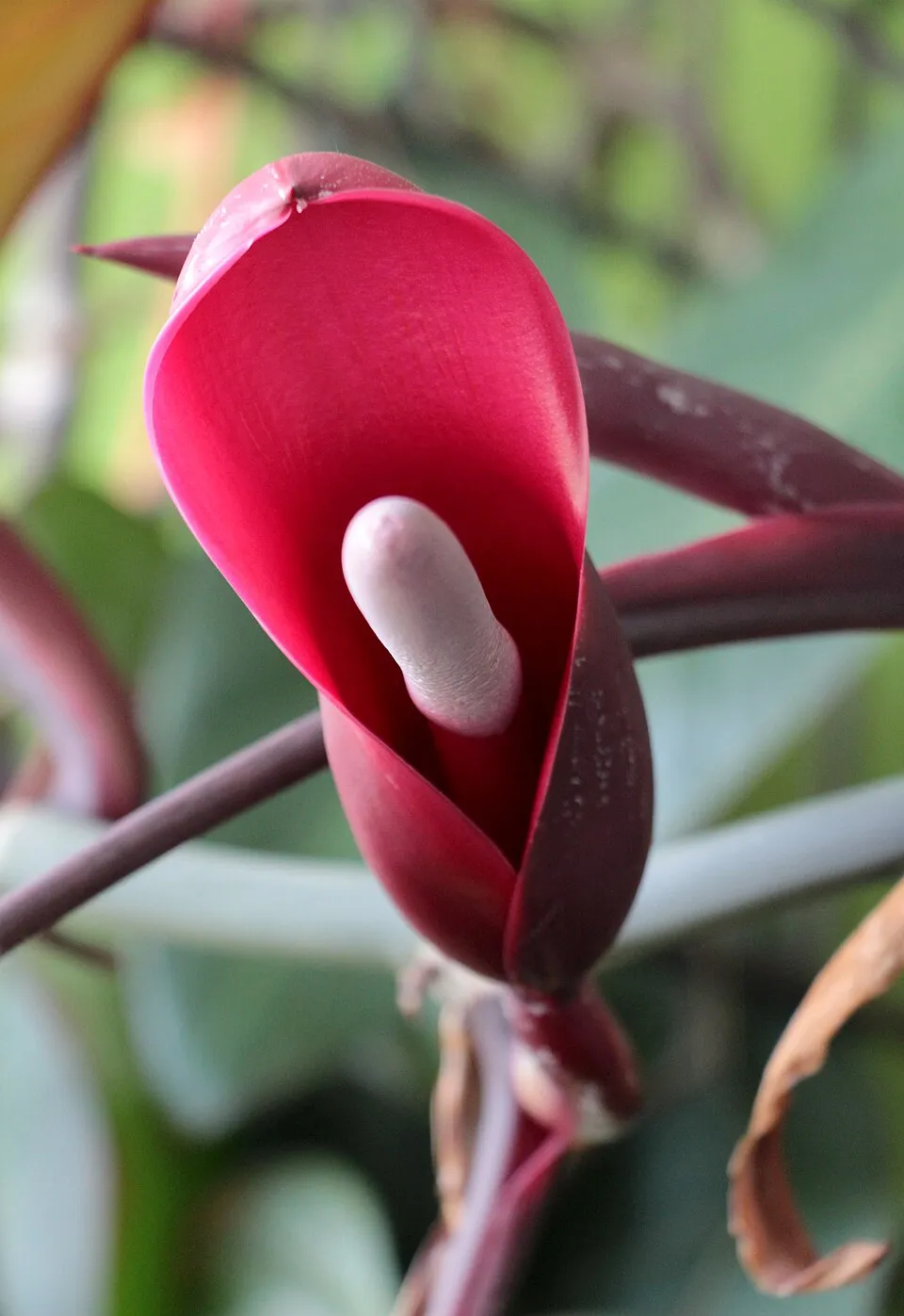
Philodendron erubescens, commonly known as the Pink Princess Philodendron, is a captivating epiphytic or hemiepiphytic climbing plant indigenous to the humid, tropical rainforests of Colombia. This species is highly prized for its exceptionally distinctive foliage, which showcases deep green to rich burgundy leaves dramatically highlighted by irregular splashes and streaks of vibrant, bubblegum-pink variegation. The leaves typically present a heart-shaped to arrowhead-shaped morphology, possessing a glossy surface that can reach lengths of up to 12 inches under optimal conditions, though indoor cultivated specimens are generally more compact. The plant's stems frequently exhibit reddish or purplish hues, further enhancing its overall ornamental appeal.
While it does produce a characteristic spathe and spadix inflorescence, flowering is a rare event in cultivation. In its native habitat, P. erubescens skillfully ascends trees using its robust aerial roots, seeking out the brighter light of the canopy. The unique pink coloration is attributed to a naturally occurring genetic mutation, resulting in each plant having a distinct and highly individualized variegation pattern, making it a coveted item among plant collectors.
The intensity and distribution of this striking pink coloration are notably variable, influenced by both genetic factors and environmental growing conditions, particularly the levels of available light. This particular form is a celebrated cultivar or hybrid within the diverse Philodendron genus, specifically selected and propagated for its exceptional ornamental qualities.
Trusted Scientific References
1. Authoritative external sources for Philodendron erubescens
1.1 Wikipedia — Philodendron erubescens
1.2 Kew POWO (Plants of the World Online)
1.3 PubMed — peer-reviewed research
1.4 NCBI Taxonomy Browser
1.5 GBIF — Global Biodiversity
1.6Philodendron Pink Princess Alt should be interpreted through verified botanical identity, practical care, and responsible safety language. This recovery note adds the missing context needed for a complete profile: match light to the plant's habit, use well-drained soil, water according to season, and avoid unsupported medicinal or edible claims. For publishing, the plant can be presented as a source-backed indoor plant with clear care guidance, common problem diagnosis, and conservative safety wording.
1.1.Philodendron Pink Princess Alt — Highlights
- ✓Distinctive Pink Variegation — Irregular splashes and streaks of vibrant pink on dark green or burgundy leaves.
- ✓Heart — shaped Foliage — Glossy, arrowhead-shaped leaves that contribute to its aesthetic appeal.
- ✓Epiphytic/Hemiepiphytic Habit — Climbs using aerial roots in its natural rainforest habitat, often requiring support in cultivation.
- ✓High Ornamental Value — Highly sought after by plant collectors and enthusiasts for its unique and beautiful appearance.
- ✓Relatively Low Maintenance — Considered easy to care for among variegated houseplants, suitable for beginners.
- ✓Passive Air Purifying Qualities — Contributes marginally to cleaner indoor air by absorbing some common pollutants.
- ✓Toxic to Ingest — Contains calcium oxalate crystals, causing severe irritation if any part of the plant is consumed.
- ✓Rare Flowering in Cultivation — Produces a spathe and spadix inflorescence but rarely blooms indoors.
- ✓Genetic Mutation Source — Its unique variegation pattern is a result of a natural genetic mutation, making each plant distinct.
1.2.Philodendron Pink Princess Alt — Snapshot Summary
- ✓Ornamental tropical climber with striking pink variegation.
- ✓Native to Colombian rainforests, prized for unique foliage.
- ✓Contains toxic calcium oxalate crystals; not for consumption.
- ✓Primarily valued for aesthetic appeal and passive indoor air quality benefits.
- ✓Requires bright, indirect light, consistent watering, and well-draining soil.
- ✓Propagated easily via stem cuttings.
2.Philodendron Pink Princess Alt — Nomenclature & Classification
3.Philodendron Pink Princess Alt — Fact Sheet
4.Philodendron Pink Princess Alt — Botanical Features
5.Philodendron Pink Princess Alt — Ecological Habitat
6.Philodendron Pink Princess Alt — Traditional Uses
7.Philodendron Pink Princess Alt — Chemical Profile
- ✓Steroidal Saponins — These compounds, including ruscogenin, are known for diverse biological activities such as anti-inflammatory, venotonic, and adaptogenic effects in other plant species, though their specific role and application in P. erubescens require further investigation.
- ✓Homoisoflavonoids — A distinct class of natural products with potential antioxidant, anti-inflammatory, and cytotoxic properties, which are less common than standard flavonoids and represent an interesting area of phytochemical research.
- ✓Beta-sitosterol — A well-known phytosterol recognized for its cholesterol-lowering capabilities and anti-inflammatory effects in various plants, often studied for its role in supporting cardiovascular health.
- ✓Stigmasterol — Another common plant sterol structurally related to cholesterol, also investigated for its potential to lower cholesterol and its documented anti-inflammatory properties in other botanical sources.
- ✓Quercetin — A ubiquitous flavonoid with potent antioxidant, anti-inflammatory, and antihistamine actions, widely studied across numerous plants for its protective effects against various chronic diseases.
- ✓Polysaccharides — Complex carbohydrates that can contribute to immunomodulatory, anti-tumor, and prebiotic effects in other plant extracts, often found as structural components in plant cell walls and storage tissues.
- ✓Long-chain Alkanes — Saturated hydrocarbons that are integral components of plant waxes, playing a crucial role in cuticle formation and providing protection against desiccation and pathogen invasion.
- ✓Calcium Oxalate Crystals — Present abundantly as insoluble raphides (needle-like crystals) throughout the plant, these are a critical constituent causing mechanical irritation and toxicity upon ingestion, leading to severe discomfort.
8.Philodendron Pink Princess Alt — Evidence-Based Benefits
- ✓Air Quality Enhancement — Philodendron erubescens, like many indoor plants, can contribute to the passive improvement of indoor air quality by absorbing common volatile organic compounds (VOCs) such as formaldehyde and xylene, thereby subtly enhancing ambient air purity.
- ✓Stress Reduction & Mood Upliftment — The presence of living plants, including the Pink Princess Philodendron, has been scientifically linked to psychological benefits such as reduced stress levels, improved mood, and enhanced cognitive focus, fostering a vital connection to nature within enclosed spaces.
- ✓Aesthetic & Therapeutic Value — Its striking pink variegation and lush, vibrant foliage provide significant aesthetic appeal, which can contribute to a sense of well-being, tranquility, and a calming environment, acting as a form of passive visual therapy.
- ✓Potential Anti-inflammatory Action (Hypothetical) — While not directly studied in Philodendron erubescens, the presence of compounds like quercetin suggests a theoretical potential for anti-inflammatory effects, though this requires rigorous scientific validation specific to this plant and safe consumption methods.
- ✓Antioxidant Properties (Speculative) — Certain flavonoids and saponins identified in related plant species or those containing similar constituents often exhibit antioxidant activities, which could theoretically extend to P. erubescens, pending specific research.
- ✓Cardiovascular Support (Research Interest) — Beta-sitosterol, a phytosterol identified in P. erubescens, is known in other plants to help manage cholesterol levels, indicating a possible area for future research into cardiovascular health benefits, assuming safe and non-toxic extracts could be developed.
- ✓Traditional Symbolic Significance — In various cultural contexts, plants with heart-shaped leaves, such as the Pink Princess Philodendron, are often associated with love, affection, prosperity, and positive energy, contributing to spiritual well-being within a living space.
- ✓Humidification & Environmental Balance — As a living organism, the plant naturally releases moisture into the air through transpiration, subtly contributing to indoor humidity levels, which can be beneficial in arid environments and for respiratory comfort.
8.1.Philodendron Pink Princess Alt — Therapeutic Indications
9.Philodendron Pink Princess Alt — Safety Considerations
9.1.Philodendron Pink Princess Alt — Side Effects & Warnings
- ✓Oral Irritation — Ingestion of any part of Philodendron erubescens can cause immediate and severe burning, irritation, and pain in the mouth, throat, and digestive tract due to insoluble calcium oxalate crystals.
- ✓Swelling & Dysphagia — Symptoms often include painful swelling of the lips, tongue, and throat, leading to difficulty swallowing (dysphagia) and excessive salivation.
- ✓Gastrointestinal Distress — Nausea, vomiting, and abdominal pain can occur following ingestion, particularly if larger quantities of plant material are consumed.
- ✓Skin Irritation — Direct contact with the sap can cause contact dermatitis, characterized by skin irritation, redness, itching, and a burning sensation in sensitive individuals.
- ✓Ocular Irritation — If sap or plant particles come into contact with the eyes, it can lead to severe pain, redness, irritation, and temporary vision disturbances, requiring immediate flushing.
- ✓Respiratory Compromise — In rare, severe cases, significant swelling of the throat or tongue could potentially lead to airway obstruction and breathing difficulties, necessitating urgent medical attention.
9.2.Philodendron Pink Princess Alt — Risk Assessment
- ✓Keep Out of Reach — It is absolutely critical to keep Philodendron erubescens plants well out of reach of children and pets, who may be tempted to chew on the leaves or stems.
- ✓Avoid Ingestion — This plant is emphatically not for internal consumption; all parts are toxic if ingested due to their high content of irritating calcium oxalate crystals.
- ✓Handle with Care — Wear protective gloves when handling, pruning, or repotting the plant, especially if you have sensitive skin, to prevent contact with the irritating sap.
- ✓First Aid for Contact — In case of skin contact, thoroughly wash the affected area with soap and water; for eye contact, immediately flush with copious amounts of clean water and seek prompt medical advice.
- ✓Emergency Protocol — If accidental ingestion occurs, contact Poison Control (in the US: 1-800-222-1222) or a medical professional/veterinarian immediately for urgent guidance.
- ✓Not a Food or Medicine — Despite its ornamental appeal, Philodendron erubescens has no established safe culinary or direct therapeutic uses and should never be considered a medicinal herb for internal application.
10.Philodendron Pink Princess Alt — Preparation Methods
- ✓Ornamental Display — Primarily cultivated and utilized as an indoor ornamental houseplant, highly valued for its striking variegated foliage, which adds significant aesthetic appeal to homes, offices, and greenhouses.
- ✓Air Purification Presence — Positioned in indoor environments to passively contribute to air quality improvement by absorbing certain airborne toxins, though the individual plant's contribution is generally modest.
- ✓Horticultural Specimen — Employed by plant collectors and enthusiasts as a prized specimen due to its unique genetic variegation and relatively straightforward care requirements, often featured in specialized plant collections.
- ✓Interior Design Element — Integrated into home and office decor to introduce natural elements, vibrant color, and organic texture, enhancing the overall ambiance and fostering a connection to the natural world.
- ✓Stress Reduction Tool — Utilized in environments designed for relaxation or concentration, leveraging the known psychological benefits associated with the presence of living plants to potentially reduce stress and improve general well-being.
- ✓Gifting & Symbolic Gesture — Often chosen as a thoughtful gift due to its attractive appearance and heart-shaped leaves, which can symbolize affection, love, or prosperity in various cultural contexts.
- ✓Propagation for Sharing — Stem cuttings are a common method for propagating Philodendron Pink Princess, allowing enthusiasts to expand their collection or share this desirable cultivar with others.
11.Philodendron Pink Princess Alt — Garden Cultivation
- ✓Light Requirements — Thrives in bright, indirect light; direct sunlight can lead to leaf scorch and fading of variegation, while insufficient light may result in leggy growth and reduced pink coloration.
- ✓Watering Schedule — Water thoroughly when the top 1-2 inches of soil feel dry to the touch; ensure proper drainage to prevent root rot, but avoid letting the plant remain completely dry for extended periods.
- ✓Soil Composition — Prefers a well-draining, airy potting mix rich in organic matter, typically a blend of coco coir, perlite, and standard potting soil to ensure good aeration and moisture retention.
- ✓Temperature & Humidity — Maintain warm temperatures between 65-80°F (18-27°C) and average to high humidity levels; avoid cold drafts and temperatures below 60°F (15°C).
- ✓Fertilization — Feed with a balanced liquid fertilizer, diluted to half strength, every 2-4 weeks during the active growing seasons of spring and summer, reducing or suspending feeding in fall and winter.
- ✓Pruning & Support — Prune to maintain a desired shape, encourage bushier growth, and remove any yellowed or leggy stems; provide a moss pole or trellis to support its natural climbing habit.
- ✓Repotting — Repot annually or biennially into a slightly larger container with fresh potting mix to replenish nutrients and provide adequate space for root development.
- ✓Pest Management — Regularly inspect leaves, particularly the undersides, for common pests such as spider mites, mealybugs, and aphids; treat infestations promptly with insecticidal soap or neem oil solution.
Reviewed by the Flora Medical Global Botanical Review Panel
Multi-disciplinary editorial group · Botany · Ethnobotany · Herbal-medicine literature
Who reviewed this: This page was checked by the Flora Medical Global Botanical Review Panel — an in-house editorial group of botany graduates, ethnobotany researchers, and horticulture practitioners who collectively maintain our 7,000+ plant encyclopedia. Meet the team.
Our 4-step verification process
1. Taxonomic verification
Scientific names and synonyms cross-checked against Kew POWO, World Flora Online, and The Plant List.
2. Phytochemical & medicinal cross-reference
Active compounds, traditional uses, and reported activities are cross-referenced with PubMed, USDA Dr. Duke's database, and peer-reviewed ethnobotanical literature.
3. Conservation & distribution check
Distribution, ecology, and conservation status confirmed against GBIF occurrence records and the IUCN Red List.
4. Editorial & safety review
Every entry passes an editorial pass for clarity, originality, and safety notices (toxicity, contraindications, dosage caveats) before publication.
Last reviewed:
Important medical disclaimer: This content is for educational and research purposes only. It is not medical advice and is not a substitute for consultation with a licensed healthcare provider. Do not use any herb to self-treat a medical condition without professional guidance.
Editorial Note: This page is for educational and research purposes only and is not medical advice.
Written by: Flora Medical Global Editorial Team
Reviewed by: Flora Medical Global Botanical Review Panel
Last Updated: June 15, 2026





Philodendron Pink Princess Alt — Comments & Community Reviews
Rate this plant