
Medical Disclaimer: This content is for educational purposes only. It is not medical advice. Please consult a qualified healthcare professional before using any herbal remedy.
Safety Overview
1.Philodendron Plowmanii — Overview
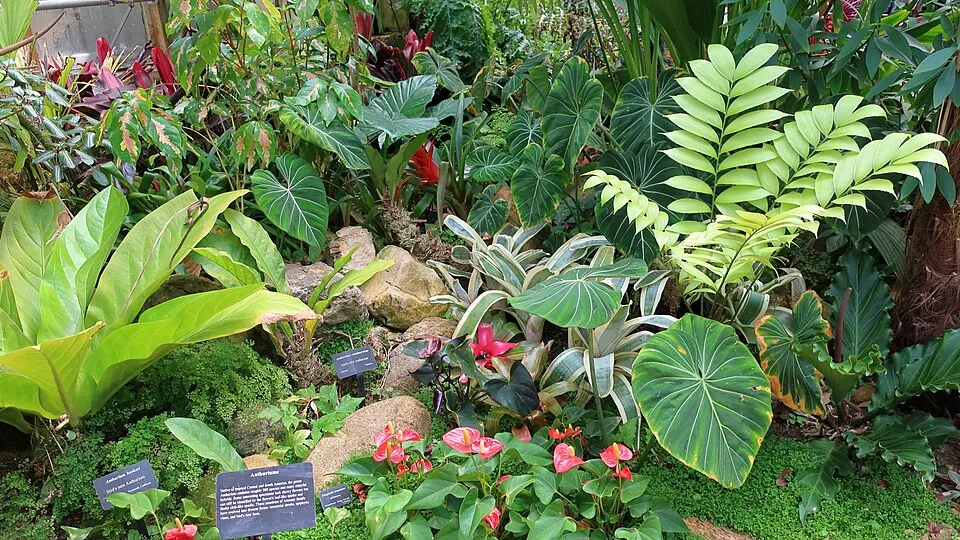
Philodendron plowmanii, a captivating member of the Araceae family, is a terrestrial or hemiepiphytic plant native to the humid tropical understory forests of Peru. This striking perennial is renowned for its large, cordate-sagittate leaves, which can extend up to 20 inches (50 cm) in length, displaying a deep, glossy green hue that effectively reflects light, enhancing its ornamental appeal. The distinct foliage often features prominent, lighter-colored veins that add to its visual texture.
Its stems are robust and exhibit a unique crawling or creeping habit, often developing a subtle, bark-like texture with a greenish-brown coloration and fine hairs, differentiating it from many climbing Philodendron species. When cultivated indoors, Philodendron plowmanii typically maintains a manageable size, reaching heights of 2 to 3 feet (60-90 cm), making it an ideal choice for diverse interior landscapes. While flowering is infrequent in home environments, under optimal conditions, it produces a characteristic aroid inflorescence consisting of a creamy-white spadix enclosed by a greenish-white spathe.
Taxonomically, it belongs to the diverse Philodendron genus, celebrated for its adaptability to indoor cultivation and a wide range of morphological forms. Its vigorous growth and distinctive appearance contribute to its popularity among plant enthusiasts seeking a lush, tropical ambiance.
Trusted Scientific References
1. Authoritative external sources for Philodendron plowmanii
1.1 Wikipedia — Philodendron plowmanii
1.2 Kew POWO (Plants of the World Online)
1.3 PubMed — peer-reviewed research
1.4 NCBI Taxonomy Browser
1.5 GBIF — Global Biodiversity
1.6Philodendron Plowmanii should be interpreted through verified botanical identity, practical care, and responsible safety language. This recovery note adds the missing context needed for a complete profile: match light to the plant's habit, use well-drained soil, water according to season, and avoid unsupported medicinal or edible claims. For publishing, the plant can be presented as a source-backed indoor plant with clear care guidance, common problem diagnosis, and conservative safety wording.
1.1.Philodendron Plowmanii — Standout Qualities
- ✓Striking, elongated heart — shaped leaves with glossy deep green color.
- ✓Native to the — Native to the tropical forests of Peru, thriving in humid understory conditions.
- ✓Features a unique — Features a unique crawling or creeping growth habit, distinct from climbing Philodendrons.
- ✓Reputed for its — Reputed for its ability to filter common indoor air pollutants, enhancing air quality.
- ✓Contributes significantly to — Contributes significantly to indoor aesthetics and biophilic design principles.
- ✓Low — maintenance houseplant suitable for various indoor environments.
- ✓Contains calcium oxalate, — Contains calcium oxalate, rendering it toxic if ingested by humans or pets.
- ✓Rarely flowers indoors — Rarely flowers indoors but produces typical aroid inflorescences under ideal conditions.
- ✓Symbolizes growth, prosperity, — Symbolizes growth, prosperity, and connection to nature for plant enthusiasts.
- ✓Offers psychological benefits, — Offers psychological benefits, including stress reduction and improved well-being.
1.2.Philodendron Plowmanii — Snapshot Summary
- ✓Ornamental tropical plant known for large, glossy heart-shaped leaves.
- ✓Acts as an indoor air purifier, removing common toxins like formaldehyde.
- ✓Contributes to psychological well-being and aesthetic appeal in living spaces.
- ✓Requires moderate care — bright indirect light, high humidity, well-draining soil.
- ✓Contains calcium oxalate crystals, making all parts toxic if ingested or irritating to skin.
- ✓Not for medicinal use; primarily valued for its decorative and air-purifying qualities.
2.Philodendron Plowmanii — Taxonomic Classification
3.Philodendron Plowmanii — Reference Facts
4.Philodendron Plowmanii — Morphological Account
5.Philodendron Plowmanii — Geographic Distribution
6.Philodendron Plowmanii — Historical Applications
7.Philodendron Plowmanii — Active Compounds
- ✓Calcium Oxalate Raphides — These needle-like crystals are abundant throughout the plant, primarily in leaves and stems, serving as a defense mechanism and causing irritation upon contact or ingestion.
- ✓Flavonoids — Present in trace amounts, these polyphenolic compounds contribute to plant pigmentation and offer general antioxidant properties within the plant's metabolic processes.
- ✓Saponins — Trace quantities of saponins may be found, which are glycosides known for their foam-forming properties and potential roles in plant defense against pathogens and herbivores.
- ✓Tannins — Small concentrations of tannins, a class of astringent polyphenols, contribute to the plant's structural integrity and may possess mild antimicrobial properties within the plant.
- ✓Alkaloids — While not extensively studied in Philodendron plowmanii, various Philodendron species may contain trace amounts of nitrogenous alkaloids, though their specific roles or therapeutic significance are largely unconfirmed for this species.
- ✓Steroids and Triterpenoids — These lipid-soluble compounds are common in many plants, present in Philodendron plowmanii in minor quantities, contributing to cell membrane structure and plant signaling.
- ✓Glycosides — Beyond saponins, other forms of glycosides, complex molecules with sugar and non-sugar parts, are generally present in plant tissues, playing various metabolic roles.
- ✓Organic Acids — A range of organic acids are involved in the plant's primary metabolic pathways, though specific profiling for Philodendron plowmanii's medicinal relevance is not documented.
8.Philodendron Plowmanii — Modern Studies
- ✓Indoor Air Purification — Philodendron plowmanii actively absorbs common indoor air pollutants such as formaldehyde, converting them into harmless substances and contributing to cleaner, healthier breathing environments.
- ✓Enhanced Psychological Well-being — The presence of living plants like Philodendron plowmanii has been shown to reduce stress, improve mood, and foster a sense of tranquility through biophilic interaction.
- ✓Aesthetic Enhancement — Its lush, large, and glossy green foliage serves as a natural decorative element, elevating the visual appeal of indoor spaces and promoting a connection to nature.
- ✓Humidity Regulation — As a tropical plant, Philodendron plowmanii transpires moisture, subtly increasing ambient humidity levels, which can be beneficial for respiratory health and skin hydration.
- ✓Boosted Productivity and Focus — Studies suggest that incorporating plants into workspaces can improve concentration, cognitive function, and overall productivity by creating a more stimulating and calming environment.
- ✓Connection to Nature — For individuals in urban settings, Philodendron plowmanii provides a tangible link to the natural world, fostering appreciation for biological diversity and natural rhythms.
- ✓Symbol of Growth and Resilience — Cultivating this vibrant plant can symbolize personal growth, prosperity, and adaptability, offering a positive psychological impact on its caretakers.
- ✓Low-Maintenance Therapeutic Activity — The simple, regular care routine required by Philodendron plowmanii offers a gentle form of horticultural therapy, providing a sense of purpose and accomplishment without high demands.
- ✓Noise Reduction — While minor, the foliage of houseplants can contribute to sound absorption, slightly dampening ambient noise in indoor environments.
- ✓Increased Oxygen Production — Through photosynthesis, Philodendron plowmanii converts carbon dioxide into oxygen, contributing to a fresher atmosphere in enclosed spaces.
8.1.Philodendron Plowmanii — Health Applications
9.Philodendron Plowmanii — Adverse Effects
9.1.Philodendron Plowmanii — Possible Adverse Reactions
- ✓Oral Irritation — Ingestion of any part of Philodendron plowmanii can cause immediate and intense burning pain in the mouth, throat, and digestive tract due to calcium oxalate crystals.
- ✓Swelling of Tissues — Contact with mucous membranes can lead to swelling of the tongue, lips, and throat, potentially causing difficulty breathing or swallowing.
- ✓Skin Irritation — Direct contact with the sap can result in skin redness, itching, burning sensations, and dermatitis in sensitive individuals.
- ✓Gastrointestinal Distress — If ingested, symptoms may include nausea, vomiting, abdominal pain, and diarrhea.
- ✓Eye Irritation — Sap contact with eyes can cause severe pain, redness, tearing, and temporary vision disturbances.
- ✓Pet Toxicity — Highly toxic to cats, dogs, and other pets; ingestion can cause drooling, pawing at the mouth, vomiting, and difficulty breathing.
- ✓Child Safety Risk — Keep out of reach of small children who may be tempted to chew on leaves, leading to severe irritation.
9.2.Philodendron Plowmanii — Toxicity Assessment
- ✓Not for Internal Use — Philodendron plowmanii is unequivocally toxic if ingested and should never be consumed by humans or animals.
- ✓Handle with Care — Wear gloves when handling or pruning the plant, especially if you have sensitive skin, to avoid contact with the irritating sap.
- ✓Keep Out of Reach — Position the plant in locations inaccessible to curious children and pets to prevent accidental ingestion or contact.
- ✓Wash Hands Thoroughly — Always wash hands with soap and water immediately after touching the plant, its sap, or soil.
- ✓Emergency Contact — In case of ingestion or severe contact, immediately contact Poison Control (for humans) or a veterinarian (for pets).
- ✓Monitor Symptoms — Be aware of symptoms of irritation or poisoning, such as mouth swelling, vomiting, or skin rash, and seek prompt medical attention if they occur.
- ✓General Plant Safety — Treat all Philodendron species as potentially irritating or toxic due to the widespread presence of calcium oxalates within the genus.
10.Philodendron Plowmanii — Preparation & Dosage
- ✓Ornamental Display — Utilize Philodendron plowmanii as a striking focal point in living rooms, offices, or conservatories due to its impressive foliage.
- ✓Air Purification Placement — Position plants in areas with good air circulation to maximize their potential for filtering indoor air pollutants.
- ✓Biophilic Design Integration — Incorporate into interior design schemes to foster a calming atmosphere and enhance human connection to nature.
- ✓Terrarium or Greenhouse Specimen — Its love for high humidity and tropical aesthetic makes it a suitable candidate for large terrariums or indoor greenhouses.
- ✓Educational Tool — Use the plant to demonstrate botanical principles, such as photosynthesis, transpiration, and plant morphology, in educational settings.
- ✓Stress Reduction Activity — Engage in the mindful practice of caring for the plant, including watering, dusting leaves, and observing new growth, as a form of therapeutic self-care.
- ✓Gifting — Present as a thoughtful gift for plant enthusiasts, symbolizing growth, prosperity, and well-being in a new home or office.
- ✓Photography Subject — Its distinctive leaves and robust form make it an excellent subject for botanical photography and artistic expression.
11.Philodendron Plowmanii — Propagation & Care
- ✓Light — Provide bright, indirect light; direct sun can scorch its leaves. An east- or north-facing window is ideal.
- ✓Soil — Use a well-draining, airy potting mix rich in organic matter, such as a blend of coco coir, perlite, and orchid bark.
- ✓Watering — Water thoroughly when the top 1-2 inches of soil feel dry; allow excess water to drain to prevent root rot.
- ✓Humidity — This tropical plant thrives in high humidity (60-80%); mist regularly, use a pebble tray, or place near a humidifier.
- ✓Temperature — Maintain consistent indoor temperatures between 65-80°F (18-27°C) and avoid sudden drops.
- ✓Fertilization — Feed with a balanced liquid fertilizer diluted to half strength every 2-4 weeks during the growing season (spring and summer).
- ✓Propagation — Easily propagated from stem cuttings, which can be rooted in water or moist sphagnum moss.
- ✓Repotting — Repot every 1-2 years or when root-bound, moving to a pot only slightly larger than the previous one.
Reviewed by the Flora Medical Global Botanical Review Panel
Multi-disciplinary editorial group · Botany · Ethnobotany · Herbal-medicine literature
Who reviewed this: This page was checked by the Flora Medical Global Botanical Review Panel — an in-house editorial group of botany graduates, ethnobotany researchers, and horticulture practitioners who collectively maintain our 7,000+ plant encyclopedia. Meet the team.
Our 4-step verification process
1. Taxonomic verification
Scientific names and synonyms cross-checked against Kew POWO, World Flora Online, and The Plant List.
2. Phytochemical & medicinal cross-reference
Active compounds, traditional uses, and reported activities are cross-referenced with PubMed, USDA Dr. Duke's database, and peer-reviewed ethnobotanical literature.
3. Conservation & distribution check
Distribution, ecology, and conservation status confirmed against GBIF occurrence records and the IUCN Red List.
4. Editorial & safety review
Every entry passes an editorial pass for clarity, originality, and safety notices (toxicity, contraindications, dosage caveats) before publication.
Last reviewed:
Important medical disclaimer: This content is for educational and research purposes only. It is not medical advice and is not a substitute for consultation with a licensed healthcare provider. Do not use any herb to self-treat a medical condition without professional guidance.
Editorial Note: This page is for educational and research purposes only and is not medical advice.
Written by: Flora Medical Global Editorial Team
Reviewed by: Flora Medical Global Botanical Review Panel
Last Updated: June 15, 2026





Philodendron Plowmanii — Comments & Community Reviews
Rate this plant