
Medical Disclaimer: This content is for educational purposes only. It is not medical advice. Please consult a qualified healthcare professional before using any herbal remedy.
Safety Overview
1.Philodendron Sharoniae — Overview
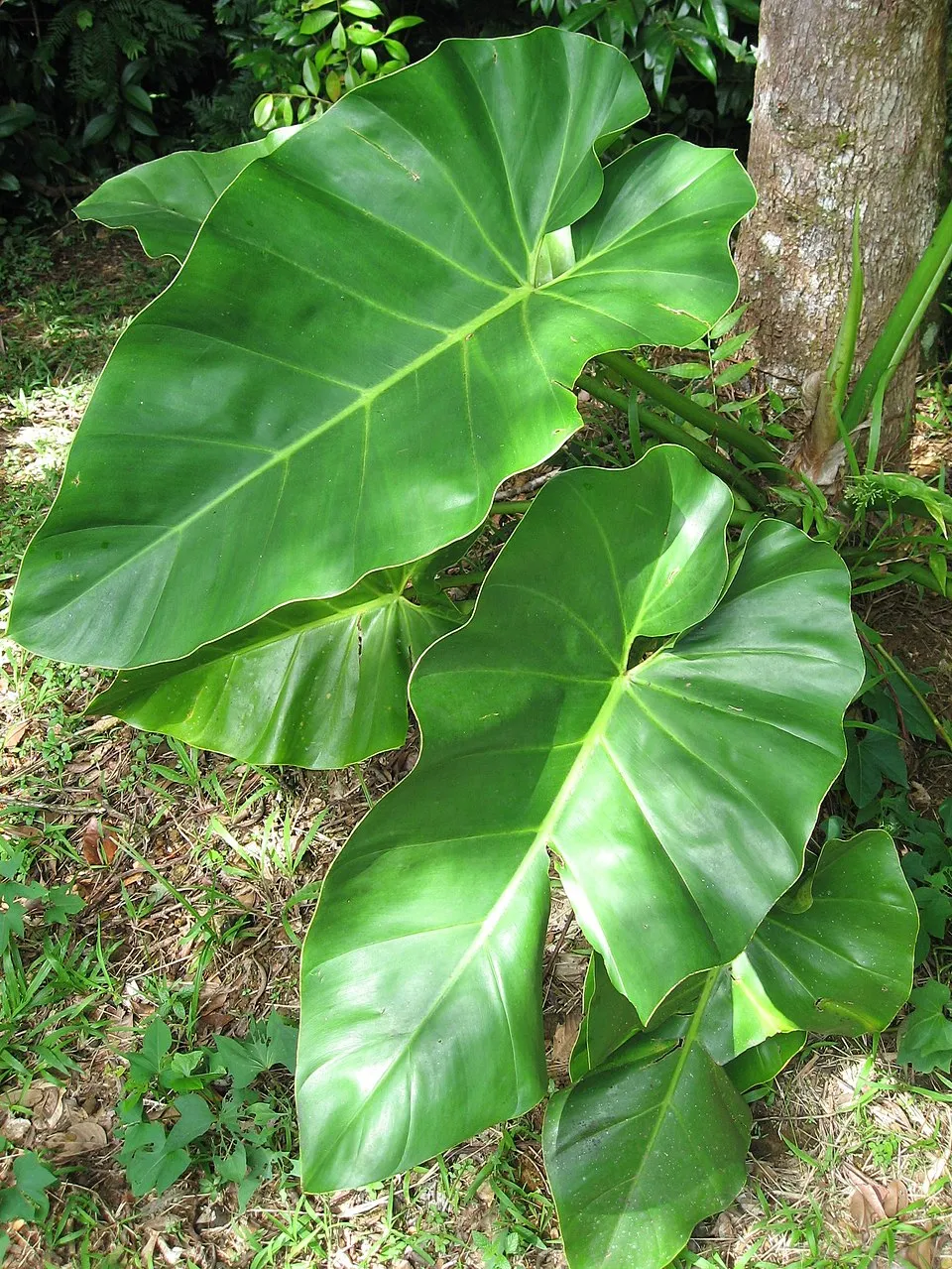
Philodendron sharoniae is a distinctive member of the Araceae family, known for its striking, often large, and uniquely textured foliage. This plant can exhibit either a terrestrial or epiphytic growth habit in its native tropical rainforest environments, typically found thriving in the humid, shaded understories. Its leaves are generally ovate to broadly lanceolate, characterized by a prominent drip tip and a cordate, or heart-shaped, base in juvenile specimens, which may become more asymmetrical as the plant matures. A defining feature is the velvety texture of its deep green leaf surface, accented by remarkable venation that can range in color from lighter green to yellowish or even reddish, influenced by specific specimen genetics and prevailing light conditions.
The abaxial, or underside, of the leaf often provides a dramatic contrast, displaying rich burgundy or deep red hues. The petioles supporting these magnificent leaves are typically long and slender, sometimes presenting a ridged or subtly winged appearance. While its inflorescence, consisting of a spathe and spadix, is characteristic of the Araceae, it is a rare sight in cultivation, and its pollination ecology in the wild remains largely unstudied. The growth pattern of Philodendron sharoniae can be clumping or scandent, adapting to its surroundings and available support.
Its extraordinary aesthetic qualities make it a highly coveted ornamental plant among enthusiasts, embodying an exotic appeal that distinguishes it within the diverse Philodendron genus. The plant's morphology is finely tuned to the low-light microclimates of its natural habitat, relying on specific environmental conditions for its survival and luxuriant growth.
Trusted Scientific References
1. Authoritative external sources for Philodendron sharoniae
1.1 Wikipedia — Philodendron sharoniae
1.2 Kew POWO (Plants of the World Online)
1.3 PubMed — peer-reviewed research
1.4 NCBI Taxonomy Browser
1.5 GBIF — Global Biodiversity
1.6Philodendron Sharoniae should be interpreted through verified botanical identity, practical care, and responsible safety language. This recovery note adds the missing context needed for a complete profile: match light to the plant's habit, use well-drained soil, water according to season, and avoid unsupported medicinal or edible claims. For publishing, the plant can be presented as a source-backed indoor plant with clear care guidance, common problem diagnosis, and conservative safety wording.
1.1.Philodendron Sharoniae — Standout Qualities
- ✓Velvety, Textured Leaves — Distinctive foliage with a soft, tactile surface, a hallmark of its unique appeal.
- ✓Prominent Venation — Striking, often contrasting veins that create an intricate pattern on deep green leaves.
- ✓Cordate to Asymmetrical Leaf Shape — Heart-shaped in youth, evolving into a more elongated and asymmetrical form with maturity.
- ✓Contrasting Underside — Abaxial surface typically displays rich burgundy or deep red hues, offering a dramatic visual.
- ✓Terrestrial or Epiphytic Growth — Adaptable growth habit, found both on the ground and climbing on trees in its natural habitat.
- ✓Natural Air Purifier — Helps filter common indoor air pollutants, contributing to improved air quality.
- ✓Biophilic Plant — Enhances mental health, reduces stress, and fosters a deeper connection to nature.
- ✓Low Light Tolerance — Adapted to thrive in the shaded understory conditions of tropical forests.
- ✓Rare Collector's Item — Highly sought after by aroid enthusiasts due to its unique aesthetics and limited availability.
- ✓Calcium Oxalate Content — Contains irritating crystals in all parts, rendering it toxic if ingested and requiring careful handling.
1.2.Philodendron Sharoniae — In Brief
- ✓Ornamental Aroid — Prized for its large, velvety, textured foliage and striking venation, making it a highly sought-after houseplant.
- ✓Indoor Air Purifier — Contributes to healthier indoor environments by absorbing common air pollutants like formaldehyde and benzene.
- ✓Biophilic Benefits — Promotes mental well-being, reduces stress, and fosters a connection to nature through its presence and care.
- ✓Toxic if Ingested — Contains calcium oxalate crystals, causing severe irritation upon contact or ingestion by humans or pets.
- ✓Low Maintenance — Relatively easy to care for, thriving in warm, humid conditions with bright, indirect light and consistent moisture.
- ✓Rare Collector's Item — Valued for its unique aesthetic and limited availability, appealing to plant enthusiasts.
2.Philodendron Sharoniae — Systematic Position
3.Philodendron Sharoniae — Reference Facts
4.Philodendron Sharoniae — Plant Morphology
5.Philodendron Sharoniae — Where It Grows
6.Philodendron Sharoniae — Ethnobotanical Uses
7.Philodendron Sharoniae — Bioactive Constituents
- ✓Calcium Oxalate Crystals — These are the primary identified irritants in Philodendron sharoniae, forming insoluble needle-like raphides that cause mechanical irritation upon contact or ingestion.
- ✓Chlorophylls — Essential green pigments, primarily chlorophyll a and b, responsible for capturing light energy during photosynthesis in the leaves.
- ✓Carotenoids — Accessory pigments present in the leaves, contributing to light absorption and offering photoprotection against excessive light energy.
- ✓Anthocyanins — These flavonoid pigments are responsible for the reddish or burgundy coloration often observed on the abaxial (underside) surface of the leaves and potentially in petioles.
- ✓General Plant Metabolites — Like all plants, Philodendron sharoniae contains primary metabolites such as carbohydrates (sugars, starch), proteins, and lipids, crucial for its basic cellular functions and energy storage.
- ✓Volatile Organic Compounds (VOCs) — While not specifically characterized for medicinal action, plants generally release minute quantities of VOCs that contribute to scent and can interact with ambient air quality.
- ✓Cell Wall Polysaccharides — Structural components like cellulose, hemicellulose, and pectin form the cell walls, providing rigidity and support to the plant tissues.
- ✓Enzymes — Numerous enzymes are present throughout the plant, catalyzing a vast array of biochemical reactions necessary for growth, development, and defense mechanisms.
- ✓Flavonoids — Beyond anthocyanins, other classes of flavonoids may be present, serving roles in UV protection, pigmentation, and potential antioxidant activity within the plant itself.
- ✓Triterpenoids — Some Philodendron species contain triterpenoids, though their specific presence or medicinal relevance in P. sharoniae is not established.
- ✓Alkaloids — While certain Araceae species contain alkaloids, there is no significant documentation of pharmacologically active alkaloids in Philodendron sharoniae for medicinal purposes.
8.Philodendron Sharoniae — Modern Studies
- ✓Indoor Air Quality Enhancement — Philodendron sharoniae acts as a natural air filter, absorbing common indoor pollutants like formaldehyde and benzene from the atmosphere, contributing to a healthier living environment.
- ✓Stress Reduction and Mental Well-being — Engaging with plants like Philodendron sharoniae provides a biophilic connection, shown to reduce stress, improve mood, and foster a sense of calm and accomplishment through caretaking.
- ✓Cognitive Function Support — Studies suggest that the presence of indoor plants can enhance concentration and memory, creating a more conducive environment for work and study by improving air quality and reducing mental fatigue.
- ✓Humidity Regulation — As a tropical plant, Philodendron sharoniae releases moisture through transpiration, subtly increasing ambient humidity, which can be beneficial for respiratory health and skin hydration in dry indoor climates.
- ✓Aesthetic and Decorative Appeal — The unique, velvety foliage and striking venation of Philodendron sharoniae contribute significantly to interior aesthetics, creating visually pleasing spaces that indirectly support psychological well-being.
- ✓Connection to Nature — Owning and nurturing Philodendron sharoniae strengthens an individual's connection to the natural world, promoting mindfulness and an appreciation for biodiversity, which positively impacts overall life satisfaction.
- ✓Therapeutic Horticulture — The routine of caring for Philodendron sharoniae, including watering and observation, can serve as a form of therapeutic horticulture, offering a grounding activity that alleviates anxiety.
- ✓Symbolism of Growth and Prosperity — Culturally, a thriving Philodendron species like P. sharoniae can symbolize growth, resilience, and abundance, offering psychological encouragement and a positive outlook.
- ✓Reduced Sick Building Syndrome Symptoms — By improving indoor air quality, the presence of Philodendron sharoniae may help mitigate symptoms associated with 'sick building syndrome', such as headaches and respiratory irritation.
- ✓Enhanced Productivity — A greener workspace, featuring plants like P. sharoniae, has been linked to increased productivity and creativity, possibly due to improved air quality and a more stimulating visual environment.
- ✓Emotional Support — For many plant enthusiasts, the act of nurturing a rare and beautiful plant like Philodendron sharoniae provides a source of emotional comfort and a sense of purpose.
- ✓Visual Stimulation — The dramatic foliage and contrasting colors offer rich visual stimulation, breaking monotony and adding dynamic interest to indoor environments, which can positively influence mood.
8.1.Philodendron Sharoniae — Conditions Traditionally Used For
9.Philodendron Sharoniae — Precautions & Warnings
9.1.Philodendron Sharoniae — Possible Adverse Reactions
- ✓Oral Irritation — Ingestion of any part of Philodendron sharoniae can cause immediate and severe burning, stinging, and irritation of the mouth, throat, and digestive tract due to insoluble calcium oxalate crystals.
- ✓Dermatitis — Direct contact with the plant's sap or broken parts can lead to skin irritation, redness, itching, swelling, and blistering, especially in sensitive individuals.
- ✓Eye Irritation — Accidental contact of plant sap to the eyes can cause intense pain, burning, conjunctivitis, and temporary blurred vision.
- ✓Swelling of Airways — In severe cases of ingestion, significant swelling of the tongue, lips, and throat may occur, potentially leading to difficulty breathing and swallowing.
- ✓Gastrointestinal Upset — Ingesting the plant can result in symptoms such as nausea, vomiting, abdominal pain, and diarrhea.
- ✓Allergic Reactions — Although less common, some individuals may experience allergic contact dermatitis or other hypersensitivity reactions to specific plant components beyond the direct irritant effects of calcium oxalate.
- ✓Pet Toxicity — Highly toxic to cats, dogs, and other household pets, causing similar oral and gastrointestinal distress upon ingestion.
9.2.Philodendron Sharoniae — Safety Overview
- ✓Toxic if Ingested — Philodendron sharoniae contains calcium oxalate crystals and is highly toxic if consumed by humans or pets, posing a significant health risk.
- ✓Keep Out of Reach of Children and Pets — Ensure the plant is placed in an area completely inaccessible to young children and household animals to prevent any accidental ingestion or contact.
- ✓Handle with Care — Wear protective gloves when handling the plant, especially during pruning, repotting, or propagation, to avoid skin contact with its irritating sap.
- ✓Wash Hands Thoroughly — Always wash hands with soap and water immediately and thoroughly after touching the plant or its soil to remove any residual irritants.
- ✓Avoid Eye Contact — Exercise extreme caution to prevent plant sap from coming into contact with eyes; rinse immediately with copious amounts of water if exposure occurs and seek medical attention.
- ✓Seek Medical Attention — In case of ingestion or severe contact reactions, immediately contact poison control (e.g., (800) 222-1222 for humans or Pet Poison Helpline for animals) or a medical professional.
- ✓No Traditional Medicinal Use — It is crucial to emphasize that Philodendron sharoniae has no documented history of safe traditional medicinal use or scientific validation for internal therapeutic applications, and should never be consumed.
10.Philodendron Sharoniae — How to Use
- ✓Given the presence of calcium oxalate crystals, Philodendron sharoniae is not recommended for any internal medicinal or culinary applications. Its usage is strictly for ornamental, air purification, and biophilic purposes.
- ✓Ornamental Display — Primarily cultivated as an indoor ornamental plant, Philodendron sharoniae is highly prized for its unique foliage and aesthetic appeal in homes, offices, and botanical collections.
- ✓Indoor Air Purification — Position the plant in living spaces or workplaces to leverage its natural ability to filter common indoor air pollutants like formaldehyde and benzene, enhancing overall air quality.
- ✓Biophilic Design Integration — Incorporate Philodendron sharoniae into interior design schemes to foster a connection with nature, promoting mental well-being and a calming, productive atmosphere.
- ✓Educational Specimen — Used in botanical gardens or educational settings to demonstrate diverse plant morphology, the characteristics of the Araceae family, and tropical plant adaptations.
- ✓Humidifier Enhancement — Strategically place the plant in areas needing a slight increase in ambient humidity, such as near other humidity-loving plants or in drier indoor environments.
- ✓Decorative Accent — Utilize its striking leaves and elegant growth habit as a focal point in plant arrangements or as a standalone specimen to elevate interior aesthetics and introduce a touch of the exotic.
- ✓Stress Relief Tool — The act of observing and caring for the plant can serve as a meditative practice, providing a gentle form of stress relief and fostering mindfulness.
11.Philodendron Sharoniae — Growing Guide
- ✓Light — Thrives in bright, indirect light; direct sunlight can scorch its velvety leaves. Adaptable to lower light conditions, mimicking its natural understory habitat.
- ✓Watering — Water consistently when the top inch or two of soil feels dry, but avoid overwatering to prevent root rot. Ensure proper drainage to prevent waterlogging.
- ✓Soil — Requires a well-draining, airy potting mix rich in organic matter, such as a blend of coco coir, perlite, and orchid bark, to mimic its natural epiphytic or terrestrial substrate.
- ✓Humidity — Prefers high humidity, ideally between 60-80%, typical of tropical rainforests; regular misting, a humidifier, or a pebble tray can help maintain optimal conditions.
- ✓Temperature — Best grown in warm conditions, with ideal temperatures ranging from 18-29°C (65-85°F), avoiding sudden drops or exposure to cold drafts.
- ✓Fertilization — Feed sparingly during the active growing season (spring and summer) with a balanced liquid fertilizer diluted to half strength, reducing frequency during cooler months.
- ✓Support — As a semi-climbing or scandent plant, providing a moss pole or trellis can encourage larger leaf development and an upright, vigorous growth habit.
- ✓Propagation — Can be propagated through stem cuttings, ideally with at least one node, rooted in water or a moist, well-draining medium under high humidity.
Reviewed by the Flora Medical Global Botanical Review Panel
Multi-disciplinary editorial group · Botany · Ethnobotany · Herbal-medicine literature
Who reviewed this: This page was checked by the Flora Medical Global Botanical Review Panel — an in-house editorial group of botany graduates, ethnobotany researchers, and horticulture practitioners who collectively maintain our 7,000+ plant encyclopedia. Meet the team.
Our 4-step verification process
1. Taxonomic verification
Scientific names and synonyms cross-checked against Kew POWO, World Flora Online, and The Plant List.
2. Phytochemical & medicinal cross-reference
Active compounds, traditional uses, and reported activities are cross-referenced with PubMed, USDA Dr. Duke's database, and peer-reviewed ethnobotanical literature.
3. Conservation & distribution check
Distribution, ecology, and conservation status confirmed against GBIF occurrence records and the IUCN Red List.
4. Editorial & safety review
Every entry passes an editorial pass for clarity, originality, and safety notices (toxicity, contraindications, dosage caveats) before publication.
Last reviewed:
Important medical disclaimer: This content is for educational and research purposes only. It is not medical advice and is not a substitute for consultation with a licensed healthcare provider. Do not use any herb to self-treat a medical condition without professional guidance.
Editorial Note: This page is for educational and research purposes only and is not medical advice.
Written by: Flora Medical Global Editorial Team
Reviewed by: Flora Medical Global Botanical Review Panel
Last Updated: June 15, 2026





Philodendron Sharoniae — Comments & Community Reviews
Rate this plant