
Medical Disclaimer: This content is for educational purposes only. It is not medical advice. Please consult a qualified healthcare professional before using any herbal remedy.
Safety Overview
1.Philodendron Sodiroi — Essential Profile
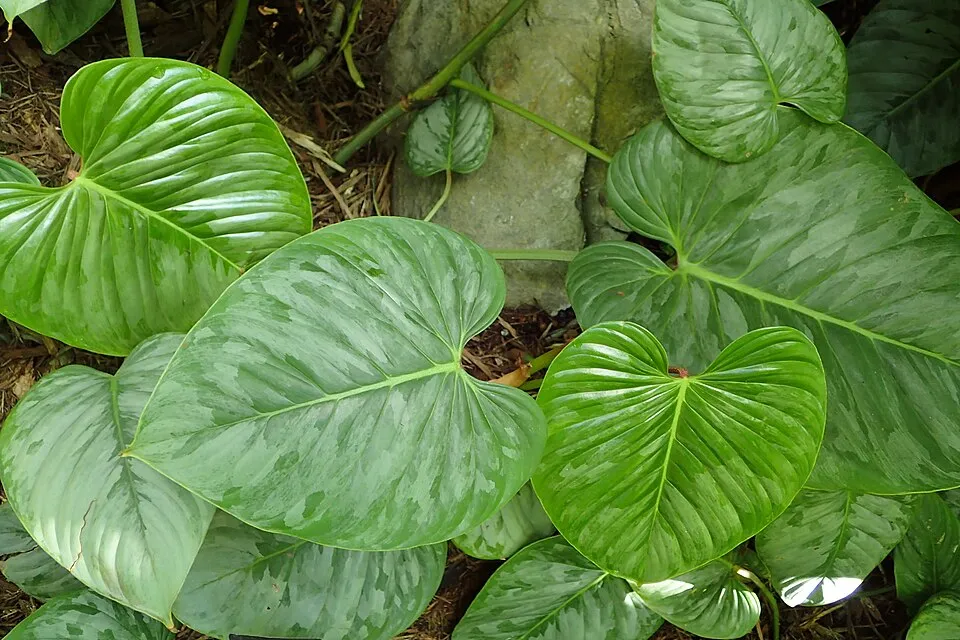
Philodendron sodiroi is a captivating species of flowering plant indigenous to the humid, tropical rainforests of Ecuador and Colombia, where it thrives within the shaded understory. Belonging to the extensive Araceae family, this plant exhibits a fascinating hemiepiphytic growth habit. It typically commences its life cycle as a terrestrial seedling, establishing roots in the forest floor.
As it matures, Philodendron sodiroi transitions to an epiphytic or climbing existence, anchoring itself to the trunks of larger host trees. This allows it to ascend towards dappled, filtered sunlight and benefit from the high ambient humidity characteristic of its native habitat. Its robust root system initially secures it in soil, later adapting to crevices in tree bark, from which it extracts moisture and nutrients from decaying organic matter and rainwater.
The most striking feature of Philodendron sodiroi is its distinctive foliage. The leaves are characteristically cordate, or heart-shaped, presenting a glossy, deep green upper surface. This rich verdant hue is dramatically punctuated by an irregular, yet aesthetically pleasing, variegation of silvery-white splotches and intricate patterns.
These silvery markings often follow the primary veins and extend into the interveinal areas, contributing to its high ornamental appeal. The lower surface of the leaf typically maintains a uniform green, occasionally displaying a subtle pale greenish-purple tint. The leaves possess a coriaceous, leathery texture, providing a substantial feel.
Long, relatively slender petioles support these impressive leaves, sometimes exhibiting a slightly rugose texture and vestigial wings.
Taxonomically, Philodendron sodiroi is classified within the genus Philodendron, one of the largest genera in the Araceae family, encompassing hundreds of species. The genus name 'Philodendron' originates from the Greek 'philo' (loving) and 'dendron' (tree), aptly describing its affinity for climbing trees.
Trusted Scientific References
1. Authoritative external sources for Philodendron sodiroi
1.1 Wikipedia — Philodendron sodiroi
1.2 Kew POWO (Plants of the World Online)
1.3 PubMed — peer-reviewed research
1.4 NCBI Taxonomy Browser
1.5 GBIF — Global Biodiversity
1.1.Philodendron Sodiroi — Distinguishing Points
- ✓Foliage Variegation — Displays striking irregular silvery-white splotches and patterns on glossy dark green, heart-shaped leaves.
- ✓Hemiepiphytic Growth — Begins as a terrestrial plant and later climbs trees, adapting to an epiphytic lifestyle.
- ✓Cordate Leaves — Distinctive heart-shaped (cordate) leaves, typically ranging from 6-10 inches (15-25 cm) long.
- ✓Araceae Family Member — Belongs to the Araceae family, known for containing irritating calcium oxalate crystals.
- ✓Tropical Origin — Native to the humid rainforests of Ecuador and Colombia, requiring warm, moist conditions.
- ✓Climbing Habit — Naturally climbs support structures, benefiting from moss poles or trellises in cultivation.
- ✓Ornamental Value — Highly sought after by plant collectors and enthusiasts for its exceptional aesthetic appeal.
- ✓Coriaceous Texture — Leaves possess a leathery, somewhat rigid, and substantial texture.
- ✓Long Petioles — Features relatively long and slender petioles supporting the impressive leaves.
- ✓Understory Dweller — Thrives in dappled, filtered light conditions found in forest understories.
1.2.Philodendron Sodiroi — At-a-Glance Summary
- ✓Primary Use — Highly prized ornamental houseplant for its striking variegated foliage.
- ✓Key Compound — Contains insoluble calcium oxalate crystals, making it toxic if ingested.
- ✓Medicinal Status — Not a medicinal plant; no documented traditional or scientific therapeutic uses.
- ✓Toxicity Risk — Severe oral and gastrointestinal irritation, swelling, and breathing difficulties if ingested.
- ✓Safe Handling — Requires protective gloves during handling to prevent skin irritation.
- ✓Habitat — Native to tropical rainforests of Ecuador and Colombia, thrives in high humidity and indirect light.
2.Philodendron Sodiroi — Botanical Identity
3.Philodendron Sodiroi — Key Data
4.Philodendron Sodiroi — Botanical Description
5.Philodendron Sodiroi — Native Range & Habitat
6.Philodendron Sodiroi — Heritage Uses
7.Philodendron Sodiroi — Phytochemistry
- ✓Calcium Oxalate Crystals — These insoluble needle-like crystals (raphides) are the primary irritating and toxic constituents found throughout all parts of Philodendron sodiroi, causing severe irritation upon contact or ingestion.
- ✓Carbohydrates — Essential structural and energy-storage molecules, including cellulose in cell walls and various sugars, common to all plant tissues, but without medicinal significance in this plant.
- ✓Proteins and Amino Acids — Fundamental building blocks for plant growth, enzymes, and metabolic processes, present in all living cells of the plant, not for human therapeutic use.
- ✓Lipids — Fats, oils, and waxes that serve as energy reserves, structural components of membranes, and protective coatings on leaves, typically in non-medicinal quantities.
- ✓Chlorophylls and Carotenoids — Photosynthetic pigments responsible for the green and subtle hues of the leaves, crucial for energy production within the plant.
- ✓Phenolic Compounds (Trace) — Broad group of secondary metabolites, potentially present in trace amounts, contributing to plant defense or coloration, but not in medicinally significant quantities for this species.
- ✓Flavonoids (Trace) — A subgroup of phenolics, possibly present in minor concentrations, with general antioxidant properties in plants, but without documented human therapeutic effects from this plant.
- ✓Saponins (Trace) — Glycosides that can produce a soapy lather; may be present in very low, non-medicinal concentrations as part of the plant's natural biochemistry, not for human consumption.
8.Philodendron Sodiroi — Evidence-Based Benefits
- ✓No Documented Medicinal Value — Philodendron sodiroi is not recognized in traditional or modern herbal medicine for any therapeutic applications, lacking scientific evidence of health benefits.
- ✓Primary Ornamental Contribution — This species is highly valued for its striking aesthetic appeal, serving primarily as a decorative plant in indoor and greenhouse settings.
- ✓Enhances Indoor Aesthetics — The unique variegation of Philodendron sodiroi adds significant visual interest and natural beauty to interior spaces, improving ambiance.
- ✓Promotes Horticultural Engagement — Cultivating Philodendron sodiroi encourages interest in botany and plant care, fostering a deeper connection with nature and horticultural hobbies.
- ✓Air Quality (Indirect Ambient Effect) — While not a direct air purifier, the presence of plants like Philodendron sodiroi can contribute to a perceived fresher and more vibrant indoor environment.
- ✓Ecological Role in Native Habitats — In its natural rainforest environment, it contributes to biodiversity and ecosystem stability as a hemiepiphyte, providing habitat and nutrient cycling.
- ✓Educational Specimen — Serves as an excellent example for studying hemiepiphytic growth, variegated foliage, and the diverse characteristics of the Araceae family in botanical education.
- ✓Stress Reduction (Indirect through Horticulture) — Engaging with beautiful plants such as Philodendron sodiroi can have a calming effect and reduce stress for some individuals through plant care.
- ✓Collector's Item — Its rarity and distinctive appearance make it a highly sought-after plant among collectors, stimulating the horticultural trade and plant appreciation.
- ✓Habitat Mimicry in Terrariums — Can be used in large, high-humidity terrariums or vivariums to replicate tropical ecosystems for specific fauna, offering environmental enrichment.
- ✓Aesthetic Focal Point — Its unique leaves and growth habit make it a natural focal point in plant arrangements or standalone displays, drawing attention and admiration.
- ✓Biodiversity Conservation Awareness — Cultivating unique species like Philodendron sodiroi can raise awareness about tropical plant diversity and the critical need for rainforest conservation.
8.1.Philodendron Sodiroi — Health Applications
9.Philodendron Sodiroi — Cautions & Contraindications
9.1.Philodendron Sodiroi — Caution Notes
- ✓Oral and Pharyngeal Irritation — Ingestion causes immediate and intense burning pain in the mouth, throat, and esophagus due to calcium oxalate crystals.
- ✓Swelling and Difficulty Breathing — Significant swelling of the tongue, lips, and throat can occur, potentially leading to airway obstruction and difficulty breathing.
- ✓Gastrointestinal Distress — Nausea, vomiting, abdominal pain, and diarrhea are common after ingestion, resulting from irritation to the digestive tract lining.
- ✓Skin Irritation — Direct contact with sap or plant parts can cause localized skin irritation, itching, redness, and dermatitis in sensitive individuals.
- ✓Eye Irritation — Accidental contact with eyes can lead to severe pain, redness, swelling, and temporary vision impairment.
- ✓Excessive Salivation — Increased drooling is a common symptom following ingestion, particularly in pets, as the body attempts to flush out irritants.
- ✓Voice Changes — Swelling of the vocal cords can lead to hoarseness or temporary loss of voice.
9.2.Philodendron Sodiroi — Clinical Safety Notes
- ✓Toxic if Ingested — Philodendron sodiroi contains insoluble calcium oxalate crystals in all its parts, making it toxic and highly irritating if ingested by humans or animals.
- ✓Keep Away from Children and Pets — Ensure the plant is placed out of reach of curious children and pets to prevent accidental ingestion and severe poisoning.
- ✓Wear Protective Gloves — Always use gloves when handling the plant, especially during repotting or pruning, to avoid skin irritation from the sap.
- ✓Avoid Eye Contact — Exercise caution to prevent sap or plant particles from entering the eyes, as it can cause significant irritation and discomfort.
- ✓Not for Medicinal Use — This plant has no documented medicinal properties and should never be prepared or consumed for therapeutic purposes.
- ✓Seek Medical Attention Immediately — In case of ingestion or severe contact, consult a poison control center or a healthcare professional without delay.
- ✓Wash Hands Thoroughly — After any direct contact with the plant, wash hands thoroughly with soap and water, even if gloves were worn.
10.Philodendron Sodiroi — Preparation Methods
- ✓Ornamental Cultivation — Primarily grown as an indoor houseplant or in tropical garden settings for its exceptional decorative foliage, providing significant aesthetic value.
- ✓Display as a Specimen Plant — Position Philodendron sodiroi in prominent locations to showcase its unique variegated leaves, often with a moss pole for climbing support.
- ✓Safe Handling During Maintenance — Always wear protective gloves when handling the plant, especially during repotting, pruning, or cleaning, to prevent skin irritation from calcium oxalate crystals.
- ✓Educational Tool — Utilized in botanical gardens or academic settings to demonstrate hemiepiphytic growth habits and the diversity within the Araceae family.
- ✓Photography Subject — Its striking patterns and unique form make it a popular subject for plant photography and botanical art, capturing its distinct beauty.
- ✓Propagation for Collection — Cuttings are taken and rooted to propagate new plants, expanding collections or sharing with other enthusiasts, always with caution and protective measures.
- ✓Environmental Enrichment in Vivariums — Can be carefully incorporated into large, secure vivariums or terrariums to create naturalistic habitats for specific reptile or amphibian species, ensuring animal safety and preventing ingestion.
- ✓Non-Ingestible Plant Art — Used in non-edible plant arrangements or living walls where its beauty can be appreciated without any risk of ingestion by humans or pets.
11.Philodendron Sodiroi — How to Grow
- ✓Light — Provide bright, indirect light; direct sun can scorch its delicate variegated leaves. Filtered light, mimicking its understory habitat, is ideal.
- ✓Humidity — Requires high ambient humidity (60-80%) to thrive. Use a humidifier, pebble tray, or group with other plants to maintain moisture.
- ✓Soil & Potting — Plant in a well-draining, airy potting mix rich in organic matter. An aroid mix with bark, perlite, and coco coir is recommended. Ensure the pot has drainage holes.
- ✓Watering — Water thoroughly when the top 1-2 inches of soil feel dry. Allow excess water to drain completely to prevent root rot. Reduce watering in cooler months.
- ✓Support — As a climbing hemiepiphyte, Philodendron sodiroi benefits significantly from a moss pole or other climbing structure to support its aerial roots and encourage larger leaf growth.
- ✓Temperature — Maintain warm temperatures between 65-80°F (18-27°C). Avoid sudden temperature fluctuations or cold drafts.
- ✓Fertilization — Feed with a balanced liquid fertilizer diluted to half strength every 2-4 weeks during the growing season (spring and summer). Reduce or cease feeding in winter.
- ✓Propagation — Can be propagated through stem cuttings, ideally with at least one node and aerial root, rooted in water, sphagnum moss, or a well-draining substrate.
Reviewed by the Flora Medical Global Botanical Review Panel
Multi-disciplinary editorial group · Botany · Ethnobotany · Herbal-medicine literature
Who reviewed this: This page was checked by the Flora Medical Global Botanical Review Panel — an in-house editorial group of botany graduates, ethnobotany researchers, and horticulture practitioners who collectively maintain our 7,000+ plant encyclopedia. Meet the team.
Our 4-step verification process
1. Taxonomic verification
Scientific names and synonyms cross-checked against Kew POWO, World Flora Online, and The Plant List.
2. Phytochemical & medicinal cross-reference
Active compounds, traditional uses, and reported activities are cross-referenced with PubMed, USDA Dr. Duke's database, and peer-reviewed ethnobotanical literature.
3. Conservation & distribution check
Distribution, ecology, and conservation status confirmed against GBIF occurrence records and the IUCN Red List.
4. Editorial & safety review
Every entry passes an editorial pass for clarity, originality, and safety notices (toxicity, contraindications, dosage caveats) before publication.
Last reviewed:
Important medical disclaimer: This content is for educational and research purposes only. It is not medical advice and is not a substitute for consultation with a licensed healthcare provider. Do not use any herb to self-treat a medical condition without professional guidance.
Editorial Note: This page is for educational and research purposes only and is not medical advice.
Written by: Flora Medical Global Editorial Team
Reviewed by: Flora Medical Global Botanical Review Panel
Last Updated: June 15, 2026





Philodendron Sodiroi — Comments & Community Reviews
Rate this plant