
Medical Disclaimer: This content is for educational purposes only. It is not medical advice. Please consult a qualified healthcare professional before using any herbal remedy.
Safety Overview
1.Philodendron Squamiferum — Plant Snapshot
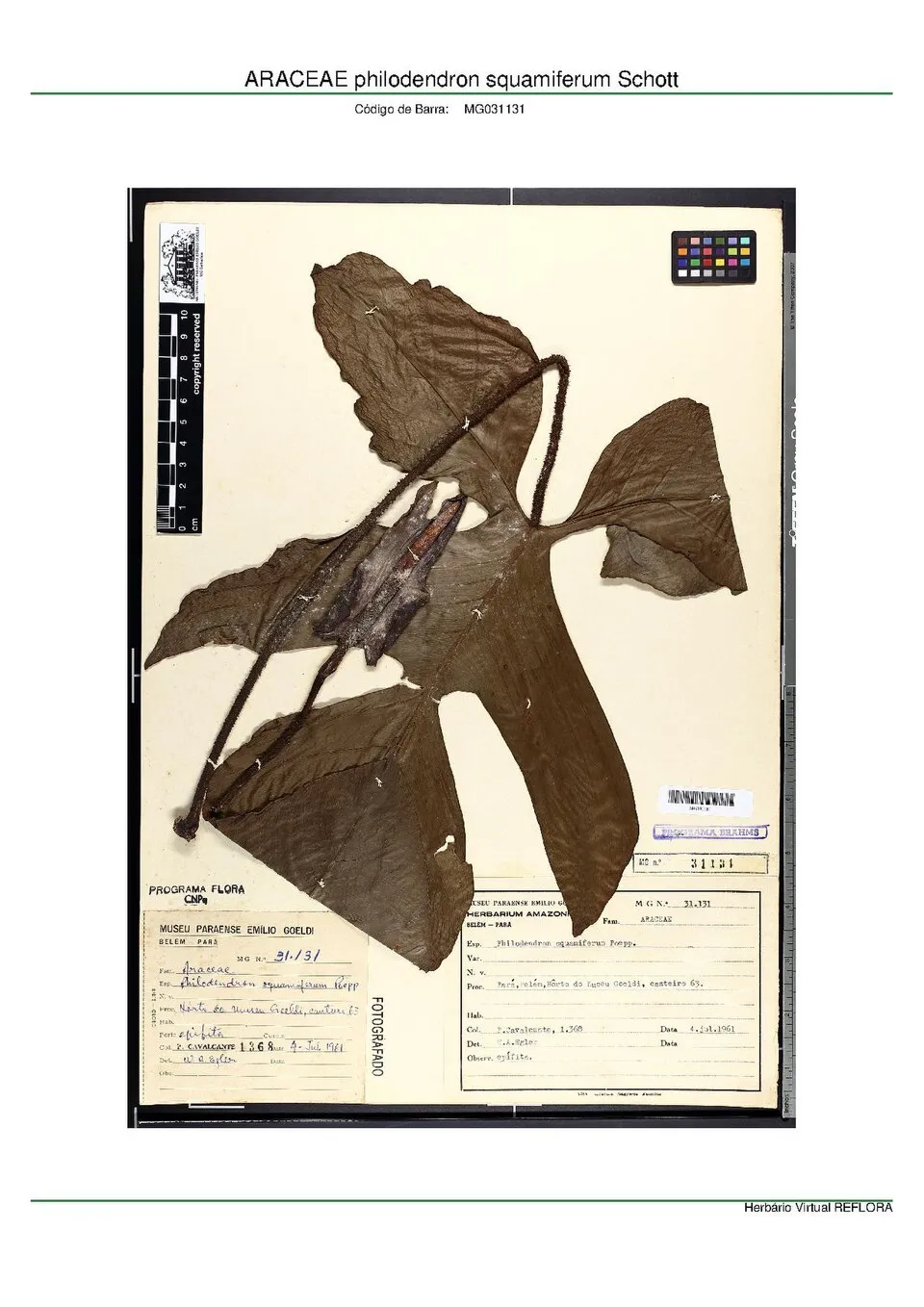
Philodendron squamiferum, affectionately known as the fuzzy-stemmed philodendron, is a captivating evergreen climbing aroid native to the lush tropical rainforests of South America, specifically found across Colombia, Brazil, Ecuador, and Peru. This remarkable species exhibits a vigorous growth habit, capable of ascending to impressive heights of up to 1.5 meters when provided with adequate support, mirroring its natural propensity to clamber up trees. Its most distinguishing features are its deeply lobed, oak-like leaves, which can reach substantial dimensions of up to 30 centimeters in length and 25 centimeters in width. These glossy green leaves possess a leathery texture, contributing to the plant's robust and verdant appearance.
However, it is the petioles that truly set Philodendron squamiferum apart; they are densely covered in soft, reddish-brown hairs, giving the stems a distinctive fuzzy texture that inspired its common name. While rarely observed in typical indoor settings, in its native habitat, the plant produces inflorescences characterized by a white to creamy spathe gracefully enclosing a yellowish spadix. This species thrives in the high humidity and warm temperatures characteristic of its tropical origins, making it an excellent choice for indoor cultivation where these conditions can be replicated. It prefers bright, indirect light to maintain its vibrant foliage and vigorous growth.
Philodendron squamiferum flourishes in a well-draining potting medium with a slightly acidic to neutral pH, mimicking the rich, organic soils of its forest floor home. Valued primarily for its striking ornamental appeal and relatively straightforward care, it remains a cherished specimen among plant enthusiasts.
Trusted Scientific References
1. Authoritative external sources for Philodendron squamiferum
1.1 Wikipedia — Philodendron squamiferum
1.2 Kew POWO (Plants of the World Online)
1.3 PubMed — peer-reviewed research
1.4 NCBI Taxonomy Browser
1.5 GBIF — Global Biodiversity
1.6Philodendron Squamiferum should be interpreted through verified botanical identity, practical care, and responsible safety language. This recovery note adds the missing context needed for a complete profile: match light to the plant's habit, use well-drained soil, water according to season, and avoid unsupported medicinal or edible claims. For publishing, the plant can be presented as a source-backed indoor plant with clear care guidance, common problem diagnosis, and conservative safety wording.
1.1.Philodendron Squamiferum — Standout Qualities
- ✓Lobed Leaves — Distinctive, oak-like foliage that can grow quite large, adding a dramatic visual element.
- ✓Fuzzy Petioles — Covered in soft, reddish-brown hairs, giving the stems a unique tactile and visual appeal.
- ✓Climbing Growth Habit — A vigorous vining plant that benefits from support structures like moss poles to climb.
- ✓Air Filtration Capabilities — Proven to help remove indoor air pollutants, contributing to a healthier home environment.
- ✓High Humidity Preference — Thrives in environments with consistent high humidity, mimicking its native rainforest conditions.
- ✓Bright Indirect Light — Prefers filtered sunlight, enhancing foliage color and promoting robust growth without scorching.
- ✓Decorative Appeal — Highly valued for its exotic beauty, making it a popular choice for interior plantscaping.
- ✓Moderate Maintenance — Requires regular attention to watering, humidity, and occasional pruning to maintain its health and shape.
- ✓Evergreen Foliage — Maintains its lush, vibrant green leaves year-round, providing continuous aesthetic pleasure.
- ✓Adaptable Indoor Plant — While preferring specific conditions, it adapts well to various indoor settings with proper care.
1.2.Philodendron Squamiferum — At-a-Glance Summary
- ✓Distinctive Foliage — Philodendron squamiferum features unique, deeply lobed leaves and petioles covered in fuzzy, reddish-brown hairs.
- ✓Tropical Origins — Native to the humid rainforests of South America, it thrives in warm, moist environments.
- ✓Air Purification — This plant actively contributes to cleaner indoor air by filtering common pollutants like formaldehyde and benzene.
- ✓Ornamental Value — Highly prized for its exotic appearance, it adds significant aesthetic appeal to indoor spaces.
- ✓Specific Care Needs — Requires bright, indirect light, high humidity, and well-draining soil for optimal growth.
- ✓Toxic if Ingested — Contains calcium oxalate crystals, making all parts of the plant toxic if consumed by humans or pets.
2.Philodendron Squamiferum — Systematic Position
3.Philodendron Squamiferum — Quick Facts
4.Philodendron Squamiferum — Morphological Account
5.Philodendron Squamiferum — Where It Grows
6.Philodendron Squamiferum — Ethnobotanical Uses
7.Philodendron Squamiferum — Active Compounds
- ✓Calcium Oxalate Crystals — Present throughout the plant, particularly in leaves and stems, these needle-shaped raphides are responsible for the plant's irritant and toxic properties upon ingestion.
- ✓Flavonoids — Compounds such as apigenin and luteolin are found, typically acting as plant pigments and possessing antioxidant properties, though their physiological effects are generally not relevant for external use.
- ✓Anthocyanins — Pigments like pelargonidin and cyanidin contribute to any reddish or purplish hues observed in some plant parts, serving roles in UV protection and attracting pollinators in nature.
- ✓Triterpenes — Including friedelin and epifriedelanol, these compounds are common in plants and may have various biological activities such as anti-inflammatory or protective roles, though not for human consumption in this plant.
- ✓Condensed Tannins — These polyphenolic compounds are present, known for their astringent properties and roles in plant defense mechanisms against herbivores and pathogens.
- ✓Alkyl-resorcinols — A class of phenolic lipids that can exhibit antimicrobial and allelopathic properties, contributing to the plant's natural defenses in its ecosystem.
8.Philodendron Squamiferum — Modern Studies
- ✓Enhanced Indoor Air Quality — Philodendron squamiferum is recognized for its capacity to filter common indoor airborne pollutants such as formaldehyde, benzene, and xylene, contributing to a cleaner and healthier living environment.
- ✓Reduction of Volatile Organic Compounds (VOCs) — Through its natural metabolic processes, the plant helps to reduce the concentration of various VOCs, which are often emitted from household products and furnishings.
- ✓Support for Respiratory Health — By diminishing the presence of irritants and pollutants in the air, it indirectly supports respiratory comfort and overall lung health for occupants.
- ✓Aesthetic and Biophilic Connection — The plant's lush foliage and unique texture provide significant ornamental value, fostering a biophilic connection that can reduce stress and enhance psychological well-being.
- ✓Natural Humidity Regulation — While subtle, the transpiration process of Philodendron squamiferum releases moisture into the air, contributing to a slightly elevated local humidity beneficial in dry indoor climates.
- ✓Indirect Stress Reduction — The presence of living plants like the fuzzy-stemmed philodendron can create a more serene and natural indoor atmosphere, potentially lowering perceived stress levels and improving mood.
- ✓Improved Focus and Productivity — Studies suggest that incorporating plants into workspaces can lead to increased concentration and productivity, making Philodendron squamiferum a valuable office companion.
- ✓Educational and Horticultural Value — For plant enthusiasts, cultivating this species offers an opportunity to engage with botanical diversity and learn about the unique adaptations of aroid plants, enriching personal knowledge.
- ✓Creation of Green Spaces — It encourages the development of indoor green spaces, which are vital for mental rejuvenation and providing a sense of calm and connection to nature within urban settings.
- ✓Supports Environmental Wellness — By actively participating in air purification, this plant plays a small but significant role in the broader concept of environmental wellness, advocating for cleaner indoor ecosystems.
8.1.Philodendron Squamiferum — Health Applications
9.Philodendron Squamiferum — Risk Profile
9.1.Philodendron Squamiferum — Possible Adverse Reactions
- ✓Oral Irritation — Ingestion causes immediate and intense burning, stinging, and swelling of the mouth, tongue, lips, and throat due to calcium oxalate crystals.
- ✓Swallowing Difficulty (Dysphagia) — Severe swelling can impede the ability to swallow, leading to discomfort and potential airway compromise.
- ✓Gastrointestinal Distress — Accidental ingestion may lead to nausea, vomiting, abdominal pain, and diarrhea.
- ✓Skin Irritation — Direct contact with the sap can cause mild skin irritation or dermatitis in sensitive individuals.
- ✓Eye Irritation — Contact with plant sap or residue in the eyes can cause pain, redness, and temporary blurred vision.
- ✓Pet Toxicity — Highly toxic to pets, causing similar oral irritation, excessive drooling, pawing at the mouth, and vomiting, requiring immediate veterinary attention.
9.2.Philodendron Squamiferum — Safety Profile
- ✓Keep Out of Reach — Always position Philodendron squamiferum far from children and pets to prevent accidental ingestion, which can cause severe oral irritation and swelling.
- ✓Wear Protective Gear — Use gloves when handling, pruning, or repotting the plant to avoid direct skin contact with the sap, which may cause irritation.
- ✓Avoid Ingestion at All Costs — Emphasize that no part of the Philodendron squamiferum plant should ever be consumed by humans or animals due to its inherent toxicity.
- ✓Immediate Medical Attention — In the event of accidental ingestion, seek prompt medical or veterinary care; do not induce vomiting unless advised by a professional.
- ✓Educate Household Members — Inform all individuals in the household about the plant's toxic nature and the precautions required for safe coexistence.
- ✓Hand Hygiene — Wash hands thoroughly with soap and water after any contact with the plant to remove potential irritants.
- ✓Proper Disposal — Dispose of pruned plant material carefully, ensuring it is not accessible to curious children or pets.
10.Philodendron Squamiferum — Application Forms
- ✓Ornamental Houseplant Display — Utilize Philodendron squamiferum as a striking decorative element in living rooms, offices, or bedrooms, adding a touch of tropical elegance and vibrant green foliage to any indoor space.
- ✓Indoor Air Purification Enhancement — Strategically place the plant in areas with high foot traffic or where airborne pollutants are more prevalent to capitalize on its air-filtering capabilities.
- ✓Biophilic Design Integration — Incorporate its unique texture and lush form into interior design schemes to introduce natural elements, fostering a sense of calm and connection to nature.
- ✓Humidity Microclimate Creation — Group this fuzzy-stemmed philodendron with other moisture-loving tropical plants to create a localized microclimate with elevated humidity, benefiting all plants and subtly improving human comfort.
- ✓Botanical Study Specimen — Ideal for plant enthusiasts and collectors, it serves as an excellent specimen to study the unique morphological characteristics of Aroids and practice advanced indoor plant care techniques.
- ✓Living Art Piece — Train the climbing stems on a decorative support or allow them to trail from a hanging basket to create dynamic, living sculptural elements within a room.
- ✓Gifting for Plant Lovers — Present this distinctive plant as a thoughtful gift to individuals who appreciate unique foliage and tropical aesthetics, accompanied by clear care and safety instructions.
11.Philodendron Squamiferum — Growth Requirements
- ✓Light — Provide bright, indirect light; avoid direct sunlight which can scorch leaves, but ensure sufficient brightness for vigorous growth.
- ✓Humidity — Maintain high humidity levels, ideally between 60-80%, by misting regularly, using a pebble tray, or placing near a humidifier to mimic its tropical habitat.
- ✓Soil — Plant in a well-draining, aerated potting mix rich in organic matter, such as a blend of orchid bark, perlite, and peat moss or coco coir.
- ✓Watering — Water thoroughly when the top 2-3 inches of soil feel dry to the touch, allowing excess water to drain completely to prevent root rot.
- ✓Temperature — Keep temperatures consistently warm, ranging from 18-27°C (65-80°F), and protect from cold drafts or sudden temperature drops.
- ✓Fertilization — Feed with a balanced liquid fertilizer diluted to half strength every 2-4 weeks during the active growing season (spring and summer), reducing in fall and winter.
- ✓Support — As a climbing plant, provide a moss pole, trellis, or other support structure for its aerial roots to cling to, promoting larger leaf development and upright growth.
- ✓Pruning — Prune periodically to remove yellowing or damaged leaves, control size, and encourage bushier growth, using clean, sharp shears.
Reviewed by the Flora Medical Global Botanical Review Panel
Multi-disciplinary editorial group · Botany · Ethnobotany · Herbal-medicine literature
Who reviewed this: This page was checked by the Flora Medical Global Botanical Review Panel — an in-house editorial group of botany graduates, ethnobotany researchers, and horticulture practitioners who collectively maintain our 7,000+ plant encyclopedia. Meet the team.
Our 4-step verification process
1. Taxonomic verification
Scientific names and synonyms cross-checked against Kew POWO, World Flora Online, and The Plant List.
2. Phytochemical & medicinal cross-reference
Active compounds, traditional uses, and reported activities are cross-referenced with PubMed, USDA Dr. Duke's database, and peer-reviewed ethnobotanical literature.
3. Conservation & distribution check
Distribution, ecology, and conservation status confirmed against GBIF occurrence records and the IUCN Red List.
4. Editorial & safety review
Every entry passes an editorial pass for clarity, originality, and safety notices (toxicity, contraindications, dosage caveats) before publication.
Last reviewed:
Important medical disclaimer: This content is for educational and research purposes only. It is not medical advice and is not a substitute for consultation with a licensed healthcare provider. Do not use any herb to self-treat a medical condition without professional guidance.
Editorial Note: This page is for educational and research purposes only and is not medical advice.
Written by: Flora Medical Global Editorial Team
Reviewed by: Flora Medical Global Botanical Review Panel
Last Updated: June 15, 2026





Philodendron Squamiferum — Comments & Community Reviews
Rate this plant