
Medical Disclaimer: This content is for educational purposes only. It is not medical advice. Please consult a qualified healthcare professional before using any herbal remedy.
Safety Overview
1.Philodendron Xanadu — Plant Snapshot
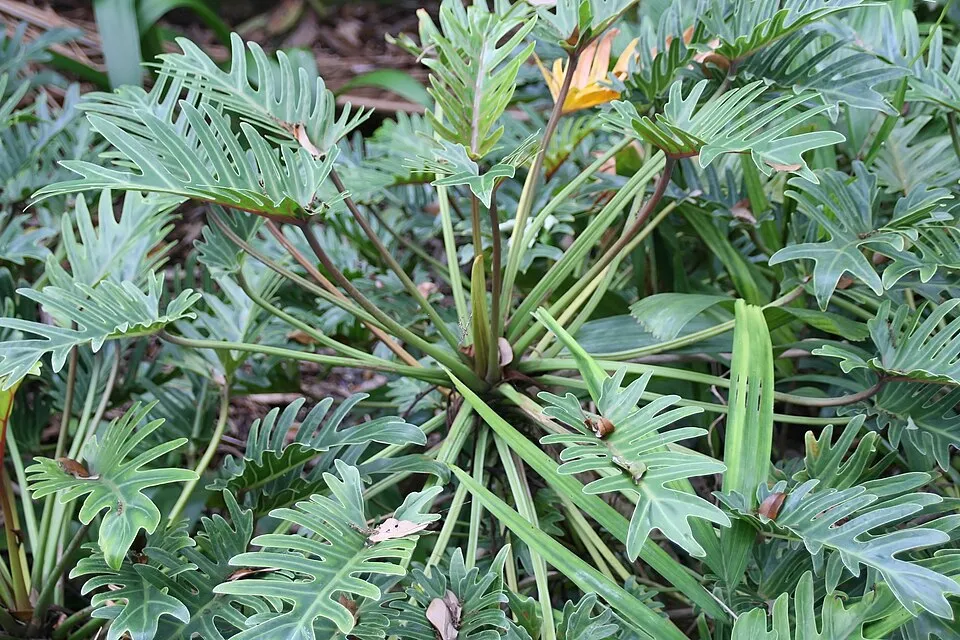
Thaumatophyllum xanadu, commonly known as Philodendron Xanadu, is a captivating evergreen perennial belonging to the Araceae family, native to the lush tropical rainforests of Brazil. This species was formerly classified under the genus Philodendron but was reclassified into Thaumatophyllum due to distinct morphological and genetic characteristics, particularly its arborescent growth habit and unique leaf development. The plant typically exhibits a compact, bushy growth form, reaching heights of up to 3 feet (90 cm) and spreading outwards to about 4 feet (120 cm) wide, making it an ideal choice for indoor cultivation and smaller garden spaces. Its most striking feature is its foliage: large, deeply lobed leaves that are distinctly divided into narrow, finger-like segments, giving them a characteristic 'cut' appearance.
These glossy, dark green leaves can measure between 12 to 20 inches (30 to 50 cm) in length and possess a leathery texture, contributing to their resilience and ornamental appeal. The stems are robust and sturdy, typically greenish-brown, sometimes exhibiting a mottled pattern, and as the plant matures, they can develop a woody texture near the base. While Thaumatophyllum xanadu is capable of producing flowers, these are a rare sight in indoor environments. When they do emerge, they display the typical Araceae inflorescence structure: a spathe (a modified leaf that encloses the spadix) and a spadix (a fleshy spike bearing numerous small flowers).
The spathe is usually green to creamy white, subtly blending with the foliage. In its natural habitat, Xanadu thrives as an understory plant, preferring bright, indirect sunlight and high humidity, conditions it tolerates well when adapted to indoor settings. Its robust root system consists of fibrous roots, and in its native environment, it can develop aerial roots that help it anchor to trees and absorb moisture. The plant's aesthetic qualities, coupled with its adaptability, make it a popular choice for enhancing indoor environments.
Trusted Scientific References
1. Authoritative external sources for Thaumatophyllum xanadu
1.1 Wikipedia — Thaumatophyllum xanadu
1.2 Kew POWO (Plants of the World Online)
1.3 PubMed — peer-reviewed research
1.4 NCBI Taxonomy Browser
1.5 GBIF — Global Biodiversity
1.1.Philodendron Xanadu — Defining Traits
- ✓Deeply lobed, glossy dark green leaves, 12 — 20 inches long.
- ✓Compact, bushy growth — Compact, bushy growth habit, reaching 3 feet tall and 4 feet wide.
- ✓Arborescent growth form — Arborescent growth form with robust, sometimes woody stems.
- ✓Member of the — Member of the Araceae family, native to Brazilian rainforests.
- ✓Adaptable indoor plant, — Adaptable indoor plant, tolerates various light conditions (prefers indirect).
- ✓Known for air — purifying capabilities and humidity regulation.
- ✓Contains irritating calcium — Contains irritating calcium oxalate crystals, making it toxic upon ingestion.
- ✓Easy propagation via — Easy propagation via stem cuttings or root division.
- ✓Symbolizes health, abundance, — Symbolizes health, abundance, and tranquility in modern contexts.
- ✓Rare to flower — Rare to flower indoors, producing a typical Araceae spathe and spadix.
1.2.Philodendron Xanadu — In Brief
- ✓Thaumatophyllum xanadu is an evergreen perennial native to Brazil, known for its deeply lobed, glossy green leaves.
- ✓Formerly classified as Philodendron, it was reclassified due to distinct morphological characteristics.
- ✓Primarily valued as an ornamental houseplant for its aesthetic appeal and air-purifying qualities.
- ✓Contains calcium oxalate crystals, making it toxic if ingested by humans or pets.
- ✓Easy to care for, thriving in bright, indirect light and high humidity.
- ✓Contributes to indoor environmental health by reducing stress and regulating humidity.
2.Philodendron Xanadu — Systematic Position
3.Philodendron Xanadu — Botanical Stats
4.Philodendron Xanadu — Morphological Account
5.Philodendron Xanadu — Geographic Distribution
6.Philodendron Xanadu — Historical Applications
7.Philodendron Xanadu — Secondary Metabolites
- ✓Calcium Oxalate Crystals — These insoluble crystals, primarily calcium oxalate monohydrate and dihydrate (raphides and druses), are characteristic of the Araceae family and serve as a primary defense mechanism against herbivory. Ingestion can cause irritation.
- ✓Flavonoids — A diverse group of polyphenolic compounds, often found in plant tissues, known for their antioxidant properties. While not widely studied in Thaumatophyllum xanadu, these could contribute to general plant health and defense.
- ✓Saponins — Glycosides that produce a frothing effect in water; some saponins have demonstrated cytotoxic or hemolytic properties. Their presence in Thaumatophyllum xanadu is likely a defense mechanism.
- ✓Alkaloids — Nitrogen-containing organic compounds, often with potent physiological effects. Specific alkaloids in Thaumatophyllum xanadu are not extensively characterized, but their presence is possible within the Araceae family.
- ✓Terpenoids — A large class of organic compounds derived from isoprene units. These can contribute to plant aroma, defense, and potentially have insecticidal properties.
- ✓Phenolic Acids — Simple phenolic compounds that often possess antioxidant and antimicrobial activities. These are ubiquitous in plants and likely present in Thaumatophyllum xanadu.
- ✓Polysaccharides — Complex carbohydrates that play structural and energy storage roles within the plant, contributing to its overall cellular integrity and metabolic functions.
- ✓Phytosterols — Plant sterols that are analogous to cholesterol in animals, found in plant cell membranes and playing roles in plant growth and defense.
8.Philodendron Xanadu — Research Insights
- ✓Air Purification — Thaumatophyllum xanadu actively contributes to improving indoor air quality by absorbing common volatile organic compounds (VOCs) such as formaldehyde and benzene, which are often emitted by household products and building materials. This process, known as phytoremediation, helps create a healthier living environment.
- ✓Stress Reduction — The presence of lush green plants like Philodendron Xanadu in indoor spaces has been scientifically linked to a reduction in psychological stress, improved mood, and enhanced cognitive function. Interacting with nature, even indoors, can lower cortisol levels and promote relaxation.
- ✓Humidity Regulation — Through transpiration, Thaumatophyllum xanadu releases water vapor into the air, naturally increasing ambient humidity levels. This can be beneficial for respiratory health, alleviating dry skin, and reducing the incidence of airborne pathogens in dry indoor environments.
- ✓Enhanced Well-being — Cultivating plants fosters a sense of purpose and connection to nature, contributing to overall mental and emotional well-being. The visual appeal and life-affirming presence of Philodendron Xanadu can create a more inviting and calming atmosphere.
- ✓Noise Reduction — While subtle, the dense foliage of indoor plants can help absorb and diffuse ambient noise, creating a quieter and more peaceful environment, particularly in enclosed spaces.
- ✓Improved Focus and Productivity — Studies suggest that green spaces, including indoor plants, can enhance concentration and productivity in work or study environments by providing a refreshing visual break and reducing mental fatigue.
- ✓Aesthetic Therapy — The vibrant green and unique form of Philodendron Xanadu can act as a natural focal point, offering visual comfort and a sense of vitality that can positively influence mental state and provide a sense of calm.
8.1.Philodendron Xanadu — Health Applications
9.Philodendron Xanadu — Adverse Effects
9.1.Philodendron Xanadu — Warnings
- ✓Oral Irritation — Ingestion of any part of Thaumatophyllum xanadu can cause immediate and intense burning, irritation, and swelling of the mouth, tongue, and throat due to insoluble calcium oxalate crystals.
- ✓Digestive Upset — If ingested, symptoms may include nausea, vomiting, abdominal pain, and diarrhea, particularly in sensitive individuals or with larger quantities.
- ✓Skin Irritation — Direct contact with the plant sap or crushed leaves can cause skin irritation, redness, itching, or dermatitis in susceptible individuals.
- ✓Eye Irritation — Contact with eyes can lead to pain, redness, swelling, and temporary blurred vision; immediate flushing is recommended.
- ✓Pet Toxicity — Highly toxic to pets (cats, dogs), causing oral irritation, excessive drooling, difficulty swallowing, vomiting, and loss of appetite if ingested.
- ✓Choking Hazard — Severe swelling of the throat or airway due to ingestion can potentially lead to difficulty breathing or choking, requiring immediate medical attention.
- ✓Allergic Reactions — While rare, some individuals may experience allergic reactions to plant components beyond the direct irritant effects of calcium oxalates.
9.2.Philodendron Xanadu — Risk Assessment
- ✓Keep Out of Reach — Always place Thaumatophyllum xanadu plants away from children and pets to prevent accidental ingestion.
- ✓Handle with Care — Wear gloves when handling the plant, especially during pruning or repotting, to avoid skin contact with irritating sap.
- ✓Avoid Ingestion — Emphasize that no part of the Philodendron Xanadu should be consumed by humans or animals.
- ✓First Aid for Contact — In case of skin contact, wash the affected area thoroughly with soap and water; for eye contact, flush with copious amounts of water and seek medical advice.
- ✓Emergency Protocol — If ingestion occurs, particularly with severe symptoms, contact Poison Control or a veterinarian immediately.
- ✓Not for Internal Use — Clearly state that this plant is solely for ornamental and environmental enhancement, not for medicinal or dietary internal application.
- ✓Identify Correctly — Ensure correct plant identification to avoid confusion with other, potentially more toxic, or less toxic species.
10.Philodendron Xanadu — Application Forms
- ✓Indoor Air Purification — Place Philodendron Xanadu in living spaces, offices, or bedrooms to help filter common indoor air pollutants and improve overall air quality.
- ✓Aesthetic Enhancement — Utilize its striking, deeply lobed foliage as an ornamental centerpiece or as part of a larger indoor plant arrangement to enhance interior design.
- ✓Stress Reduction and Well-being — Position the plant in areas where relaxation and mental clarity are desired, such as reading nooks, meditation spaces, or work environments, to leverage its calming presence.
- ✓Natural Humidifier — Group several Thaumatophyllum xanadu plants together or place them in rooms with low humidity to naturally increase moisture levels, benefiting skin and respiratory health.
- ✓Feng Shui Application — According to Feng Shui principles, strategically place the plant in specific areas (e.g., southeast corner for prosperity) to promote positive energy flow and abundance within a space.
- ✓Educational Display — Use the plant as a living example of tropical botany, showcasing its unique leaf structure and growth habit for educational purposes in homes or classrooms.
- ✓Gifting — Present a healthy Philodendron Xanadu as a thoughtful gift, symbolizing health, abundance, and companionship.
11.Philodendron Xanadu — Propagation & Care
- ✓Light — Provide bright, indirect light; avoid direct scorching sunlight, especially from south or west-facing windows, which can damage the leaves.
- ✓Watering — Water thoroughly when the top 2-3 inches of soil feel dry to the touch; ensure excellent drainage to prevent root rot. Use room temperature, dechlorinated water for best results.
- ✓Soil — Use a well-draining, aerated potting mix rich in organic matter, such as an aroid mix containing peat moss, perlite, and bark, with a slightly acidic to neutral pH (5.5-7.0).
- ✓Humidity — Thrives in high humidity, typical of its native tropical environment. Mist regularly, use a pebble tray, or place near a humidifier, especially in dry indoor conditions.
- ✓Temperature — Maintain consistent indoor temperatures between 65-80°F (18-27°C) and protect from cold drafts or sudden temperature fluctuations.
- ✓Fertilization — Feed with a balanced liquid fertilizer (e.g., 10-10-10) diluted to half strength once a month during the active growing seasons (spring and summer), reducing frequency in fall and winter.
- ✓Pruning — Prune occasionally to maintain desired size and shape, removing any yellowing or damaged leaves at the base of the stem.
- ✓Propagation — Easily propagated by stem cuttings or division of the root ball, ideally during repotting in spring.
Reviewed by the Flora Medical Global Botanical Review Panel
Multi-disciplinary editorial group · Botany · Ethnobotany · Herbal-medicine literature
Who reviewed this: This page was checked by the Flora Medical Global Botanical Review Panel — an in-house editorial group of botany graduates, ethnobotany researchers, and horticulture practitioners who collectively maintain our 7,000+ plant encyclopedia. Meet the team.
Our 4-step verification process
1. Taxonomic verification
Scientific names and synonyms cross-checked against Kew POWO, World Flora Online, and The Plant List.
2. Phytochemical & medicinal cross-reference
Active compounds, traditional uses, and reported activities are cross-referenced with PubMed, USDA Dr. Duke's database, and peer-reviewed ethnobotanical literature.
3. Conservation & distribution check
Distribution, ecology, and conservation status confirmed against GBIF occurrence records and the IUCN Red List.
4. Editorial & safety review
Every entry passes an editorial pass for clarity, originality, and safety notices (toxicity, contraindications, dosage caveats) before publication.
Last reviewed:
Important medical disclaimer: This content is for educational and research purposes only. It is not medical advice and is not a substitute for consultation with a licensed healthcare provider. Do not use any herb to self-treat a medical condition without professional guidance.
Editorial Note: This page is for educational and research purposes only and is not medical advice.
Written by: Flora Medical Global Editorial Team
Reviewed by: Flora Medical Global Botanical Review Panel
Last Updated: June 15, 2026





Philodendron Xanadu — Comments & Community Reviews
Rate this plant